CNC Vs Hydraulic Press Brake: Price Comparison Smart Buyers


Price Range Overview: Understanding the Market Landscape
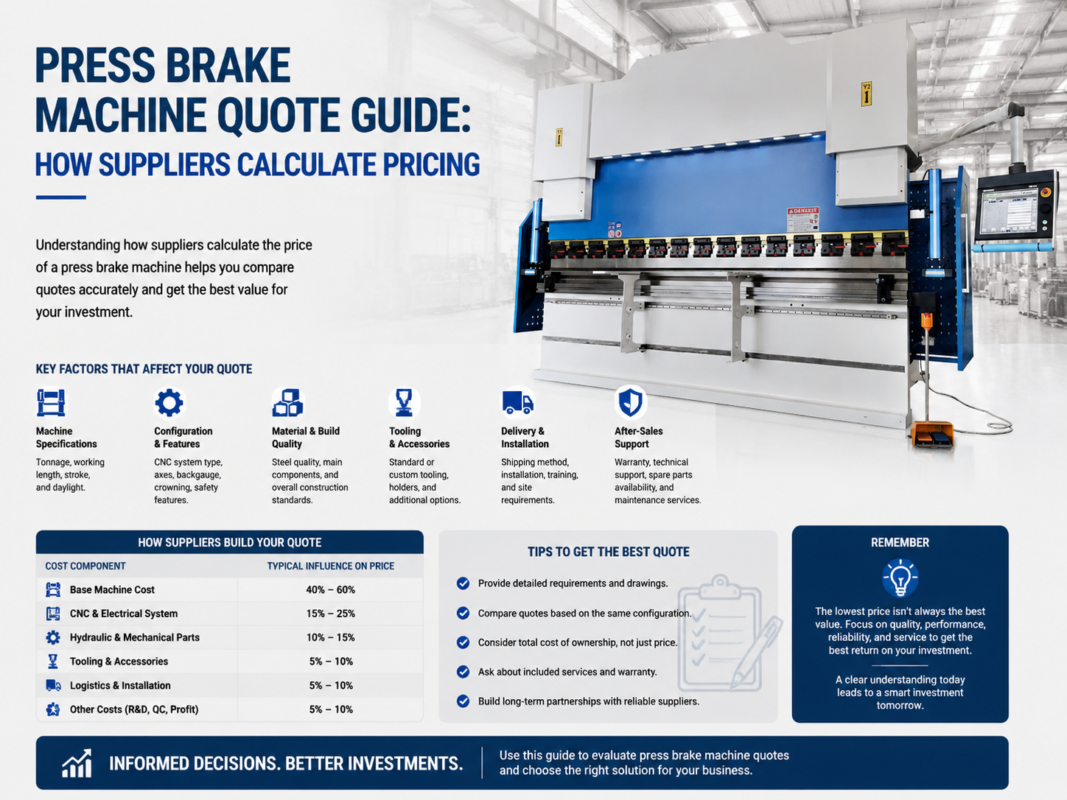
When entering the market for metal fabrication equipment, the decision between a standard hydraulic press brake and a high-end CNC (Computer Numerical Control) press brake is often dictated by budget. For smart buyers, understanding the price range is the first step toward a successful capital expenditure. Generally, entry-level hydraulic press brakes start at a lower price point, making them accessible for small job shops, while CNC press brakes represent a significant premium due to their advanced automation and precision capabilities.
A standard hydraulic press brake typically ranges from $20,000 to $80,000 depending on tonnage and bed length. These machines rely on manual or semi-automatic backgauge systems and basic controllers. They are workhorses designed for repetitive, straightforward bending tasks where high-speed precision is not the primary bottleneck. For many fabricators, this price range offers the best balance between initial investment and functional output.
Conversely, CNC press brakes—often featuring multi-axis control (4+ axes), automatic crowning, and advanced software integration—can range from $100,000 to over $500,000. The price jump is attributed to the sophisticated servo-hydraulic systems, high-speed backgauges, and the ability to handle complex geometries with minimal setup time. For high-volume production environments, this investment is often justified by the reduction in labor costs and scrap rates.
Smart buyers must look beyond the sticker price. A machine that costs $50,000 but requires constant manual adjustments may end up being more expensive over five years than a $150,000 CNC machine that operates with 99% accuracy. The price range is not just a reflection of the hardware, but a reflection of the machine’s capability to integrate into a modern, lean manufacturing workflow.
Finally, consider the secondary market versus new machinery. While used hydraulic press brakes can be found for a fraction of the cost, they often lack the safety features and energy efficiency of modern HARSLE equipment. Investing in new machinery ensures warranty support, access to spare parts, and the latest safety compliance, which are critical factors in long-term cost management.
Main Cost Drivers: What You Are Really Paying For
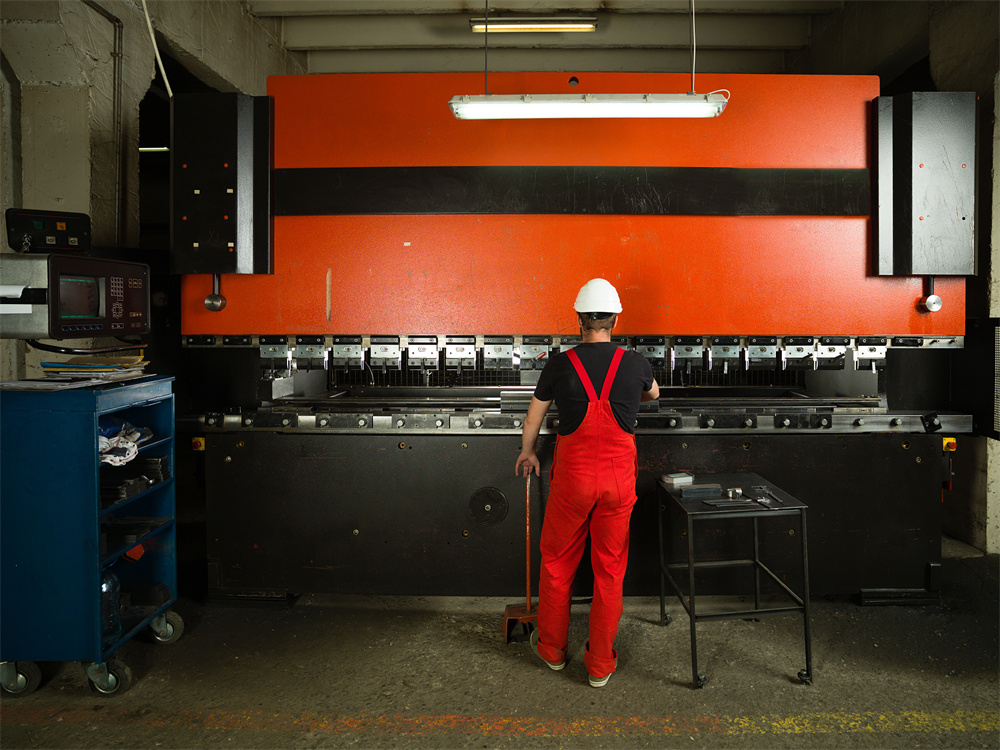
The price discrepancy between CNC and hydraulic press brakes is driven by several core technical components. The most significant factor is the control system. A CNC controller is essentially a powerful industrial computer that manages the synchronization of the cylinders, the position of the backgauge, and the pressure settings. This level of automation requires expensive software development and high-quality electronic components that standard hydraulic machines do not utilize.
Another major cost driver is the hydraulic system architecture. High-end CNC press brakes utilize proportional valve technology and closed-loop feedback systems. These components allow the machine to monitor the bending angle in real-time and make micro-adjustments during the stroke. In contrast, a standard hydraulic press brake uses simpler, open-loop systems that are reliable but lack the dynamic responsiveness required for complex, high-precision parts.
The structural rigidity of the frame also impacts the price. CNC press brakes are built to withstand the stresses of high-speed, high-frequency operation. They often feature stress-relieved steel frames and precision-ground guide ways that maintain alignment over millions of cycles. The manufacturing process for these frames involves rigorous quality control and precision machining, which adds to the final cost of the unit.
Tooling compatibility and the clamping system are also significant cost factors. CNC machines often come equipped with hydraulic or pneumatic quick-change clamping systems, which drastically reduce setup times. While these systems add to the initial purchase price, they are essential for shops that perform frequent job changes. Standard hydraulic machines often use manual clamping, which is cheaper but significantly slower.
Lastly, the level of integration with CAD/CAM software drives the price. A CNC press brake that can import 3D models directly from your design office eliminates the need for manual programming at the machine. This digital integration is a premium feature that transforms the press brake from a simple bending tool into a fully integrated part of your production line, justifying the higher price tag for high-output facilities.
Configuration Impact: Customization and Its Effect on Price
Customization is where the price of a press brake can fluctuate wildly. A smart buyer knows that “off-the-shelf” is rarely the most efficient choice for specialized production. When configuring your HARSLE press brake, you must weigh the cost of additional axes against the complexity of the parts you intend to produce. Each additional axis on the backgauge (X, R, Z1, Z2) adds significant cost but provides exponential gains in flexibility.
Crowning systems are another critical configuration choice. Manual crowning is a cost-effective solution for shops that don’t change material thickness often. However, automatic hydraulic crowning—which compensates for frame deflection during the bend—is a standard requirement for CNC machines. The cost of integrating an automatic crowning system is substantial, but it is the only way to ensure consistent bend angles across the entire length of a long workpiece.
Safety configurations are non-negotiable but vary in price. Laser safety guards, such as those from Lazer Safe, are the industry standard for high-end CNC press brakes. These systems allow the ram to move at high speeds until it is just millimeters away from the workpiece, significantly increasing cycle times. While these safety systems add thousands to the price, they are essential for protecting operators and reducing insurance premiums.
Energy-saving features, such as servo-driven hydraulic pumps, are becoming increasingly popular. These systems only consume power when the ram is in motion, unlike traditional hydraulic pumps that run continuously. While the initial investment for a servo-hydraulic system is higher, the long-term energy savings can be substantial, especially in regions with high electricity costs. This is a classic example of paying more upfront to lower the total cost of ownership.
Finally, consider the throat depth and daylight opening. Customizing the machine to accommodate larger or deeper parts requires a larger frame and more robust hydraulic cylinders. These physical modifications increase the weight and material cost of the machine, which directly impacts the shipping and installation price. Always evaluate your current and future part requirements to avoid over-specifying or under-specifying your machine.
Hidden Costs: Beyond the Purchase Price
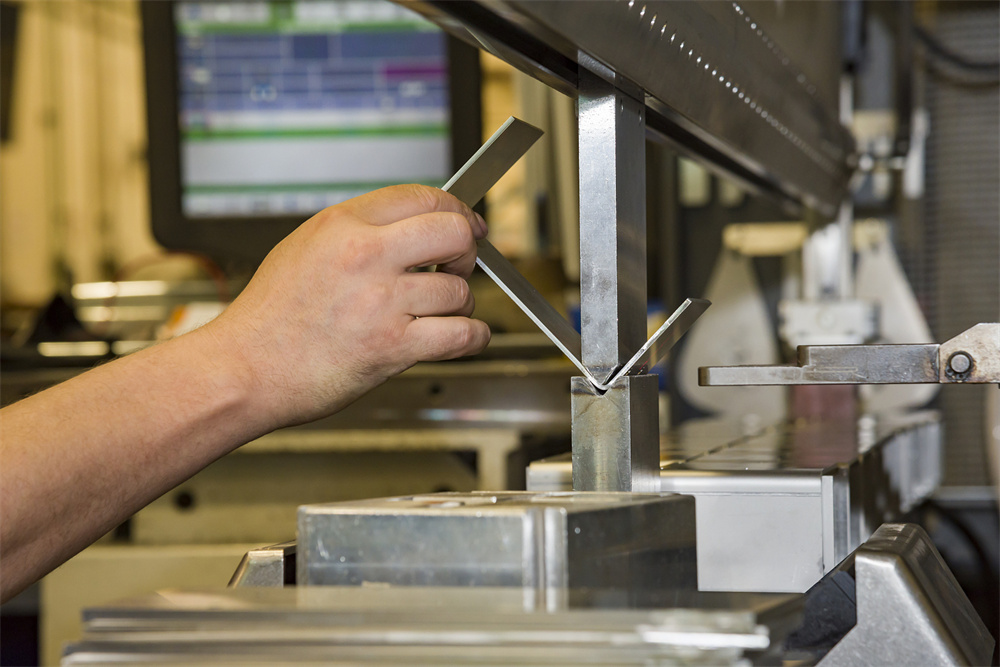
Many buyers focus exclusively on the machine’s price tag, ignoring the “hidden” costs that appear after the machine is delivered. Installation and commissioning are the first of these. A CNC press brake requires a level, reinforced concrete foundation and precise leveling to ensure accuracy. If your facility floor is not prepared, you may face significant delays and additional costs for site preparation.
Training is another often-overlooked expense. A CNC press brake is only as good as the operator using it. You must budget for professional training to ensure your team can utilize the advanced software and programming features. Without proper training, you are essentially paying for a Ferrari and driving it in first gear. HARSLE provides comprehensive training resources, but the time your operators spend learning is a real cost to your business.
Maintenance and spare parts are ongoing expenses. CNC machines have more electronic components, sensors, and software that may require periodic updates or specialized technical support. While hydraulic machines are generally easier to maintain, they still require regular oil changes, filter replacements, and seal inspections. A preventative maintenance contract is a smart investment that prevents costly downtime, but it must be factored into your annual budget.
Tooling is a major hidden cost. Depending on the complexity of your parts, you may need a variety of punches and dies. High-quality, hardened tooling is expensive but lasts significantly longer and produces better results. Many buyers underestimate the cost of a full tooling set, which can easily add 10-20% to the total project cost. Always negotiate a tooling package with your machine purchase to secure better pricing.
Finally, consider the cost of downtime. If your machine breaks down, how much does it cost you per hour? A CNC machine with remote diagnostic capabilities can often be fixed faster than a manual machine that requires a technician to physically diagnose a hydraulic leak. When calculating your budget, consider the “cost of failure” and choose a machine and a manufacturer that offers reliable, responsive support.
ROI Calculation: Making the Smart Choice
Calculating the Return on Investment (ROI) for a press brake requires a holistic view of your production costs. Start by analyzing your current labor costs. If a CNC press brake can reduce setup time from 45 minutes to 5 minutes, and you perform four setups a day, you are saving three hours of labor per day. At an average shop rate, this adds up to thousands of dollars in savings every month.
Next, evaluate your scrap rate. Precision bending with a CNC machine significantly reduces the number of rejected parts. If you are currently losing 5% of your material to inaccurate bends, a CNC machine could reduce that to less than 1%. The value of the saved material, combined with the saved labor time, often provides a clear path to ROI within 18 to 36 months.
Consider the impact on your production capacity. A faster, more automated machine allows you to take on more complex jobs that your competitors might turn down. This increases your market competitiveness and allows for higher profit margins. The ability to produce high-quality, repeatable parts consistently is a marketing advantage that can help you win larger contracts.
Energy efficiency is another factor in the ROI equation. If you are replacing an older, inefficient machine, the reduction in electricity consumption can contribute to your bottom line. While this might not be the primary driver of your ROI, it is a significant benefit that compounds over the 10-15 year lifespan of the machine.
Finally, consider the resale value. High-quality CNC press brakes from reputable brands like HARSLE hold their value much better than generic or low-end hydraulic machines. When the time comes to upgrade or expand, being able to sell your used equipment for a significant portion of its original cost is a major benefit that should be included in your long-term financial planning.
Buying Advice: A Checklist for Smart Buyers
Before you sign the purchase agreement, use this checklist to ensure you are making a smart decision. First, define your production needs. Are you doing high-volume, repetitive work, or low-volume, high-complexity work? Your answer will determine whether you need a high-end CNC machine or a robust, standard hydraulic press brake.
Second, evaluate the manufacturer’s support network. Can they provide local service? How quickly can they ship spare parts? A machine is only as good as the support behind it. HARSLE prides itself on a global support network, ensuring that our customers are never left without assistance when they need it most.
Third, request a demonstration or a sample bend. Don’t just look at the specifications on paper; see the machine in action. Bring your own material and test the machine’s ability to handle your specific bending requirements. This is the best way to verify the machine’s accuracy and ease of use.
Fourth, review the warranty and service terms. A comprehensive warranty is a sign of a manufacturer’s confidence in their product. Ensure that the warranty covers both parts and labor, and ask about the availability of extended service plans.
Finally, talk to other users. Ask the manufacturer for references or look for reviews from other fabricators in your industry. Learning from the experiences of others is the best way to avoid common pitfalls and ensure that your investment in a press brake is a success for years to come.
FAQ: Frequently Asked Questions
- Q: Is a CNC press brake always better than a hydraulic one?
A: Not necessarily. A CNC press brake is better for high-volume, complex work. If you have simple, low-volume requirements, a standard hydraulic press brake may be more cost-effective. - Q: How long does a press brake typically last?
A: With proper maintenance, a high-quality press brake can last 15 to 20 years or more. - Q: Can I upgrade a hydraulic press brake to CNC later?
A: While some components can be added, it is generally not cost-effective to convert a manual hydraulic machine to a full CNC system. It is better to invest in the right machine from the start. - Q: What is the most important factor in press brake accuracy?
A: The combination of a rigid frame, high-quality backgauge, and a precise control system is essential for consistent accuracy. - Q: How often should I perform maintenance?
A: You should follow the manufacturer’s recommended maintenance schedule, which typically includes daily, weekly, and monthly checks.