How a Punching Machine Supported Scalable Production In Hvac Sheet Metal Manufacturing


Introduction: The Evolution of HVAC Fabrication
In the rapidly evolving landscape of modern construction, the demand for precision-engineered HVAC components has reached an all-time high. As building codes become more stringent and energy efficiency standards tighten, manufacturers are under immense pressure to deliver high-quality ductwork and ventilation systems at scale. This is where the integration of advanced technology becomes a differentiator. Specifically, how a punching machine supported scalable production in HVAC sheet metal manufacturing has become a primary case study for industrial growth.
For many fabrication shops, the transition from manual labor to automated punching solutions represents the single most significant leap in productivity. HVAC manufacturing requires the processing of thousands of sheets of galvanized steel, aluminum, and stainless steel, often involving complex hole patterns, notches, and custom shapes. Traditional methods, such as manual drilling or plasma cutting, often fall short when it comes to speed, repeatability, and material waste management.
HARSLE has observed that shops utilizing modern CNC punching machines experience a transformation in their operational capacity. By automating the punching process, manufacturers can reduce cycle times, minimize human error, and ensure that every piece of ductwork fits perfectly during on-site assembly. This article explores the technical, operational, and strategic advantages of adopting punching technology in the HVAC sector.
As we delve into the mechanics of this transition, it is important to understand that scalability is not just about speed; it is about consistency. When a punching machine supported scalable production in HVAC sheet metal manufacturing, it provided the foundation for shops to bid on larger contracts, reduce lead times, and maintain high profit margins despite fluctuating raw material costs.
Key Considerations for HVAC Production Scalability
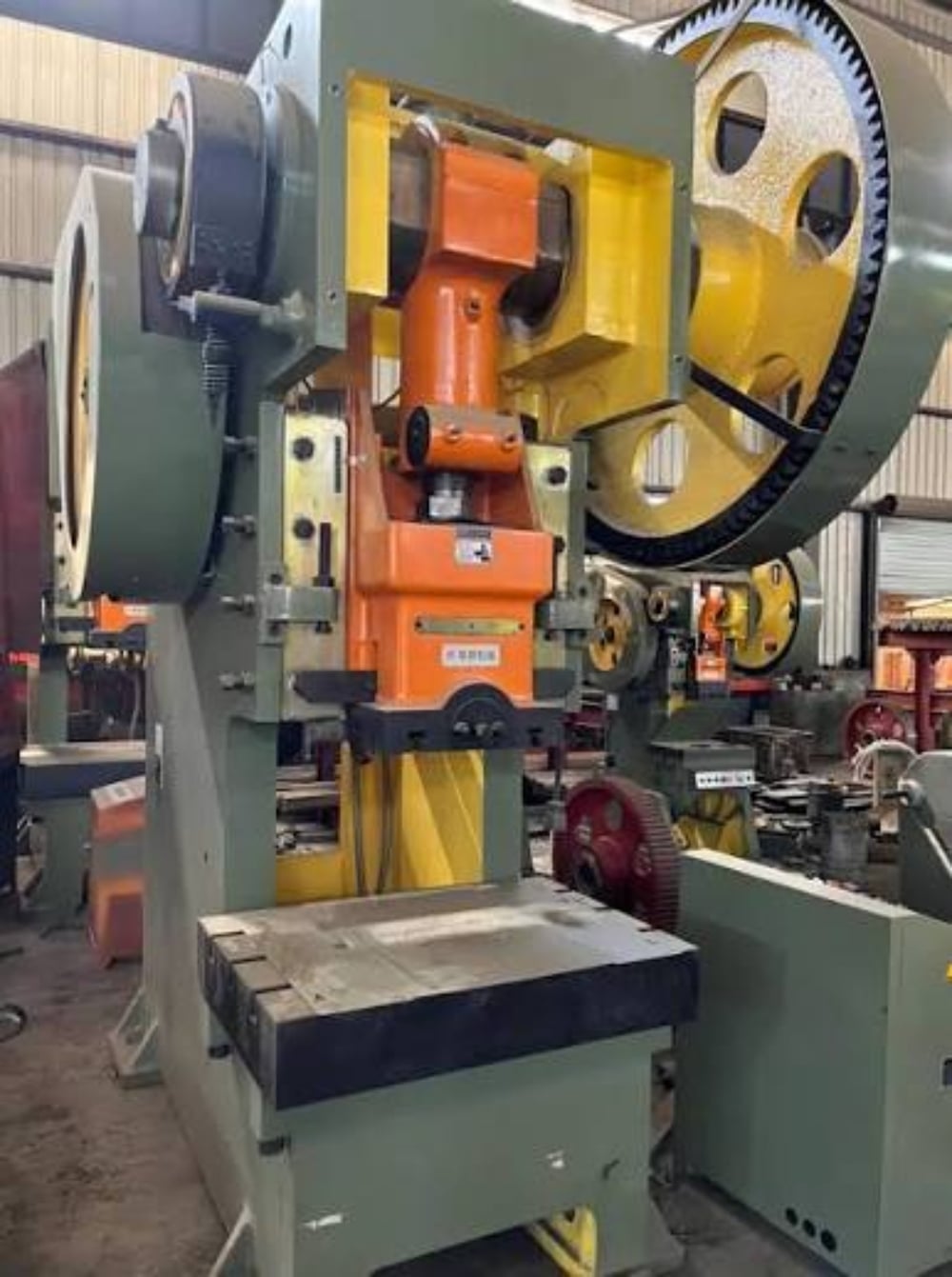
Scaling production in the HVAC industry is fraught with challenges, primarily related to the high-volume, high-mix nature of the work. Manufacturers must balance the need for rapid output with the requirement for custom dimensions. When evaluating how a punching machine supported scalable production in HVAC sheet metal manufacturing, one must first look at the bottleneck areas in the traditional fabrication workflow.
The first consideration is material utilization. In HVAC manufacturing, the cost of sheet metal is a significant portion of the total project expense. A high-performance punching machine allows for advanced nesting software integration, which optimizes the placement of parts on a sheet. By minimizing the scrap metal between parts, manufacturers can significantly lower their material costs, effectively increasing their margins and allowing for more competitive pricing in the market.
Secondly, labor efficiency is paramount. Manual fabrication processes are labor-intensive and prone to fatigue-related errors. By implementing a CNC punching machine, a shop can shift its workforce from manual labor to machine operation and programming. This not only improves the safety of the shop floor but also allows for 24/7 production cycles, as modern machines can be equipped with automated loading and unloading systems.
Thirdly, the complexity of HVAC designs requires high flexibility. Modern punching machines come with multi-tool turrets that allow for a wide range of punching, forming, and embossing operations without the need for frequent tool changes. This versatility is crucial for HVAC manufacturers who must switch between different duct sizes and configurations throughout the day without losing valuable production time.
Finally, the integration of digital workflows is essential. Modern punching machines are compatible with CAD/CAM software, allowing designers to send files directly from the drafting table to the machine. This eliminates the need for physical templates and reduces the time between design approval and the start of production. This digital thread is the backbone of any scalable HVAC manufacturing operation.
Technical Details: Why Punching Machines Excel in HVAC
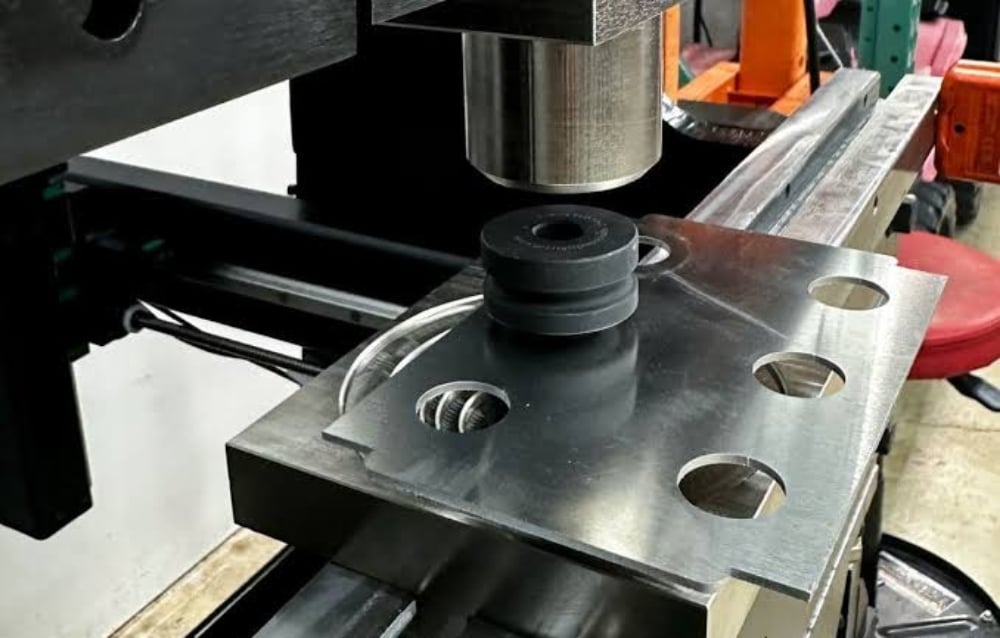
The technical superiority of a punching machine in HVAC manufacturing lies in its ability to perform high-speed, high-force operations with extreme precision. Unlike laser cutting, which can leave heat-affected zones or require secondary cleaning, punching provides a clean, cold-cut edge that is ideal for galvanized steel, which is the standard material for most HVAC ductwork.
A typical CNC punching machine used in HVAC manufacturing features a high-speed hydraulic or servo-electric ram. These systems are designed to deliver thousands of hits per minute, allowing for the rapid creation of complex patterns. For HVAC manufacturers, this means that even the most intricate ventilation grilles or custom duct connectors can be produced in seconds rather than minutes.
The turret design is another critical technical feature. A turret can hold dozens of different punches and dies, allowing the machine to perform a variety of tasks—such as circular holes for fasteners, rectangular cutouts for dampers, and louvers for airflow—in a single setup. This reduces the need for secondary operations, which is a major factor in how a punching machine supported scalable production in HVAC sheet metal manufacturing.
Furthermore, the rigidity of the machine frame ensures that the punching force is applied consistently across the entire sheet. This consistency is vital for HVAC components that must interlock or be joined with flanges. If the holes are even slightly misaligned, the assembly process on the construction site becomes a nightmare. CNC punching machines eliminate this risk by maintaining tolerances within fractions of a millimeter.
Selection Advice: Choosing the Right Equipment
Selecting the right punching machine is a strategic decision that should be based on your current production volume, the types of materials you process, and your future growth projections. When HARSLE consults with HVAC manufacturers, we emphasize that the machine should not just meet current needs but also provide a runway for future expansion.
Start by analyzing your material thickness and sheet size requirements. HVAC ductwork typically uses thinner gauges, but some industrial applications require thicker plates. Ensure that the machine’s tonnage is sufficient for your heaviest material. A machine that is constantly running at its maximum capacity will experience premature wear and tear, leading to higher maintenance costs and downtime.
Consider the automation level. If your shop is looking to scale significantly, look for machines that support automatic loading and unloading systems. These systems allow the machine to run unattended for hours, which is a game-changer for shops looking to maximize their output without increasing their headcount. This is a primary example of how a punching machine supported scalable production in HVAC sheet metal manufacturing.
Evaluate the software ecosystem. The machine is only as good as the software that drives it. Look for platforms that offer robust nesting capabilities, easy integration with your existing ERP or CAD systems, and user-friendly interfaces. The ability to quickly import designs and generate tool paths is what keeps the production line moving.
Finally, consider the manufacturer’s support and service network. Industrial machinery is a long-term investment. You need a partner who provides comprehensive training, readily available spare parts, and responsive technical support. HARSLE prides itself on providing end-to-end support, ensuring that our clients can focus on their production goals rather than worrying about machine downtime.
Maintenance and Longevity
To ensure that your punching machine continues to support scalable production, a proactive maintenance schedule is non-negotiable. Regular inspection of the turret, punch holders, and hydraulic systems will prevent unexpected failures. HVAC manufacturing environments can be dusty, so keeping the machine clean and ensuring that the lubrication systems are functioning correctly is essential for longevity.
Tool maintenance is equally important. Dull punches not only produce poor-quality edges but also put unnecessary strain on the machine’s ram. Implement a tool sharpening schedule and keep a stock of common punch and die sets. This simple practice can extend the life of your machine by years and ensure that your production quality remains consistent.
Software updates should also be part of your maintenance routine. As technology advances, manufacturers often release updates that improve machine performance, add new features, or enhance safety protocols. Staying current with these updates ensures that your machine remains competitive in an ever-changing market.
Lastly, train your operators thoroughly. A well-trained operator can identify potential issues before they become major problems. Encourage a culture of ownership where the machine operator is responsible for the daily health of the equipment. This human element is just as important as the mechanical one when it comes to maintaining a scalable production environment.
FAQ: Common Questions About HVAC Punching
1. How does a punching machine improve HVAC production speed?
A punching machine significantly increases speed by automating the cutting and hole-making process. With high-speed ram cycles and multi-tool turrets, it can perform multiple operations in a single pass, drastically reducing the time required compared to manual or semi-automated methods.
2. Is a punching machine better than a laser cutter for HVAC?
For many HVAC applications, punching is preferred because it is faster for high-volume hole patterns and does not create heat-affected zones. It is also more energy-efficient for processing standard galvanized steel sheets used in ductwork.
3. Can a punching machine handle custom HVAC designs?
Yes, modern CNC punching machines are highly flexible. With the right CAD/CAM software, you can program custom shapes, notches, and patterns, making them ideal for both standard ductwork and custom architectural HVAC projects.
4. What is the most important factor when buying a punching machine?
The most important factor is matching the machine’s capabilities—such as tonnage, sheet size, and automation features—to your specific production volume and material requirements, while also considering future scalability.
5. How does HARSLE support HVAC manufacturers?
HARSLE provides not only high-quality punching machines but also comprehensive technical support, training, and software integration services to ensure that our clients achieve maximum efficiency and scalability in their operations.
Conclusion: The Future of HVAC Fabrication
The journey toward scalable production in the HVAC industry is paved with technological advancements. As we have explored, the integration of a high-performance punching machine is not merely an equipment upgrade; it is a strategic move that transforms the entire manufacturing workflow. By focusing on material efficiency, labor optimization, and digital integration, manufacturers can overcome the traditional bottlenecks that limit growth.
When a punching machine supported scalable production in HVAC sheet metal manufacturing, it allowed shops to move from reactive, small-batch production to proactive, high-volume manufacturing. This shift enables businesses to take on larger, more complex projects with confidence, knowing that their equipment can handle the demands of the modern market. As the HVAC industry continues to grow, those who invest in the right technology today will be the leaders of tomorrow.
At HARSLE, we are committed to providing the tools and expertise necessary for our clients to succeed. Whether you are looking to automate your first production line or upgrade your existing facility, our team is here to guide you through the process. The future of HVAC fabrication is automated, precise, and scalable—and it starts with the right punching machine.