Laser Cutting Machine Power Loss Troubleshooting Guide for Better Performance


Introduction to Laser Cutting Machine Power Loss
In the high-precision world of metal fabrication, the efficiency of your equipment is the backbone of your production capacity. A laser cutting machine is a sophisticated piece of industrial machinery, and when it begins to exhibit signs of power loss, it can significantly hinder your output and profitability. Understanding the nuances of Laser Cutting Machine Power Loss Troubleshooting Guide for Better Performance is essential for any facility manager or machine operator aiming to maintain peak operational standards.
Power loss in a laser system is rarely the result of a single catastrophic failure. Instead, it is often a gradual decline in cutting speed, edge quality, or material thickness capacity. By identifying the root causes early, operators can prevent costly downtime and extend the lifespan of critical components. This guide explores the technical intricacies of laser systems, providing actionable insights into maintaining the high-performance standards expected of HARSLE equipment.
Whether you are working with thin-gauge sheet metal or heavy-duty industrial plates, the consistency of your laser beam is paramount. When the beam loses intensity, the heat-affected zone (HAZ) increases, and the cut quality suffers. This article serves as a comprehensive resource for diagnosing these issues, ensuring that your investment in metal fabrication equipment continues to deliver the precision and speed your business requires.
Key Considerations for Laser Performance
Before diving into complex technical repairs, it is vital to establish a baseline for what constitutes ‘normal’ performance. Laser cutting machine power loss troubleshooting better performance starts with regular monitoring. Operators should maintain a detailed log of cutting parameters, including gas pressure, nozzle size, and focal position. When these variables are tracked, deviations in power become much easier to spot.
Environmental factors play a surprisingly large role in laser efficiency. Dust, humidity, and temperature fluctuations can impact the sensitive optics within the laser head and the resonator. A clean room environment or a well-maintained enclosure is not just a luxury; it is a necessity for high-wattage fiber lasers. Ensuring that your cooling systems are operating within the manufacturer’s specified temperature range is critical for preventing thermal drift and power instability.
Another key consideration is the quality of the consumables. Using low-quality nozzles or lenses can lead to beam distortion, which manifests as power loss. HARSLE recommends using original equipment manufacturer (OEM) parts to ensure that the beam geometry remains consistent. Even a microscopic scratch on a protective lens can scatter the laser beam, leading to a significant drop in power density at the focal point.
Finally, consider the software and control parameters. Sometimes, what appears to be a hardware power loss is actually a software limitation or an incorrect parameter setting. Ensure that your CNC controller is updated and that the power ramp-up settings are calibrated correctly for the material thickness you are currently processing. Regular software audits can prevent unnecessary mechanical troubleshooting.
Technical Details: Diagnosing the Source of Power Loss
When troubleshooting, the first point of inspection should always be the optical path. In fiber laser systems, the beam is delivered via a fiber optic cable. If this cable is bent beyond its minimum bend radius or if the connectors are contaminated, power loss is inevitable. Inspect the fiber connections for any signs of heat damage or debris, as these are common culprits in industrial settings.
The laser head itself contains several optical elements, including the collimator and the focusing lens. Over time, these lenses can accumulate microscopic dust or metal vapor residue. This buildup absorbs laser energy, causing the lens to heat up and potentially crack. A systematic cleaning schedule, using only approved optical cleaning solutions and lint-free wipes, is a fundamental part of the Laser Cutting Machine Power Loss Troubleshooting Guide for Better Performance.
Check the assist gas delivery system. If the gas pressure is inconsistent or if the nozzle is misaligned, the laser beam may not be able to penetrate the material effectively. This often mimics the symptoms of power loss because the material is not being cleared from the kerf properly. Ensure that your gas lines are free of moisture and oil, as contaminants in the assist gas can degrade the lens surface rapidly.
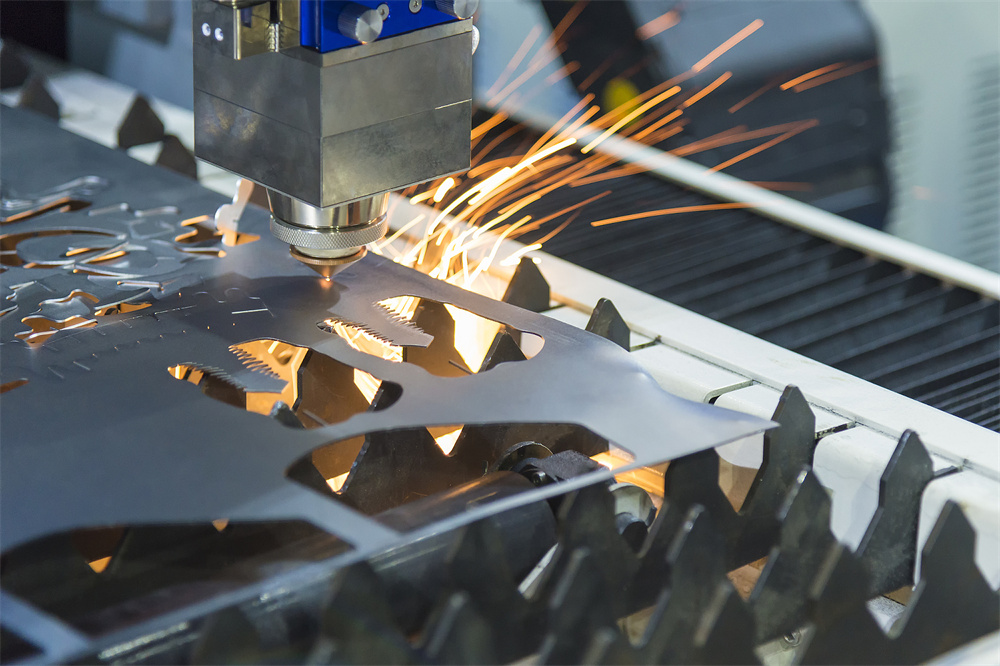
The laser resonator or source itself should be monitored for internal warnings. Modern fiber lasers have built-in diagnostics that report on the health of the pump diodes. If the pump diodes are nearing the end of their service life, the total output power will drop. Use the machine’s diagnostic interface to check the current draw and temperature of the laser source modules. If the internal power readings are lower than the set point, it may be time to contact a service technician for a module replacement.
Electrical stability is another often-overlooked factor. Laser machines require a stable power supply. Voltage fluctuations or harmonic distortion in the facility’s electrical grid can cause the laser power supply to throttle output to protect the internal electronics. Installing a high-quality voltage stabilizer or power conditioner can often resolve intermittent power loss issues that seem to occur at specific times of the day.
Selection Advice for Long-Term Performance
When selecting a laser cutting machine, the initial purchase decision is the most important step in avoiding future power loss issues. Choose a machine that is appropriately sized for your typical material thickness. Running a machine at 100% duty cycle for extended periods can accelerate the wear of the laser source. It is often better to select a machine with a slightly higher wattage capacity than you currently need, allowing you to run it at 70-80% capacity for better longevity.
Look for machines that feature advanced cooling systems. A robust chiller is the heart of the laser’s thermal management. HARSLE machines are designed with high-efficiency cooling loops that maintain the laser source at an optimal temperature, preventing the power degradation that occurs when components overheat. When evaluating a machine, ask about the chiller’s capacity and its ability to handle ambient temperature swings in your specific climate.
Consider the ease of maintenance. A machine that requires a technician to disassemble the entire head for a simple lens cleaning will inevitably lead to neglected maintenance. Choose equipment that offers quick-change lens cartridges and easy access to the optical path. This design philosophy encourages regular maintenance, which is the best way to ensure consistent power delivery over the life of the machine.
Finally, prioritize manufacturers that offer comprehensive training and support. A machine is only as good as the operator’s ability to maintain it. Ensure that your team receives thorough training on the specific Laser Cutting Machine Power Loss Troubleshooting Guide for Better Performance relevant to your model. Having access to a responsive technical support team can mean the difference between a quick fix and a week of downtime.
Frequently Asked Questions (FAQ)
How often should I clean the laser optics?
The frequency depends on your operating environment and material type. In a clean, low-dust environment, a weekly inspection is usually sufficient. However, if you are cutting materials that produce significant smoke or debris, you should inspect the protective lens daily.
Can a dirty nozzle cause power loss?
Yes. A dirty or damaged nozzle disrupts the assist gas flow, which prevents the laser from cutting efficiently. This creates the illusion of power loss because the machine struggles to penetrate the material, even if the laser source is outputting the correct amount of energy.
What is the most common cause of sudden power drop?
A sudden drop is usually caused by a contaminated lens or a damaged fiber optic cable. If the power loss is gradual, it is more likely related to lens degradation or the natural aging of the laser pump diodes.
Does the assist gas type affect cutting power?
While the gas itself doesn’t change the laser’s output power, it significantly affects the cutting process. Using the wrong gas or impure gas can lead to poor edge quality and slower cutting speeds, which may be mistaken for a loss of laser power.
How do I know if my laser source is failing?
Most modern fiber laser sources have internal diagnostic software. If the software indicates that the pump diodes are failing or that the internal temperature is consistently too high, it is a clear sign that the source requires professional service.
Conclusion
Achieving and maintaining optimal performance in your metal fabrication shop requires a proactive approach to equipment care. By following this Laser Cutting Machine Power Loss Troubleshooting Guide for Better Performance, you can identify potential issues before they escalate into major production bottlenecks. Remember that consistent performance is the result of a combination of high-quality equipment, regular maintenance, and a well-trained operating team.
HARSLE is committed to providing the industry with reliable, high-performance metal fabrication equipment. By investing in the right technology and adhering to the maintenance protocols outlined in this guide, you ensure that your laser cutting machine remains a powerful asset for years to come. Keep your optics clean, your cooling systems monitored, and your software updated to stay ahead of the competition in the demanding world of metal manufacturing.
Ultimately, the goal of any industrial operation is to maximize uptime and minimize waste. When you understand the technical details of your laser system, you gain the confidence to troubleshoot effectively and make informed decisions about your equipment. Use this guide as a reference point, and don’t hesitate to reach out to HARSLE support for specialized assistance with your specific laser cutting machine applications.