How to Choose the Right Laser Cutting Machine Based on Material Thickness Comparison


Comparison Summary: Navigating Laser Power and Material Thickness
When you set out to choose the right laser cutting machine based on material thickness comparison, the primary variable is the laser source power. Fiber laser technology has revolutionized the metal fabrication industry, offering unparalleled precision and speed. However, the physics of light-to-metal interaction dictates that thicker materials require higher power densities and specific gas pressures to achieve a clean, dross-free cut. Understanding this relationship is the cornerstone of making a capital investment that serves your production needs for years to come.
For thin-gauge materials, such as sheet metal under 3mm, low-to-medium power fiber lasers (1kW to 3kW) are often sufficient. These machines provide high-speed cutting and excellent edge quality, making them ideal for electronics, automotive components, and decorative metalwork. As you move into the medium-thickness range (3mm to 12mm), the demand for power increases to maintain cutting speed and ensure the laser beam penetrates the material fully without excessive heat-affected zones.
Heavy-duty fabrication, dealing with plates ranging from 12mm to 30mm and beyond, requires high-power fiber lasers (6kW, 12kW, or even 30kW+). These machines utilize advanced beam delivery systems and sophisticated nozzle configurations to manage the molten material effectively. Choosing the wrong machine—either underpowered for your thickest plate or overpowered for your standard production—can lead to significant inefficiencies, increased cost-per-part, and unnecessary maintenance burdens.
This guide aims to demystify the selection process by breaking down the technical requirements for various material thicknesses. By aligning your specific production throughput with the right laser power, you can optimize your operational costs and maximize the return on your investment in HARSLE industrial machinery.

Machine A Overview: The Precision-Focused Fiber Laser (1kW – 3kW)
The entry-to-mid-level fiber laser cutting machine is designed for high-speed, high-precision tasks. These machines are the workhorses of the sheet metal industry, where speed and repeatability are paramount. By focusing on thin-to-medium materials, these machines utilize a smaller beam spot size, which allows for intricate geometries and tight tolerances that are difficult to achieve with mechanical cutting methods.
One of the primary advantages of this category is the low cost of operation. Because these machines consume less electricity and require less nitrogen or oxygen assist gas compared to high-power systems, they are incredibly cost-effective for shops focusing on high-volume, thin-gauge production. The maintenance cycle is also generally shorter and less complex, making them an excellent entry point for businesses transitioning from plasma or waterjet cutting.
In terms of material compatibility, these machines excel with stainless steel, aluminum, and mild steel up to 6mm. The beam quality (M2 factor) is typically optimized for these thicknesses, ensuring that the edge finish is smooth and requires minimal secondary processing. This reduces the need for grinding or deburring, which directly impacts your bottom line by saving labor hours.
Furthermore, these machines often feature compact footprints, allowing them to fit into smaller fabrication shops without sacrificing performance. When you choose a laser cutting machine based on material thickness comparison for thin materials, you are prioritizing agility and precision. HARSLE’s range of compact fiber lasers offers advanced CNC controls that allow operators to switch between different material types and thicknesses with minimal setup time.
Machine B Overview: The Heavy-Duty Industrial Powerhouse (6kW – 30kW+)
When your production demands involve thick plates, structural steel, or heavy industrial components, the high-power fiber laser is the only viable solution. These machines are engineered to handle the thermal challenges associated with cutting thick metal. With power outputs exceeding 6kW, these systems can cut through 20mm, 25mm, or even 40mm steel plates with remarkable speed and edge quality.
The secret behind these machines lies in their beam delivery and gas management systems. Cutting thick material requires a larger beam diameter and higher gas pressure to blow the molten metal out of the kerf. HARSLE’s high-power machines are equipped with advanced auto-focus cutting heads that dynamically adjust the beam profile based on the material thickness, ensuring that the laser energy is concentrated exactly where it is needed most.
Beyond raw power, these machines are built with heavy-duty frames to handle the weight of large, thick plates. They often include automated loading and unloading systems, which are essential when dealing with heavy materials that would otherwise require significant manual labor. The integration of these systems into a single production line significantly increases throughput and safety in a heavy fabrication environment.
Choosing a high-power machine is a long-term strategic decision. While the initial investment is higher, the ability to process thick materials in-house eliminates the need for outsourcing, giving you greater control over your production schedule and quality. These machines are designed for 24/7 operation, featuring robust cooling systems and advanced sensors that monitor the cutting process in real-time to prevent errors.
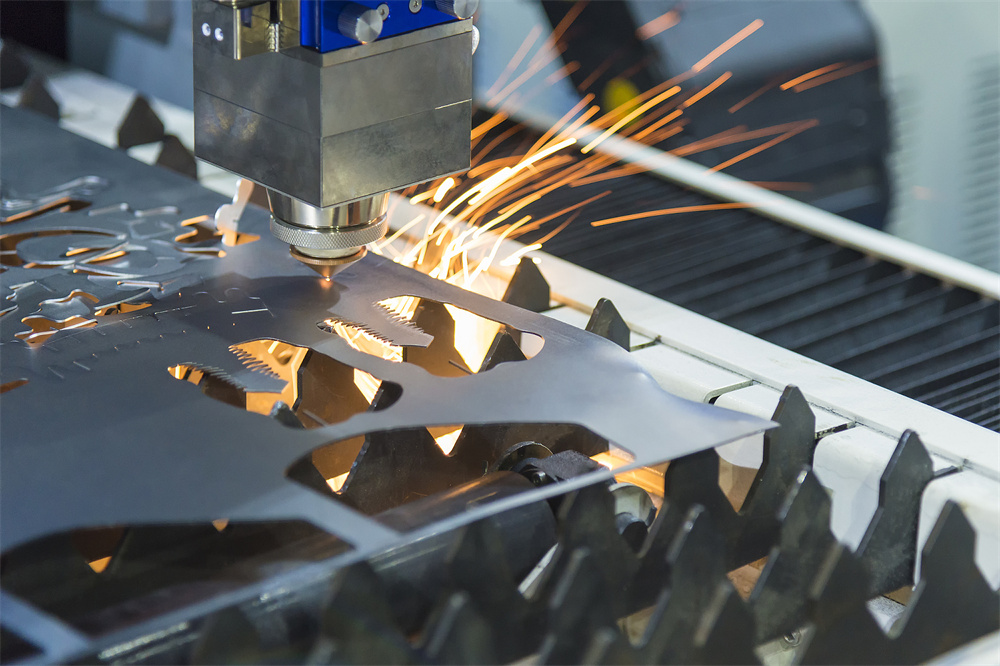
Specification Comparison Table
| Feature | Low-Power (1-3kW) | High-Power (6-30kW+) |
|---|---|---|
| Ideal Thickness (Mild Steel) | 0.5mm – 6mm | 6mm – 40mm+ |
| Cutting Speed (Thin Material) | Extremely High | High |
| Edge Quality (Thick Material) | Poor/Inconsistent | Excellent/Smooth |
| Gas Consumption | Low | High |
| Primary Application | Sheet Metal/Electronics | Structural/Heavy Plate |
| Footprint | Compact | Large/Heavy-Duty |
Best-fit Applications for Different Thickness Ranges
Understanding the application is just as important as understanding the thickness. For thin materials (0.5mm – 3mm), the focus is on speed and precision. Applications include the production of enclosures, brackets, automotive panels, and intricate artistic designs. In these scenarios, the laser cutting machine must be capable of rapid acceleration and deceleration to maintain high throughput on complex paths.
For medium thicknesses (3mm – 12mm), the application shifts toward structural components, machine frames, and industrial parts. Here, the machine must balance speed with the ability to maintain a perpendicular cut edge. This is the “sweet spot” for many general fabrication shops, as it allows for a wide range of versatility, enabling the shop to handle everything from small parts to larger structural plates.
Heavy-duty applications (12mm – 40mm+) are reserved for industries such as shipbuilding, heavy machinery manufacturing, and infrastructure development. In these sectors, the laser cutting machine is often used to replace traditional flame or plasma cutting. The advantage here is the superior edge quality, which often eliminates the need for post-cut machining, and the significantly higher cutting speeds, which reduce the overall lead time for large-scale projects.
Finally, it is important to consider the material type. While mild steel is the standard, stainless steel and aluminum have different thermal properties. Stainless steel, for example, requires higher pressure and specific gas mixtures to prevent oxidation. When you choose a laser cutting machine based on material thickness comparison, ensure that the machine’s software and gas control systems are optimized for the specific alloys you intend to process.
Cost and Maintenance Comparison
The total cost of ownership (TCO) is a critical factor when selecting a laser cutting machine. The TCO includes the initial purchase price, electricity consumption, assist gas costs, spare parts, and maintenance labor. Low-power machines generally have lower electricity and gas costs, making them more economical for high-volume, thin-material production.
High-power machines, while more expensive to operate, offer a lower cost-per-part when processing thick materials. This is because they can cut through thick plates in a fraction of the time it would take a lower-power machine, or even a plasma cutter. The efficiency gains in labor and time often outweigh the higher utility costs associated with high-power laser sources.
Maintenance is another key area of comparison. Fiber lasers are known for their low maintenance requirements compared to CO2 lasers, as they have no mirrors to align and no gas to refill in the resonator. However, the cutting head and nozzle are wear items that must be replaced regularly. In high-power machines, the intensity of the cutting process can lead to faster wear on these components, requiring a more rigorous maintenance schedule.
HARSLE provides comprehensive maintenance guides and support for all our machines. Regular cleaning of the protective lens, monitoring the chiller system, and ensuring the CNC software is updated are essential practices. By investing in a preventative maintenance plan, you can extend the life of your laser cutting machine and ensure consistent performance regardless of the material thickness you are processing.
Recommendation: Making the Right Choice for Your Shop
To choose the right laser cutting machine based on material thickness comparison, you must first audit your current and projected production needs. If 80% of your work involves sheet metal under 5mm, a 3kW fiber laser is likely your best investment. It offers the perfect balance of speed, precision, and low operating costs. Attempting to force a 12kW machine into this role would be an inefficient use of capital.
Conversely, if your shop frequently handles plates thicker than 15mm, do not settle for a lower-power machine. The frustration of slow cutting speeds, poor edge quality, and the inability to process certain jobs will quickly negate any initial savings. A 6kW or 10kW machine will provide the power you need to scale your business and take on more complex, high-value projects.
Consider the future growth of your company. If you anticipate moving into heavier fabrication, it may be worth investing in a higher-power machine now, even if you don’t use its full capacity immediately. Many HARSLE machines are modular, allowing for future upgrades to the laser source or the addition of automation features like pallet changers and loading systems.
Ultimately, the decision should be based on a thorough analysis of your material mix. Consult with HARSLE’s technical team to discuss your specific requirements. We can provide sample cuts and throughput analysis to help you make an informed decision that aligns with your long-term business goals.
FAQ: Frequently Asked Questions
1. Can a low-power laser cut thick material?
Technically, yes, but it is not recommended. A low-power laser will struggle to penetrate thick material, resulting in slow speeds, excessive dross, and poor edge quality. It is inefficient and can lead to premature wear of the cutting head.
2. How does assist gas affect cutting thickness?
Assist gas is crucial for removing molten metal from the kerf. For thick materials, higher pressure and specific gases (like oxygen for mild steel) are required to facilitate the exothermic reaction and clear the cut path effectively.
3. Is fiber laser better than plasma for thick plates?
For most applications, yes. Fiber lasers offer much higher precision, a smaller heat-affected zone, and faster cutting speeds on most thicknesses compared to plasma. However, plasma remains a cost-effective option for extremely thick plates where precision is less critical.
4. How often should I perform maintenance on my laser?
Maintenance frequency depends on usage. Generally, daily checks of the nozzle and protective lens are recommended. A full professional service should be conducted every 6 to 12 months to ensure the machine remains within its factory specifications.
5. Does material type change the power requirement?
Yes. Reflective materials like copper and brass require more power and specialized beam delivery to cut effectively compared to mild steel. Always check the machine’s capability for your specific material list before purchasing.