
دليل أسعار آلات الثقب لتصنيع المعادن: خيارات جديدة، مستعملة، ومخصصة


Punching Machine Price Overview: Understanding the Market
Investing in a punching machine is a significant capital expenditure that defines the production capacity and efficiency of a metal fabrication shop. When researching the Punching Machine Price Metal Fabrication: New, Used, Custom Options, it is essential to recognize that pricing is not a one-size-fits-all metric. The market is segmented into entry-level manual machines, mid-range hydraulic systems, and high-end CNC turret punch presses, each serving different industrial requirements.
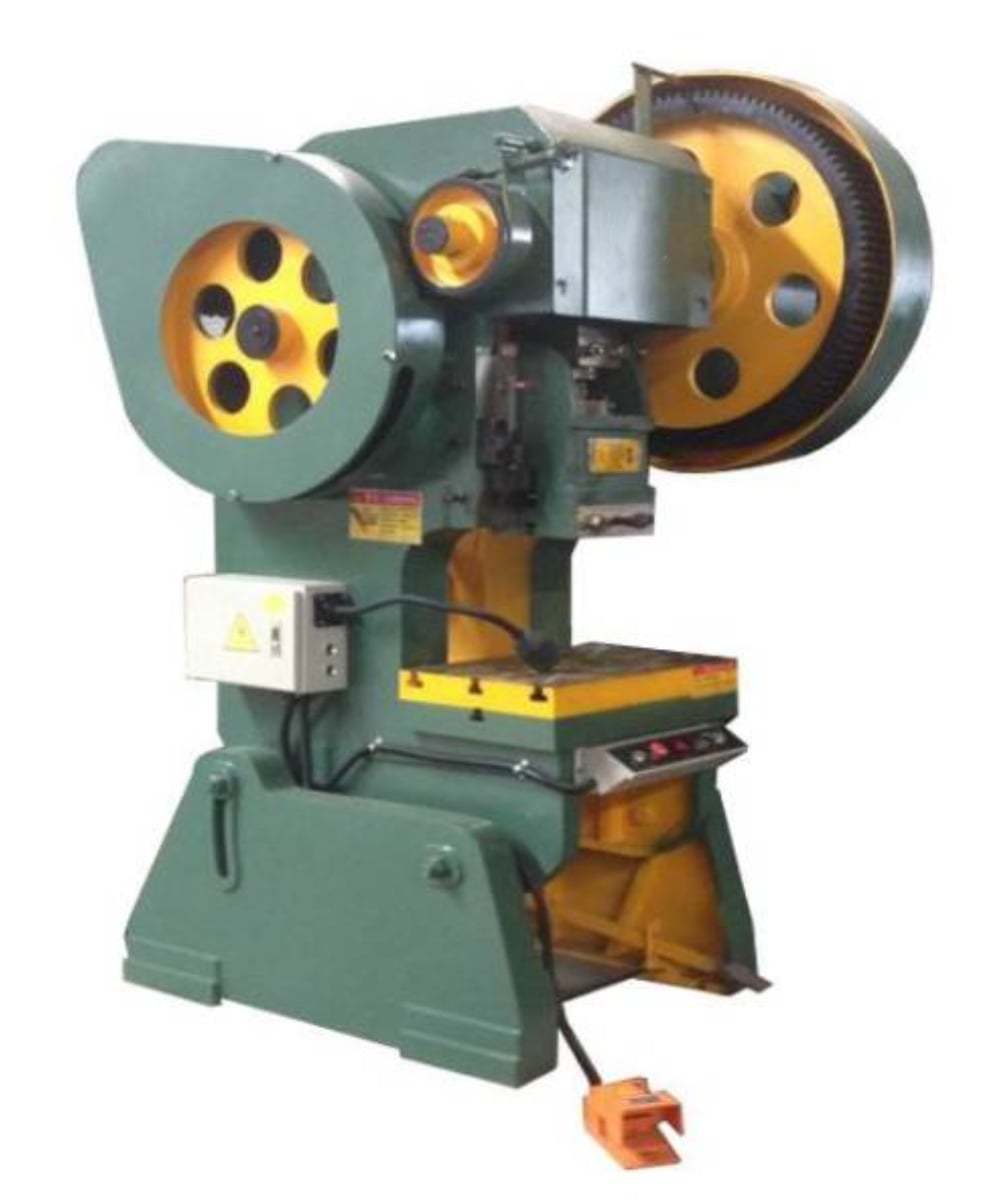
For new, entry-level mechanical punching machines, prices typically start in the range of $5,000 to $15,000. These machines are ideal for small workshops or specialized tasks that do not require high-speed automation. Moving into the mid-range, hydraulic punching machines with basic CNC controls generally fall between $25,000 and $60,000. These units offer better precision and repeatability, making them a staple for medium-sized fabrication businesses.
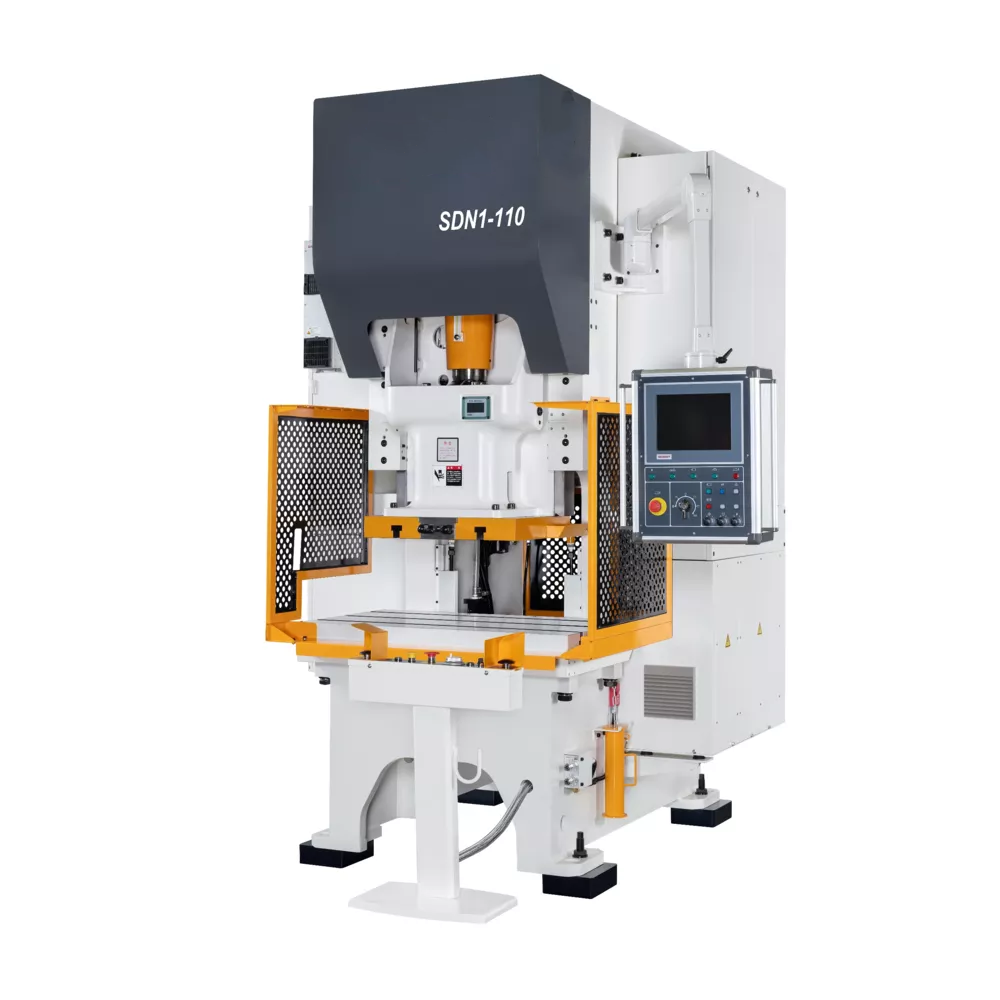
High-end CNC turret punch presses represent the top tier of the market, with prices ranging from $80,000 to over $300,000. These machines are designed for high-volume production, featuring automatic tool changers, high-speed indexing, and advanced software integration. The investment here is justified by the drastic reduction in labor costs and the ability to handle complex geometries with minimal human intervention.
Used machinery provides an alternative entry point, often priced at 40% to 70% of the original cost. However, the price of a used machine is heavily dependent on its service history, the condition of the hydraulic or servo systems, and the availability of spare parts. Buyers must weigh the lower upfront cost against the potential for increased maintenance expenses and downtime.
Main Cost Drivers in Punching Machinery
Several technical factors dictate the final price of a punching machine. The most prominent driver is the drive system. Mechanical presses are generally cheaper but offer less control over the stroke profile. Hydraulic systems provide consistent force throughout the stroke, which is critical for thicker materials, while servo-electric systems—the gold standard—offer unmatched energy efficiency, speed, and precision, commanding a premium price.
Tonnage capacity is another critical cost factor. A machine designed to punch 10mm steel plate requires a much more robust frame and a more powerful hydraulic or servo system than one designed for 3mm sheet metal. As the tonnage requirement increases, the cost of the machine scales non-linearly due to the need for reinforced structural components and higher-grade materials to prevent deflection during the punching process.
The complexity of the tool-changing system significantly impacts the price. A simple single-station punch is the most affordable, but it requires manual tool changes, which creates bottlenecks in production. Conversely, a turret punch press with 20 to 40 stations allows for rapid tool indexing, significantly increasing throughput. The more stations and the faster the indexing speed, the higher the machine’s price tag.
Software and control systems are often overlooked but are major cost drivers. Modern CNC controllers from manufacturers like Fanuc or Siemens, combined with proprietary nesting and programming software, add significant value. These systems allow for optimized material usage, reduced scrap rates, and seamless integration with CAD/CAM workflows, which are essential for competitive modern fabrication.
Configuration Impact: Custom vs. Standard
When evaluating the Punching Machine Price Metal Fabrication: New, Used, Custom Options, the decision between a standard off-the-shelf machine and a custom-configured unit is pivotal. Standard machines are mass-produced, leading to lower costs and faster delivery times. They are designed to meet the needs of the average fabricator and are perfectly suitable for standard hole punching, louvers, and simple forming tasks.
Custom configurations, however, are tailored to specific production requirements. This might include extended throat depths for larger sheets, specialized clamping systems for non-standard material shapes, or integrated loading and unloading automation. While these customizations increase the initial investment, they often provide a competitive advantage by enabling the production of unique parts that standard machines cannot handle.
Customization also extends to the tooling interface. Some fabricators require proprietary die sets or specific quick-change systems that reduce setup times for high-mix, low-volume production. When requesting a quote for a custom machine, it is vital to provide detailed specifications regarding material types, thicknesses, and the specific geometries of the parts to be produced to ensure the machine is not over-engineered or under-powered.
It is important to note that custom machines often have longer lead times. Manufacturers must design, test, and integrate these specific features, which can add months to the delivery schedule. For businesses with immediate production needs, a standard machine with modular add-ons might be a more pragmatic choice than a fully bespoke system.
التكاليف الخفية: ما وراء سعر الشراء
The purchase price is only the beginning of the total cost of ownership. Installation and commissioning are significant hidden costs. Large CNC punching machines often require specialized flooring, such as reinforced concrete pads, to handle the weight and vibration. Additionally, electrical upgrades, pneumatic lines, and hydraulic fluid management systems must be factored into the initial budget.
Training is another essential investment. Operating a modern CNC punching machine requires skilled personnel who understand both the mechanical aspects and the software programming. If your current staff is not trained on the specific controller or software, you will need to budget for professional training sessions, which can cost several thousand dollars but are vital for maximizing machine uptime and safety.
Maintenance and spare parts represent ongoing operational costs. High-performance machines require regular lubrication, filter changes, and software updates. Furthermore, tooling wear is inevitable. Depending on the material being punched, punches and dies will need to be sharpened or replaced periodically. A comprehensive maintenance contract with the manufacturer or a local service provider can help manage these costs but should be factored into your annual operating budget.
Energy consumption is a factor that varies significantly between older mechanical machines and modern servo-electric systems. While a cheaper, older machine might have a lower purchase price, its energy inefficiency can lead to higher monthly utility bills. Over the course of five to ten years, the energy savings of a more expensive, efficient machine can often offset the initial price difference.
حساب العائد على الاستثمار: تبرير الاستثمار
Calculating the Return on Investment (ROI) for a punching machine requires a thorough analysis of your current production bottlenecks. Start by measuring the time spent on manual operations, such as layout, drilling, or sawing. If a new punching machine can reduce the cycle time per part by 50%, the labor savings alone can often justify the investment within two to three years.
Consider the reduction in scrap rates. Modern CNC punching machines, when paired with efficient nesting software, can significantly increase material utilization. By minimizing the skeleton waste between parts, you reduce raw material costs—a major expense in metal fabrication. Calculate the cost of the material saved over a year to see how it contributes to the ROI.
Increased production capacity is another factor. If your current equipment is at capacity, you are likely turning away work or paying for outsourcing. A new machine allows you to take on more complex projects, increase your throughput, and potentially enter new markets. This revenue growth should be included in your ROI projections, not just the cost savings.
Finally, consider the resale value. High-quality, well-maintained punching machines from reputable brands hold their value significantly better than generic or poorly maintained equipment. When calculating the total cost of ownership, subtract the estimated resale value at the end of your planned usage period (e.g., 7-10 years) to get a more accurate picture of the net cost.
Buying Advice: Making the Right Choice
Before finalizing your purchase, conduct a thorough audit of your production needs. Are you primarily punching thin sheet metal, or do you frequently work with heavy plates? Do you need high-speed production for long runs, or is your shop focused on custom, one-off parts? Answering these questions will help you narrow down the type of machine that fits your business model.
Always request a demonstration or a test run. If possible, bring your own material and CAD files to the manufacturer’s facility. Seeing the machine in action, observing its speed, accuracy, and ease of programming, is far more valuable than reading a brochure. Pay attention to how the machine handles the material and how easy it is to change tools.
Check the availability of local support and spare parts. A machine is only as good as the service behind it. If a critical component fails, you need a technician who can arrive quickly and parts that are readily available. Research the manufacturer’s reputation for after-sales support and read reviews from other fabricators in your region.
Lastly, do not ignore the software ecosystem. The machine’s controller should be compatible with your existing CAD/CAM software. If the machine requires a proprietary, difficult-to-learn software, you may face a steep learning curve that hampers productivity. Look for machines that offer open integration or support industry-standard file formats to ensure a smooth workflow.
الأسئلة الشائعة (FAQ)
- ما هو العمر الافتراضي النموذجي لماكينة التثقيب CNC؟ With proper maintenance, a high-quality CNC punching machine can last 15 to 20 years. However, the control system may need upgrading after 10 years to keep up with modern software requirements.
- Is it better to buy a new or used punching machine? If you have the budget and need high reliability and the latest technology, new is better. If you are a startup or have limited capital, a well-maintained used machine can be a great value, provided you have a reliable technician to service it.
- How often do I need to sharpen the punch and die? This depends on the material type, thickness, and the number of hits. Generally, you should inspect your tooling every 5,000 to 10,000 hits. Harder materials will require more frequent sharpening.
- Can I use a punching machine for forming tasks? Yes, many modern punching machines can perform forming operations like louvers, embossments, and countersinks using specialized tooling, which adds significant versatility to your shop.
- What are the main safety considerations? Modern machines come with light curtains, safety interlocks, and emergency stops. Always ensure operators are trained in these safety protocols and that the machine is operated within its rated tonnage capacity.


