The Role of Press Brakes in Industrial Equipment Manufacturing: A Comprehensive Guide


Introduction: The Backbone of Modern Fabrication
In the expansive world of industrial equipment manufacturing, precision and structural integrity are non-negotiable. At the heart of this manufacturing ecosystem lies the press brake, a machine that has evolved from simple manual leverage tools to highly sophisticated, computer-controlled powerhouses. The role of press brakes in industrial equipment manufacturing is foundational; without these machines, the complex enclosures, structural frames, and precision components that define modern machinery would be impossible to produce at scale.
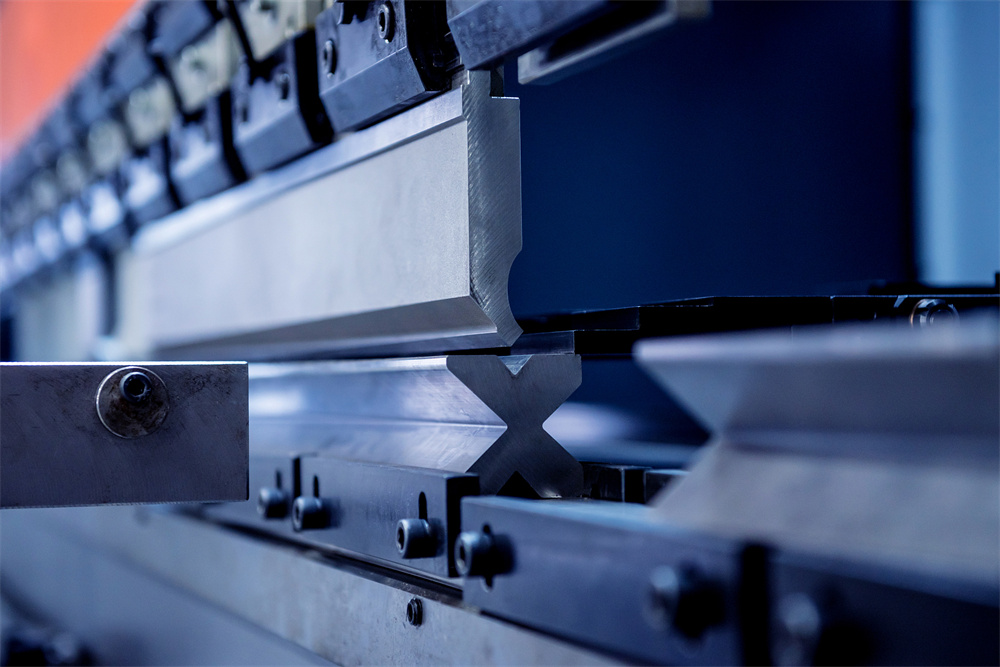
A press brake is essentially a machine tool designed for bending sheet and plate material, most commonly sheet metal. By clamping the workpiece between a matching punch and die, the machine exerts immense force to create precise bends at predetermined angles. In the context of industrial equipment, this process is vital for creating the chassis of heavy machinery, protective housings for sensitive electronics, and structural supports that hold massive industrial systems together.
As industries shift toward Industry 4.0, the role of these machines has expanded. Modern press brakes are no longer just bending tools; they are integrated nodes in a digital manufacturing network. They provide real-time data, ensure repeatability within microns, and significantly reduce material waste. For manufacturers looking to maintain a competitive edge, understanding the capabilities and strategic importance of the press brake is the first step toward operational excellence.
HARSLE, as a leader in metal fabrication solutions, recognizes that the press brake is the primary driver of throughput in any fabrication shop. Whether it is a small batch of custom parts or a high-volume production run for agricultural or construction equipment, the press brake dictates the speed, quality, and cost-effectiveness of the entire production line. This article explores the multifaceted impact of these machines on the industrial landscape.
Key Considerations in Industrial Bending
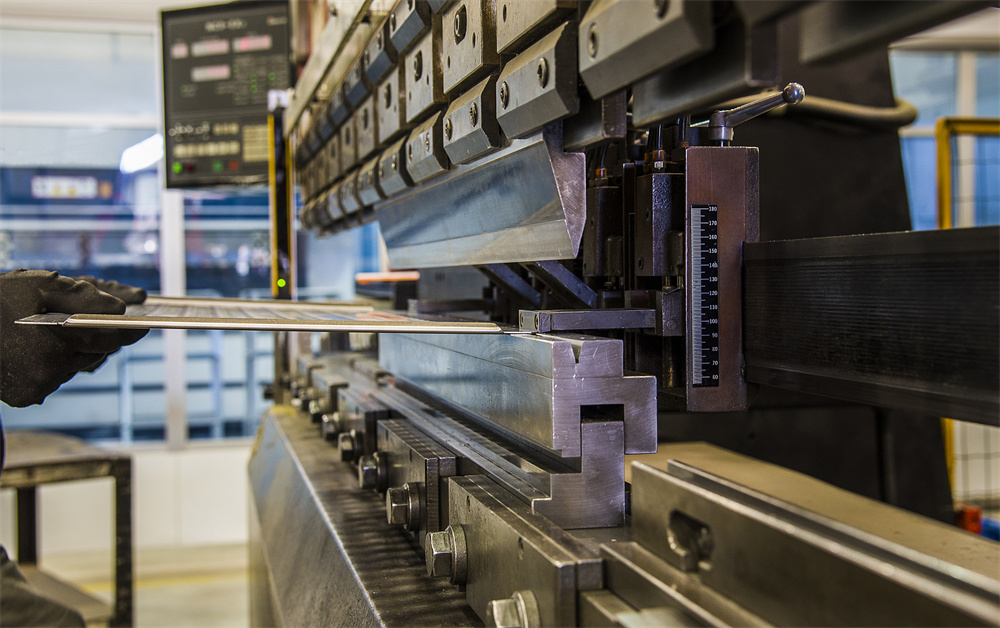
When integrating a press brake into an industrial manufacturing workflow, several key considerations must be addressed to ensure efficiency. The first is material versatility. Industrial equipment often utilizes a wide range of materials, from mild steel and stainless steel to high-strength aluminum alloys. A high-quality press brake must be capable of handling varying tensile strengths and thicknesses without compromising the integrity of the bend.
Another critical factor is the bending accuracy and repeatability. In industrial equipment manufacturing, parts are often designed to fit together with tight tolerances. If a press brake lacks the precision to maintain consistent bend angles across a production run, the downstream assembly process will suffer. This leads to increased labor costs, rework, and potential failure of the final equipment. Modern CNC-controlled press brakes mitigate this by using advanced crowning systems and laser angle measurement tools.
Throughput and cycle time are also paramount. In a competitive manufacturing environment, the speed at which a machine can move from one bend to the next—and the ease with which an operator can program complex sequences—directly impacts the bottom line. Features such as high-speed backgauges, automatic tool changers, and intuitive HMI (Human-Machine Interface) software are essential for minimizing non-productive time.
Finally, safety and ergonomics cannot be overlooked. Industrial equipment manufacturing involves handling large, heavy, and potentially sharp metal sheets. Modern press brakes are equipped with advanced light curtains, laser safety sensors, and ergonomic loading systems that protect the operator while maintaining high production speeds. Investing in safety is not just a regulatory requirement; it is a strategy to ensure long-term productivity and employee retention.
Technical Details: How Modern Press Brakes Function
The technical architecture of a press brake is a marvel of mechanical and hydraulic engineering. At its core, the machine consists of a frame, a bed, a ram, and a backgauge system. The frame must be rigid enough to withstand the immense tonnage required for bending without deflecting. HARSLE utilizes high-strength steel frames that are stress-relieved to ensure long-term stability and precision under heavy load.
The hydraulic system is the heart of the machine. Modern systems use proportional valves and high-precision encoders to control the ram’s position with incredible accuracy. This allows for multi-axis control, where the machine can adjust the bending force across the entire length of the bed to compensate for material variations. This is particularly important when bending long, thin sheets that might otherwise bow in the center.
The backgauge system is perhaps the most critical component for accuracy. A multi-axis backgauge (often 4, 6, or even 8 axes) allows the operator to position the workpiece precisely in three-dimensional space. This enables the creation of complex, multi-bend parts in a single setup. By automating the positioning of the sheet, the backgauge reduces the reliance on operator skill and significantly speeds up the production cycle.
Software integration is the final piece of the technical puzzle. Modern press brakes are equipped with 3D offline programming software. This allows engineers to simulate the bending process before a single piece of metal is cut. The software can detect potential collisions, calculate the required tonnage, and generate the optimal bending sequence. This digital-first approach reduces setup time and eliminates the trial-and-error phase that once plagued traditional fabrication shops.
Selection Advice: Choosing the Right Machine for Your Needs
Selecting the right press brake for industrial equipment manufacturing is a significant capital investment. The first step is to define your production requirements. Are you producing small, intricate parts or large, heavy-duty structural components? The tonnage capacity and bed length are the primary specifications to determine. A common mistake is to select a machine that is just barely capable of handling your current maximum thickness; it is always advisable to have a 20% buffer in tonnage to extend the life of the machine and handle unexpected material variations.
Consider the level of automation required. If your production involves high-mix, low-volume runs, a machine with quick-change tooling and intuitive software is essential. Conversely, if you are engaged in high-volume, repetitive production, investing in robotic bending cells can drastically reduce labor costs and increase consistency. HARSLE offers a range of solutions, from entry-level CNC machines to fully automated robotic cells, tailored to specific production needs.
Evaluate the support and service infrastructure of the manufacturer. A press brake is a long-term asset. You need a partner who provides comprehensive training, readily available spare parts, and responsive technical support. Downtime in an industrial manufacturing environment is extremely costly; therefore, the reliability of the machine and the quality of the after-sales service are just as important as the machine’s technical specifications.
Finally, look at the total cost of ownership. This includes energy consumption, maintenance requirements, and the cost of tooling. Modern electric or hybrid press brakes can offer significant energy savings compared to traditional hydraulic machines. While the initial investment might be higher, the long-term operational savings and improved precision often make them the more economical choice for modern industrial equipment manufacturers.
FAQ: Frequently Asked Questions
- What is the primary role of a press brake in industrial manufacturing? The press brake is used to bend sheet metal into precise shapes, which are then assembled into the frames, housings, and components of industrial machinery.
- How do I determine the required tonnage for my press brake? Tonnage is determined by the material thickness, the length of the bend, and the V-die opening size. HARSLE provides tonnage charts to assist with these calculations.
- Why is CNC control important for press brakes? CNC control ensures high repeatability, allows for complex multi-bend sequences, and integrates with CAD/CAM software to streamline the production process.
- How often should a press brake be maintained? Regular maintenance, including hydraulic oil checks, filter replacements, and lubrication of moving parts, should be performed according to the manufacturer’s schedule, typically every 6 to 12 months.
- Can a press brake handle different types of metal? Yes, but the machine must be configured with the correct tooling and pressure settings to account for the different yield strengths of materials like stainless steel, aluminum, and mild steel.
Conclusion: Investing in the Future of Fabrication
The role of press brakes in industrial equipment manufacturing is evolving, but its importance remains constant. As the industry demands higher precision, faster turnaround times, and more complex designs, the press brake stands as the essential tool that makes these advancements possible. By choosing the right equipment, focusing on technical precision, and embracing modern automation, manufacturers can ensure that their production lines remain efficient and competitive.
HARSLE is committed to providing the metal fabrication industry with the tools necessary to succeed. Our range of press brakes is designed to meet the rigorous demands of industrial equipment manufacturing, combining robust mechanical design with cutting-edge control technology. Whether you are upgrading your existing facility or setting up a new production line, understanding the strategic value of your press brake is the key to unlocking new levels of productivity and quality.
As you look toward the future, consider how your bending operations can be optimized. From integrating 3D simulation software to exploring the benefits of robotic automation, there are countless ways to enhance your manufacturing capabilities. The press brake is more than just a machine; it is the foundation upon which the future of industrial equipment is built. Partnering with a trusted manufacturer like HARSLE ensures that you have the support and technology needed to lead in your market.