Mastering Press Brake Applications for Stamping and Metal Forming Shops: A Comprehensive Guide


Introduction to Press Brake Applications in Modern Manufacturing
In the competitive landscape of modern metal fabrication, the versatility of equipment is the cornerstone of profitability. For stamping and metal forming shops, the press brake is not merely an auxiliary tool; it is a fundamental asset that bridges the gap between raw sheet metal and complex, high-precision components. As shops strive to reduce lead times and increase material utilization, understanding the full scope of press brake applications becomes essential for operational success.
HARSLE has long been at the forefront of providing high-performance metal fabrication equipment designed to meet the rigorous demands of industrial environments. Whether you are dealing with high-volume production runs or intricate, low-volume custom parts, the modern press brake offers a level of control and repeatability that was previously unattainable. This guide explores how these machines integrate into stamping workflows, enhancing the capabilities of metal forming shops worldwide.
The evolution of press brake technology—from manual mechanical systems to advanced CNC-controlled hydraulic and electric models—has transformed how shops approach bending. Today, integration with CAD/CAM software allows for seamless transitions from design to production, minimizing errors and material waste. By leveraging these advancements, metal forming shops can expand their service offerings, taking on projects that require tighter tolerances and more complex geometries.
As we delve into the technical nuances of press brake applications, it is important to recognize that the machine is only as effective as the strategy behind its use. From tool selection to material handling, every decision impacts the final output. This article serves as a comprehensive resource for shop owners, engineers, and operators looking to optimize their bending processes and achieve superior results in their metal forming operations.
Key Considerations for Integrating Press Brakes into Stamping Shops
Integrating a press brake into a stamping-heavy environment requires a strategic approach to workflow management. Stamping shops often focus on high-speed, repetitive production, whereas press brakes offer a more flexible, multi-purpose solution. The key is to identify where the press brake can augment stamping processes—such as handling secondary operations, prototyping, or producing low-volume parts that would be cost-prohibitive to tool for a stamping press.
Material thickness and type are primary considerations. Unlike stamping presses that rely on fixed dies, press brakes utilize adjustable tooling to accommodate varying material gauges. Shops must evaluate the tonnage requirements based on the material’s yield strength and the length of the bend. HARSLE’s range of hydraulic press brakes provides the necessary force to handle diverse materials, from thin-gauge aluminum to heavy-duty structural steel, ensuring that the shop remains versatile.
Another critical factor is the integration of automation. In high-output shops, manual loading and unloading can become a bottleneck. Modern press brakes can be equipped with robotic interfaces, allowing for lights-out manufacturing. This not only increases throughput but also ensures consistent quality by eliminating human error in part positioning. For shops looking to scale, investing in automation-ready equipment is a forward-thinking move that pays dividends in long-term efficiency.
Space optimization and shop layout also play a significant role. A press brake should be positioned to minimize material handling distance. In a stamping shop, this might mean placing the brake near the shearing or laser cutting station to create an efficient production cell. By streamlining the flow of materials, shops can significantly reduce work-in-progress (WIP) inventory and improve overall turnaround times for customer orders.
Technical Details: Precision and Control in Metal Forming
The technical superiority of modern press brakes lies in their control systems and hydraulic synchronization. HARSLE machines utilize advanced CNC controllers that manage Y1 and Y2 axes independently, ensuring that the ram remains perfectly parallel to the bed throughout the bending cycle. This level of precision is vital for achieving consistent bend angles, especially when working with materials that exhibit spring-back characteristics.
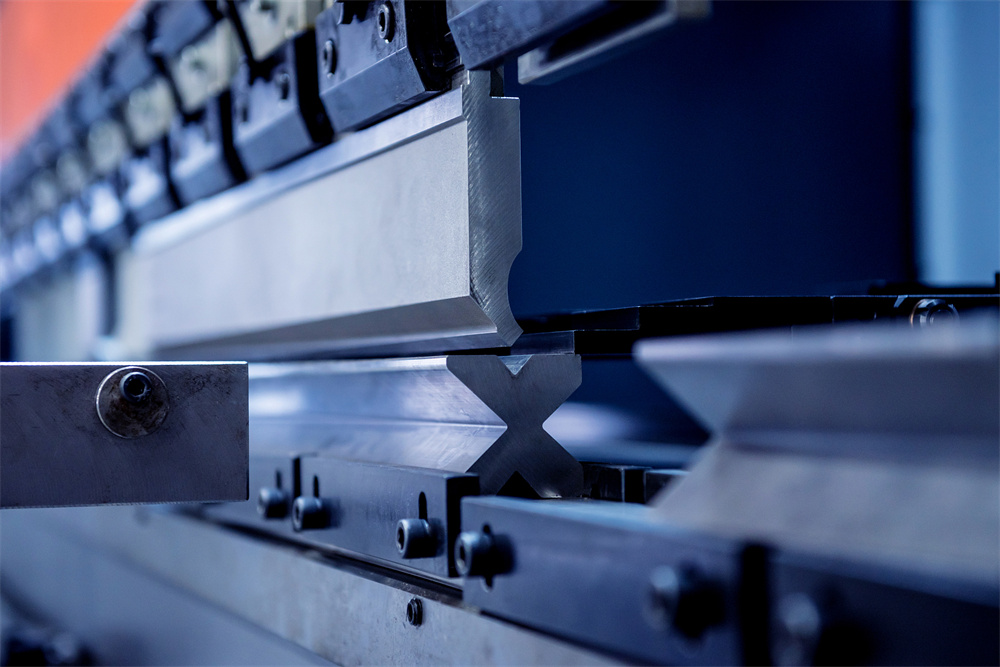
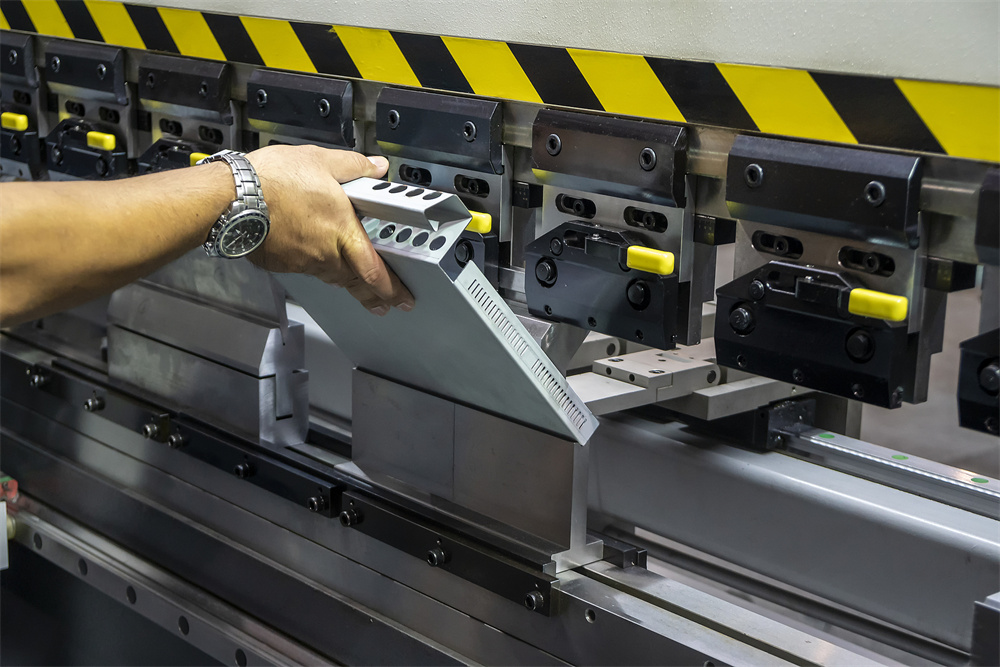
Tooling selection is the heart of precision bending. The choice of punch and die geometry dictates the minimum bend radius and the overall quality of the part. For stamping shops, it is often beneficial to maintain a comprehensive library of standard tooling, including gooseneck punches and multi-V dies. These tools allow for the creation of complex profiles, such as deep channels or offset bends, which are common in industrial enclosures and structural components.
Backgauge technology has also seen significant advancements. Modern backgauges are multi-axis systems that can position the workpiece with micron-level accuracy. This allows for complex, multi-stage bending sequences where the part is repositioned automatically between hits. For shops producing parts with multiple flanges, these automated backgauges are indispensable for maintaining accuracy across all bends, preventing the accumulation of errors that can lead to scrap.
Furthermore, crowning systems are essential for maintaining bend consistency across the entire length of the machine. As the press brake applies force, the bed and ram naturally deflect. HARSLE’s hydraulic or mechanical crowning systems compensate for this deflection, ensuring that the bend angle remains uniform from one end of the workpiece to the other. This is particularly important when bending long, thin sheets where even minor variations can lead to significant part distortion.
Selection Advice: Choosing the Right Equipment for Your Shop
Selecting the right press brake is a significant capital investment that requires careful analysis of your shop’s current and future needs. Start by auditing your existing part mix. Are you primarily bending small, intricate parts, or are you handling large-scale structural components? The tonnage and bed length of the machine should be dictated by your most demanding parts, while the control system should be chosen based on the complexity of the geometries you intend to produce.
Consider the energy efficiency of the machine. Hydraulic press brakes are known for their power and reliability, but newer hybrid and electric models offer significant energy savings and faster cycle times. If your shop operates on a high-volume, continuous basis, the lower operating costs of an electric or hybrid system may justify the higher initial investment. HARSLE offers a range of configurations to suit different operational budgets and energy requirements.
Evaluate the support and service infrastructure provided by the manufacturer. A press brake is a long-term asset, and access to spare parts, technical support, and training is crucial. HARSLE prides itself on providing comprehensive after-sales support, ensuring that your equipment remains operational and productive throughout its lifecycle. When comparing options, look for manufacturers that offer remote diagnostics and local service teams to minimize potential downtime.
Finally, do not overlook the importance of operator training. Even the most advanced CNC press brake requires a skilled operator to maximize its potential. Invest in training programs that cover not only the operation of the machine but also the principles of metal forming, tool maintenance, and safety protocols. A well-trained team is the most valuable asset in any metal fabrication shop, turning high-end machinery into high-quality products.
FAQ: Common Questions About Press Brake Applications
- What is the difference between a mechanical and a hydraulic press brake? Mechanical brakes use a flywheel and clutch system, which is fast but lacks the control and safety features of modern hydraulic systems. Hydraulic press brakes offer superior precision, adjustable tonnage, and better safety, making them the industry standard for modern shops.
- How do I calculate the required tonnage for a bend? Tonnage is calculated based on the material thickness, the length of the bend, and the V-opening of the die. HARSLE provides tonnage charts and software tools to help operators determine the correct force for every job, preventing machine overload and ensuring safety.
- What is spring-back and how can I compensate for it? Spring-back occurs when the metal attempts to return to its original shape after the bending force is removed. Modern CNC controllers allow for angle correction, where the machine over-bends the material slightly to account for the material’s elasticity, ensuring the final angle is correct.
- Can a press brake be used for tasks other than bending? Yes, with the right tooling, press brakes can be used for punching, hemming, and even light forming operations. This versatility makes them an excellent addition to any metal forming shop.
- How often should I perform maintenance on my press brake? Regular maintenance, including checking hydraulic fluid levels, inspecting seals, and cleaning the backgauge, should be performed according to the manufacturer’s schedule. Daily inspections and annual professional servicing are recommended to ensure longevity.
Conclusion: Driving Growth with HARSLE Technology
The integration of press brakes into stamping and metal forming shops represents a strategic move toward greater flexibility and precision. By understanding the technical requirements, selecting the right equipment, and investing in operator expertise, shops can unlock new revenue streams and improve their competitive edge. HARSLE remains committed to empowering manufacturers with the tools they need to succeed in an ever-evolving industrial landscape.
As you evaluate your shop’s capabilities, remember that the goal is to create a seamless workflow where technology supports craftsmanship. Whether you are looking to upgrade your existing fleet or expand your operations, HARSLE’s range of press brakes offers the reliability, precision, and performance required to meet the challenges of modern metal fabrication. Embrace the future of metal forming by choosing equipment that is built for excellence and designed for growth.
For further information on our specific models or to consult with our engineering team regarding your shop’s unique requirements, please contact HARSLE today. We are dedicated to providing the industrial machinery solutions that drive your business forward, ensuring that every bend is a testament to quality and precision.