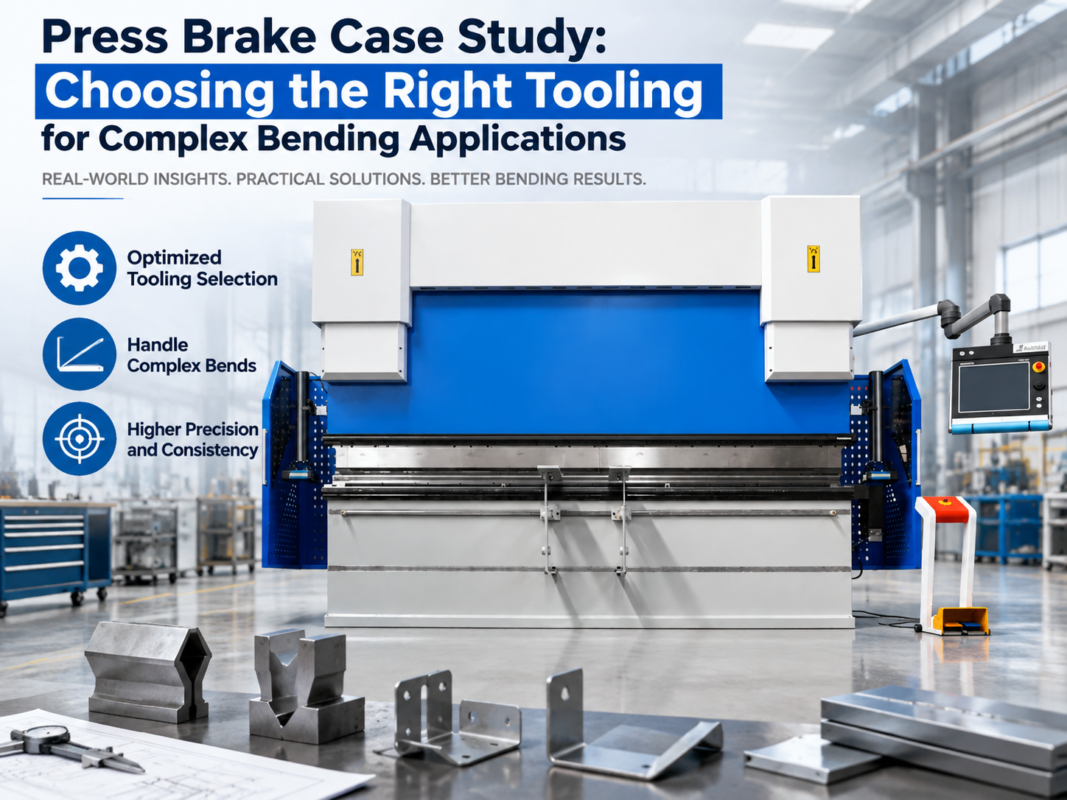
Common Press Brake Wear Parts and When to Replace Them: A Comprehensive Maintenance Guide


The Critical Importance of Press Brake Maintenance
In the high-stakes world of metal fabrication, the press brake stands as the backbone of production. Whether you are operating a high-precision CNC synchronized hydraulic press brake or a standard mechanical unit, the consistency of your output depends entirely on the health of your machine. Understanding common press brake wear parts and when to replace them is not merely a suggestion; it is a fundamental requirement for operational longevity and safety. Neglecting these components leads to inconsistent bend angles, increased scrap rates, and, in worst-case scenarios, catastrophic equipment failure that can halt your entire production line.
Maintenance is often viewed as a cost center, but in reality, it is a profit protector. When components like seals, punches, and dies begin to degrade, the machine works harder to achieve the same results, consuming more energy and placing undue stress on the hydraulic and electrical systems. By proactively monitoring wear, you transition from reactive repairs—which are always expensive and time-consuming—to a scheduled maintenance model that maximizes uptime.
Furthermore, safety is paramount in any metal fabrication environment. A press brake operating with worn-out clamping systems or degraded hydraulic valves poses a significant risk to operators. Worn parts can cause unpredictable machine behavior, such as drifting backgauges or inconsistent ram positioning. By adhering to a strict maintenance schedule, you ensure that your HARSLE equipment remains within its original safety specifications, protecting your workforce and your investment.
Finally, the quality of your finished product is directly tied to the condition of your tooling and mechanical components. Even the most advanced CNC controller cannot compensate for a chipped punch or a worn-out die radius. To maintain the high-tolerance bends required by modern industrial applications, you must treat maintenance as a core component of your quality assurance program. This guide will walk you through the essential checks and replacement timelines required to keep your machinery running at peak efficiency.
Daily Inspection Protocols for Press Brake Longevity
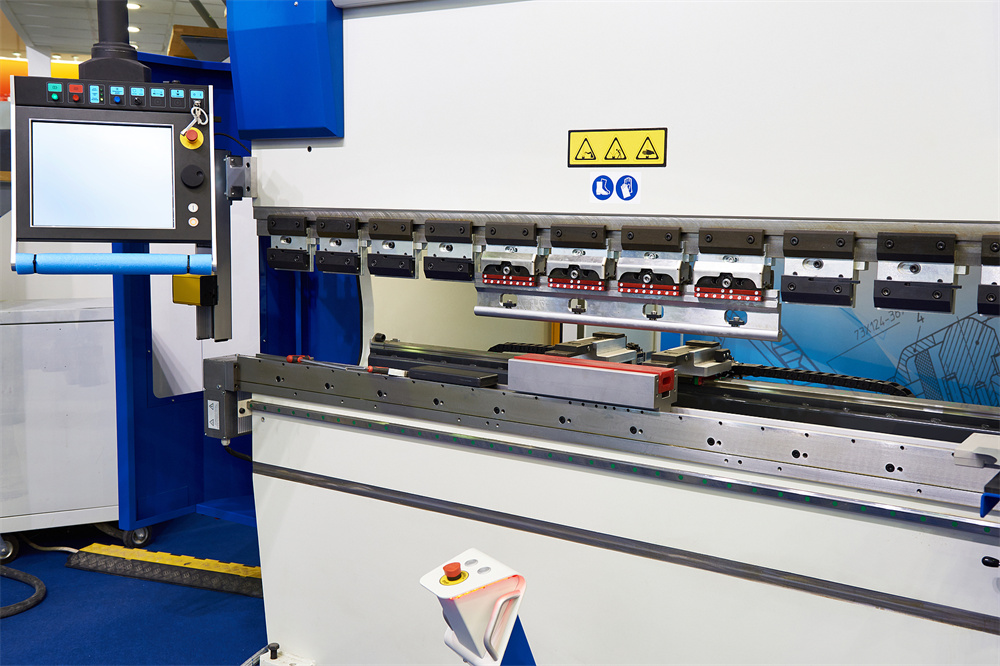
The first line of defense against machine failure is a rigorous daily inspection routine. Before the start of every shift, operators should perform a visual and functional walk-around. This check should focus on the cleanliness of the machine, the integrity of the tooling, and the responsiveness of the safety systems. A clean machine is easier to inspect; debris, metal shavings, and excess oil can hide cracks or leaks that would otherwise be visible.
Begin by inspecting the press brake tooling. Check the punch and die for any signs of chipping, galling, or uneven wear. Even minor imperfections in the tooling surface can transfer to the workpiece, resulting in surface defects that require secondary finishing. If you notice any metal buildup on the die radius, it must be cleaned immediately to prevent marking the material during the bending process.
Next, evaluate the hydraulic system for any signs of external leaks. Check the hoses, fittings, and cylinder seals. Even a small “weeping” leak can indicate a failing seal that will eventually lead to a pressure drop. Ensure that the oil level is within the manufacturer’s specified range and that the oil temperature is within normal operating parameters. If the oil appears cloudy or dark, it may be contaminated and require immediate attention.
Finally, test the emergency stop buttons and light curtains. These safety devices are the most critical components of your press brake. If the light curtain fails to trigger a stop or if the emergency stop button is sluggish, the machine must be locked out immediately. Never operate a press brake with bypassed or malfunctioning safety equipment, as this is the leading cause of industrial accidents in the metal fabrication sector.
Hydraulic, Electrical, and Mechanical Checks
Beyond daily inspections, a deeper dive into the machine’s core systems is necessary to identify wear before it becomes a failure. The hydraulic system is the heart of the press brake. Over time, hydraulic oil degrades due to heat and oxidation. It is recommended to perform a full oil analysis annually to check for particulate matter or water contamination. If the oil has lost its viscosity or shows signs of breakdown, it must be replaced to prevent damage to the hydraulic pump and valves.
Electrical systems require periodic checks of the control cabinet and wiring. Dust buildup in the electrical cabinet can lead to overheating of the PLC and drive components. Use compressed air to carefully clean the interior of the cabinet, ensuring that all connections are tight and free from corrosion. Check the cooling fans for the electrical cabinet; if a fan fails, the internal temperature can spike, leading to premature failure of sensitive electronic boards.
Mechanical components, particularly the backgauge system and the ram guides, are subject to significant wear. The backgauge fingers and lead screws should be cleaned and lubricated regularly. If you notice play or “slop” in the backgauge positioning, it may indicate that the ball screw or the guide rails have reached the end of their service life. Replacing these components early prevents the accumulation of positioning errors that would otherwise ruin expensive workpieces.
The ram guides (or gibs) are responsible for maintaining the alignment of the upper beam. Over time, these guides can wear, leading to a loss of parallelism between the punch and die. This is often manifested as inconsistent bend angles across the length of the bed. Periodically check the clearance of the gibs and adjust them according to the HARSLE service manual. If the guides are severely worn, they must be replaced to restore the machine’s original accuracy.
Developing a Comprehensive Lubrication Plan
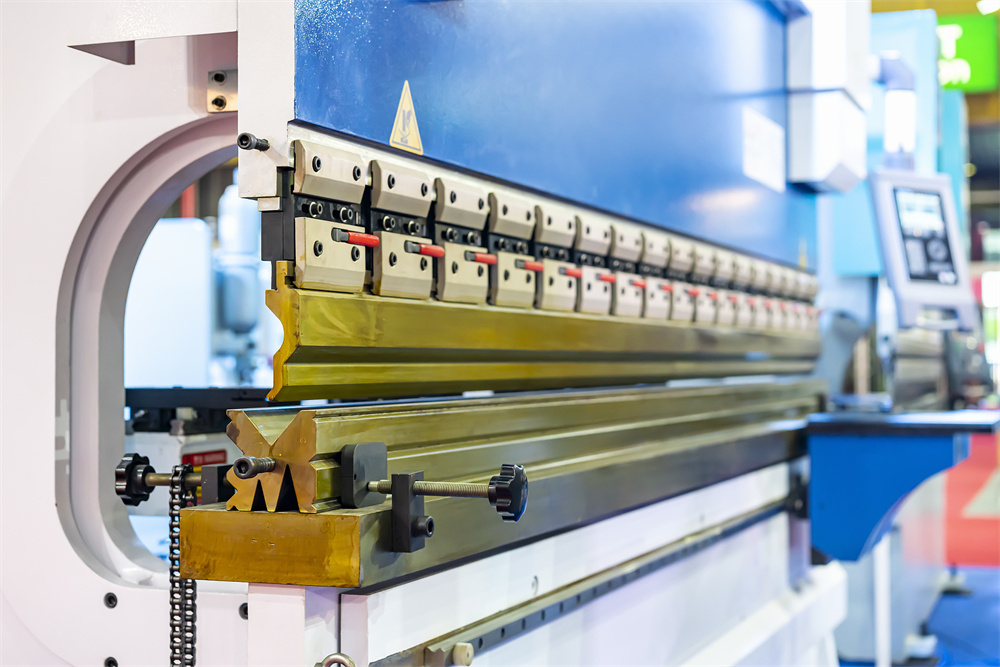
Lubrication is the lifeblood of any industrial machine. A well-structured lubrication plan is essential for minimizing friction and preventing the premature wear of moving parts. For a press brake, this includes the ram guides, the backgauge lead screws, and the pivot points of the mechanical linkages. Using the correct grade of lubricant is just as important as the frequency of application; always refer to the HARSLE lubrication chart for specific requirements.
The ram guides should be lubricated at the intervals specified by the manufacturer. If the machine is equipped with an automatic lubrication system, verify that the pump is functioning correctly and that all lines are clear. If the system is manual, ensure that the grease points are cleaned before applying new lubricant to prevent the introduction of contaminants into the bearing surfaces.
The backgauge system often operates in a harsh environment filled with metal dust. This dust can mix with grease to form an abrasive paste that accelerates wear on the lead screws and linear bearings. Regularly wipe down the backgauge rails and apply a thin, clean layer of lubricant. Avoid over-lubricating, as excess grease can attract more dust and debris, creating a cycle of contamination.
Finally, keep a detailed log of all lubrication activities. This log serves as a historical record that can be invaluable for troubleshooting. If a component fails, the maintenance log will tell you whether the failure was due to a lack of lubrication or an underlying mechanical issue. By treating lubrication as a scheduled task rather than an afterthought, you can significantly extend the life of your press brake components.
Troubleshooting Signals: When to Replace Parts
Recognizing the signs of wear is the key to effective maintenance. One of the most common indicators is a change in the machine’s sound. A hydraulic pump that is whining or a ram that is shuddering during its stroke often points to air in the system, low oil levels, or failing seals. Do not ignore these auditory cues; they are the machine’s way of asking for help.
Another major signal is a decline in bend accuracy. If you find that you are constantly adjusting your CNC program to compensate for variations in the bend angle, it is time to inspect the machine’s structural components. Check the parallelism of the ram, the condition of the crowning system, and the wear on the punch and die. If the tooling is worn, the radius of the bend will change, leading to inconsistent results.
Electrical issues often manifest as intermittent errors on the CNC controller. If the machine frequently throws “communication error” or “positioning error” codes, check the wiring harnesses and the encoders. Worn cables, particularly those that flex during the ram’s movement, are prone to internal breakage. Replacing these cables before they fail completely can save you from unexpected downtime.
Lastly, pay attention to the physical condition of the seals and gaskets. If you see oil pooling around the cylinders or the hydraulic block, the seals have likely hardened or cracked. While a small leak might seem manageable, it is a precursor to a major hydraulic failure. Replace these seals at the first sign of leakage to maintain system pressure and prevent environmental contamination.
Maintenance Schedule Table
| Component | Action | Frequency |
|---|---|---|
| Tooling (Punch/Die) | Inspect for chips/wear | Daily |
| Hydraulic Oil Level | Check and top up | Daily |
| Safety Systems | Test E-stop/Light curtains | Daily |
| Ram Guides | Lubricate and adjust | Monthly |
| Backgauge System | Clean and lubricate | Weekly |
| Hydraulic Oil | Analyze/Replace | Annually |
| Electrical Cabinet | Clean and inspect | Quarterly |
| Hydraulic Seals | Inspect for leaks | Monthly |
Frequently Asked Questions (FAQ)
How often should I replace my press brake tooling?
Tooling replacement depends on the material thickness, the type of material being bent, and the frequency of use. Inspect your tooling daily for signs of galling or chipping. If the bend quality is no longer meeting your tolerances, it is time to replace or regrind the tooling.
What is the most common cause of press brake failure?
The most common cause is a lack of consistent maintenance, specifically regarding hydraulic system cleanliness and lubrication of moving parts. Contaminated oil and dry guide rails are the primary culprits behind premature component failure.
Can I use any hydraulic oil in my HARSLE press brake?
No. You must use the specific grade of hydraulic oil recommended in your HARSLE operation manual. Using the wrong viscosity can lead to sluggish performance, overheating, and damage to the hydraulic pump.
How do I know if my ram guides are worn?
If you notice inconsistent bend angles across the length of the bed, or if the ram makes a grinding noise during movement, your ram guides may be worn or out of adjustment. Consult your service manual for the proper clearance specifications.
Is it necessary to keep a maintenance log?
Yes. A maintenance log is essential for tracking the health of your machine, planning for future repairs, and maintaining warranty compliance. It also helps in identifying recurring issues that may require a more permanent solution.
What should I do if my light curtain fails?
Stop the machine immediately, lock it out, and do not resume operation until the light curtain has been repaired or replaced by a qualified technician. Never bypass safety systems under any circumstances.