
Used Vs New Press Brake: Price Cost-Conscious Buyers Guide


Used Vs New Press Brake: Price Cost-Conscious Buyers Guide
For metal fabrication shops, the press brake is the heartbeat of the production floor. When the time comes to scale operations or replace aging equipment, the debate between purchasing a brand-new machine and opting for a pre-owned unit is a critical financial crossroads. For cost-conscious buyers, the decision is rarely just about the sticker price; it is about the total cost of ownership, operational reliability, and long-term return on investment (ROI). This guide explores the nuances of the used vs new press brake price cost-conscious buyers must navigate to ensure their shop remains competitive.
Price Range Overview
The price disparity between new and used press brakes is significant, often ranging from 30% to 60% depending on the age, brand, and technological sophistication of the unit. A brand-new entry-level CNC hydraulic press brake might start in the $30,000 to $50,000 range, while high-end, multi-axis machines with advanced automation can easily exceed $250,000. Conversely, a used machine from a reputable manufacturer might be acquired for $15,000 to $40,000, offering a lower barrier to entry for smaller shops.
However, the initial purchase price is only the tip of the iceberg. New machines come with the security of a manufacturer’s warranty, predictable maintenance schedules, and the latest software updates. Used machines, while cheaper upfront, often require immediate capital expenditure for refurbishment, tooling upgrades, or control system retrofits. Buyers must weigh the immediate cash flow benefit of a used machine against the potential for downtime and repair costs that can quickly erode those initial savings.
Market trends also play a role in pricing. During economic downturns, the secondary market is often flooded with high-quality machines from shops closing down, driving prices down. Conversely, in a booming economy, the demand for new machinery increases lead times, making used equipment a more attractive, albeit more expensive, option due to high demand. Understanding these market cycles is essential for any cost-conscious buyer looking to maximize their budget.
Ultimately, the “right” price is determined by the machine’s ability to generate revenue. If a used machine requires constant repairs, its effective cost per part increases significantly. A new machine, while more expensive, offers higher uptime and faster cycle times, which can lead to a lower cost per part over the machine’s lifespan. Buyers should look beyond the invoice and calculate the total cost of ownership over a five-year period.
Main Cost Drivers
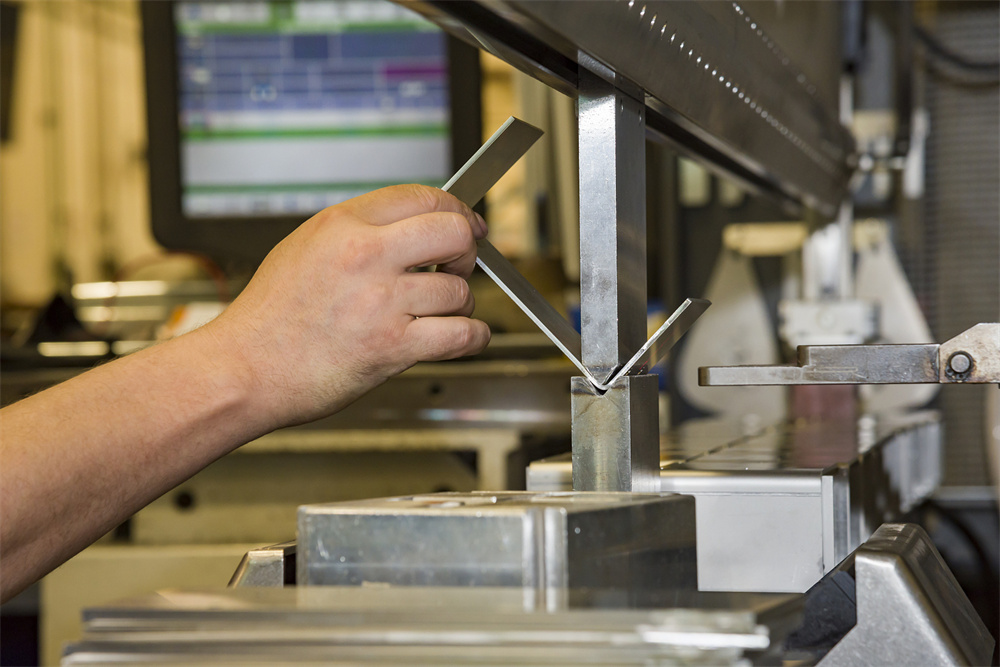
Several factors dictate the price of a press brake, whether new or used. The most prominent driver is the tonnage capacity. Higher tonnage machines require more robust frames, larger hydraulic cylinders, and more powerful motors, all of which drive up the cost. Buyers should avoid the temptation to over-buy capacity; while a 200-ton machine offers versatility, it is a waste of capital if your typical work only requires 80 tons of force.
The length of the bed is another critical cost driver. Longer beds allow for larger parts but require more precision in the frame construction to prevent deflection during bending. A 10-foot bed is standard, but moving to 12 or 14 feet significantly increases the material and engineering costs. For used buyers, finding a machine with the exact bed length required for your specific product mix is key to avoiding unnecessary costs.
Control systems are perhaps the most significant differentiator in modern press brakes. CNC (Computer Numerical Control) systems have evolved rapidly. A new machine features intuitive, high-speed controllers that integrate with CAD/CAM software, reducing setup time and minimizing scrap rates. A used machine might have an outdated controller that is difficult to program, requires specialized training, or lacks modern safety features, necessitating a costly retrofit.
Finally, the brand reputation and build quality impact both the purchase price and the resale value. Tier-one manufacturers build machines designed to last decades, which keeps their used market value high. While these machines are more expensive, they are often more reliable and easier to service. Cost-conscious buyers should prioritize build quality over “bargain” brands that may lack parts availability or technical support in the long run.
Configuration Impact
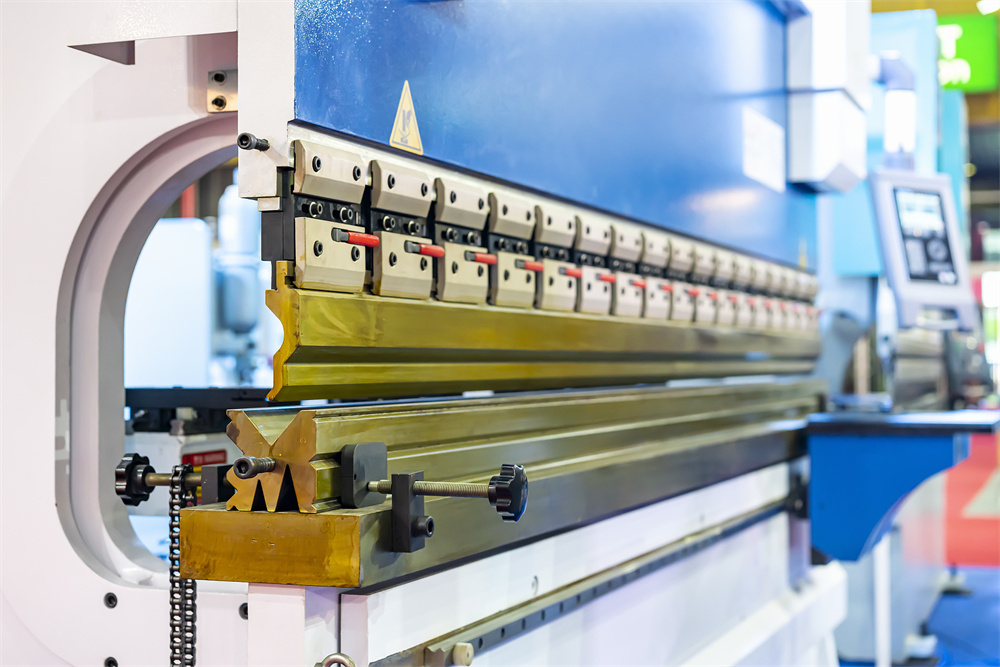
The configuration of a press brake—specifically the number of axes—drastically changes the price and the capability of the machine. A basic 2-axis machine (Y1, Y2) is significantly cheaper than a 6-axis or 8-axis machine. The additional axes control the backgauge and crowning, allowing for complex bends and higher precision. For shops doing simple, repetitive work, a lower-axis machine is a cost-effective choice.
However, if your shop handles complex geometries or high-mix, low-volume production, the investment in a multi-axis machine is often justified. The time saved in setup and the reduction in manual adjustments can pay for the price difference within a few years. When buying used, ensure that the axes are functional and that the backgauge system is not worn, as these are expensive components to repair or replace.
Tooling compatibility is another configuration factor. Modern press brakes often use European-style or American-style precision ground tooling. If you already have a significant investment in tooling, buying a machine that requires a different style will force you to purchase an entirely new set of tools, adding thousands to your total cost. Always check the clamping system and the tool profile before finalizing a purchase.
Safety configurations, such as light curtains, laser guarding, and safety PLCs, are non-negotiable in modern fabrication. While new machines come with these integrated, used machines may lack them. Retrofitting a used press brake with modern safety systems is a significant cost that must be factored into the budget. Never compromise on safety to save money, as the cost of a workplace accident far outweighs the price of a new machine.
Hidden Costs
When comparing used vs new press brake prices, buyers often overlook the “hidden” costs associated with installation and integration. A new machine usually comes with installation support, training, and a warranty. A used machine, however, must be dismantled, transported, re-installed, and leveled by the buyer. These logistics can easily add several thousand dollars to the purchase price.
Maintenance and spare parts are another hidden expense. Older machines may have proprietary components that are no longer manufactured, forcing you to source expensive custom parts or perform costly retrofits. Before buying a used machine, check the availability of service manuals, electrical schematics, and common wear parts like seals, valves, and electronic boards.
Energy efficiency is an often-ignored cost factor. Modern servo-hydraulic or electric press brakes consume significantly less power than older, traditional hydraulic machines that run a pump continuously. Over several years of operation, the energy savings of a new, efficient machine can offset a portion of the higher purchase price. Calculate your shop’s energy costs and compare the power consumption ratings of the machines you are considering.
Finally, consider the cost of training. If your operators are used to a specific brand or type of controller, switching to a different system—especially an older, less intuitive one—will result in a temporary dip in productivity. Factor in the time and cost required to get your team up to speed on the new equipment. A machine that is easy to use and program will always be more cost-effective in the long run than a complex, outdated one.
ROI Calculation
To make an informed decision, you must perform a formal ROI calculation. Start by determining the total cost of ownership (TCO) for both options. For a new machine, TCO includes the purchase price, financing interest, and maintenance contracts. For a used machine, TCO includes the purchase price, shipping, installation, immediate repairs, and an estimated annual maintenance budget.
Next, estimate the productivity gains. A new machine with faster approach and return speeds, combined with modern CNC software, can increase output by 20% to 40%. Calculate the value of this additional production capacity. If the new machine allows you to take on more complex jobs or reduce your scrap rate, these savings should be credited against the higher purchase price.
Consider the tax implications. In many jurisdictions, new equipment purchases qualify for accelerated depreciation or tax credits, which can significantly reduce the net cost of the investment. Consult with your accountant to see how these incentives apply to your business. Often, the tax benefits of buying new make the price gap between new and used much smaller than it appears on paper.
Finally, factor in the resale value. A well-maintained, brand-name press brake will hold its value much better than an off-brand or heavily used machine. If you plan to upgrade again in 5 to 10 years, the higher resale value of a quality new machine can be a significant offset to the initial investment. Use a spreadsheet to model these variables over a 5-year horizon to see which option provides the best financial outcome for your shop.
Buying Advice
If you decide to buy new, prioritize manufacturers that offer strong local support and parts availability. HARSLE, for instance, provides comprehensive support and a wide range of configurations to suit different shop sizes. Ensure the machine is sized correctly for your current and projected workload, and don’t be afraid to ask for a demonstration or a list of references from other shops using the same model.
If you choose to buy used, perform a thorough inspection. Check the frame for cracks, the hydraulic system for leaks, and the ram for parallelism. Ask for the machine’s maintenance history and, if possible, see it in operation. If you are not an expert, hire a qualified technician to inspect the machine before you commit to the purchase. A few hundred dollars spent on an inspection can save you from a multi-thousand-dollar mistake.
Consider the “middle ground” of refurbished equipment. Some dealers specialize in rebuilding press brakes, replacing worn components, and upgrading the control systems. These machines offer a balance between the lower cost of used equipment and the reliability of new machinery. They often come with a limited warranty, providing some peace of mind that a private-party sale cannot offer.
Ultimately, the best choice depends on your shop’s specific needs and financial situation. If you are a startup with limited capital, a well-vetted used machine might be the only way to get started. If you are an established shop looking to improve efficiency and reduce downtime, the long-term benefits of a new machine are almost always worth the investment. Take your time, do your research, and focus on the total value rather than just the initial price tag.
FAQ
- How long does a typical press brake last? With proper maintenance, a high-quality press brake can last 20 to 30 years or more.
- Is it worth retrofitting an old press brake? It depends on the condition of the frame. If the frame is solid, a control system retrofit can modernize the machine, but it is often more cost-effective to buy a new machine if the hydraulics and mechanical components are also worn.
- What is the most important feature to look for? Precision and repeatability are paramount. A machine that cannot hold a bend angle consistently will result in high scrap rates and wasted labor.
- How often should a press brake be serviced? Routine maintenance should be performed every 6 months to a year, depending on usage. This includes changing hydraulic oil, checking filters, and inspecting the ram and backgauge.
- Can I use new tooling on an old press brake? Yes, provided the clamping system is compatible. Many modern tooling systems are designed to be retrofitted onto older machines.


