Case Study: Upgrading From Manual to Automatic Punching Machine for Higher Capacity


Introduction
In the competitive landscape of modern metal fabrication, the transition from manual labor to automated systems is no longer just a luxury—it is a necessity for survival. Many small-to-medium enterprises (SMEs) start their journey with manual punching presses, which offer simplicity and low initial investment. However, as order volumes grow and the demand for precision increases, these manual systems often become the primary bottleneck in the production line. This article explores a comprehensive Case Study: Upgrading From Manual to Automatic Punching Machine for Higher Capacity, analyzing the technical, financial, and operational shifts that occur during this critical transition.
The shift toward automation is driven by the need for repeatability, speed, and reduced human error. Manual punching requires significant physical exertion and constant operator attention, leading to fatigue and inconsistent output. By contrast, an automatic CNC punching machine integrates software-driven precision with high-speed mechanical performance. This transition allows fabricators to handle complex geometries, nested patterns, and high-volume runs that were previously impossible or prohibitively expensive to produce manually.
HARSLE has observed numerous clients who have successfully navigated this transition. By replacing outdated manual setups with advanced CNC punching solutions, these businesses have reported capacity increases of up to 300% within the first six months. This article serves as an industrial guide for shop owners and production managers considering this pivotal upgrade, detailing the technical requirements, selection criteria, and long-term benefits of moving to automated punching technology.
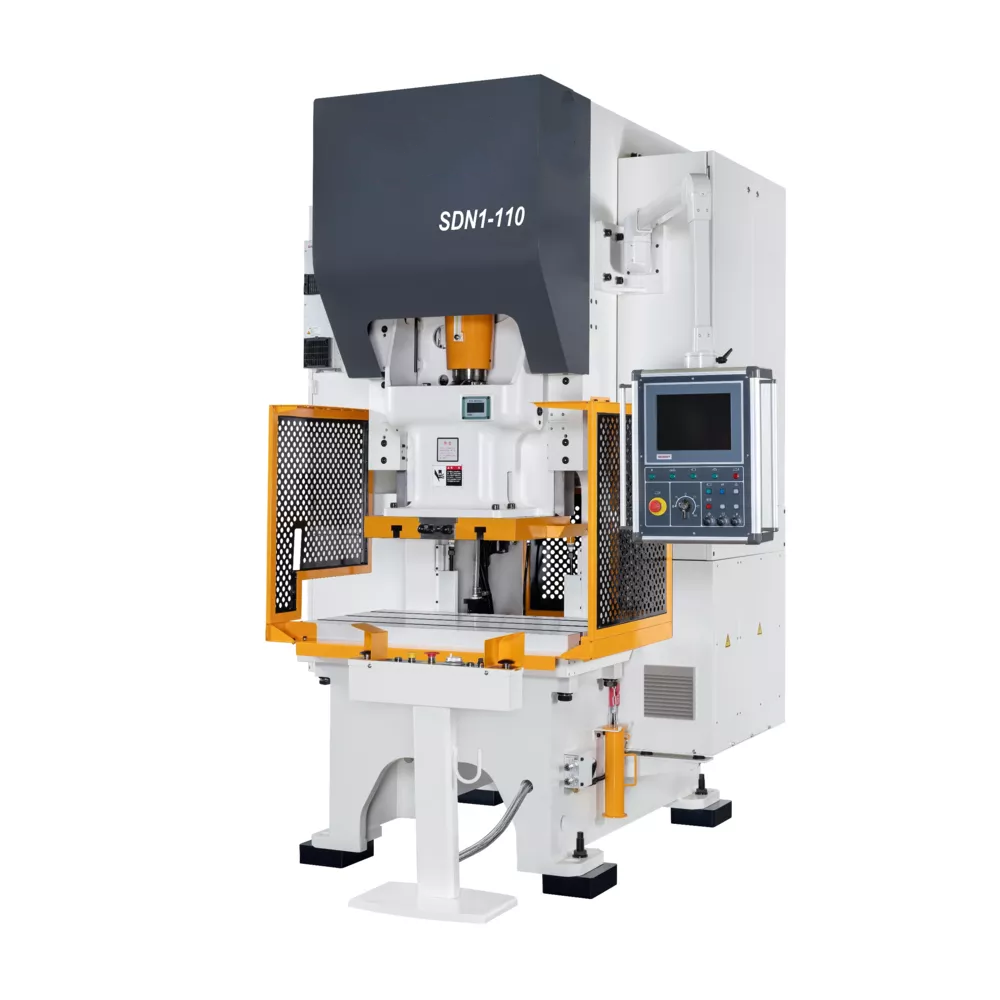
Key Considerations for Upgrading
Before committing to an upgrade, it is essential to conduct a thorough audit of your current production environment. The primary driver for this upgrade is usually the inability to meet delivery deadlines due to manual throughput limitations. When evaluating the move to an automatic system, consider the total cost of ownership, which includes not just the machine price, but also software integration, operator training, and floor space requirements.
One of the most critical factors is the complexity of the parts being produced. Manual punching is effective for simple, repetitive holes in low-volume batches. However, if your shop is moving toward intricate designs, custom brackets, or large-scale panels, the manual approach becomes inefficient. Automated systems allow for ‘lights-out’ manufacturing, where the machine continues to operate with minimal supervision, significantly increasing the total hours of production per day.
Another consideration is the skill gap. Transitioning from manual to automatic punching requires a shift in workforce capabilities. Your operators will need to move from physical machine handling to software programming and machine monitoring. While this requires an initial investment in training, the long-term benefit is a more skilled workforce capable of managing sophisticated metal fabrication equipment. HARSLE provides comprehensive training programs to ensure that your team is ready to handle the transition smoothly.
Finally, consider the material handling aspect. Manual punching often involves moving heavy sheets by hand, which is a safety risk and a time sink. Automatic punching machines can be integrated with automated loading and unloading systems, further reducing the physical burden on staff and minimizing downtime between sheets. This holistic approach to automation is what truly unlocks higher capacity and profitability.
Technical Details of the Transition
The technical leap from a manual press to a CNC-controlled automatic punching machine is significant. Manual machines typically rely on mechanical stops and physical templates, which are prone to wear and misalignment. In contrast, CNC punching machines utilize high-precision servo-driven systems that ensure every hole is placed with sub-millimeter accuracy. This level of precision is vital for industries such as aerospace, automotive, and electrical enclosure manufacturing.
The heart of the automatic punching machine is the turret or tool changer. While manual machines often require the operator to change tools by hand—a process that can take several minutes—automatic machines feature multi-station turrets that can index tools in a fraction of a second. This capability allows for complex parts to be punched in a single cycle, eliminating the need for secondary operations and reducing the overall lead time for each component.
Software integration is another technical pillar of this upgrade. Modern punching machines utilize CAD/CAM software to translate digital designs directly into machine code. This eliminates the need for manual layout and marking, which are common sources of error in manual fabrication. By simulating the punching process in software, fabricators can optimize the tool path, minimize scrap material, and predict production times with high accuracy before the first sheet is even loaded.
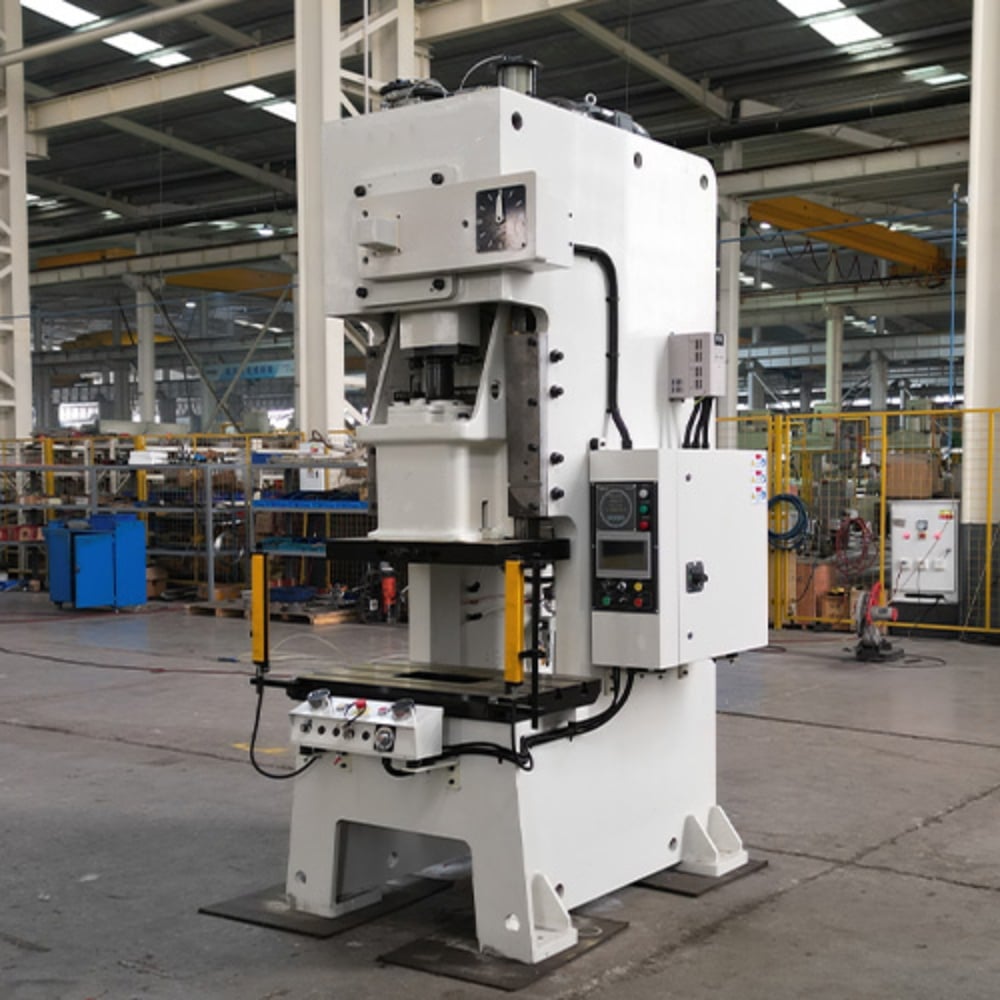
Furthermore, the hydraulic or servo-electric drive systems in modern punching machines offer superior energy efficiency compared to older mechanical presses. These systems provide consistent force throughout the stroke, which improves tool life and reduces the stress on the machine frame. The integration of sensors and diagnostic software also allows for predictive maintenance, alerting operators to tool wear or mechanical issues before they lead to costly downtime.
Selection Advice: Choosing the Right Equipment
Selecting the right automatic punching machine is a strategic decision that should be based on your specific production needs. Start by analyzing your material thickness range and sheet size requirements. A machine that is too small will limit your growth, while one that is oversized may lead to unnecessary energy costs and floor space consumption. HARSLE offers a range of punching solutions tailored to different industrial scales, from compact CNC units to heavy-duty industrial lines.
Evaluate the tool capacity and turret configuration. If your production involves a wide variety of hole shapes and sizes, a machine with a large number of tool stations is essential. Consider whether you need a thick turret or a thin turret system, as this will impact your tooling costs and compatibility with existing inventory. It is often beneficial to choose a machine that supports standard tooling, which ensures a steady supply chain and lower maintenance costs over time.
Look closely at the software compatibility. The best punching machine is only as good as the software that drives it. Ensure that the machine’s controller is compatible with your existing CAD/CAM software or that the manufacturer provides a robust, user-friendly interface. A good controller should allow for easy nesting, which is critical for maximizing material utilization and reducing waste—a key factor in the ROI of your new equipment.
Finally, consider the support and service ecosystem. Purchasing a machine is a long-term partnership. Ensure that the manufacturer provides reliable technical support, spare parts availability, and remote diagnostic capabilities. HARSLE prides itself on offering end-to-end support, from initial consultation and machine selection to installation, training, and ongoing maintenance, ensuring that your investment delivers maximum value for years to come.
FAQ
1. How much capacity increase can I expect when switching to an automatic punching machine?
Most fabricators see a capacity increase of 200% to 400%. This is due to faster cycle times, reduced tool change times, and the ability to run the machine for longer periods with less operator fatigue.
2. Is the software difficult to learn for operators used to manual machines?
While there is a learning curve, modern CNC interfaces are designed to be intuitive. With proper training, operators can typically become proficient in basic programming and machine operation within a few weeks.
3. What are the maintenance requirements for an automatic punching machine?
Automatic machines require regular lubrication, tool inspection, and software updates. However, because they are more precise and have fewer manual adjustments, they often require less frequent mechanical repairs than aging manual presses.
4. Can I integrate an automatic punching machine with my existing production line?
Yes, most modern punching machines are designed to be modular. They can be integrated with automated loading/unloading systems and even linked to other fabrication equipment like press brakes for a seamless workflow.
5. How does an automatic machine help with material waste?
Advanced nesting software calculates the most efficient layout for parts on a sheet, significantly reducing scrap material compared to manual layout methods.
Conclusion
The decision to upgrade from a manual to an automatic punching machine is a transformative step for any metal fabrication business. As demonstrated in this Case Study: Upgrading From Manual to Automatic Punching Machine for Higher Capacity, the benefits extend far beyond simple speed. By embracing automation, fabricators gain the precision, flexibility, and efficiency required to compete in a global market. While the initial investment and the need for training are significant, the long-term gains in productivity, material savings, and product quality provide a clear path to higher profitability. HARSLE remains committed to supporting manufacturers in this transition, providing the high-quality equipment and expert guidance necessary to turn production challenges into competitive advantages.