How a Punching Machine Improved Hole Patterns in Industrial Metal Enclosures: A Comprehensive Guide


Introduction
In the modern landscape of electrical and industrial infrastructure, the demand for high-quality metal enclosures has never been higher. These enclosures serve as the protective backbone for sensitive electronics, power distribution systems, and telecommunications hardware. As the complexity of these systems grows, so does the requirement for precise, repeatable, and aesthetically pleasing hole patterns. This is where the integration of advanced fabrication technology becomes critical. Specifically, how a punching machine improved hole patterns in industrial metal enclosures has become a benchmark for efficiency in the manufacturing sector.
For many years, manufacturers relied on manual drilling or outdated stamping methods that often resulted in burrs, misalignments, and inconsistent spacing. These imperfections not only compromised the structural integrity of the enclosure but also hindered the assembly process of internal components. By transitioning to modern CNC punching technology, fabricators have been able to achieve a level of precision that was previously unattainable. HARSLE, as a leader in metal fabrication equipment, has been at the forefront of this technological shift, providing the tools necessary to revolutionize enclosure production.
The transition to automated punching is not merely about speed; it is about the geometry of the hole patterns themselves. Whether it is ventilation slots, cable entry points, or mounting holes for DIN rails, the accuracy of these features determines the overall quality of the final product. In this article, we will explore the technical nuances of how a punching machine improved hole patterns in industrial metal enclosures and why this upgrade is essential for any competitive fabrication shop.
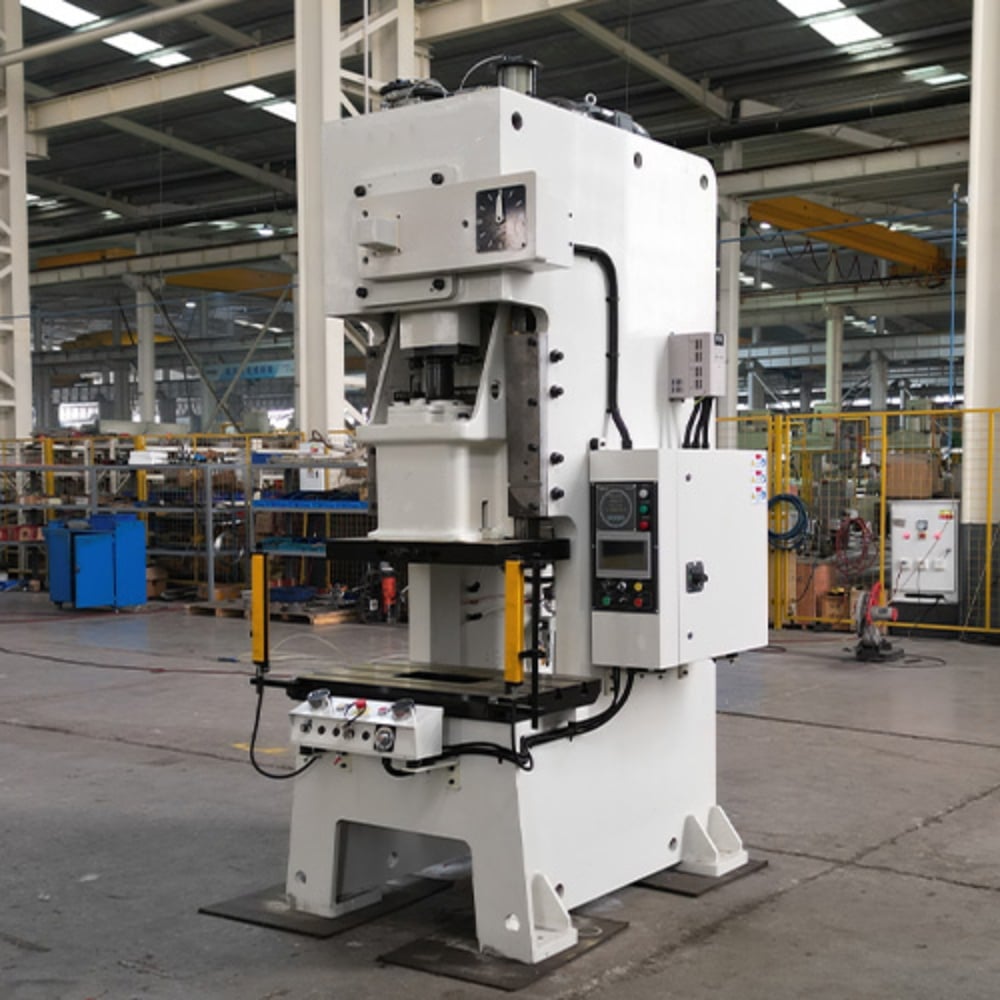
Key Considerations for Enclosure Fabrication
When evaluating the manufacturing process for industrial enclosures, the primary concern is the consistency of the hole patterns. Industrial enclosures often require complex arrays of holes for cooling fans, cable glands, and modular component mounting. If these patterns are slightly off, the entire assembly process slows down, leading to increased labor costs and potential scrap material. A punching machine addresses this by utilizing a rigid, computer-controlled turret system that ensures every hole is placed exactly where the CAD design dictates.
Material thickness and type are also critical factors. Industrial enclosures are frequently manufactured from cold-rolled steel, stainless steel, or aluminum. Each material reacts differently to the punching process. A high-quality punching machine allows for the adjustment of tonnage and stroke speed, ensuring that the material is sheared cleanly without deformation. This is particularly important for thin-gauge sheets that are prone to warping during traditional stamping processes.
Another key consideration is the flexibility of the production line. Modern industrial environments require rapid prototyping and small-batch production. Unlike traditional dies that are expensive and time-consuming to manufacture, a CNC punching machine uses a library of standard tools. This allows manufacturers to switch between different enclosure designs in minutes rather than days. This agility is a major reason why a punching machine improved hole patterns in industrial metal enclosures across the board.
Finally, the reduction of secondary operations is a major benefit. When holes are punched with precision, there is rarely a need for deburring or re-drilling. This streamlines the workflow, allowing the enclosure to move directly from the punching station to the bending and welding stages. By eliminating these bottlenecks, manufacturers can significantly increase their throughput while maintaining a higher standard of quality control.
Technical Details: The Mechanics of Precision
The core of the improvement lies in the CNC (Computer Numerical Control) architecture. A modern punching machine operates by translating digital blueprints into precise X and Y coordinate movements. The turret, which holds a variety of punches and dies, rotates at high speeds to select the correct tool for the specific hole shape. This automation removes the human error associated with manual layout and drilling, ensuring that even the most complex patterns are replicated with sub-millimeter accuracy.
One of the most significant technical advancements is the use of hydraulic or servo-electric drive systems. These systems provide consistent punching force, which is essential for maintaining uniform hole edges. In older mechanical presses, the force could fluctuate, leading to uneven hole diameters or “dished” edges. With modern HARSLE punching machines, the force is controlled via software, allowing for the perfect shear angle and clearance for every specific material thickness.
Tooling technology has also evolved significantly. Modern punches are coated with specialized materials that reduce friction and heat, extending the life of the tool and preventing material galling. This is particularly important when working with stainless steel, which can be difficult to punch cleanly. By maintaining sharp, high-quality tooling, the punching machine ensures that every hole pattern remains crisp and burr-free throughout the entire production run.
Furthermore, the software integration allows for “nesting.” Nesting is the process of arranging multiple parts on a single sheet of metal to minimize waste. By optimizing the layout, the punching machine not only improves the hole patterns but also maximizes material utilization. This dual benefit of precision and efficiency is the hallmark of how a punching machine improved hole patterns in industrial metal enclosures in modern factories.
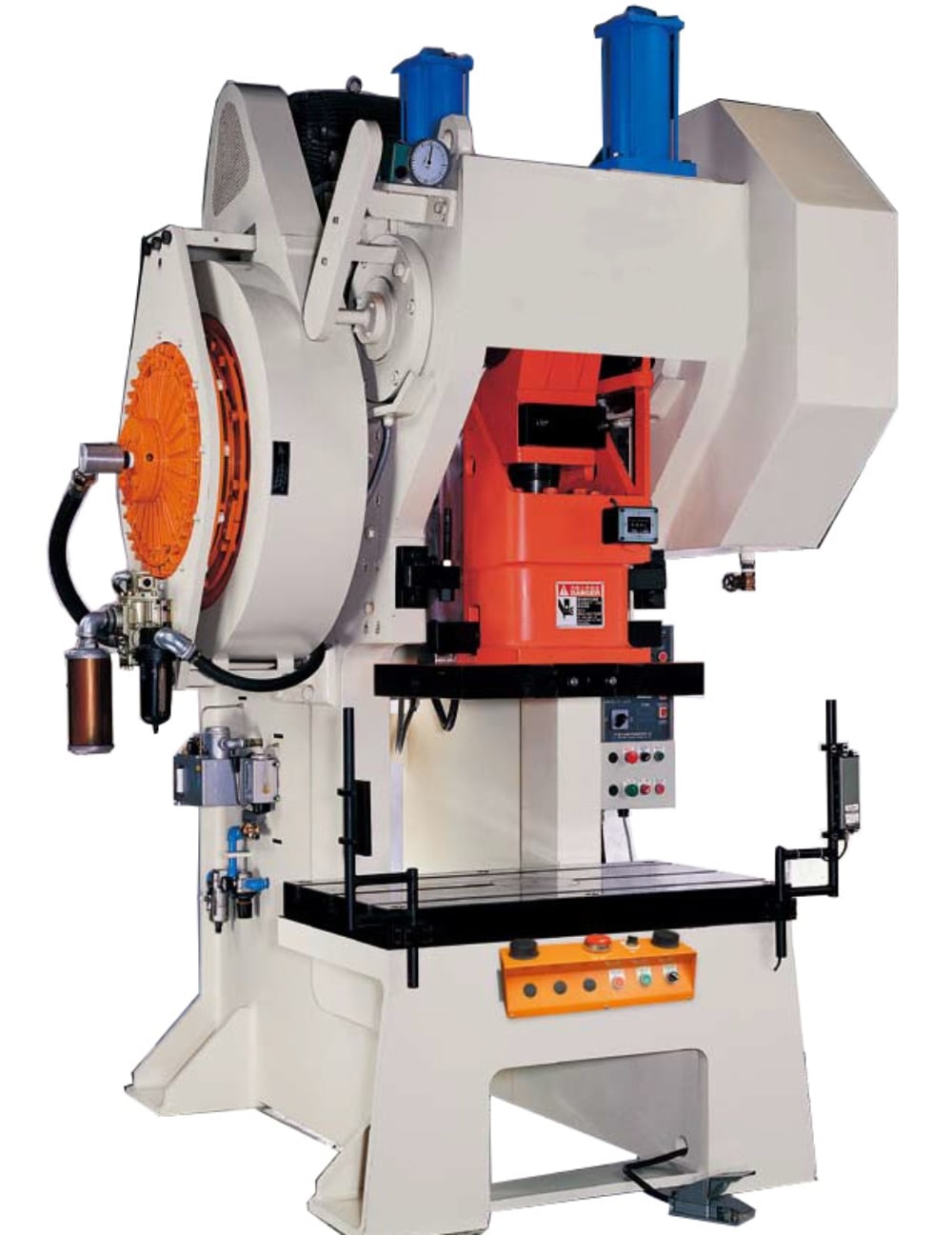
Selection Advice: Choosing the Right Equipment
Selecting the right punching machine for your fabrication shop is a significant investment. The first step is to analyze your current and future production requirements. Are you primarily producing small, modular enclosures, or are you handling large-scale electrical cabinets? The size of the worktable and the throat depth of the machine will dictate the maximum sheet size you can process. It is always advisable to choose a machine with a slightly larger capacity than your current needs to allow for future growth.
Consider the turret configuration. A machine with a larger number of tool stations will allow for more complex hole patterns without the need for frequent tool changes. If your enclosures require a wide variety of hole sizes and shapes, look for a machine that supports auto-indexing stations, which allow the punch to rotate, enabling the creation of complex shapes and angles from a single tool.
The software interface is another critical factor. A user-friendly control system that integrates seamlessly with your existing CAD/CAM software will drastically reduce setup time. HARSLE provides intuitive control panels that allow operators to simulate the punching process before the actual operation begins, preventing costly mistakes and material waste. Always prioritize machines that offer robust technical support and readily available spare parts.
Finally, do not overlook the importance of maintenance and serviceability. A punching machine is a heavy-duty piece of equipment that requires regular lubrication and calibration to maintain its precision. Choose a manufacturer that provides comprehensive training for your operators and a clear maintenance schedule. Investing in a high-quality machine from a reputable brand like HARSLE ensures that your investment will continue to deliver precise hole patterns for years to come.
Frequently Asked Questions
- How does a punching machine differ from a laser cutter for enclosures? While laser cutters are excellent for intricate shapes, punching machines are significantly faster for high-volume production of standard hole patterns and are more cost-effective for simple geometries.
- Can a punching machine handle different metal thicknesses? Yes, modern CNC punching machines are designed to handle a range of thicknesses by adjusting the stroke and tool clearance settings.
- What is the main benefit of using a CNC punching machine? The primary benefit is the combination of high-speed production, extreme repeatability, and the ability to create complex hole patterns without the need for expensive custom dies.
- How often should punching tools be sharpened? Tool life depends on the material being punched and the frequency of use. Regular inspection for wear and timely sharpening are essential for maintaining hole quality.
- Is it difficult to train operators on a HARSLE punching machine? HARSLE machines are designed with user-friendly interfaces, and we provide comprehensive training programs to ensure your team can operate the equipment safely and efficiently.
Conclusion
The evolution of metal fabrication has been defined by the pursuit of precision and efficiency. As we have explored, the impact of modern technology on production workflows is profound. Understanding how a punching machine improved hole patterns in industrial metal enclosures highlights the necessity of moving away from manual, error-prone methods toward automated, high-precision solutions. By investing in the right equipment, fabricators can ensure that their products meet the rigorous standards required by today’s industrial sectors.
HARSLE remains committed to providing the metal fabrication industry with the tools necessary to excel. Our range of punching machines is engineered to deliver the consistency, speed, and reliability that modern manufacturing demands. Whether you are looking to upgrade your existing production line or starting a new facility, the integration of a CNC punching machine is a strategic move that will pay dividends in quality and productivity. As the industry continues to advance, those who embrace these technologies will undoubtedly lead the way in delivering superior industrial metal enclosures.