Step-by-Step Troubleshooting Hydraulic Oil Leaks In Shearing Machines: A Comprehensive HARSLE Guide


Introduction to Hydraulic Integrity in Shearing Machines
In the demanding world of metal fabrication, the hydraulic shearing machine stands as a cornerstone of productivity. As a precision tool, it relies heavily on a complex hydraulic system to exert the immense force required to slice through thick steel plates. However, even the most robust HARSLE shearing machines can encounter operational hurdles, with hydraulic oil leaks being among the most common and critical issues. Understanding how to perform step-by-step troubleshooting hydraulic oil leaks in shearing machines is not just a maintenance task; it is a vital skill for ensuring operator safety, equipment longevity, and production efficiency.
A hydraulic leak is more than just a messy floor; it is a symptom of underlying mechanical stress, seal degradation, or improper maintenance protocols. When hydraulic fluid escapes the closed-loop system, the machine loses pressure, leading to inconsistent cuts, increased energy consumption, and potential damage to internal components. By mastering the diagnostic process, maintenance teams can prevent catastrophic failures and minimize costly downtime. This guide provides a deep dive into identifying, isolating, and resolving these leaks effectively.
At HARSLE, we emphasize that proactive maintenance is the hallmark of a successful fabrication shop. When you notice a drop in performance or a puddle beneath your machine, immediate action is required. This article serves as your definitive manual for navigating the complexities of hydraulic systems, ensuring that your shearing machine remains a reliable asset in your facility for years to come.
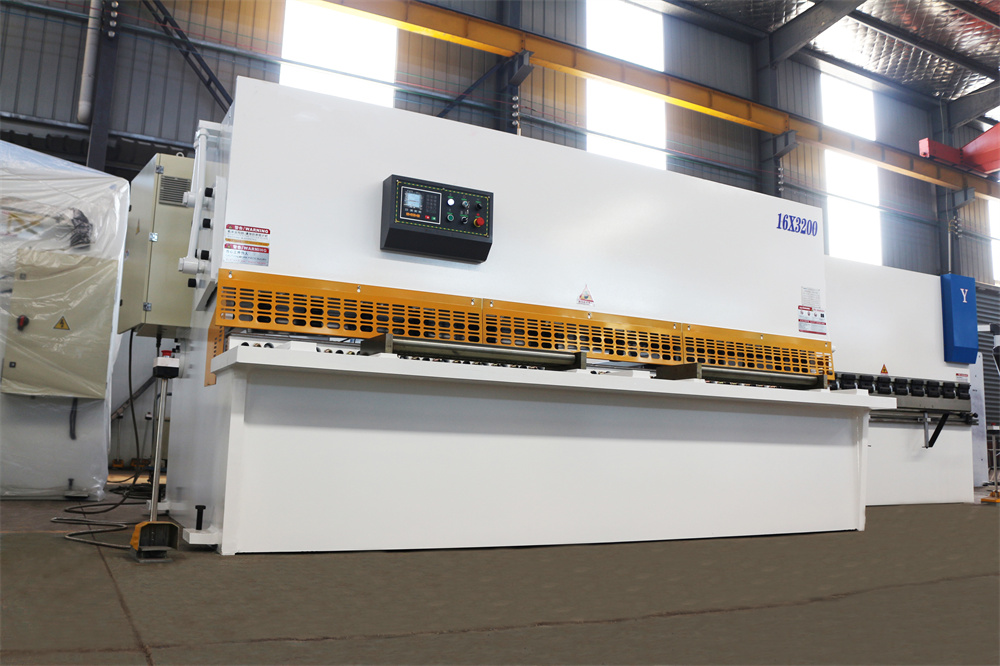
Key Considerations for Hydraulic System Maintenance
Before diving into the mechanical aspects of troubleshooting, it is essential to establish a safety-first mindset. Hydraulic systems operate under extreme pressure, often exceeding 200 bar. Attempting to tighten a fitting or replace a hose while the system is pressurized can lead to high-pressure fluid injection injuries, which are life-threatening. Always ensure the machine is powered down, the hydraulic pressure is bled off, and the system is locked out before beginning any physical inspection.
Environmental factors play a significant role in the health of your hydraulic system. Dust, metal shavings, and extreme temperature fluctuations in a fabrication shop can accelerate the wear of seals and gaskets. Keeping the area around the hydraulic power unit clean is the first step in preventing contaminants from entering the system. Contamination is the silent killer of hydraulic pumps and valves, often leading to internal leaks that are harder to detect than external ones.
Another key consideration is the quality and condition of the hydraulic oil itself. Oil that has exceeded its service life or has been contaminated with water or debris loses its lubricating properties. This causes increased friction within the cylinders and valves, leading to heat buildup. Excessive heat is a primary cause of seal failure, as it hardens the rubber compounds, making them brittle and prone to cracking. Regularly testing your oil and adhering to the manufacturer’s recommended change intervals is a critical preventive measure.
Finally, documentation is your best friend. Maintain a detailed log of all maintenance activities, including oil changes, seal replacements, and pressure readings. By tracking these metrics, you can identify patterns. For instance, if a specific fitting requires tightening every three months, it may indicate a vibration issue or a faulty component that needs to be replaced rather than just adjusted. This data-driven approach is what separates amateur maintenance from professional industrial management.
Technical Details: Step-by-Step Troubleshooting Hydraulic Oil Leaks In Shearing Machines
The process of troubleshooting begins with a systematic visual inspection. Start at the hydraulic power unit (HPU) and follow the lines to the main cylinders. Look for wet spots, drips, or accumulation of oil on the machine frame. Use a clean rag to wipe down suspicious areas; if the oil returns quickly, you have located the source of the leak. Pay close attention to connections, as these are the most common points of failure due to vibration and thermal expansion.
If the leak is not immediately visible, you may need to perform a pressure test. With the machine powered on (and following all safety protocols), observe the system under load. Sometimes, a leak only manifests when the hydraulic pressure reaches its peak during the cutting stroke. Use a flashlight and a mirror to inspect the underside of the cylinders and the rear of the machine where hoses might be rubbing against the frame. Listen for a high-pitched hissing sound, which often indicates a pinhole leak in a hose or a failing seal.
When you identify a leaking fitting, the first step is to check if it is loose. Use the correct size wrench to gently tighten the connection. Do not over-tighten, as this can strip the threads or damage the O-ring seat. If tightening does not stop the leak, the seal or the fitting itself is likely compromised. In this case, you must depressurize the system, remove the fitting, and inspect the threads and the O-ring. If the O-ring is flattened, cracked, or missing, replace it with an OEM-spec part from HARSLE.
For leaks originating from the main cutting cylinders, the issue is often internal seal wear. If the machine is drifting or failing to hold pressure, the piston seals may be bypassing oil. This is a more complex repair that requires disassembling the cylinder. Ensure you have a clean workspace, as even a microscopic piece of grit can ruin a new seal during installation. Always replace the entire seal kit rather than just the damaged seal, as the other seals in the assembly have likely experienced similar wear and will fail soon.
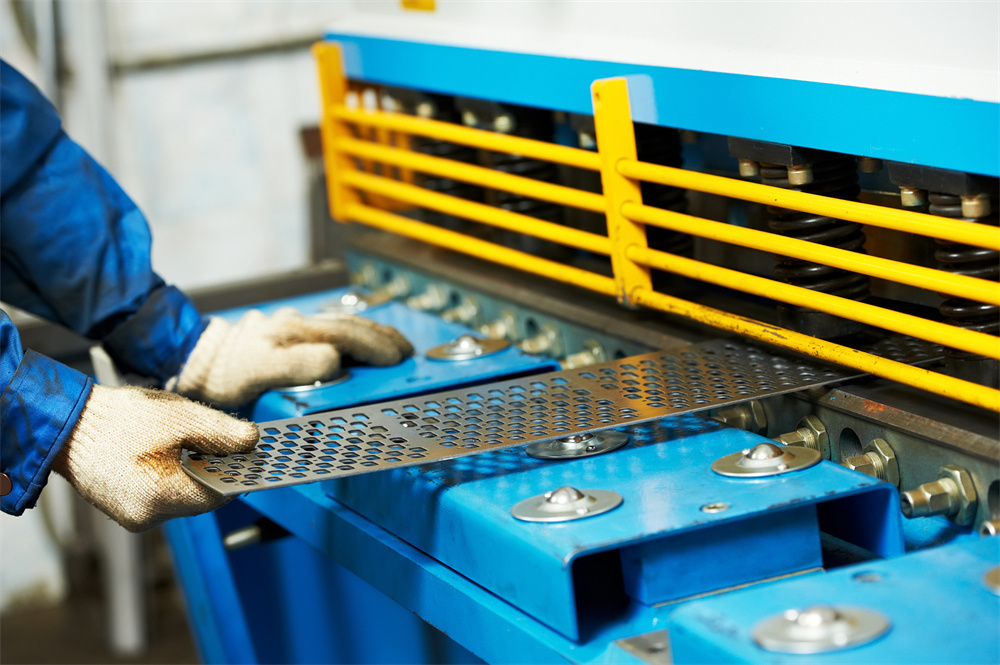
Selection Advice: Choosing the Right Components for Repairs
When it comes to replacing hydraulic components, quality should never be sacrificed for cost. Using generic, low-grade hoses or seals can lead to premature failure, potentially causing a much larger leak or even a burst hose that could damage the machine’s electrical system. Always source replacement parts directly from the manufacturer or an authorized distributor to ensure compatibility with your specific HARSLE model.
Consider the material specifications of your seals. Different hydraulic fluids react differently with various rubber compounds. Ensure that the seals you select are compatible with the viscosity and chemical composition of the hydraulic oil you are using. If you are operating in an environment with high ambient temperatures, look for seals with higher thermal resistance ratings to prevent the hardening issues mentioned earlier.
When selecting hoses, pay attention to the pressure rating. A hose rated for 200 bar might work for a while, but if your system peaks at 250 bar, it will eventually fail. Always choose hoses that exceed the maximum operating pressure of your shearing machine. Additionally, ensure the hose length is correct; a hose that is too short will be under constant tension, while one that is too long may rub against the machine frame, leading to abrasion and eventual rupture.
Finally, consider the installation tools. Using the wrong tools can damage the fittings or the hoses during installation. Invest in a set of high-quality hydraulic wrenches and seal installation tools. These tools are designed to prevent nicks and scratches on the sealing surfaces, which are the primary cause of “weeping” leaks that are difficult to diagnose. Proper installation is just as important as the quality of the part itself.
Frequently Asked Questions (FAQ)
How often should I check for hydraulic leaks?
We recommend a visual inspection at the start of every shift. A more thorough inspection, including checking fluid levels and hose integrity, should be performed weekly as part of your preventive maintenance schedule.
Why does my shearing machine lose pressure during a cut?
Pressure loss is often caused by internal leakage in the cylinder seals or a failing hydraulic pump. If there are no external leaks, the oil is likely bypassing the piston seals, preventing the machine from reaching its full cutting force.
Can I use any hydraulic oil in my HARSLE shearing machine?
No. You must use the hydraulic oil grade specified in your machine’s manual. Using the wrong viscosity can lead to pump cavitation, overheating, and accelerated seal wear.
What should I do if I find a pinhole leak in a high-pressure hose?
Stop the machine immediately. Never attempt to patch a high-pressure hose with tape or sealant. The only safe solution is to replace the hose entirely with a new, rated assembly.
How do I know if a seal is failing?
Signs of seal failure include visible oil weeping around the cylinder rod, a decrease in cutting speed, or the machine failing to return to the top position after a cut.
Conclusion: Maintaining Operational Excellence
Troubleshooting hydraulic oil leaks in shearing machines is a critical component of industrial maintenance. By following the step-by-step procedures outlined in this guide, you can identify issues early, perform effective repairs, and ensure that your HARSLE equipment continues to deliver the precision and power your fabrication business demands. Remember that the goal is not just to fix leaks as they happen, but to understand the root cause of the failure to prevent it from recurring.
Investing time in training your maintenance staff and adhering to a strict preventive maintenance schedule will pay dividends in the form of increased machine uptime and reduced repair costs. A well-maintained shearing machine is the backbone of a productive shop, and by prioritizing hydraulic integrity, you are protecting your investment and ensuring the safety of your team. If you ever encounter a complex issue that exceeds your internal capabilities, do not hesitate to contact the HARSLE technical support team for expert guidance and support.
As you continue to refine your maintenance processes, keep the focus on quality, safety, and documentation. These three pillars will help you navigate the challenges of metal fabrication equipment management with confidence. Thank you for choosing HARSLE, and we look forward to supporting your continued success in the metal fabrication industry.