
How Much Does A Press Brake Cost? A Complete Price Guide For Buyers


Price Range Overview: Understanding the Market
When asking, “How much does a press brake cost? A complete price guide for buyers,” it is essential to understand that the market is segmented by technology, tonnage, and automation levels. For small workshops or hobbyists, entry-level manual or basic hydraulic press brakes can start as low as $5,000 to $15,000. These machines are typically limited in length and force, suitable for light-gauge sheet metal work.
Moving into the mid-range industrial sector, where most job shops operate, prices typically fall between $30,000 and $100,000. These machines usually feature CNC controllers, multi-axis backgauges, and hydraulic crowning systems. They are designed for high-precision, repetitive tasks and offer the versatility required for diverse metal fabrication applications.
For high-end, heavy-duty industrial manufacturing, the investment can easily exceed $200,000 to $500,000. These systems often include robotic integration, automatic tool changers, and massive tonnage capacities capable of bending thick steel plates. The cost is driven by the need for extreme precision, high-speed production, and the ability to handle complex, large-scale geometries.
Ultimately, the price is a reflection of the machine’s capability to reduce labor costs and increase throughput. Buyers must balance their immediate budget constraints with the long-term production requirements of their facility. Investing in a machine that is too small for future growth can be just as costly as over-investing in features that will never be utilized.
Main Cost Drivers: What Influences the Price Tag?
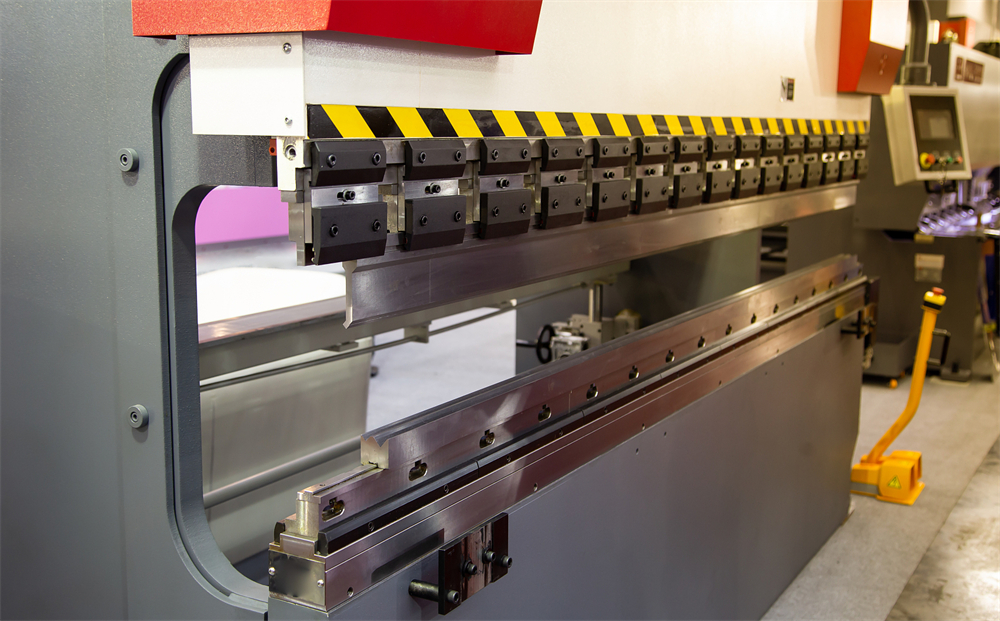
The primary driver of press brake cost is the tonnage capacity. Tonnage refers to the amount of pressure the machine can exert to bend metal. Higher tonnage requires a more robust frame, larger hydraulic cylinders, and more powerful motors, all of which increase the manufacturing cost and the final retail price of the equipment.
Bending length is the second major factor. A machine capable of bending a 10-foot sheet of metal requires a much longer bed and ram than a 4-foot machine. The structural integrity required to maintain precision across a long bed—preventing deflection—adds significant cost to the engineering and material requirements of the press brake.
The level of CNC control and automation significantly impacts the price. A basic machine might have a simple NC controller that only manages the backgauge position. In contrast, a high-end CNC controller can manage multiple axes (Y1, Y2, X, R, Z1, Z2), simulate bending sequences in 3D, and integrate with CAD/CAM software. The software development and the complexity of the electronic components are major cost contributors.
Brand reputation and country of origin also play a role. Established manufacturers with global support networks, like HARSLE, invest heavily in R&D, quality control, and after-sales service. While these machines may have a higher upfront cost compared to unbranded imports, they offer better reliability, parts availability, and resale value, which are critical for industrial operations.
Configuration Impact: Customization and Tooling
Customization is where the price can fluctuate significantly. Many buyers start with a base model and add features such as hydraulic crowning systems, which compensate for bed deflection to ensure consistent bend angles across the entire length of the part. While this is an optional feature on some models, it is essential for high-precision work.
Tooling is another often-overlooked cost. The press brake itself is only half the equation; the punches and dies are what actually shape the metal. High-quality, hardened, and precision-ground tooling can cost thousands of dollars. Depending on the complexity of the parts you intend to produce, you may need specialized segmented tooling, radius dies, or hemming tools, all of which add to the total project budget.
Safety features are non-negotiable but vary in sophistication. Basic light curtains are standard, but advanced laser safety systems that monitor the bending zone in real-time and adjust the speed of the ram to prevent accidents are more expensive. These systems not only protect operators but also increase productivity by allowing for faster approach speeds without sacrificing safety.
Energy efficiency features, such as variable frequency drives (VFDs) or servo-hydraulic systems, can increase the initial cost of the machine. However, these features significantly reduce power consumption and noise levels, leading to lower operating costs over the lifespan of the machine. For shops running multiple shifts, this is a critical consideration for the total cost of ownership.
Hidden Costs: Beyond the Sticker Price
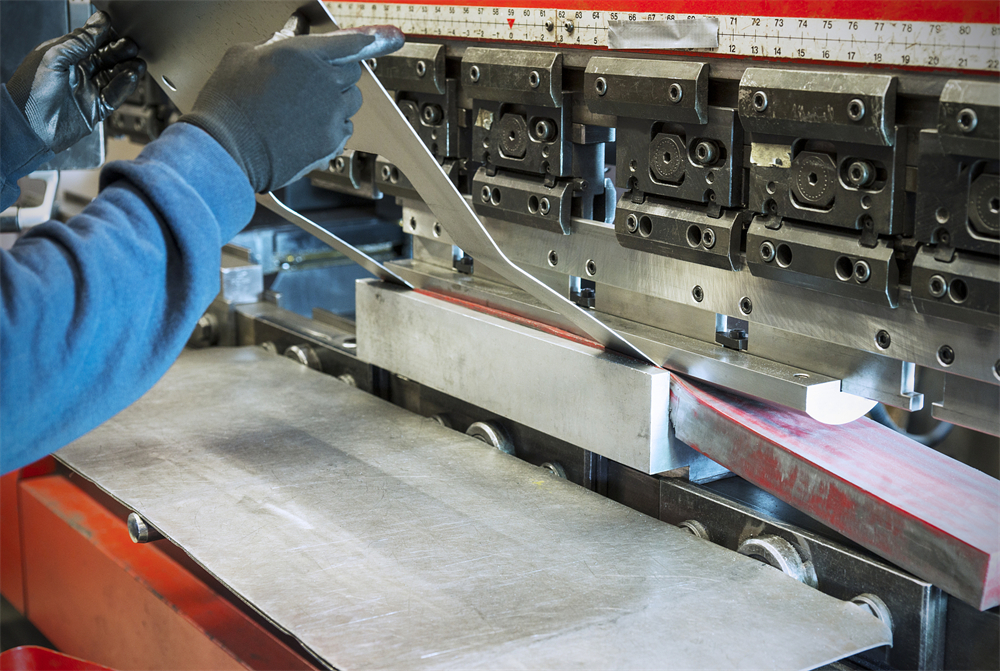
When calculating how much does a press brake cost, buyers must account for installation and commissioning. Heavy machinery requires specialized rigging, a reinforced concrete foundation, and professional electrical installation. These costs can range from a few thousand dollars to over ten thousand, depending on the machine size and the facility’s existing infrastructure.
Shipping and logistics are often excluded from the base price. Because press brakes are heavy and oversized, freight costs can be substantial, especially for international shipments. It is vital to get a clear quote that includes door-to-door delivery, insurance, and any necessary customs brokerage fees if importing the machine.
Training is an essential hidden cost. Even the most advanced machine is useless if the operators do not know how to program it efficiently. Many manufacturers offer on-site training packages. Investing in professional training ensures that your team can maximize the machine’s capabilities, reduce setup times, and minimize scrap rates, which directly impacts the profitability of your fabrication shop.
Maintenance and spare parts should be factored into the long-term budget. Regular preventative maintenance, including hydraulic oil changes, filter replacements, and software updates, is necessary to keep the machine running at peak performance. Additionally, having a budget for wear items like punch and die inserts ensures that you are never caught off guard by unexpected downtime.
ROI Calculation: Justifying the Investment
To determine the return on investment (ROI), you must look at the increase in production capacity and the reduction in labor hours. A modern CNC press brake can reduce setup times from hours to minutes compared to older, manual machines. By calculating the hourly rate of your operators and the number of parts produced per shift, you can quickly see how the machine pays for itself.
Scrap rate reduction is another key metric. Precision CNC machines produce consistent parts, meaning fewer errors and less wasted material. In industries where raw material costs are high, such as stainless steel or aluminum fabrication, the savings from reduced scrap can be significant enough to justify the cost of a high-end machine within a few years.
Consider the potential for new business. A more capable press brake allows you to take on more complex projects that your competitors might not be able to handle. This opens up new revenue streams and allows you to charge a premium for high-precision work. The ability to offer faster turnaround times also provides a competitive advantage in the market.
Finally, consider the resale value. High-quality industrial machinery retains its value much better than budget alternatives. If you decide to upgrade your equipment in the future, a well-maintained, reputable brand like HARSLE will command a much higher price on the secondary market, effectively lowering your total cost of ownership over the life of the machine.
Buying Advice: How to Choose the Right Machine
Before purchasing, define your current and future needs. Do not just buy for the parts you are making today; consider the materials and thicknesses you might be working with in three to five years. It is often cheaper to buy a slightly larger machine now than to replace a machine that has become obsolete due to business growth.
Request a demonstration or visit a showroom. Seeing the machine in operation is the best way to judge its build quality, the user-friendliness of the controller, and the speed of the backgauge. Ask the manufacturer for references from other shops in your industry to see how the machine performs in real-world conditions.
Evaluate the manufacturer’s support network. A press brake is a long-term asset, and you need to know that you can get technical support, software updates, and spare parts quickly. A machine that is down for weeks waiting for a part from overseas is a liability, not an asset. Choose a partner that prioritizes customer service and has a local presence.
Finally, review the warranty and service contract terms. A comprehensive warranty provides peace of mind, but the quality of the service team is what truly matters. Ensure that the manufacturer or their local distributor has certified technicians who can perform repairs and maintenance. A good service contract can prevent minor issues from becoming major, costly repairs.
FAQ: Frequently Asked Questions
- What is the difference between a hydraulic and an electric press brake? Hydraulic press brakes are the industry standard for heavy-duty work, offering high tonnage and durability. Electric press brakes are faster, more energy-efficient, and cleaner, making them ideal for high-speed, light-to-medium gauge production.
- How long do press brakes typically last? With proper maintenance, a high-quality industrial press brake can last 20 to 30 years or more.
- Do I need a special foundation for my press brake? Most small-to-medium press brakes can be placed on a standard reinforced concrete floor. However, very large machines may require a specialized pit or a reinforced foundation to handle the weight and vibration.
- Can I use old tooling on a new press brake? In many cases, yes, provided the clamping system is compatible. However, for maximum precision, it is recommended to use new, matched tooling designed for your specific machine.
- What is the most important feature to look for? It depends on your application, but for most shops, a reliable CNC controller and a high-precision backgauge are the two most critical features for productivity and accuracy.












