
Punching Machine Die Wear Problems: Signs, Causes, and Fixes


Introduction to Punching Machine Die Wear
In the high-precision world of metal fabrication, the punching machine serves as the backbone of production efficiency. However, even the most robust HARSLE punching equipment is subject to the inevitable reality of mechanical degradation. Punching Machine Die Wear Problems: Signs, Causes, and Fixes represent a critical area of knowledge for any shop floor manager or machine operator. When dies begin to wear, the quality of the finished product drops, energy consumption rises, and the risk of catastrophic machine failure increases significantly.
Understanding the lifecycle of your tooling is not merely about maintenance; it is about protecting your capital investment. A well-maintained die set ensures consistent hole quality, tight tolerances, and extended machine lifespan. Conversely, ignoring the early warning signs of wear leads to burr formation, material deformation, and increased downtime. This guide explores the technical nuances of die degradation to help you maintain peak operational performance.
At HARSLE, we emphasize that proactive maintenance is always more cost-effective than reactive repair. By identifying the root causes of wear—whether they stem from material hardness, lubrication failure, or misalignment—you can implement corrective measures that save thousands in replacement costs. This article serves as your comprehensive manual for navigating the complexities of die maintenance in modern metal fabrication environments.
As we delve into the technical aspects, remember that every punching application is unique. Factors such as sheet metal thickness, tensile strength, and the frequency of operation all play a role in how quickly your dies will degrade. By standardizing your inspection protocols, you can transform your maintenance strategy from a guessing game into a precise, data-driven process that keeps your production line moving smoothly.
Key Considerations for Die Longevity
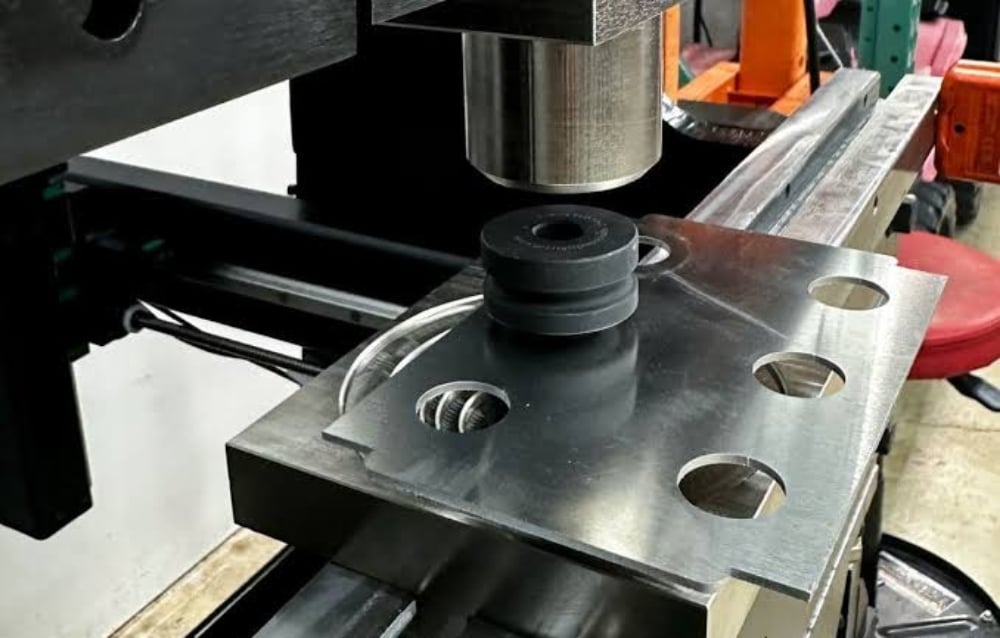
The longevity of a punching die is heavily influenced by the initial setup and the environment in which it operates. One of the primary considerations is the clearance between the punch and the die. If the clearance is too tight, the punch will experience excessive friction, leading to rapid heat buildup and material galling. If the clearance is too loose, the material will bend rather than shear, causing premature dulling of the cutting edges.
Material selection for the die itself is another critical factor. High-speed steel (HSS) and tungsten carbide are common choices, each offering different levels of wear resistance. For high-volume production runs involving abrasive materials like stainless steel, investing in premium tooling materials is essential. HARSLE recommends evaluating your specific material requirements before finalizing your tooling specifications to ensure the die can withstand the intended workload.
Lubrication plays a pivotal role in mitigating friction. Without proper lubrication, the heat generated during the punching process can cause the metal to weld to the die surface, a phenomenon known as galling. Implementing an automated lubrication system or strictly adhering to a manual lubrication schedule can drastically reduce the wear rate. Always ensure that the lubricant used is compatible with the material being punched and the environmental requirements of your facility.
Finally, the rigidity of the punching machine itself cannot be overlooked. Vibrations and mechanical play in the ram or the tool holder can cause the punch to strike the die off-center. This misalignment leads to uneven wear patterns that are difficult to correct. Ensuring that your HARSLE machine is properly leveled and that all fasteners are torqued to specification is a fundamental step in preventing premature die degradation.
Technical Details: Identifying Signs of Wear
Recognizing Punching Machine Die Wear Problems: Signs, Causes, and Fixes starts with visual and tactile inspection. The most common sign of a dull die is the presence of burrs on the underside of the punched part. When the cutting edge loses its sharpness, it fails to shear the material cleanly, instead pulling the metal through the die opening. This results in jagged edges that require secondary finishing operations, adding unnecessary cost to your production.
Another technical indicator is the increase in punching force. As the die dulls, the machine must exert more pressure to penetrate the material. If your HARSLE punching machine’s pressure gauges show a consistent upward trend for the same material and thickness, it is a clear sign that your tooling is losing its edge. Monitoring this data over time allows you to predict when a die needs sharpening before it fails completely.
Surface finish degradation is also a tell-tale sign. If the punched holes appear rough or show signs of tearing rather than clean shearing, the die surface is likely compromised. In some cases, you may notice small chips or cracks on the cutting edges. These are often caused by improper clearance or the punching of materials that exceed the machine’s rated capacity. Immediate action is required when such physical damage is observed to prevent further destruction of the die set.
Lastly, pay attention to the sound of the machine. A sharp, crisp “snap” is characteristic of a healthy punching operation. A dull, heavy thud or a metallic screeching sound often indicates that the die is struggling to penetrate the material. By training your operators to listen for these auditory cues, you can catch wear issues early and prevent the compounding damage that occurs when a dull die is forced to continue operating.
Causes of Die Wear: A Deep Dive
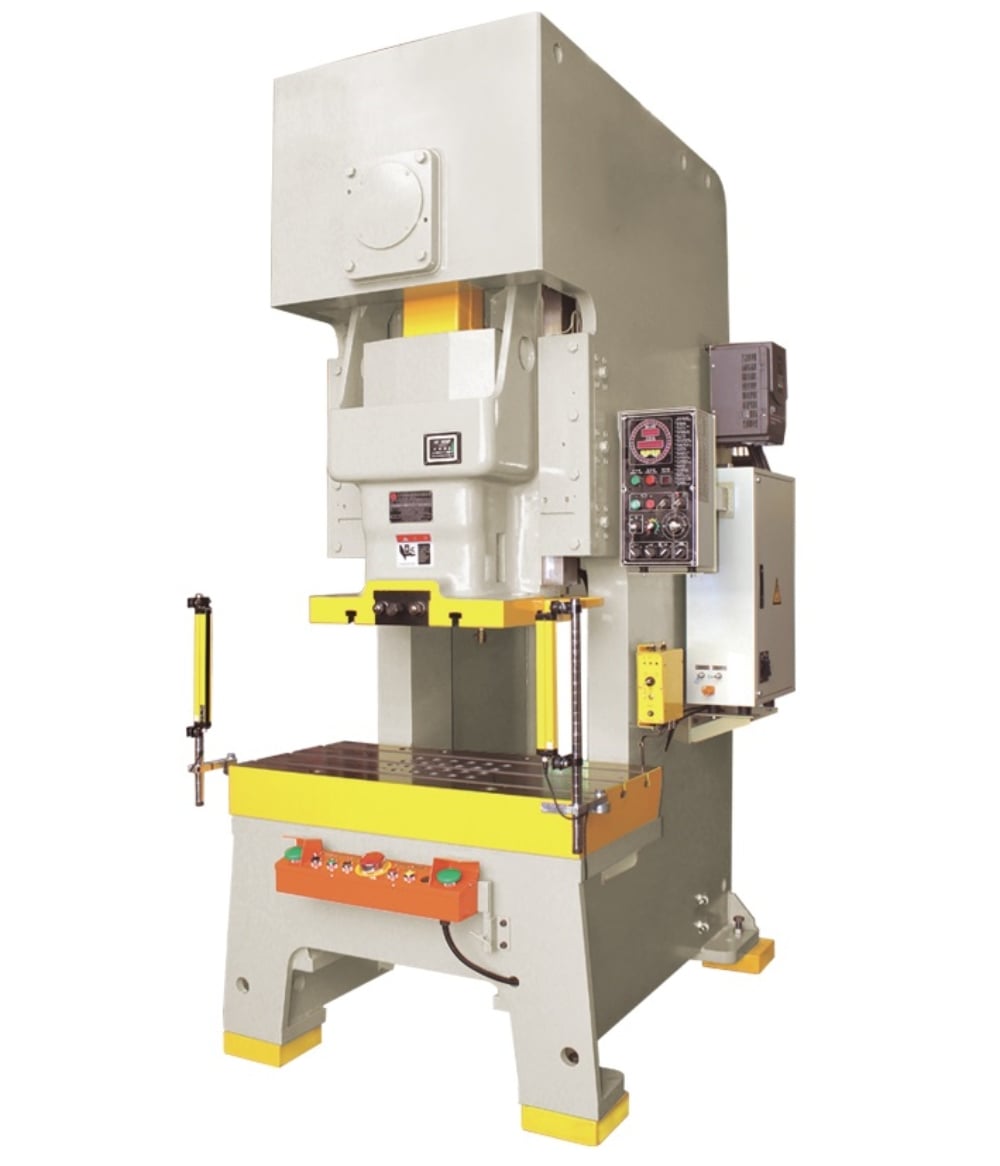
The causes of die wear are multifaceted, often resulting from a combination of mechanical, thermal, and chemical factors. Mechanical wear occurs due to the abrasive nature of the metal being punched. As the punch enters the die, the friction between the two surfaces gradually removes microscopic amounts of material. Over thousands of cycles, this leads to a rounded cutting edge that can no longer perform a clean shear.
Thermal fatigue is another major contributor. The intense heat generated during high-speed punching cycles can cause the die material to soften or undergo structural changes. If the cooling cycle is insufficient, the die remains in a weakened state, making it susceptible to deformation. This is particularly problematic in high-speed turret punching applications where the die does not have adequate time to dissipate heat between strikes.
Chemical reactions between the lubricant and the die material can also accelerate wear. If the lubricant is too acidic or contains additives that react negatively with the die coating, it can lead to surface pitting and corrosion. This creates a rough surface that increases friction, creating a vicious cycle of heat and wear. Always consult your HARSLE technical manual for recommended lubricants that are chemically inert regarding your specific tooling.
Improper setup and maintenance practices are perhaps the most preventable causes. This includes failing to properly align the punch and die, using the wrong clearance for the material thickness, or neglecting to clean the die of metal shavings. When debris is left in the die, it gets crushed during the next cycle, causing indentations and surface damage that quickly propagate across the entire cutting edge.
Fixes and Maintenance Strategies
When you have identified Punching Machine Die Wear Problems: Signs, Causes, and Fixes, the first step is to perform a professional sharpening. Resharpening involves removing a small amount of material from the face of the punch and the top of the die to restore a clean, sharp edge. It is vital that this process is performed using precision grinding equipment to ensure that the geometry of the die remains consistent with the original specifications.
If the die is beyond the point of simple sharpening, replacement is the only viable option. Attempting to use a severely worn die will not only result in poor part quality but can also damage the punching machine’s ram and guide systems. HARSLE provides high-quality replacement tooling designed to integrate seamlessly with our machines, ensuring that your production returns to optimal levels immediately.
Implementing a preventive maintenance schedule is the best way to avoid these issues. This schedule should include daily, weekly, and monthly tasks. Daily tasks should involve cleaning the die area and checking for debris. Weekly tasks should include inspecting the cutting edges for signs of dulling or chipping. Monthly tasks should involve a full check of the machine’s alignment and lubrication systems.
Finally, consider investing in advanced coatings for your dies. Titanium Nitride (TiN) or other specialized coatings can significantly increase the surface hardness and reduce the coefficient of friction. These coatings act as a barrier against both abrasive wear and thermal degradation, effectively extending the time between sharpening intervals. While the initial cost is higher, the long-term savings in maintenance and downtime are substantial.
Selection Advice for Punching Tooling
Selecting the right tooling is the foundation of a successful fabrication process. When choosing dies for your HARSLE punching machine, consider the material type and thickness as your primary variables. Thicker materials require more robust die designs with specific clearances to prevent the punch from binding. Always refer to the material charts provided by HARSLE to ensure your tooling selection matches your production requirements.
Consider the volume of your production. For low-volume, prototype work, standard tool steel may suffice. However, for high-volume, continuous production, investing in carbide-tipped tooling is highly recommended. Carbide offers superior hardness and wear resistance, allowing for significantly longer runs between maintenance intervals. While the upfront investment is higher, the cost-per-part is often lower due to reduced downtime.
Think about the complexity of the shapes you are punching. Intricate shapes with tight corners require specialized die geometries that are more prone to wear. In these cases, ensure that your tooling supplier provides high-quality, precision-ground dies that can handle the stress of complex shearing. Poorly manufactured dies will fail prematurely, regardless of how well you maintain them.
Lastly, build a relationship with a reliable tooling supplier who understands your specific machine model. HARSLE offers comprehensive support for our machines, including guidance on tooling selection. By working with experts who know the technical specifications of your equipment, you can avoid the common pitfalls of incompatible tooling and ensure that your punching operations remain efficient and profitable for years to come.
Frequently Asked Questions (FAQ)
- How often should I sharpen my punching dies?
The frequency depends on the material type, thickness, and production volume. As a rule of thumb, monitor the burr height on your parts. Once the burr exceeds 10% of the material thickness, it is time to sharpen. - Can I use the same die for different materials?
While possible, it is not recommended. Different materials have different hardness levels and abrasive properties. Using a die designed for mild steel on stainless steel will lead to rapid wear. - What is the most common cause of premature die failure?
Improper clearance is the leading cause. If the clearance is not matched to the material thickness, the die will experience excessive stress and heat, leading to early failure. - Does lubrication really make a difference?
Yes, absolutely. Proper lubrication reduces friction, dissipates heat, and prevents galling. It is one of the most cost-effective ways to extend the life of your tooling. - What should I do if my die chips?
A chipped die should be removed from service immediately. Continuing to use it will cause further damage to the die and potentially the punching machine itself. It must be reground or replaced.
Conclusion
Mastering the management of Punching Machine Die Wear Problems: Signs, Causes, and Fixes is essential for any professional in the metal fabrication industry. By understanding the technical indicators of wear, the underlying causes, and the appropriate maintenance strategies, you can ensure that your HARSLE punching machine continues to deliver high-quality results with minimal downtime. Remember that the health of your dies is directly linked to the profitability of your shop.
Proactive maintenance, correct tooling selection, and a commitment to operational excellence are the keys to success. Whether you are a small job shop or a large-scale manufacturer, the principles outlined in this guide will help you optimize your punching processes. Stay vigilant, keep your machines well-lubricated, and never underestimate the value of a sharp, well-maintained die set in achieving the precision your customers demand.
At HARSLE, we are committed to supporting your fabrication journey. From providing high-performance machinery to offering expert advice on tooling and maintenance, we are your partner in industrial excellence. If you have further questions or require specific technical support for your punching equipment, our team is always ready to assist you in maintaining the highest standards of production.












