
Energy-Saving Tips for Punching Machine Operations in Modern Workshops: A Comprehensive Guide


Technical Overview
In the contemporary metal fabrication landscape, energy consumption represents one of the most significant operational costs for workshops. As global energy prices fluctuate and sustainability regulations tighten, implementing Energy-Saving Tips for Punching Machine Operations in Modern Workshops has transitioned from a competitive advantage to a business necessity. Punching machines, particularly hydraulic and mechanical variants, are power-intensive assets that require precise management to ensure that every kilowatt consumed translates into productive output rather than waste.
Modern punching technology has evolved significantly, moving away from constant-run hydraulic systems toward servo-driven and variable-frequency drive (VFD) architectures. However, even the most advanced HARSLE punching equipment requires strategic operational protocols to reach peak efficiency. Understanding the electromechanical interplay between the motor, the hydraulic pump, and the control system is the first step in reducing your facility’s carbon footprint and operational overhead.
Energy loss in punching operations typically occurs through three primary channels: idle power consumption, inefficient stroke cycles, and friction-related heat dissipation. By addressing these areas through systematic optimization, workshop managers can achieve a 15% to 30% reduction in energy usage. This guide explores the technical methodologies required to refine your punching processes, ensuring that your workshop remains both profitable and environmentally responsible.
Furthermore, the integration of smart sensors and IoT-enabled monitoring allows for real-time tracking of energy spikes. When operators understand the relationship between tool sharpness, material thickness, and motor load, they can adjust parameters to prevent unnecessary strain on the machine. This technical overview serves as the foundation for the deeper operational strategies discussed in the following sections.
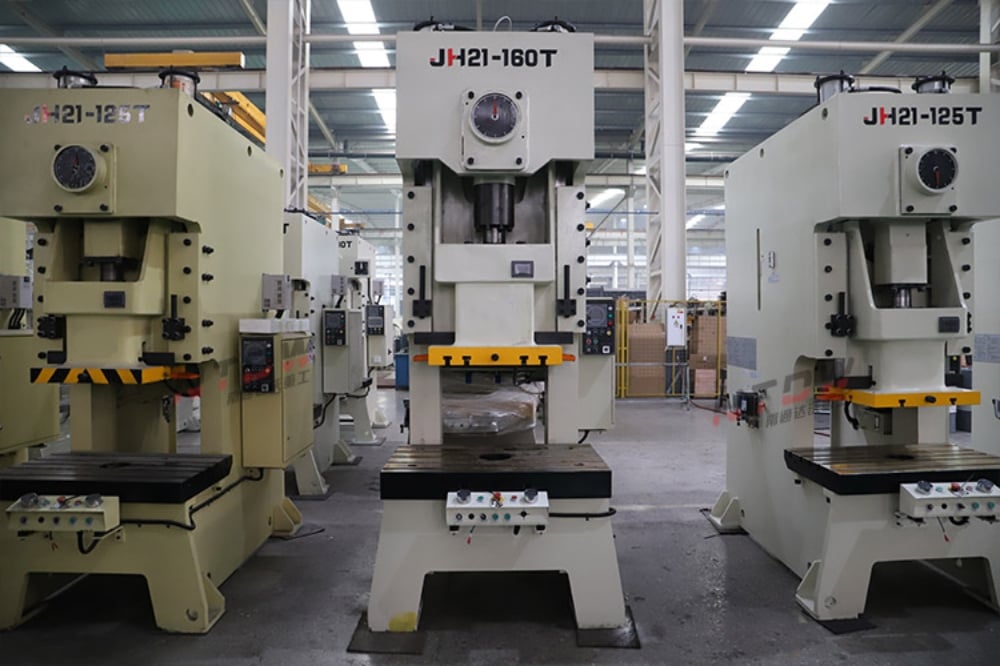
Core Parameters
To effectively manage energy consumption, operators must focus on specific core parameters that dictate the power draw of a punching machine. The primary parameter is the stroke frequency. Running a machine at maximum strokes per minute (SPM) when the production schedule does not require it is a common source of energy waste. By matching the stroke rate to the actual material handling speed of the operator or the automated loading system, you minimize idle energy consumption.
Another critical parameter is the hydraulic pressure setting. Many operators default to maximum pressure regardless of the material gauge. By calculating the exact tonnage required for a specific hole diameter and material yield strength, you can reduce the hydraulic load significantly. Lowering the pressure not only saves electricity but also extends the life of seals, valves, and the hydraulic pump, reducing long-term maintenance costs.
The dwell time at the bottom of the stroke is also a factor. In hydraulic punching machines, holding pressure at the bottom of the stroke consumes energy without contributing to the cutting process. Minimizing this dwell time through precise CNC programming ensures that the motor is only under high load during the actual shearing phase. This is a vital component of Energy-Saving Tips for Punching Machine Operations in Modern Workshops.
Finally, consider the standby mode parameters. Modern HARSLE machines feature intelligent sleep modes. Ensuring that these are configured to activate after a specific period of inactivity—rather than leaving the machine idling at full power during breaks or material loading—can save significant amounts of energy over the course of a year. These parameters, when managed correctly, create a leaner, more efficient production environment.
Calculation Method
Calculating the energy efficiency of your punching operation requires a baseline measurement of power consumption during various states: idle, standby, and active punching. The formula for energy consumption (E) is E = P × t, where P is the power in kilowatts (kW) and t is the time in hours (h). To find the efficiency gain, you must compare the energy consumed per 1,000 holes punched before and after implementing optimization strategies.
To calculate the required tonnage for a specific job, use the formula: T = (L × t × S) / 1000, where T is the tonnage, L is the perimeter of the hole, t is the material thickness, and S is the shear strength of the material. By ensuring your machine is not operating at a tonnage capacity far exceeding the requirement, you avoid the energy penalty associated with oversized hydraulic systems.
Another useful metric is the ‘Energy Intensity per Part.’ This is calculated by dividing the total daily energy consumption (kWh) by the total number of parts produced. If this number trends upward, it indicates that either the machine is idling too long or the tooling is becoming dull, requiring more force to penetrate the metal. Regular monitoring of this metric is essential for maintaining a high-performance workshop.
Finally, factor in the ‘Power Factor’ of your facility. Industrial punching machines often have inductive loads. Installing power factor correction capacitors can reduce the reactive power drawn from the grid, which not only lowers your electricity bill but also improves the overall stability of your workshop’s electrical infrastructure. This is a sophisticated approach to energy management that pays dividends in large-scale fabrication facilities.
Parameter Table
| Parameter | Standard Setting | Energy-Saving Setting | Impact on Efficiency |
|---|---|---|---|
| Stroke Frequency | Max SPM | Optimized to Material Feed | High |
| Hydraulic Pressure | Fixed Max | Variable/Load-Dependent | Medium-High |
| Dwell Time | 0.5s | 0.1s – 0.2s | Medium |
| Standby Delay | 60 Minutes | 5-10 Minutes | Medium |
| Tool Sharpness | Reactive Change | Proactive/Scheduled | High |
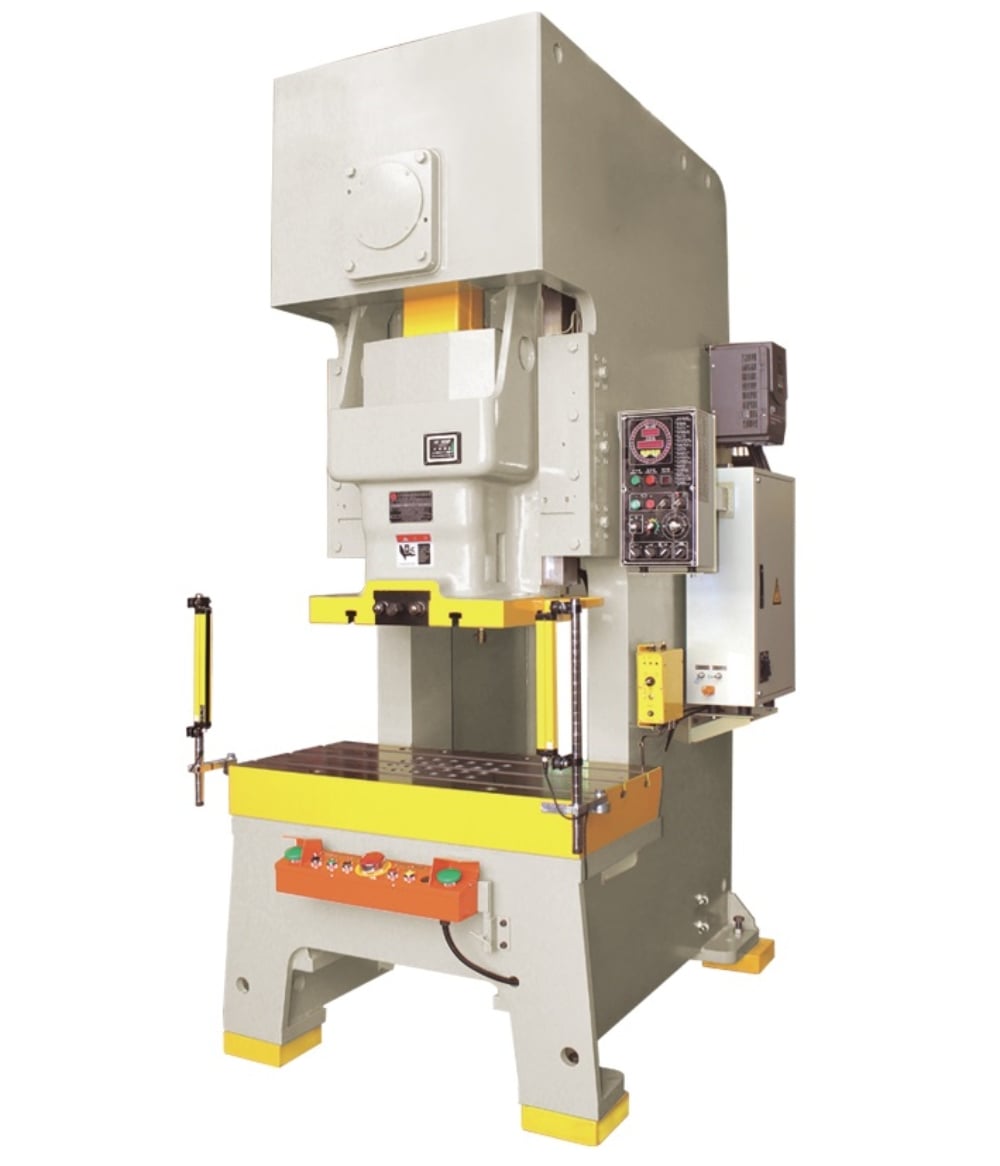
Common Engineering Mistakes
One of the most frequent mistakes in workshop management is the neglect of tooling maintenance. Dull punches require significantly more force to penetrate the workpiece. This increased force translates directly into higher motor load and increased energy consumption. Operators often ignore the subtle signs of tool wear, such as increased burrs or higher noise levels, until the machine struggles to complete the cycle. Proactive tool sharpening is one of the most effective Energy-Saving Tips for Punching Machine Operations in Modern Workshops.
Another common error is the failure to optimize the nesting layout. Poor nesting leads to excessive machine movement and unnecessary tool changes. Every time the machine moves the sheet or changes a tool, it consumes energy. By using advanced CAD/CAM software to optimize the path of the punch, you can reduce the total travel distance and the number of operations, thereby saving electricity and reducing wear on the machine’s drive components.
Over-lubrication or the use of incorrect lubricants can also lead to energy loss. While lubrication is necessary to reduce friction, excessive amounts can create drag on the punching mechanism. Furthermore, using a lubricant that is not suited for the specific material or speed can increase the force required for the punch. Always follow the manufacturer’s recommendations for lubrication types and application intervals to ensure optimal machine performance.
Lastly, ignoring the electrical health of the machine is a major oversight. Loose connections, worn-out contactors, or failing capacitors can lead to voltage drops and increased resistance, causing the motor to work harder than necessary. Regular electrical inspections should be part of your preventative maintenance schedule. Ensuring that your HARSLE machine is running on clean, stable power is essential for both energy efficiency and the longevity of the electronic control systems.
Selection Checklist
When selecting a new punching machine, energy efficiency should be a primary consideration. Use this checklist to ensure your investment aligns with modern energy-saving standards:
- Drive System: Does the machine use a servo-electric drive or a variable-frequency drive (VFD) hydraulic system? These are significantly more efficient than traditional constant-run hydraulic pumps.
- Energy Recovery: Does the machine feature regenerative braking or energy recovery systems that capture energy during the deceleration phase of the ram?
- Control Interface: Is the CNC controller capable of real-time power monitoring and automated standby modes?
- Tooling Compatibility: Does the machine support quick-change tooling systems that minimize downtime and energy-intensive setup procedures?
- Build Quality: Is the frame rigid enough to minimize deflection? A rigid frame requires less force to maintain accuracy, allowing for more efficient operation.
- Manufacturer Support: Does the supplier provide energy-efficiency training or software updates that optimize machine performance over time?
By prioritizing these features, you ensure that your workshop is equipped with technology that supports long-term sustainability and cost reduction. HARSLE provides a range of machines designed with these exact criteria in mind, ensuring that your production capabilities are matched by your commitment to efficiency.
FAQ
How often should I sharpen my punching tools to save energy?
Tool sharpening should be based on the number of hits and the material type. Generally, sharpening every 50,000 to 100,000 hits is a good rule of thumb, but you should monitor for burr height. If the burr exceeds 0.1mm, the tool is dull and is forcing the machine to consume excess energy.
Can a VFD really save that much energy on a hydraulic punch?
Yes. A VFD allows the hydraulic pump motor to slow down or stop during idle periods. In a traditional system, the motor runs at full speed constantly, even when the machine is not punching. This can reduce energy consumption by up to 40% in typical workshop environments.
What is the most important factor in energy-efficient punching?
The most important factor is the synchronization of the machine’s speed with the operator’s or the automation’s ability to handle the material. Eliminating idle time and ensuring the machine is only working when it is actively punching is the single biggest contributor to energy savings.
Does the ambient temperature of the workshop affect energy consumption?
Yes, especially for hydraulic machines. If the hydraulic oil is too cold, it becomes viscous, requiring more energy to pump. If it is too hot, the cooling system must work harder. Maintaining a stable workshop temperature helps the machine operate within its optimal efficiency range.
How do I monitor my machine’s energy usage?
You can install a simple power meter on the machine’s main power supply line. Many modern HARSLE machines also come with built-in energy monitoring software that provides real-time data on power draw, allowing you to identify energy-intensive processes and optimize them accordingly.












