
Laser Cutting Machine Cost Guide: What Affects Total Ownership In Industrial Use


Technical Overview of Industrial Laser Cutting Systems
In the modern metal fabrication landscape, the Laser Cutting Machine stands as the cornerstone of precision and productivity. Understanding the Laser Cutting Machine Cost: Affects Total Ownership In Industrial Use requires a deep dive into the underlying technology. Unlike traditional mechanical cutting methods, fiber laser technology utilizes a high-intensity beam to melt or vaporize material with extreme accuracy. This process is governed by the interaction between the laser source, the optical delivery system, and the CNC control unit, all of which contribute to the long-term financial footprint of the equipment.
The evolution from CO2 lasers to fiber laser technology has fundamentally shifted the cost structure of industrial fabrication. Fiber lasers offer significantly higher wall-plug efficiency, meaning they convert more electricity into usable laser power compared to their predecessors. When evaluating the Laser Cutting Machine Cost: Affects Total Ownership In Industrial Use, it is essential to recognize that the initial purchase price is merely the entry point. The true cost is realized through the machine’s ability to maintain high uptime, minimize material waste, and reduce the need for secondary finishing processes.
HARSLE systems are engineered with a focus on modularity and reliability. By integrating high-quality components—such as premium laser resonators, robust gantry systems, and advanced cooling units—we ensure that the machine remains a productive asset for years. The technical architecture of these machines is designed to handle the rigors of 24/7 industrial production, which is a critical factor when calculating the total cost of ownership (TCO) over a five-to-ten-year horizon.
Furthermore, the integration of automated loading and unloading systems has changed the cost dynamics of laser cutting. While these additions increase the upfront investment, they drastically reduce labor costs and human error, which are significant variables in the TCO equation. A well-integrated system allows for lights-out manufacturing, maximizing the return on investment (ROI) by keeping the laser head moving for as many hours as possible during the production cycle.
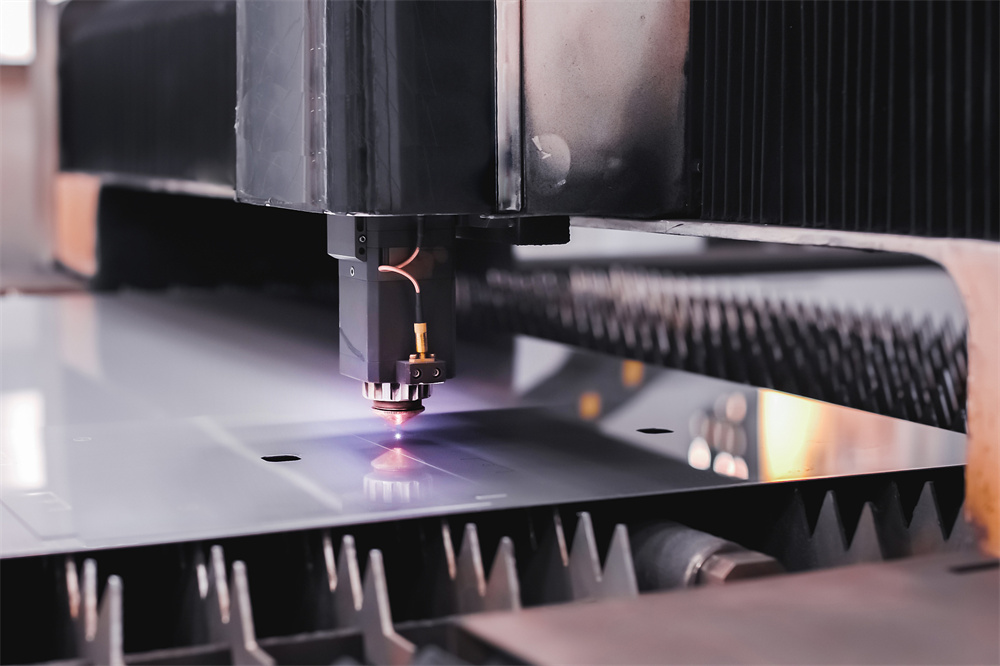
Core Parameters Influencing Operational Costs
When analyzing the Laser Cutting Machine Cost: Affects Total Ownership In Industrial Use, several core parameters emerge as primary drivers of operational expenditure. The laser power source, typically ranging from 1kW to 30kW, is the most significant factor. Higher power machines offer faster cutting speeds and the ability to process thicker materials, but they also consume more electricity and require more robust cooling infrastructure. Balancing power requirements with your specific material thickness needs is the first step in optimizing TCO.
Gas consumption is another critical parameter that often goes overlooked during the initial procurement phase. Laser cutting requires assist gases—typically oxygen, nitrogen, or compressed air—to blow molten material out of the kerf. Nitrogen, used for high-quality, oxide-free edges, can be a significant recurring cost. Investing in an on-site nitrogen generation system can lower the per-unit cost of gas, though it requires a higher initial capital expenditure. This trade-off is a classic example of how operational choices dictate long-term costs.
Maintenance intervals and component longevity are equally vital. The laser nozzle, protective lens, and ceramic rings are consumables that require regular replacement. The frequency of these replacements depends on the quality of the beam delivery system and the cleanliness of the operating environment. HARSLE machines are designed with easy-access maintenance panels and automated lens cleaning features to extend the life of these consumables, thereby reducing the total cost of ownership over the machine’s lifespan.
Finally, the software and control interface play a role in operational efficiency. Advanced nesting software minimizes material scrap, which is often the largest hidden cost in metal fabrication. By optimizing the layout of parts on a sheet, a high-quality nesting program can save thousands of dollars in raw material costs annually. When calculating the Laser Cutting Machine Cost: Affects Total Ownership In Industrial Use, the software’s ability to reduce waste is just as important as the machine’s mechanical speed.
Calculation Method for Total Cost of Ownership (TCO)
To accurately determine the Laser Cutting Machine Cost: Affects Total Ownership In Industrial Use, fabricators must employ a comprehensive TCO calculation model. This model should aggregate all costs associated with the machine from the moment of purchase through its eventual decommissioning. The formula is generally expressed as: TCO = Initial Investment + (Annual Operating Costs × Expected Lifespan) + Maintenance Costs – Residual Value.
The initial investment includes the machine price, shipping, installation, and specialized electrical or foundation work. Many buyers forget to include the cost of training staff, which is a non-trivial expense. A well-trained operator can significantly reduce the wear and tear on the machine, whereas an untrained operator might inadvertently cause costly damage to the laser head or gantry system. Therefore, training should be viewed as an investment that lowers the long-term TCO.
Annual operating costs are dominated by electricity consumption and assist gas usage. To calculate these, you must estimate your average daily usage hours and the power draw of the machine at various load levels. Electricity rates vary by region, so it is important to use local utility data. Similarly, gas costs should be calculated based on the average pressure and flow rates required for the materials you process most frequently. These figures provide a baseline for your monthly operational budget.
Maintenance costs include both scheduled preventative maintenance and unscheduled repairs. Preventative maintenance is a fixed cost that should be budgeted annually to ensure the machine remains within its optimal performance parameters. Unscheduled repairs are harder to predict but can be mitigated by choosing a manufacturer with a strong service network and readily available spare parts. HARSLE provides comprehensive service packages that help stabilize these costs, preventing unexpected downtime from ballooning the TCO.
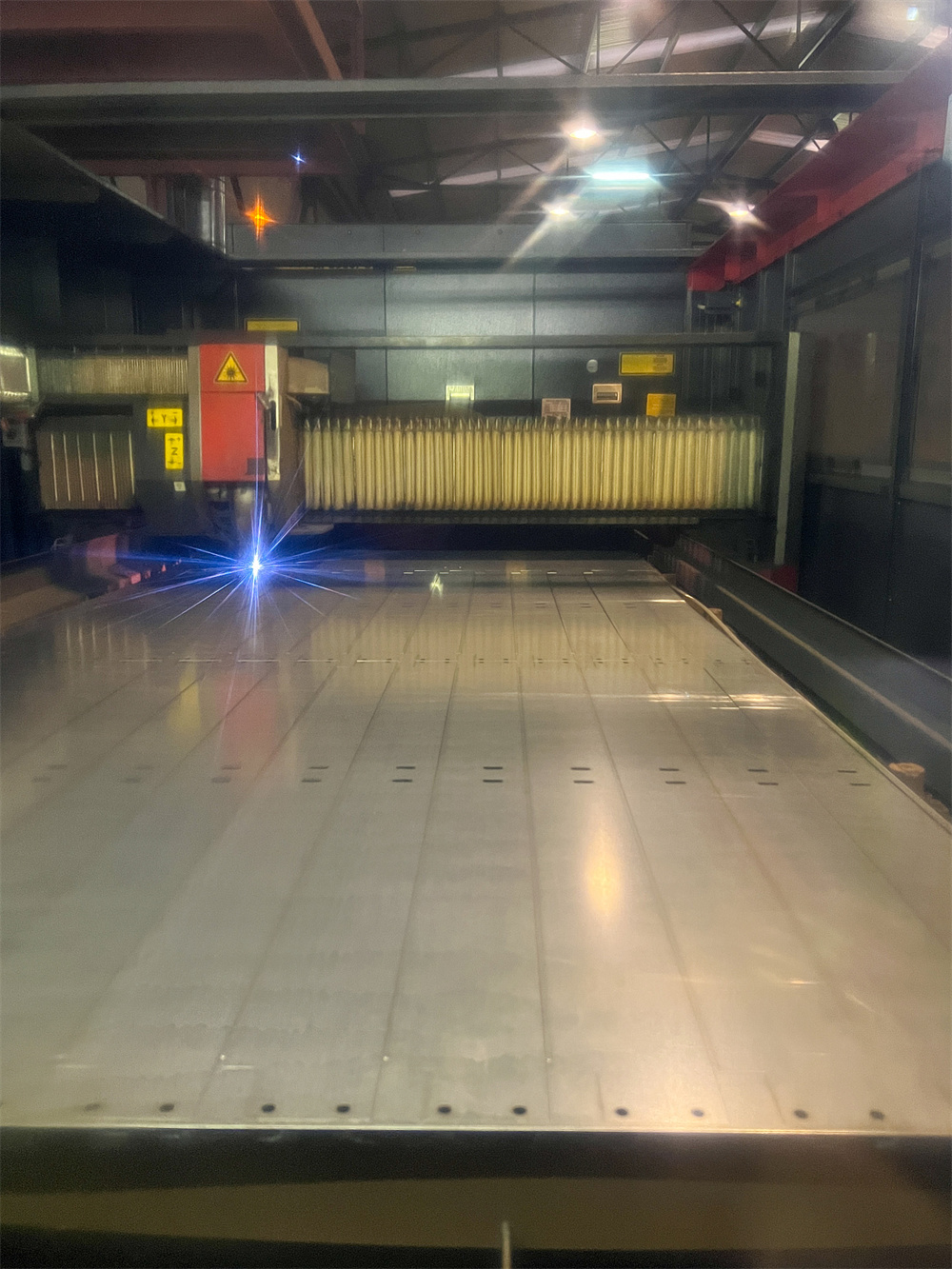
Parameter Table: Impact on Operational Efficiency
| Parameter | Impact on TCO | Optimization Strategy |
|---|---|---|
| Laser Power (kW) | High (Energy/Gas) | Match power to max material thickness |
| Assist Gas Type | High (Consumable) | Use compressed air for thin materials |
| Nesting Software | Low (Material Savings) | Invest in high-efficiency nesting |
| Preventative Maintenance | Medium (Reliability) | Strict adherence to service schedules |
| Automation Level | High (Labor Savings) | Automate for high-volume production |
Common Engineering Mistakes in Cost Estimation
One of the most frequent mistakes in evaluating the Laser Cutting Machine Cost: Affects Total Ownership In Industrial Use is focusing exclusively on the purchase price. A machine that is cheap to buy but expensive to run is a poor investment. Many low-cost machines lack the structural rigidity required for high-speed cutting, leading to vibration issues that ruin parts and increase scrap rates. The cost of wasted material and the time spent re-cutting parts often far outweighs the initial savings on the machine price.
Another common error is neglecting the cost of downtime. In an industrial environment, the cost of a machine sitting idle can be thousands of dollars per hour. If a machine lacks a robust support network or if spare parts are difficult to source, a minor technical glitch can turn into a week-long production stoppage. When selecting a machine, evaluate the manufacturer’s response time, the availability of local technicians, and the ease of remote diagnostics. HARSLE prioritizes these support channels to ensure that our clients minimize downtime.
Ignoring the environmental requirements of the machine is also a mistake. Fiber lasers are sensitive to temperature and humidity. If a machine is installed in a facility without proper climate control, the laser source and electronic components will degrade much faster than expected. This leads to premature failure of expensive parts, significantly increasing the TCO. Always factor in the cost of facility upgrades, such as HVAC systems or clean-room enclosures, when planning your installation.
Finally, failing to account for the learning curve is a mistake. The transition to a new laser cutting system requires a shift in workflow. If the team is not prepared for the change, productivity will drop during the initial months of operation. This dip in output is a hidden cost that should be factored into the first-year financial projections. Proper planning, including phased implementation and comprehensive staff training, can mitigate this risk.
Selection Checklist for Industrial Buyers
Before finalizing your purchase, use this checklist to ensure you have considered all aspects of the Laser Cutting Machine Cost: Affects Total Ownership In Industrial Use:
- Material Compatibility: Does the machine handle the specific alloys and thicknesses you use most often?
- Service Network: Is there a local technician or a reliable remote support team available?
- Spare Parts Availability: Are critical components stocked locally or do they require long lead times?
- Energy Efficiency: Does the machine feature power-saving modes during idle times?
- Software Integration: Does the machine’s software integrate seamlessly with your existing ERP or CAD/CAM systems?
- Scalability: Can the machine be upgraded with automation or higher-power resonators in the future?
- Warranty and Support: What is covered under the warranty, and what are the terms for extended service contracts?
By systematically reviewing these points, you can make an informed decision that aligns with your long-term financial goals. Remember that the goal is not to find the cheapest machine, but to find the machine that provides the lowest cost per part over its entire operational life. HARSLE is committed to providing the transparency and technical support necessary to help our clients achieve this balance.
Frequently Asked Questions (FAQ)
How does laser power affect the total cost of ownership?
Higher laser power increases electricity consumption and gas usage, but it also increases cutting speed. For high-volume shops, the labor savings from faster cutting often justify the higher energy costs. For low-volume shops, a lower-power machine may be more cost-effective.
What is the most expensive consumable in laser cutting?
Assist gas, particularly nitrogen, is often the highest recurring cost. Using compressed air for thin materials can significantly reduce this expense.
How can I reduce my laser cutting machine’s maintenance costs?
Strict adherence to the manufacturer’s preventative maintenance schedule is the best way to reduce costs. Keeping the machine clean and ensuring the cooling system is functioning correctly will prevent major, expensive repairs.
Is it worth investing in automation for a small shop?
Automation is worth it if your goal is to increase throughput without adding staff. Even for smaller shops, a simple auto-loader can free up the operator to perform other tasks, increasing overall shop efficiency.
How long should an industrial laser cutting machine last?
With proper maintenance, a high-quality industrial fiber laser cutting machine should provide 10 to 15 years of reliable service. The laser resonator itself may require servicing or replacement after 50,000 to 100,000 hours of operation.












