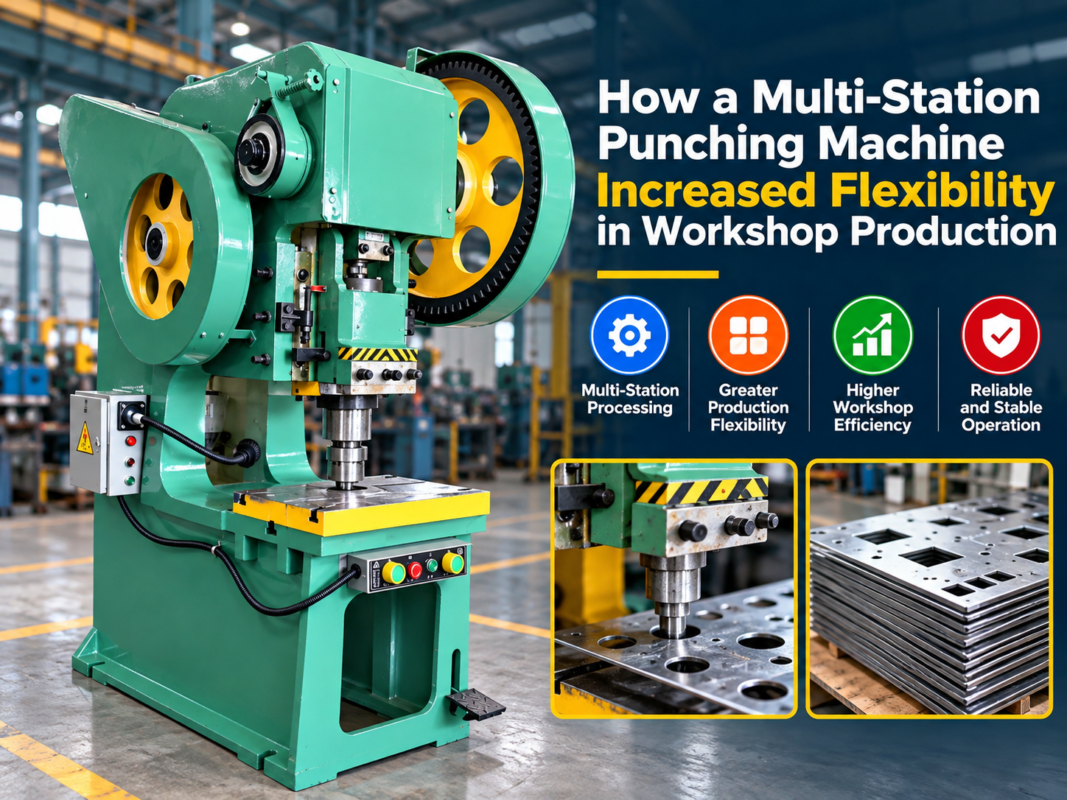
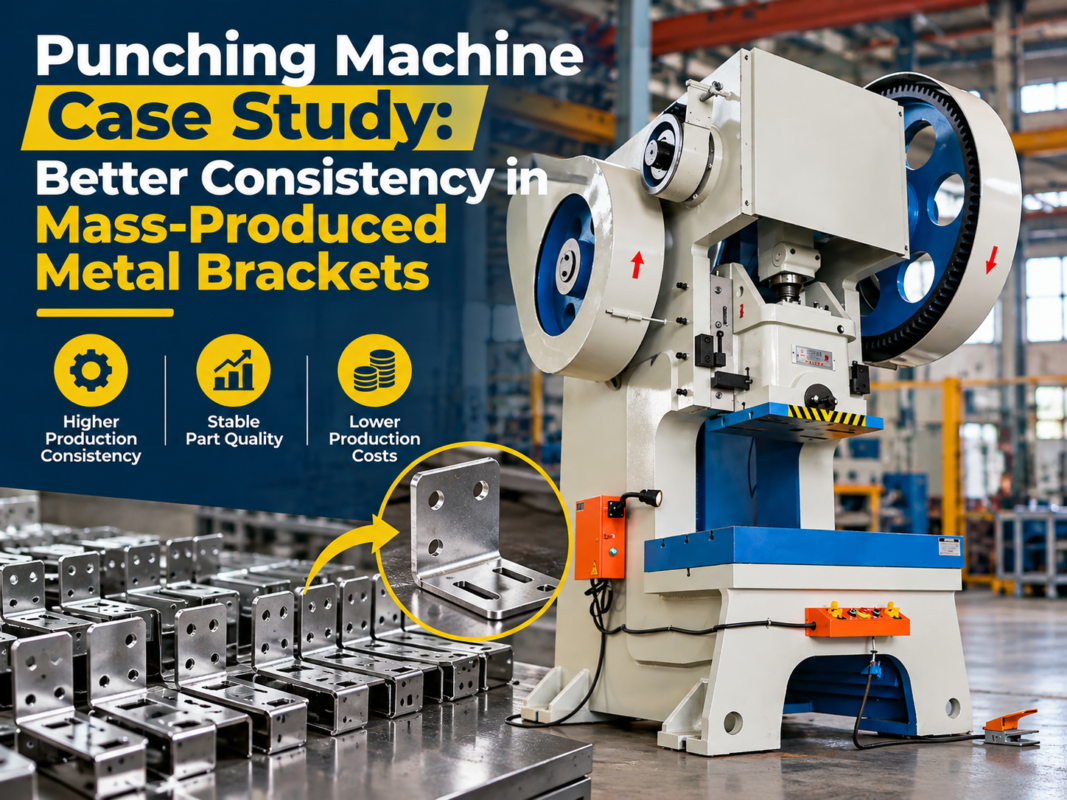
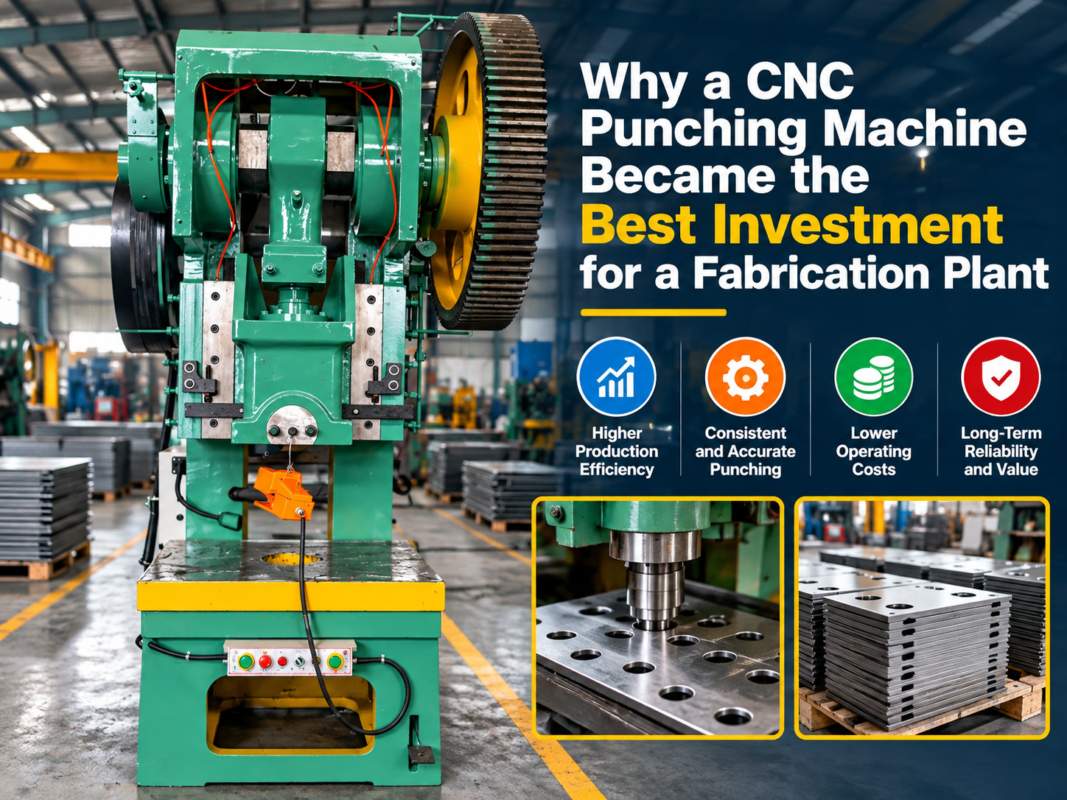
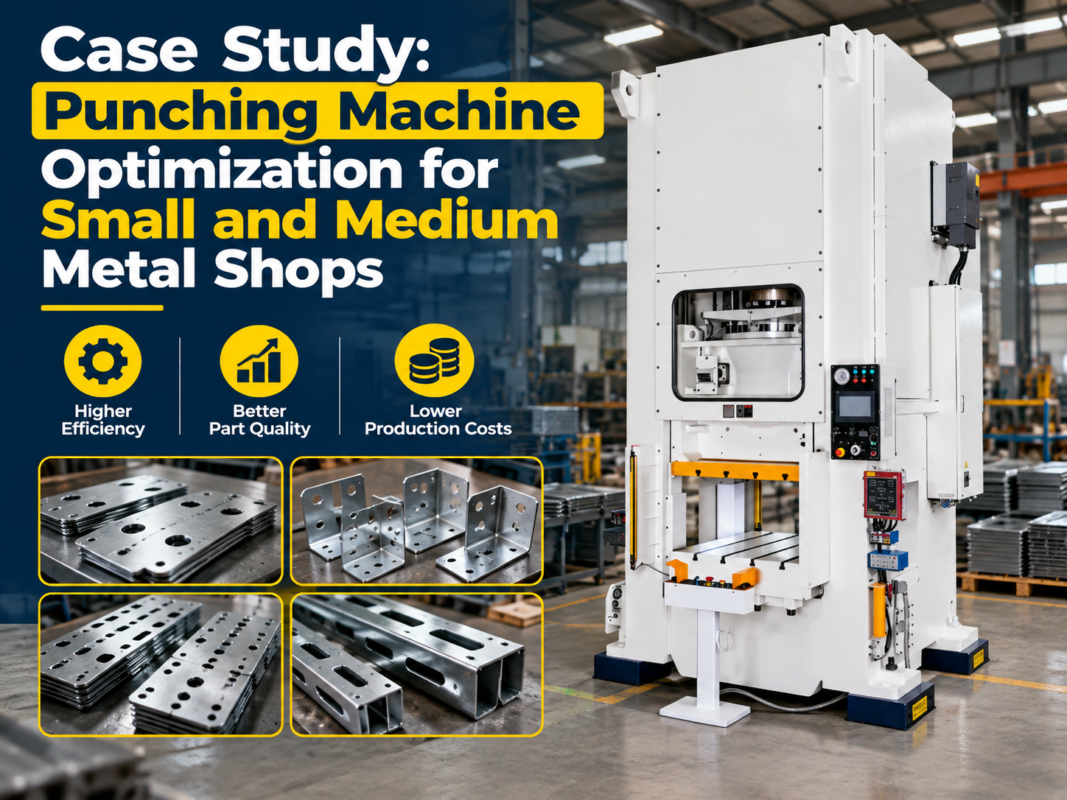
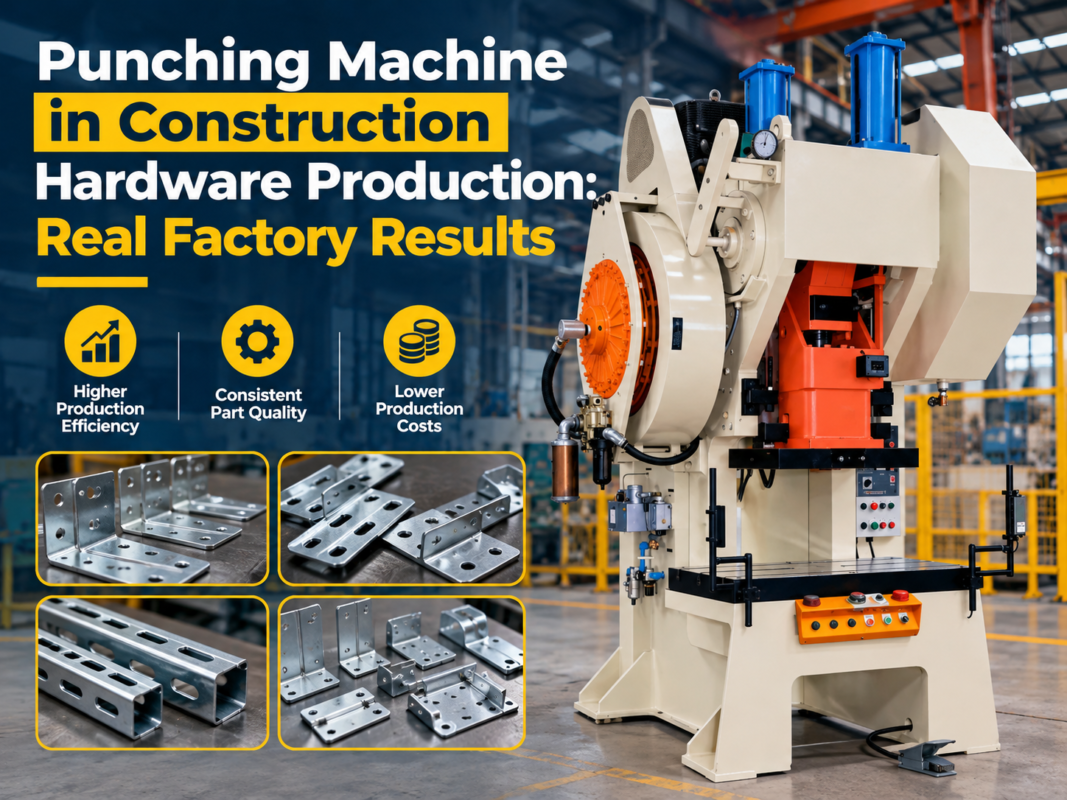
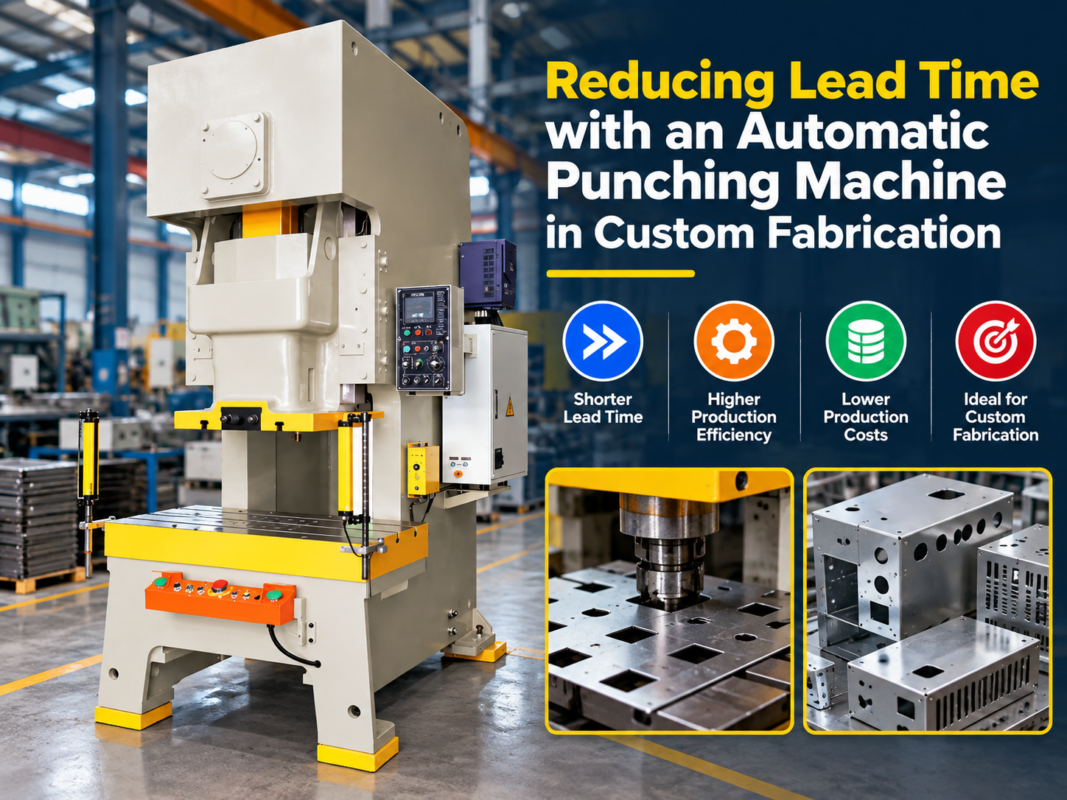
Punching Machine Case Study: Faster Metal Enclosure Fabrication for Electrical Cabinets


Introduction to High-Efficiency Metal Enclosure Fabrication
In the competitive landscape of electrical cabinet manufacturing, the ability to produce high-quality metal enclosures with speed and precision is the primary differentiator. As demand for standardized and custom electrical housings grows, manufacturers are increasingly turning to advanced CNC punching solutions to replace legacy fabrication methods. This article explores a comprehensive Punching Machine Case Study: Faster Metal Enclosure Fabrication Electrical Cabinets, highlighting how HARSLE technology transforms production floors.
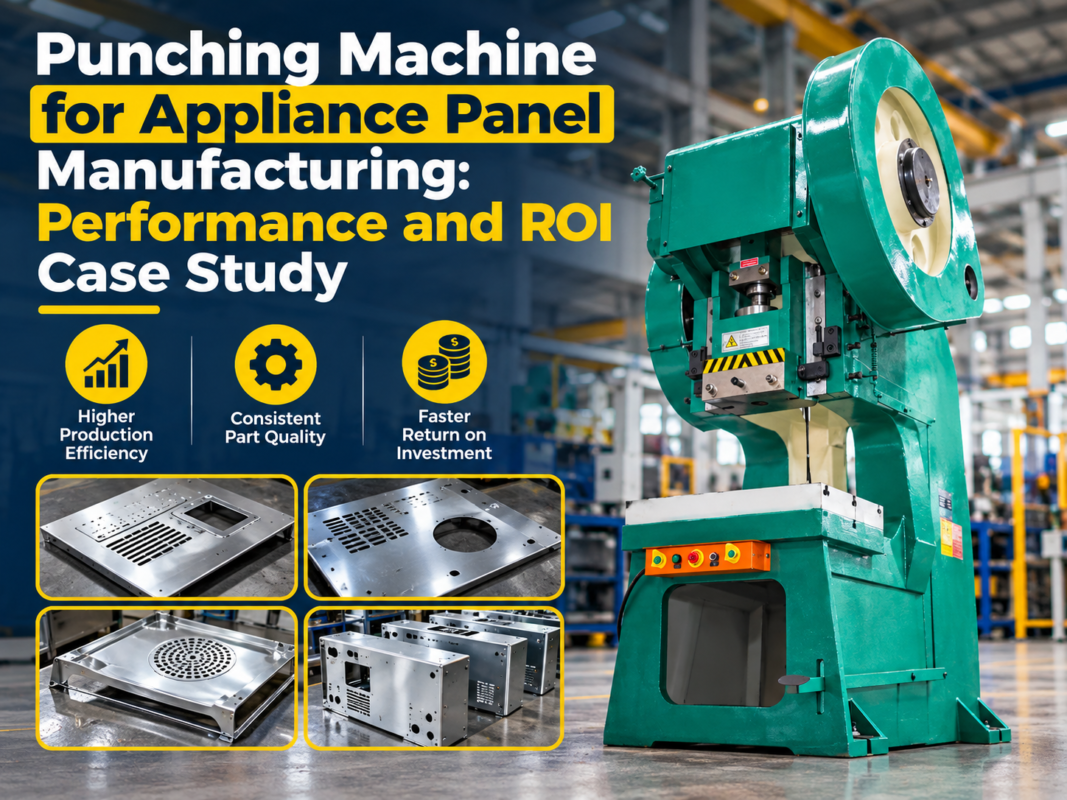
The transition from traditional turret presses or manual fabrication to automated CNC punching machines represents a significant leap in operational efficiency. Electrical cabinets require complex hole patterns for ventilation, cable management, and component mounting. When these tasks are performed manually, the risk of human error increases, and the throughput remains stagnant. By integrating a HARSLE punching machine, fabricators can achieve consistent, repeatable results that meet the stringent requirements of the electrical industry.
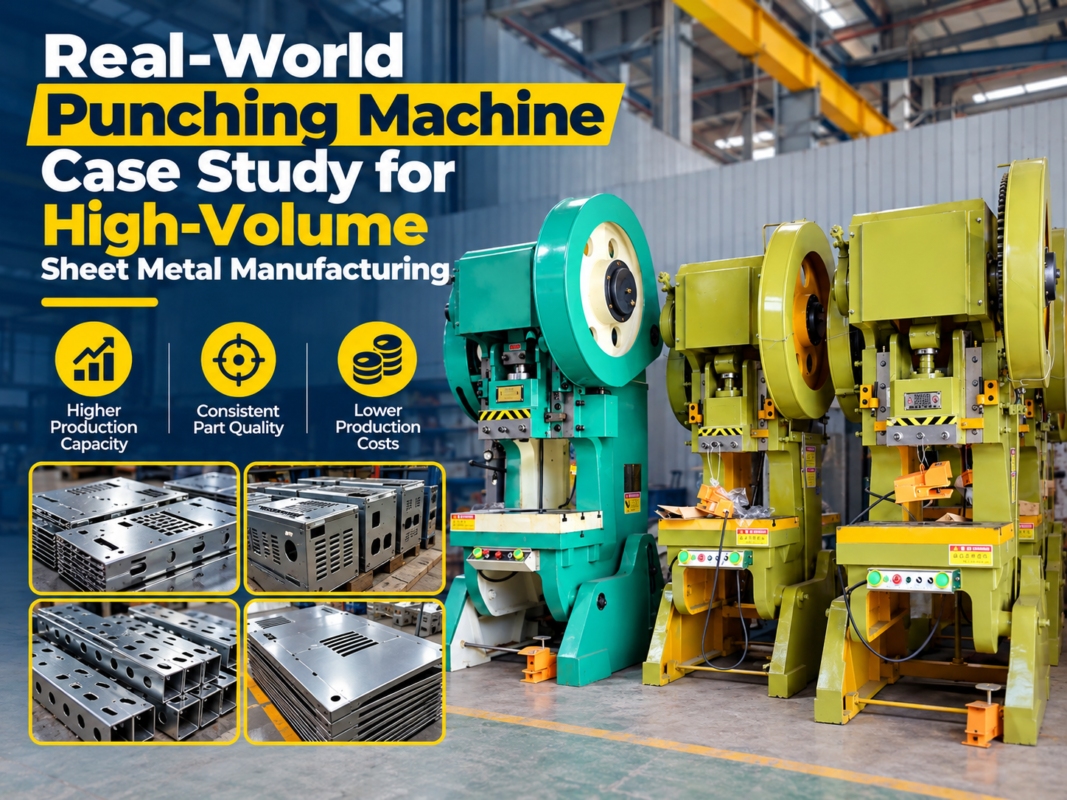
This case study focuses on a mid-sized metal fabrication facility that struggled with bottlenecks in their enclosure production line. By analyzing their workflow before and after the implementation of a HARSLE CNC punching machine, we can identify the specific technical advantages that lead to faster fabrication cycles. The findings provide a roadmap for other manufacturers looking to optimize their production processes and reduce lead times for electrical enclosure projects.
Key Considerations for Electrical Cabinet Production
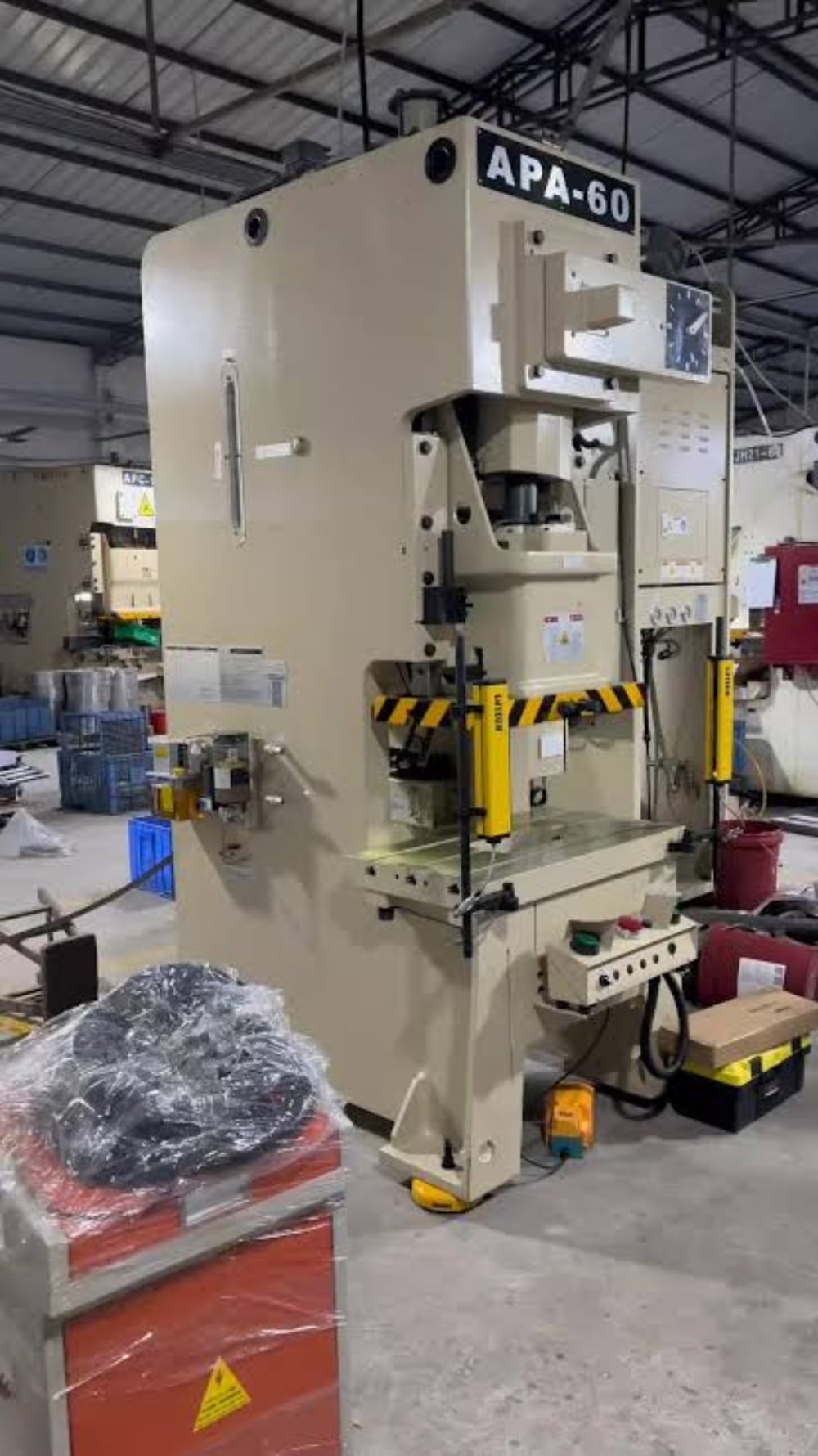
When fabricating electrical cabinets, the primary challenge lies in the diversity of hole patterns and the necessity for high-precision bending and assembly. Manufacturers must balance the need for rapid production with the requirement for structural integrity. The choice of machinery directly impacts the quality of the finished enclosure, particularly regarding the flatness of the sheet metal and the accuracy of the punched apertures.
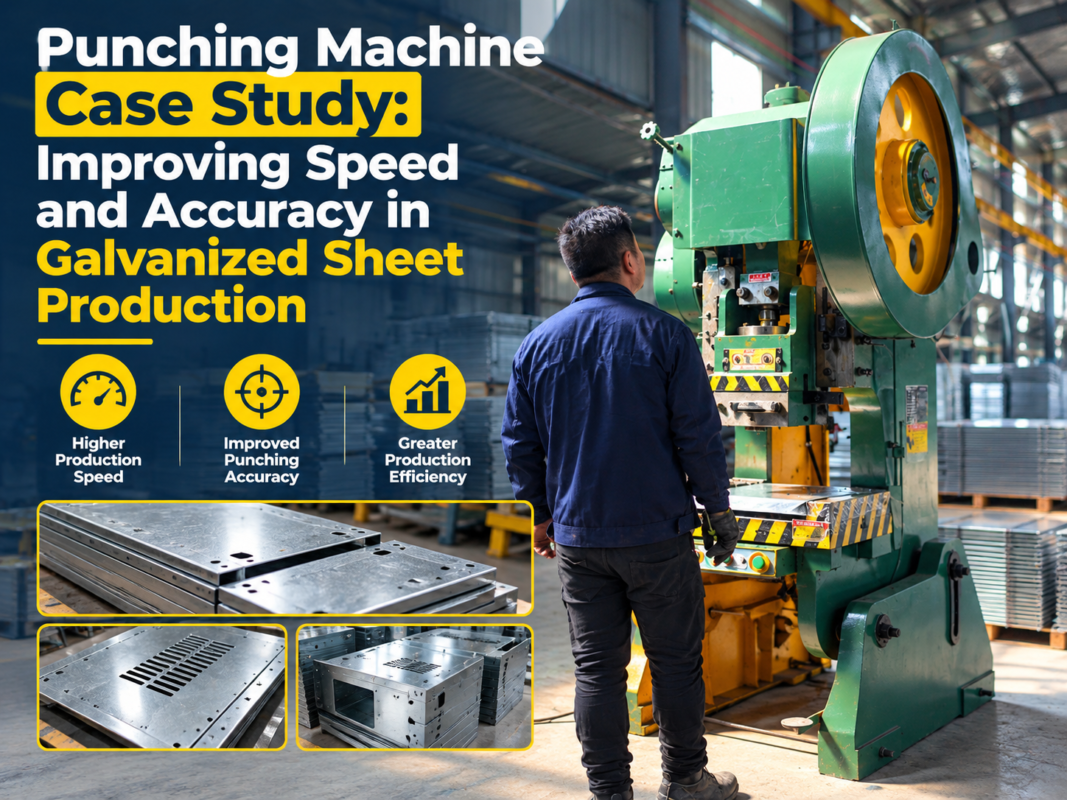
Material handling is another critical consideration. Electrical enclosures are typically fabricated from cold-rolled steel, galvanized steel, or stainless steel. Each material reacts differently to the punching force. A robust punching machine must be capable of handling various thicknesses without causing deformation or burrs that would require secondary finishing. The HARSLE punching machine series is engineered to manage these material variations with ease, ensuring that the integrity of the enclosure is never compromised.
Furthermore, the integration of software into the fabrication process is essential. Modern electrical cabinet designs are often generated in CAD software. The ability to import these designs directly into the punching machine’s control system reduces programming time and eliminates manual data entry errors. This digital workflow is a cornerstone of the faster fabrication speeds observed in our case study, allowing for rapid prototyping and quick changeovers between different cabinet models.
Finally, the environmental impact and energy consumption of the machinery cannot be overlooked. Modern punching machines are designed to be energy-efficient, utilizing servo-driven systems that consume power only during the punching stroke. This not only reduces the operational cost of the facility but also aligns with the growing industry trend toward sustainable manufacturing practices. Selecting the right equipment involves a holistic view of these factors, ensuring long-term viability and profitability.
Technical Details of the HARSLE Punching Solution
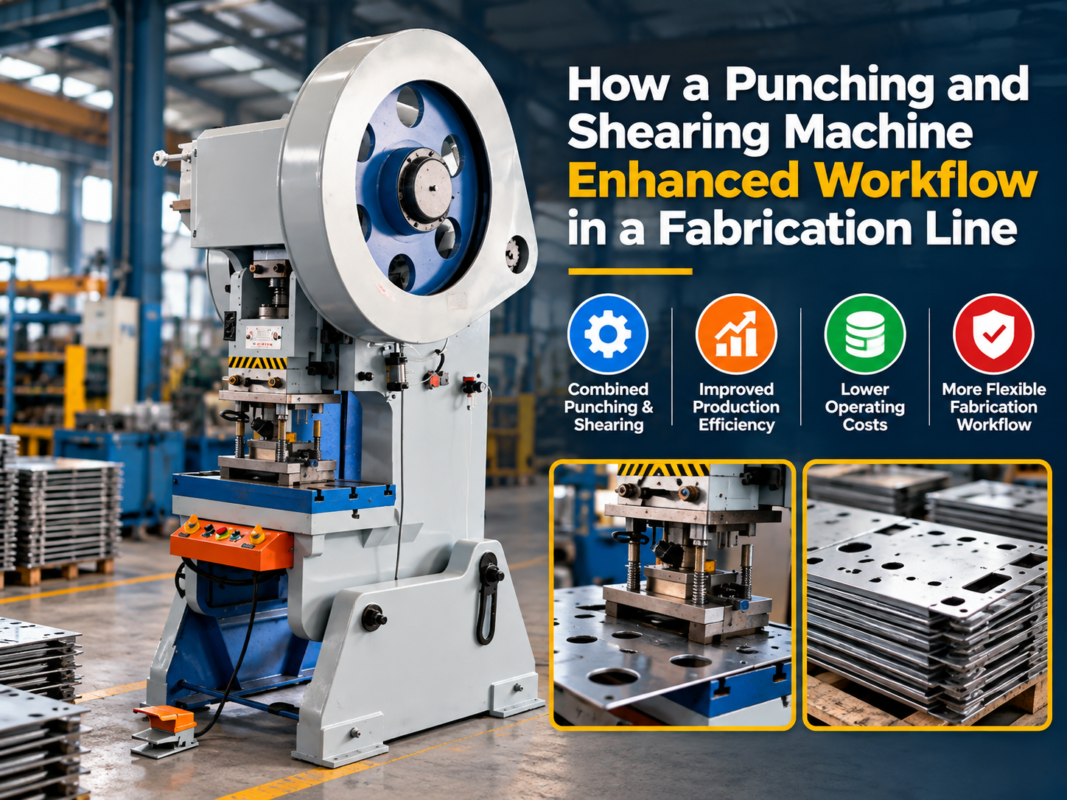
The core of the HARSLE punching machine’s performance lies in its high-speed hydraulic or servo-electric punching head. In our case study, the facility utilized a high-tonnage turret punch press capable of handling a wide array of tools. This versatility is crucial for electrical cabinets, which often require a mix of standard circular holes, rectangular cutouts for displays, and complex louvers for ventilation. The turret design allows for rapid tool changes, minimizing downtime during production runs.
Precision is maintained through a high-accuracy ball screw and linear guide system. These components ensure that the punching head is positioned with micron-level accuracy, which is vital when aligning multiple panels for a single cabinet assembly. Any deviation in hole placement can lead to misalignment during the welding or fastening stage, resulting in scrap and wasted labor. The HARSLE system’s rigid frame design further minimizes vibration, ensuring that the punch remains stable even during high-speed operations.
The control system integrated into the HARSLE machine offers advanced features such as automatic tool lubrication and real-time diagnostic monitoring. These features are essential for maintaining the longevity of the punching tools and the machine itself. By monitoring the force applied during each punch, the system can detect tool wear before it impacts the quality of the enclosure, allowing for proactive maintenance rather than reactive repairs. This level of technical sophistication is what allows the facility to maintain 24/7 production cycles.
Additionally, the machine’s software suite supports nesting optimization. By intelligently arranging the parts on the sheet metal, the machine minimizes material waste, which is a significant cost factor in high-volume electrical enclosure fabrication. The software calculates the most efficient path for the punch head, reducing travel time between hits and further increasing the overall speed of the fabrication process. This technical synergy between hardware and software is the primary driver of the productivity gains documented in this case study.
Selection Advice for Metal Fabrication Equipment
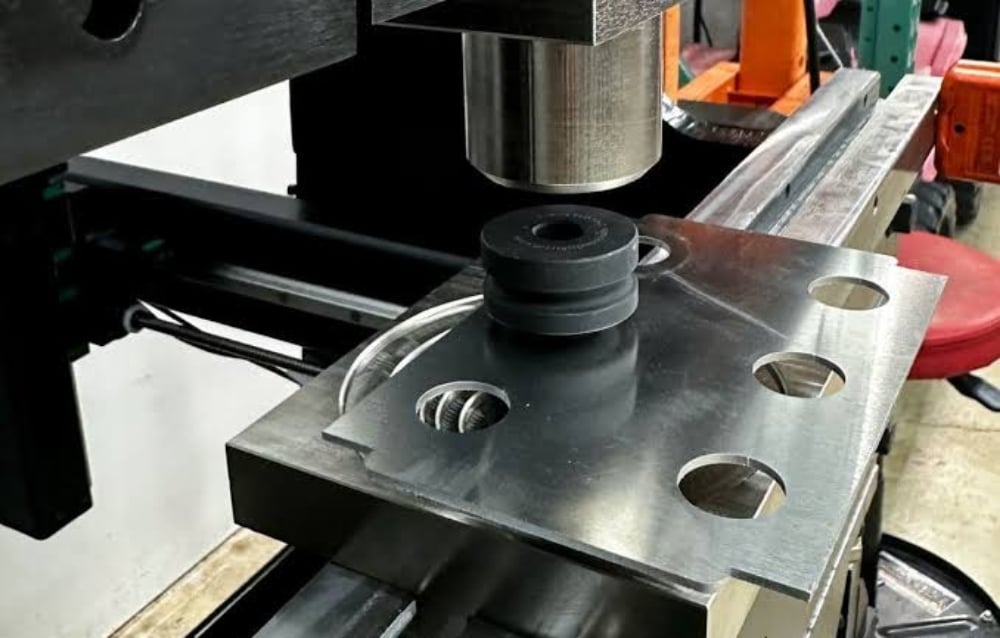
Choosing the right punching machine for your facility requires a thorough assessment of your current and future production needs. Start by analyzing your product mix. If your electrical cabinets vary significantly in size and design, a turret punch press with a large tool capacity is essential. Conversely, if you focus on high-volume production of a few standard models, a specialized punching machine with automated loading and unloading systems may provide a better return on investment.
Consider the tonnage requirements based on the thickness and type of material you process most frequently. While a higher tonnage machine offers more versatility, it also comes with a higher capital cost and energy consumption. It is important to find the “sweet spot” where the machine can handle your thickest material comfortably without being overpowered for your standard production runs. HARSLE offers a range of configurations that can be tailored to these specific requirements, providing a customized solution rather than a one-size-fits-all approach.
Evaluate the service and support network of the manufacturer. Industrial machinery is a long-term investment, and the availability of spare parts, technical training, and remote support is critical. HARSLE provides comprehensive after-sales support, ensuring that your team is trained to operate the machine at peak efficiency and that any technical issues are resolved promptly. This support network is a vital component of the total cost of ownership and should be a primary factor in your decision-making process.
Finally, look for scalability. As your business grows, your fabrication needs may evolve. Opting for a machine that supports modular upgrades—such as the addition of automated material handling systems or advanced software modules—allows you to expand your capabilities without the need for a complete equipment replacement. Investing in a flexible, future-proof platform is the best way to ensure that your investment continues to pay dividends for years to come.
Frequently Asked Questions (FAQ)
How does a CNC punching machine improve the speed of electrical cabinet production?
CNC punching machines automate the hole-making process, allowing for rapid, precise, and repeatable operations. By eliminating manual layout and drilling, and by using automated tool changing, these machines significantly reduce the time required to process each panel, leading to faster overall fabrication cycles.
What materials are best suited for HARSLE punching machines?
HARSLE punching machines are highly versatile and can process a wide range of materials, including cold-rolled steel, stainless steel, aluminum, and galvanized sheets. The machine’s tonnage and tool selection can be adjusted to accommodate different material thicknesses and hardness levels.
How often should I perform maintenance on my punching machine?
Routine maintenance should be performed according to the manufacturer’s schedule, typically involving daily inspections of the punching tools, weekly lubrication of moving parts, and monthly checks of the hydraulic or servo systems. Proactive maintenance is key to preventing downtime and ensuring consistent quality.
Can HARSLE machines be integrated with existing CAD/CAM software?
Yes, HARSLE punching machines are designed for seamless integration with industry-standard CAD/CAM software. This allows for direct import of design files, reducing programming time and minimizing the potential for human error in the fabrication process.
What is the benefit of a turret punch press over other methods?
A turret punch press allows for a large number of tools to be mounted simultaneously. This enables the machine to perform a wide variety of punching, forming, and embossing operations without the need for manual tool changes, making it ideal for the diverse requirements of electrical cabinet fabrication.
Conclusion
The Punching Machine Case Study: Faster Metal Enclosure Fabrication Electrical Cabinets demonstrates that the path to increased productivity lies in the adoption of advanced CNC punching technology. By moving away from manual or semi-automated processes, manufacturers can achieve the precision, speed, and consistency required to thrive in the modern electrical enclosure market. HARSLE’s commitment to engineering excellence and robust support makes their punching machines an ideal partner for fabricators looking to elevate their production capabilities.
As we have explored, the combination of high-speed punching, intelligent software, and reliable material handling creates a powerful synergy that reduces bottlenecks and improves the bottom line. Whether you are a small shop looking to scale or a large manufacturer aiming to optimize your existing lines, the lessons from this case study highlight the importance of choosing the right equipment and maintaining a focus on technological integration. With the right HARSLE solution, your facility can meet the demands of the future, delivering high-quality electrical cabinets faster and more efficiently than ever before.