
Global Hydraulic Press Price Trends: What Affects Market Costs?


Price Range Overview
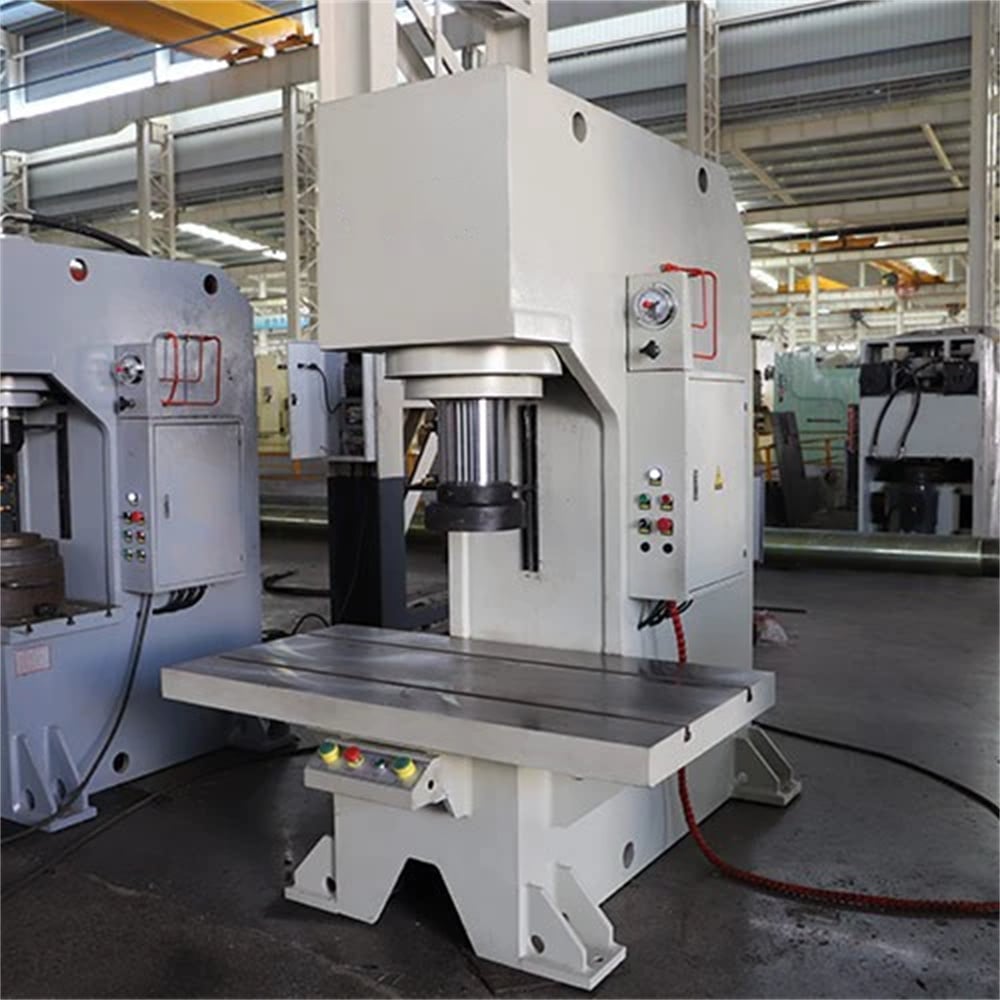
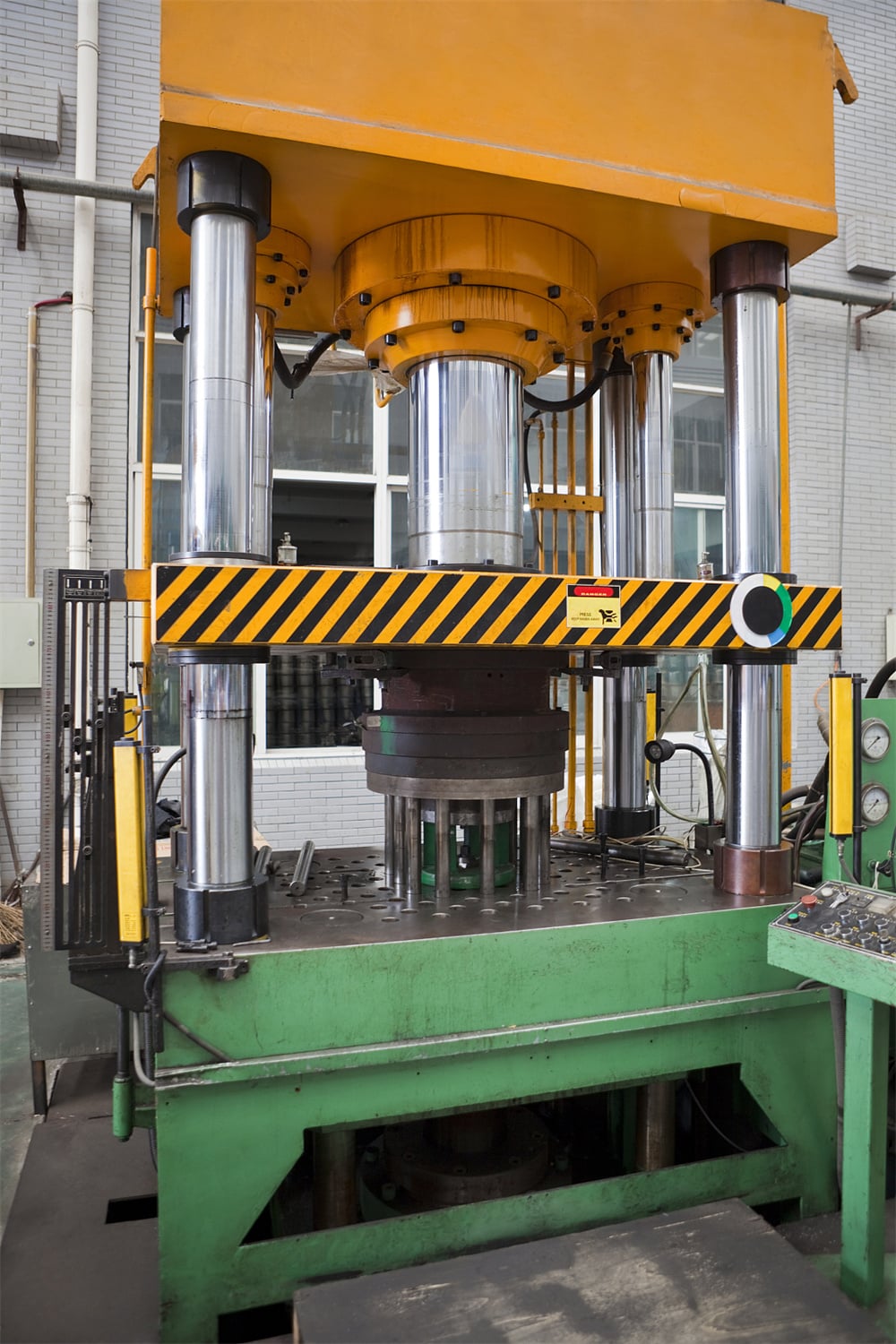
Understanding the global hydraulic press price trends requires a deep dive into the diverse spectrum of machinery available in the market today. Hydraulic presses are not one-size-fits-all solutions; they range from compact, manually operated benchtop units costing a few thousand dollars to massive, multi-ton automated production lines that can exceed several million dollars. For small-to-medium enterprises (SMEs), entry-level C-frame presses often start in the $15,000 to $40,000 range, while heavy-duty four-column presses designed for deep drawing or forging operations command significantly higher price points based on tonnage and bed size.
The market is currently experiencing a shift where price volatility is driven by the integration of Industry 4.0 technologies. While basic hydraulic systems remain relatively stable in cost, the addition of CNC controls, real-time monitoring sensors, and energy-efficient servo-hydraulic systems has created a tiered pricing structure. Buyers must distinguish between the base machine cost and the total cost of ownership, as the initial purchase price is only one component of the long-term financial commitment required for high-performance metal fabrication equipment.
Geographic location also plays a pivotal role in the price range. Manufacturing hubs in Asia, particularly China, offer competitive pricing due to economies of scale and established supply chains, whereas European and North American manufacturers often command a premium for localized support, specific safety certifications, and high-end component integration. As global logistics costs fluctuate, the landed cost of these machines—including shipping, tariffs, and installation—has become a critical factor in the overall investment strategy for fabrication shops worldwide.
Furthermore, the secondary market for hydraulic presses adds another layer of complexity to the price range overview. Used machinery can offer significant cost savings, but it comes with inherent risks regarding wear and tear, outdated safety systems, and lack of warranty. When analyzing global hydraulic press price trends, it is essential to compare “apples to apples” by considering the machine’s age, duty cycle, and the availability of spare parts, which can drastically alter the perceived value of a lower-priced used unit versus a brand-new, warrantied machine from a reputable manufacturer like HARSLE.
Main Cost Drivers
The primary driver of hydraulic press costs is the tonnage capacity. Tonnage represents the force the machine can exert, and as this requirement increases, so does the need for thicker steel frames, larger hydraulic cylinders, and more robust pumping systems. A 100-ton press is significantly cheaper to manufacture than a 1,000-ton press because the latter requires specialized engineering to manage the immense structural stress and fluid pressure involved in heavy-duty metal forming.
Material quality and structural design are equally influential. High-quality hydraulic presses utilize stress-relieved welded steel frames that prevent deformation under load. The cost of raw steel, combined with the precision machining required for guide rails and bed surfaces, accounts for a substantial portion of the machine’s price. Manufacturers who invest in finite element analysis (FEA) to optimize frame design can offer lighter, more efficient machines, but the R&D costs associated with this engineering are often reflected in the final retail price.
Hydraulic components—pumps, valves, and seals—are the “heart” of the press. The industry has seen a move toward high-precision proportional valves and variable displacement pumps. These components are more expensive than standard fixed-displacement systems but offer superior control, repeatability, and energy efficiency. When evaluating global hydraulic press price trends, it is clear that machines equipped with premium-brand hydraulic components (such as Bosch Rexroth or Parker) carry a higher price tag due to their reliability and the ease of sourcing replacement parts globally.
Finally, regulatory compliance and safety features are non-negotiable cost drivers. Modern presses must adhere to strict international safety standards, including light curtains, dual-hand controls, and emergency stop systems. The cost of implementing these safety features, along with the necessary certifications (such as CE or UL), adds to the manufacturing overhead. While these costs increase the initial investment, they are essential for protecting operators and ensuring the longevity of the business by avoiding costly workplace accidents and regulatory fines.
Configuration Impact
The configuration of a hydraulic press is where the final price can fluctuate dramatically based on the specific needs of the application. A standard press might be suitable for simple stamping, but complex operations like deep drawing, hot forging, or powder compaction require specialized configurations. Features such as hydraulic cushions, ejector cylinders, and moving bolsters are add-ons that enhance functionality but also increase the complexity of the hydraulic and electrical systems.
Automation levels represent the most significant configuration-based cost variable. A manual press requires an operator to load and unload parts, whereas an automated press might feature robotic arms, conveyor systems, and automatic tool changers. While these configurations significantly increase the upfront cost, they drastically reduce labor costs and increase throughput. For high-volume production environments, the investment in automation is often the deciding factor in achieving a competitive edge in the global market.
Control systems also dictate the price. Basic relay-logic controls are becoming obsolete, replaced by sophisticated PLC (Programmable Logic Controller) systems with HMI (Human-Machine Interface) touchscreens. These systems allow for precise control over pressure, speed, and dwell time. Advanced configurations may include data logging capabilities, remote diagnostics, and integration with factory-wide ERP systems. The software development and hardware required for these smart features represent a growing portion of the total machine cost.
Energy-saving configurations, such as servo-driven hydraulic systems, are gaining traction. Unlike traditional constant-running motors, servo-hydraulic presses only consume energy when the press is in motion. Although the initial cost of a servo-driven press is higher, the long-term energy savings and reduced heat generation make it an attractive option for companies looking to lower their operational costs and meet sustainability goals. This shift toward energy efficiency is a major trend influencing global hydraulic press price trends as manufacturers prioritize green technology.
Hidden Costs
When budgeting for a hydraulic press, many buyers focus solely on the purchase price, often overlooking the “hidden” costs that can impact the total investment. Shipping and logistics are the first of these. Because hydraulic presses are heavy and often oversized, specialized transport, craning, and rigging services are required to move the machine from the factory floor to its final position. These costs can vary widely depending on the distance and the complexity of the installation site.
Installation and commissioning are another significant expense. A hydraulic press is not a “plug-and-play” device. It requires a solid, reinforced concrete foundation, precise leveling, and professional electrical and hydraulic connections. Many manufacturers require factory-trained technicians to perform the initial startup to validate the warranty. Failing to account for these professional services can lead to unexpected budget overruns and potential damage to the machine if installed incorrectly.
Ongoing maintenance and consumables are often underestimated. Hydraulic oil, filters, seals, and electrical components require periodic replacement. Furthermore, the cost of specialized tooling—dies, molds, and punches—can sometimes exceed the cost of the press itself. Buyers must consider the long-term cost of designing, manufacturing, and maintaining the tooling required for their specific production runs, as this is a recurring expense that directly impacts the profitability of the press.
Training and downtime costs should also be factored in. Operators need to be trained on the specific controls and safety protocols of the new machine. During the transition period, production may slow down as the team adjusts to the new equipment. Additionally, the cost of potential downtime due to unforeseen mechanical issues must be mitigated by investing in a comprehensive service contract or maintaining a stock of critical spare parts on-site. Ignoring these hidden costs can lead to a false sense of economy during the initial purchase phase.
ROI Calculation
Calculating the Return on Investment (ROI) for a hydraulic press requires a comprehensive analysis of both tangible and intangible benefits. The basic formula involves subtracting the total cost of ownership (purchase price + installation + maintenance + energy + labor) from the total revenue generated by the machine over its expected lifespan. However, the true value lies in the increased efficiency and quality that a new machine brings to the fabrication process.
To calculate ROI accurately, start by determining the production capacity increase. If the new press can produce parts 30% faster than the old equipment, the labor cost per part decreases significantly. Combine this with the reduction in scrap rates—modern presses with precise pressure control produce fewer defective parts, saving on material costs and rework time. These savings, when projected over several years, often reveal that a higher-priced, more efficient machine pays for itself faster than a cheaper, less reliable alternative.
Consider the impact on product quality and market competitiveness. A hydraulic press that offers higher repeatability and precision allows a company to take on more complex, high-margin projects that were previously impossible. This expansion of capabilities can lead to new revenue streams that are not directly tied to the speed of production but to the value-add of the finished product. These intangible benefits should be quantified as part of the overall ROI strategy.
Finally, factor in the tax benefits and depreciation. Many jurisdictions offer tax incentives for capital investments in manufacturing equipment, which can effectively lower the net cost of the press. By working with a financial advisor to understand the depreciation schedule and potential tax credits, businesses can optimize their cash flow and improve the overall ROI of their investment. A well-planned ROI analysis transforms the purchase of a hydraulic press from a simple expense into a strategic growth initiative.
Buying Advice
When navigating the market, the first piece of advice is to clearly define your application requirements. Do not over-specify the machine; buying a 500-ton press when your work only requires 100 tons is a waste of capital and energy. Conversely, under-specifying can lead to premature machine failure and poor part quality. Consult with engineers to determine the exact force, bed size, and stroke length needed for your current and projected production needs.
Always prioritize the reputation of the manufacturer. Look for companies with a proven track record, transparent technical support, and a robust supply chain for spare parts. HARSLE, for example, provides comprehensive documentation and support that ensures the longevity of the equipment. Check for references, visit existing installations if possible, and ask about the availability of remote diagnostics, which can save days of downtime by allowing technicians to troubleshoot issues over the internet.
Evaluate the total cost of ownership rather than just the sticker price. A machine that is slightly more expensive but comes with a longer warranty, better energy efficiency, and a reputation for low maintenance will almost always be the better financial decision. Ask the manufacturer for a detailed breakdown of the machine’s energy consumption and the expected maintenance schedule. This transparency is a hallmark of a reliable partner in the metal fabrication industry.
Lastly, consider the future-proofing of your investment. As the industry moves toward automation and data-driven manufacturing, ensure that the press you buy today has the capability to be upgraded or integrated with future technologies. A machine with an open-architecture control system is much easier to adapt to new software or robotic interfaces than a proprietary, closed system. By focusing on quality, support, and scalability, you can make an informed decision that will serve your business for decades.
FAQ
- What is the average lifespan of a hydraulic press? With proper maintenance, a high-quality hydraulic press can last 20 to 30 years or more.
- How does tonnage affect the price? Tonnage is the primary cost driver; higher tonnage requires heavier steel frames and more powerful hydraulic systems, increasing the price.
- Are servo-hydraulic presses worth the extra cost? Yes, for high-volume production, the energy savings and improved control often justify the higher initial investment.
- What should I look for in a hydraulic press warranty? Look for coverage on major structural components and hydraulic systems, along with clear terms regarding technical support and spare parts availability.
- How do global logistics affect the price of a press? Shipping, tariffs, and import duties can add 10-25% to the base price of a machine, depending on the origin and destination.


