Why Laser Cutting Machine Edge Warping Happens and How to Control It: A Comprehensive Guide


Introduction
In the precision-driven world of metal fabrication, achieving a clean, flat, and burr-free edge is the hallmark of quality. However, operators often face a frustrating challenge: edge warping. Understanding why laser cutting machine edge warping happens and how to control it is essential for any workshop aiming to maintain high production standards. When metal sheets deform or curl at the edges during the cutting process, it not only compromises the aesthetic appeal of the part but often renders it unusable for assembly, leading to significant material waste and increased costs.
At HARSLE, we recognize that laser cutting is a complex thermal process. The interaction between the high-energy laser beam and the metal substrate involves rapid heating and cooling cycles. When these cycles are not perfectly balanced, internal stresses are released, causing the material to warp. This guide explores the root causes of this phenomenon and provides actionable strategies to mitigate it, ensuring your HARSLE fiber laser cutting machine operates at peak efficiency.
Whether you are working with thin stainless steel sheets or thick carbon steel plates, the principles of thermal management remain the same. By adjusting parameters such as laser power, cutting speed, gas pressure, and nozzle alignment, operators can regain control over the cutting process. This article serves as a technical roadmap for troubleshooting and preventing edge warping, helping you optimize your workflow and improve overall output quality.
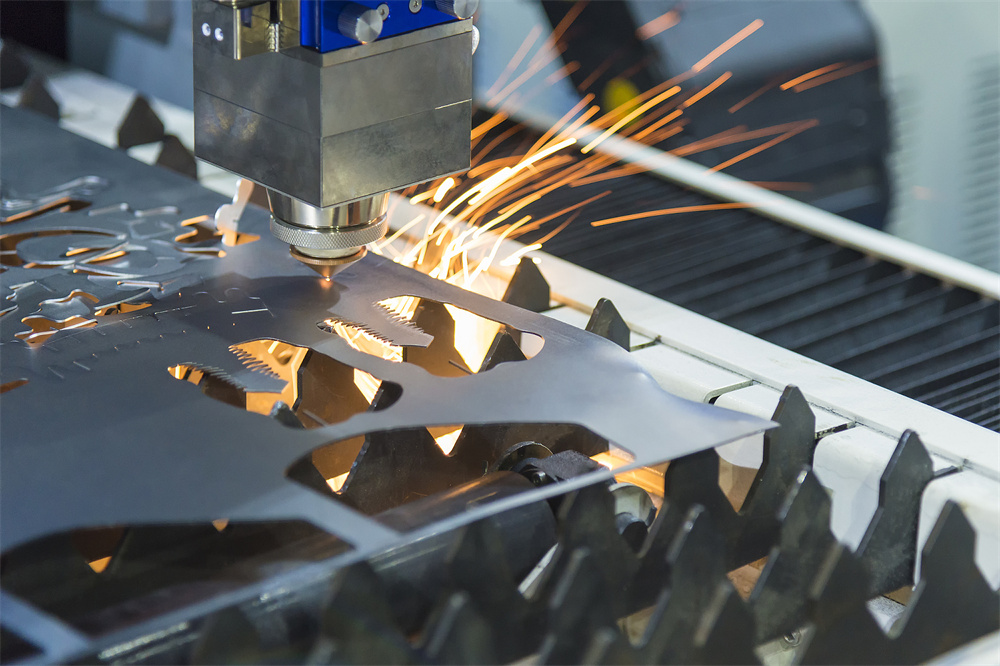
Key Considerations: Why Laser Cutting Machine Edge Warping Happens
The primary reason why laser cutting machine edge warping happens is the uneven distribution of thermal energy. When a laser beam strikes the metal, it creates a localized heat-affected zone (HAZ). If the heat input is too high relative to the cutting speed, the material surrounding the cut path expands rapidly. Because the surrounding cold metal restricts this expansion, the material is forced to buckle or warp. This is particularly prevalent in thin-gauge materials where the structural rigidity is insufficient to resist thermal stresses.
Another critical factor is the choice of assist gas. Oxygen, nitrogen, and compressed air each interact differently with the molten metal. Oxygen, for instance, creates an exothermic reaction that adds significant heat to the cutting zone. If the flow rate is not optimized, this excess heat can lead to localized melting and warping at the edges. Conversely, nitrogen is an inert gas that relies on high pressure to blow away molten material; if the pressure is insufficient, the molten metal lingers, transferring heat into the workpiece and causing deformation.
Material properties also play a significant role. Metals with high thermal conductivity, such as aluminum or copper, dissipate heat quickly, which can sometimes lead to warping if the laser parameters are not adjusted to compensate for the rapid heat transfer. Furthermore, internal stresses already present in the raw material—often caused by the rolling process at the steel mill—can be released when the laser cuts through the sheet, causing the edges to spring up or curl.
Finally, the mechanical setup of the machine itself cannot be overlooked. If the support slats of the cutting bed are worn or uneven, the workpiece may not be properly leveled. A lack of contact with the support bed prevents effective heat dissipation through conduction, leaving the heat trapped in the workpiece. Ensuring that your HARSLE machine is properly calibrated and that the support bed is in good condition is the first step in controlling edge warping.
Technical Details: How to Control Edge Warping
To effectively control edge warping, operators must adopt a systematic approach to parameter optimization. The first step is to balance the laser power and cutting speed. A common mistake is using too much power for the thickness of the material. By reducing the power and increasing the speed, you minimize the time the laser spends in one spot, thereby reducing the size of the heat-affected zone. This ‘fast and cool’ approach is the most effective way to prevent thermal distortion.
Adjusting the focus position is another technical lever. A positive focus position is often used for thicker materials, while a negative focus position can help in specific cutting scenarios to concentrate energy more effectively. If the focus is too wide, the heat spreads over a larger area, increasing the likelihood of warping. By narrowing the focus and ensuring the beam is perfectly perpendicular to the material surface, you can achieve a cleaner cut with less thermal impact.
The use of pulse cutting modes can also be a game-changer. Instead of a continuous wave, pulse cutting allows the material to cool slightly between each pulse. This intermittent heating cycle significantly reduces the total heat input into the workpiece. For intricate parts or thin sheets where warping is a constant threat, switching to a pulsed laser mode can provide the necessary control to maintain flatness without sacrificing cutting quality.
Nozzle selection and alignment are equally vital. A nozzle that is damaged or misaligned will cause the assist gas to flow unevenly, leading to inconsistent cooling and potential warping. Regularly inspecting the nozzle for burrs or debris and ensuring it is perfectly centered with the laser beam is a standard maintenance task that pays dividends in part quality. Additionally, using a smaller nozzle diameter can increase gas velocity, which helps in ejecting molten metal faster and cooling the edge more effectively.
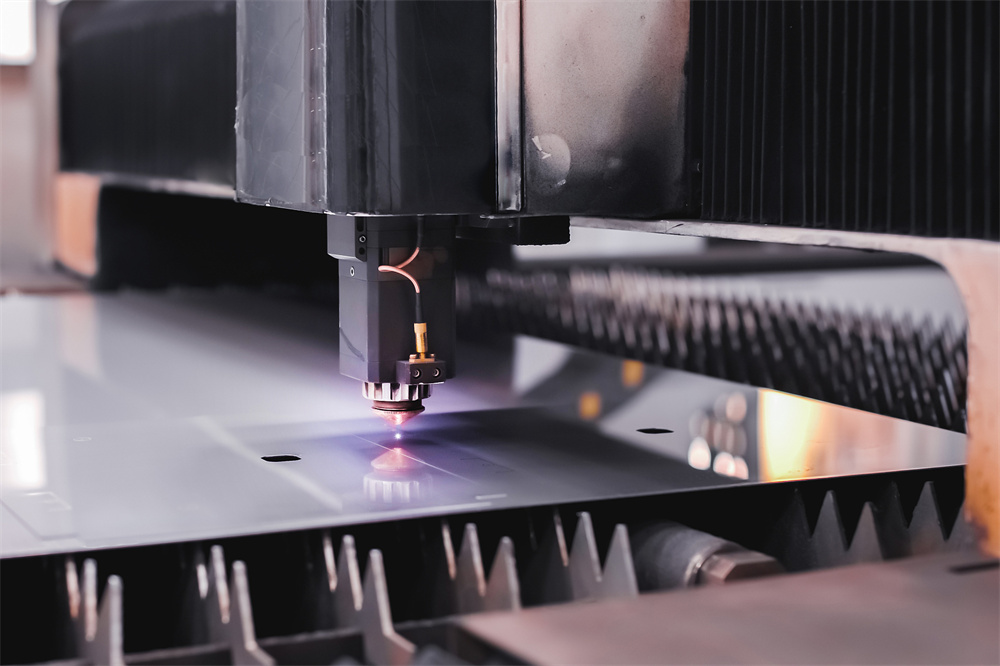
Selection Advice: Choosing the Right Equipment
When selecting a laser cutting machine, it is important to consider the features that help prevent warping. High-end fiber laser machines, like those offered by HARSLE, come equipped with advanced control systems that allow for real-time parameter adjustment. Look for machines that offer ‘cool-cut’ technology or specialized software features that automatically adjust power and speed during cornering, where heat buildup is most likely to occur.
The rigidity of the machine frame is another critical selection criterion. A heavy-duty, stress-relieved steel frame ensures that the machine remains stable during high-speed operations. If the machine frame vibrates or flexes, the laser beam path will be compromised, leading to inconsistent cuts and potential warping. Investing in a machine with a robust gantry and high-precision drive systems is essential for long-term quality control.
Consider the material handling capabilities of the machine. An automatic pallet changer allows for continuous production, but it also ensures that the material is loaded and unloaded without manual handling, which can introduce stresses. Furthermore, look for machines that offer integrated cooling systems for the cutting head, as this helps maintain consistent temperatures during long production runs, preventing the heat from the head from transferring to the workpiece.
Finally, evaluate the software support. Modern nesting software can optimize the cutting path to ensure that the laser does not cut two adjacent parts in quick succession, which would concentrate heat in one area of the sheet. By using ‘common line cutting’ or ‘bridge cutting’ strategies, the software can help distribute the thermal load across the entire sheet, significantly reducing the risk of warping. Always choose a manufacturer that provides comprehensive training on these software features.
FAQ: Common Questions About Laser Cutting Edge Warping
Why does my stainless steel warp more than carbon steel?
Stainless steel has a lower thermal conductivity than carbon steel, meaning it holds onto heat longer. This causes the heat to accumulate in the cutting zone, leading to greater thermal expansion and warping. Using nitrogen as an assist gas and optimizing pulse settings can help manage this.
Does the thickness of the material affect warping?
Yes. Thin materials are more susceptible to warping because they lack the structural mass to absorb thermal energy. Thicker materials are more rigid, but they require higher power, which can lead to other issues like dross if not managed correctly.
Can a worn-out nozzle cause warping?
Absolutely. A worn or damaged nozzle disrupts the gas flow, leading to uneven cooling and inconsistent cutting. This often results in localized overheating, which is a primary cause of edge warping.
How does nesting affect warping?
Poor nesting can lead to heat concentration. If parts are cut too close together in a short time, the sheet becomes overheated. Proper nesting strategies, such as spacing parts out or using a ‘heat-sink’ approach, can mitigate this.
Is there a specific gas pressure that prevents warping?
There is no single ‘magic’ pressure. It depends on the material type and thickness. Generally, higher pressure helps cool the edge faster, but it must be balanced with the cutting speed to ensure the molten metal is ejected cleanly.
Conclusion
Understanding why laser cutting machine edge warping happens and how to control it is a journey of continuous improvement. By mastering the relationship between thermal input, gas dynamics, and machine settings, you can transform your production quality. Edge warping is not an inevitable consequence of laser cutting; it is a technical challenge that can be overcome with the right knowledge and equipment.
At HARSLE, we are committed to providing our customers with not just high-performance machinery, but the expertise required to succeed in the competitive metal fabrication industry. From selecting the right fiber laser for your specific needs to fine-tuning your cutting parameters, we are here to support your growth. Remember that regular maintenance, proper nozzle care, and intelligent nesting are your best defenses against thermal deformation. By implementing the strategies outlined in this guide, you will be well on your way to achieving perfectly flat, high-quality edges on every project.
For those looking to upgrade their fabrication capabilities, exploring HARSLE’s range of fiber laser cutting machines is the next logical step. Our machines are designed with the latest technology to minimize thermal impact and maximize precision. Contact our technical team today to discuss how we can help you optimize your cutting process and eliminate edge warping once and for all.