
Kaufleitfaden für Stanzmaschinen zur Blechbearbeitung: Spezifikationen, Werkzeuge und Leistungstipps


Price Range Overview
Investing in a high-quality punching machine is a significant capital expenditure that requires a deep understanding of the market landscape. For HARSLE clients, the price range for industrial-grade punching machines varies drastically based on the level of automation, tonnage capacity, and the complexity of the control system. Entry-level mechanical punching machines may start in the lower five-figure range, suitable for smaller workshops or specific, repetitive tasks. However, as you move toward high-speed CNC turret punching machines, the investment can scale into the mid-to-high six-figure range.
The market is segmented into three primary tiers: manual/semi-automatic, hydraulic CNC, and high-speed servo-electric systems. Manual machines are cost-effective but limited in throughput and precision. Hydraulic CNC machines represent the industry standard for versatility, offering a balance between robust force and programmable accuracy. Servo-electric machines, while carrying a higher initial price tag, offer superior energy efficiency and faster hit rates, making them ideal for high-volume production environments where uptime is critical.
When evaluating the price, it is essential to look beyond the base unit cost. A machine’s price is often tied to its frame construction, the quality of the drive components, and the sophistication of the software interface. HARSLE emphasizes that the cheapest machine is rarely the most economical over a five-year lifecycle. Factors such as the availability of spare parts, the ease of integration into existing production lines, and the manufacturer’s support network play a pivotal role in the total cost of ownership.
Furthermore, the geographic origin of the components and the level of customization required for your specific sheet metal fabrication needs will influence the final quote. Custom tool changers, specialized loading/unloading systems, and advanced software modules for nesting and simulation can add significant value—and cost—to the base machine. Understanding these price tiers allows fabrication managers to align their budget with their actual production requirements rather than over-specifying or under-investing.
Main Cost Drivers
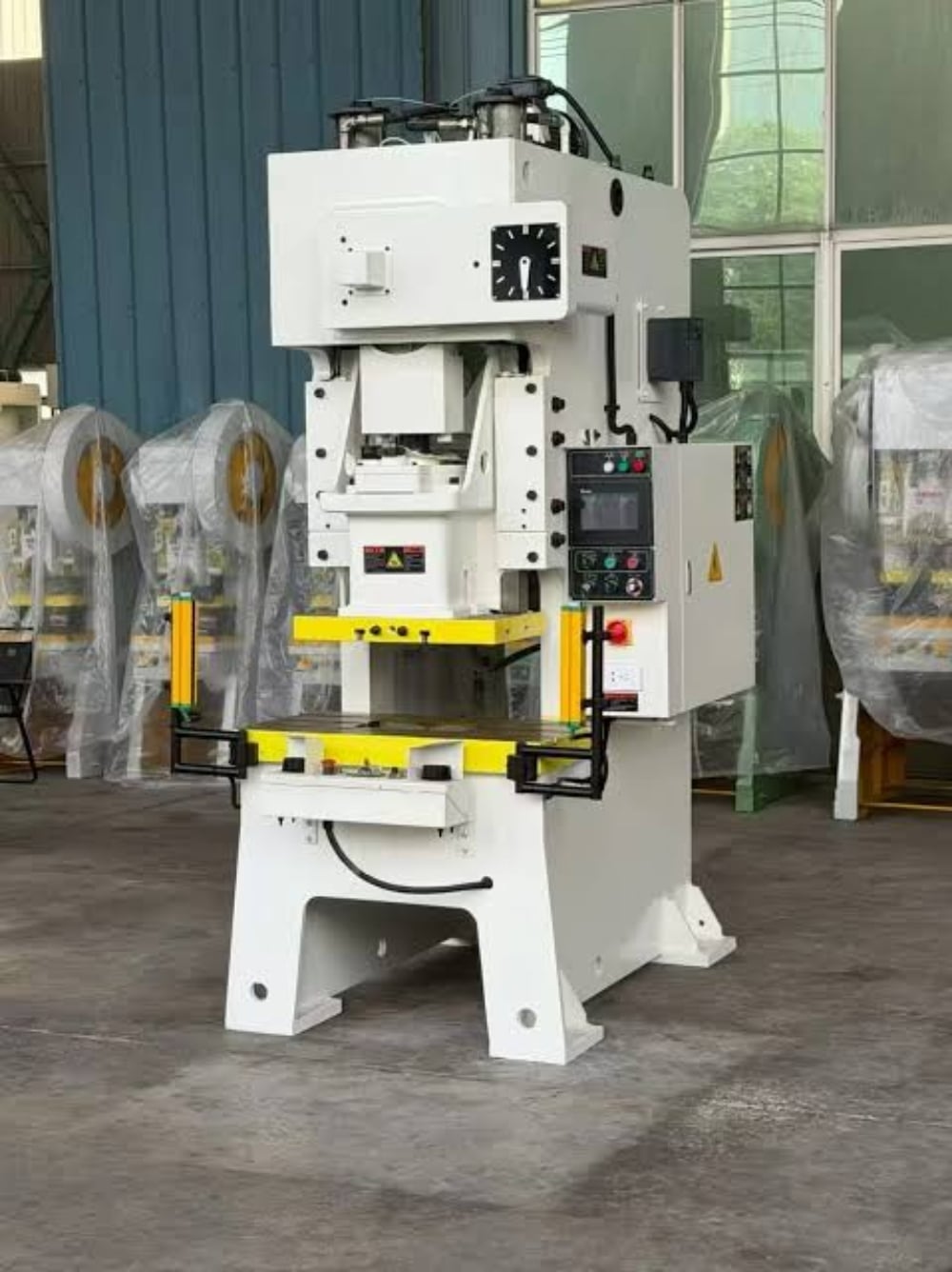
The primary cost driver in any punching machine is the tonnage capacity. Tonnage determines the thickness and material type the machine can process. A machine designed for 30-ton capacity will naturally cost more than a 15-ton variant due to the increased structural reinforcement required to handle the higher force without deflection. Choosing the right tonnage is a delicate balance; under-specifying leads to machine strain and poor edge quality, while over-specifying ties up capital in unused capacity.
Another major cost factor is the turret configuration. The number of stations, the presence of auto-index stations, and the tool change speed are critical variables. A turret with 30+ stations including multiple auto-index capabilities allows for more complex parts to be completed in a single setup, significantly reducing secondary operations. However, the complexity of the turret mechanism and the precision required for tool alignment drive the price upward. For high-mix, low-volume shops, a more complex turret is an essential investment.
The control system and software integration represent the “brains” of the operation. Modern CNC controllers from reputable brands offer advanced features like real-time diagnostics, remote monitoring, and seamless integration with CAD/CAM software. These systems reduce programming time and minimize human error. While basic controllers are sufficient for simple punching, advanced controllers that support complex nesting and automatic tool path optimization are major cost drivers that pay for themselves through increased material utilization and reduced cycle times.
Finally, the drive technology—whether hydraulic, pneumatic, or servo-electric—dictates both the initial cost and the long-term operating expenses. Hydraulic systems are reliable and powerful but require regular fluid maintenance and consume more energy. Servo-electric drives are quieter, faster, and more energy-efficient, but they utilize sophisticated motor technology that increases the initial purchase price. Evaluating these drivers against your specific production volume is the key to a smart procurement strategy.
Configuration Impact
Configuration is where the machine is tailored to your specific fabrication workflow. A standard machine might be sufficient for basic panels, but if your production involves intricate patterns, louvers, or complex forming operations, the configuration must be adjusted accordingly. The inclusion of forming tools, such as bridge lances or embossing dies, requires a machine with a programmable ram stroke and precise depth control. If your configuration lacks these capabilities, you will be forced to outsource these operations, increasing lead times and costs.
The material handling configuration is equally important. For high-volume shops, manual loading and unloading are bottlenecks that negate the speed of the punch press. Integrating automatic sheet loaders, part pickers, and scrap conveyors can transform a standalone machine into a fully automated cell. While this significantly increases the footprint and the initial investment, the impact on throughput is exponential. HARSLE recommends analyzing your current labor costs and material handling bottlenecks before finalizing your configuration.
Tooling compatibility is another aspect of configuration that is often overlooked. Some machines use proprietary tooling systems, while others are compatible with industry-standard thick or thin turret tooling. Opting for a machine that uses standard tooling provides greater flexibility in sourcing tools from various vendors and ensures that you are not locked into a single supplier’s pricing structure. This long-term strategic flexibility is a critical component of a successful machine configuration.
Lastly, consider the software configuration. Does the machine support offline programming? Can it import DXF or DWG files directly? The ability to simulate the punching process before the sheet hits the machine prevents costly collisions and material waste. A well-configured machine includes software that manages tool life, tracks hit counts, and alerts operators when maintenance is required. This level of digital configuration is what separates a modern fabrication facility from a legacy shop.
Hidden Costs
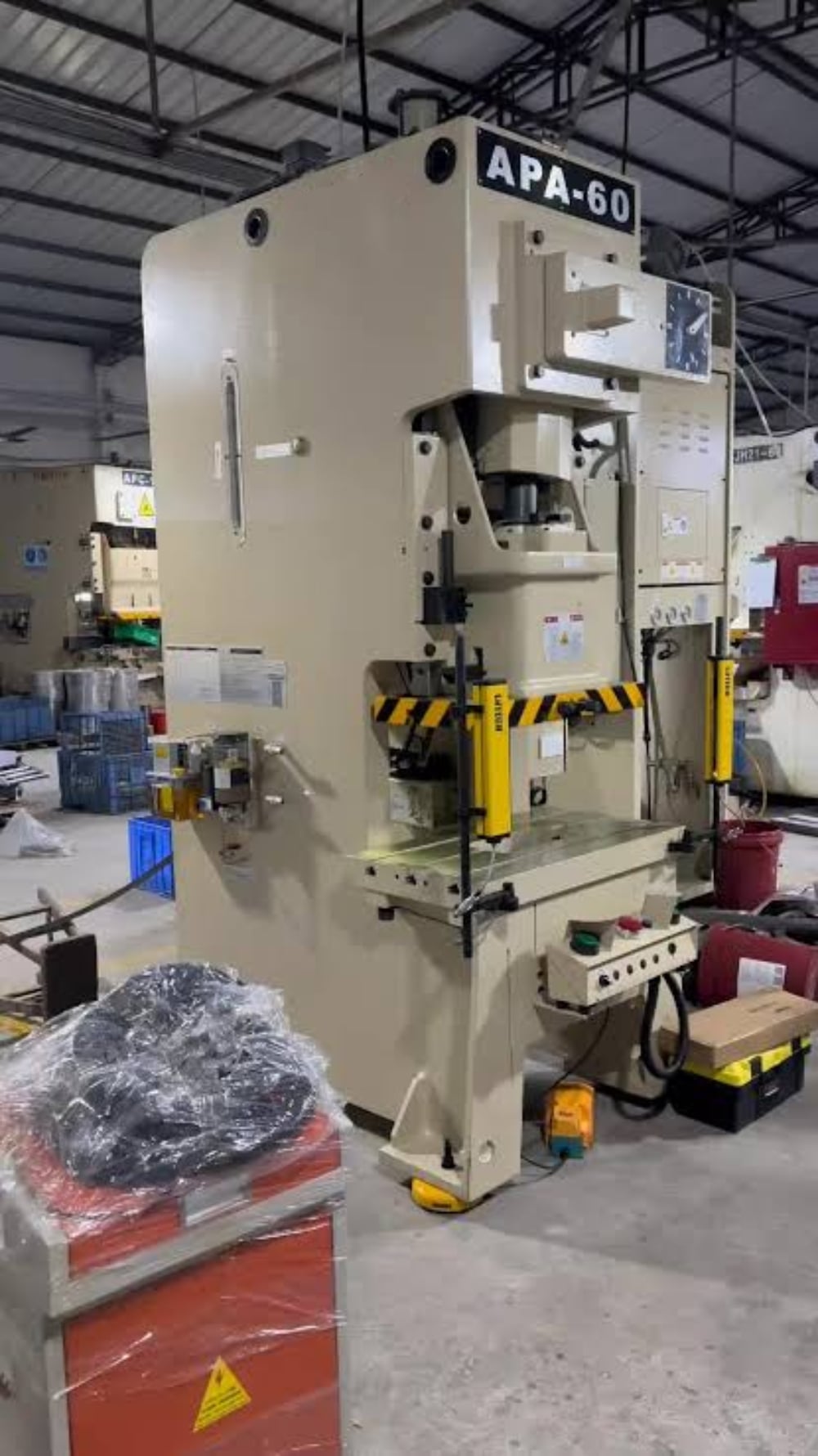
When budgeting for a punching machine, many buyers focus solely on the sticker price, ignoring the “hidden” costs that emerge during installation and operation. Foundation requirements are a primary example. High-tonnage machines often require a reinforced concrete slab to dampen vibrations and ensure precision. If your facility floor is not prepared, the cost of excavation, pouring, and curing can be substantial. Always consult the manufacturer’s installation manual early in the buying process.
Energy consumption and utility requirements are ongoing hidden costs. Hydraulic systems require cooling units, which add to the electrical load and maintenance schedule. Furthermore, compressed air quality is vital for pneumatic components. If your facility’s air supply is not clean and dry, you will face premature failure of valves and cylinders. Investing in a high-quality air dryer and filtration system is an essential, yet often overlooked, part of the initial setup cost.
Tooling maintenance and replacement costs are frequently underestimated. Punching is a high-impact process that wears down dies and punches over time. Depending on the material thickness and type (e.g., stainless steel vs. aluminum), your tooling budget can be significant. You must factor in the cost of a tool grinder or the expense of outsourcing tool sharpening. Neglecting tool maintenance leads to burrs on the parts, which necessitates secondary deburring operations—a hidden labor cost that eats into your profit margins.
Training and downtime are also significant factors. Even the most intuitive CNC controller requires operator training. If your team is not proficient, the machine will operate at a fraction of its potential, or worse, suffer damage due to operator error. Additionally, consider the cost of service contracts and the availability of local technicians. A machine that is down for a week while waiting for a part from overseas is far more expensive than a slightly more expensive machine supported by a local service network.
ROI Calculation
Calculating the Return on Investment (ROI) for a punching machine requires a comprehensive look at your current production metrics. Start by calculating the cost per part on your existing equipment. Include labor, material waste, energy, and secondary operations like deburring or manual forming. Then, estimate the cost per part using the new machine, factoring in higher hit rates, reduced setup times, and improved material utilization through better nesting software.
The formula for ROI is generally: (Annual Savings from New Machine / Total Investment Cost) x 100. However, this should also account for the “opportunity cost” of not upgrading. If your competitors are using faster, more precise machines, you are losing market share due to longer lead times and higher prices. A new punching machine can open doors to new contracts that were previously impossible to fulfill, providing a revenue-based ROI that goes beyond simple cost savings.
Consider the reduction in scrap rates. Modern CNC punching machines, when paired with advanced nesting software, can reduce material waste by 10-20%. In an industry where raw material costs are a significant portion of the total product cost, this reduction alone can pay for the machine over a few years. Furthermore, the ability to produce parts with higher precision reduces the need for quality control rejections and rework, further improving your bottom line.
Finally, factor in the resale value. High-quality industrial machinery from reputable brands like HARSLE maintains its value well. When calculating your long-term ROI, consider the machine as an asset that can be liquidated or traded in after 7-10 years. By combining operational savings, increased capacity, and asset value, you can build a compelling business case for the investment that satisfies even the most skeptical financial stakeholders.
Buying Advice
Before signing a purchase agreement, conduct a thorough “needs analysis.” Do not buy for the capacity you think you might need in five years; buy for the capacity you need today, with a reasonable buffer for growth. If you primarily work with thin-gauge sheet metal, a 20-ton machine is likely sufficient. If you are regularly punching 6mm steel, you need to step up to a 30-ton or higher machine. Over-specifying leads to higher energy costs and slower cycle times due to the heavier ram mass.
Request a test run with your own materials and drawings. Any reputable manufacturer should be willing to demonstrate the machine’s capabilities using your specific files. This test run will reveal the machine’s true speed, the quality of the edges, and the ease of the programming interface. It is also an excellent opportunity to observe the noise levels and the ergonomics of the operator station, which are critical for long-term productivity and employee satisfaction.
Evaluate the manufacturer’s support ecosystem. Ask about the availability of spare parts, the response time for service calls, and the quality of the training provided. A machine is only as good as the support behind it. Check if the manufacturer offers remote diagnostics, which can often resolve software-related issues without the need for a site visit. This level of support is invaluable for maintaining high uptime in a busy fabrication shop.
Finally, look for modularity. Can the machine be upgraded later? Can it be integrated into a larger automated cell? A machine that can grow with your business is a much safer investment than a rigid, “all-in-one” system that cannot be adapted to future technological shifts. By focusing on flexibility, support, and real-world performance, you ensure that your punching machine remains a cornerstone of your fabrication capabilities for years to come.
FAQ
- What is the difference between a mechanical and hydraulic punching machine? Mechanical machines use a flywheel and clutch system, offering high speed for simple, repetitive tasks. Hydraulic machines offer more control over the ram stroke, making them better for forming and complex operations.
- How often should I sharpen my punching tools? This depends on the material type and thickness. As a rule of thumb, sharpen tools when you notice an increase in burr height or when the punching force required begins to rise.
- Can I use standard tooling on any CNC punching machine? Not necessarily. While many machines use standard thick or thin turret tooling, some manufacturers use proprietary systems. Always verify tooling compatibility before purchasing.
- What is the most important factor in choosing a punching machine? The most important factor is aligning the machine’s tonnage and turret configuration with your specific production mix. A machine that is perfectly suited to your daily workload will always outperform a more expensive, over-specified unit.
- How does nesting software affect my ROI? Nesting software optimizes the placement of parts on a sheet, significantly reducing scrap material. This directly lowers your material costs, which is one of the fastest ways to improve the ROI of your punching machine.


