
Preisanleitung für hydraulische Stanzmaschinen: Funktionen, Kosten und ROI


Price Range Overview: Understanding the Investment
Investing in a hydraulic punching machine is a significant capital expenditure for any metal fabrication shop. The market for these machines is diverse, catering to everything from small-scale job shops to high-volume industrial production lines. Generally, the entry-level hydraulic punching machines start in the range of $8,000 to $15,000, typically offering manual or semi-automatic operation suitable for light-gauge materials. These machines are ideal for businesses just starting their journey into automated metal processing.
Moving into the mid-range segment, prices typically climb to between $20,000 and $50,000. These machines often feature CNC controls, higher tonnage capacities, and more robust hydraulic systems designed for continuous duty cycles. This price bracket is the most popular for medium-sized fabrication facilities that require a balance between precision, speed, and affordability. HARSLE provides various options in this category that offer high reliability for diverse industrial applications.
For high-end, heavy-duty industrial punching machines, the investment can easily exceed $80,000 to $150,000 or more. These systems are characterized by advanced automation, multi-tool turrets, integrated loading/unloading systems, and high-speed hydraulic actuators. When evaluating the hydraulic punching machine price, it is essential to look beyond the initial sticker price and consider the total cost of ownership over the machine’s lifespan.
Market volatility, raw material costs, and technological advancements play a role in price fluctuations. As manufacturers integrate more sophisticated software and energy-efficient hydraulic components, the baseline cost for entry-level machines has seen a slight upward trend. However, the increased efficiency and reduced waste associated with modern machines often offset these higher initial costs, making them a sound long-term investment for growing businesses.
Main Cost Drivers: What Influences the Price Tag?
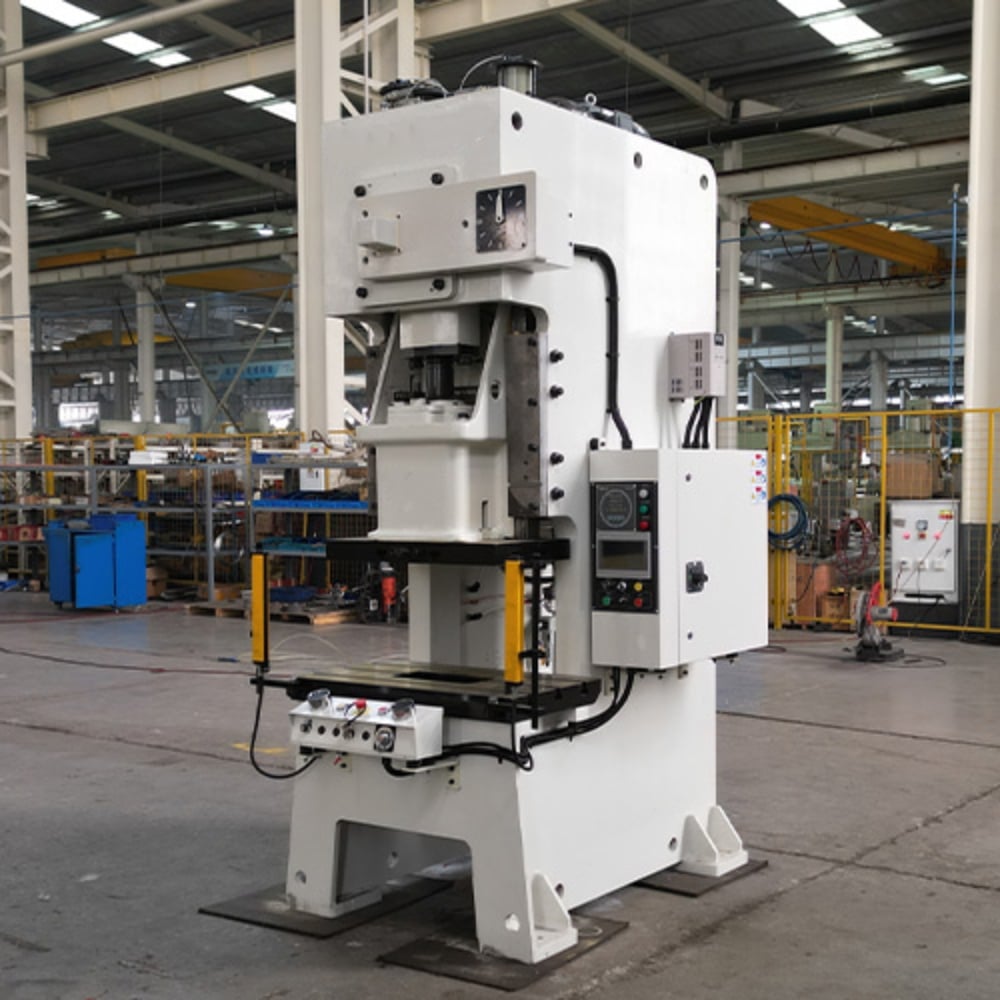
The primary driver of the hydraulic punching machine price is the tonnage capacity. Tonnage refers to the force the machine can exert, which directly dictates the thickness and hardness of the material it can punch. A 50-ton machine will naturally be significantly cheaper than a 200-ton machine due to the size of the hydraulic cylinders, the strength of the frame, and the power requirements of the motor.
Another critical cost factor is the throat depth and the working area. Machines with larger throat depths allow for the processing of larger sheets of metal, which requires a more rigid and heavier frame to maintain accuracy under load. The engineering required to prevent frame deflection during high-tonnage operations adds substantial cost to the manufacturing process, which is reflected in the final price of the equipment.
The control system is perhaps the most significant technological cost driver. A basic machine might use simple foot-pedal controls or basic PLC logic. In contrast, a high-end CNC hydraulic punching machine utilizes sophisticated software, servo-driven positioning systems, and complex user interfaces. These systems require extensive R&D and high-quality electronic components, all of which contribute to the premium price of CNC-enabled equipment.
Finally, the brand reputation and the level of after-sales support significantly impact the price. Established manufacturers like HARSLE invest heavily in quality control, R&D, and global service networks. While a “bargain” machine might seem attractive initially, the lack of spare parts availability, poor documentation, and the absence of technical support can lead to massive hidden costs in the form of downtime and lost productivity.
Configuration Impact: Customization and Efficiency
Customizing your hydraulic punching machine can drastically change the final price. Many manufacturers offer modular configurations, allowing you to add features as your business grows. For instance, an automatic tool changer (ATC) is a major upgrade that reduces setup time between jobs. While this adds to the upfront cost, the reduction in labor hours and the increase in throughput often justify the expense for high-mix, low-volume production environments.
The type of hydraulic system used also impacts both price and operational efficiency. Servo-hydraulic systems are becoming increasingly popular because they consume energy only when the machine is actively punching, unlike traditional hydraulic systems that keep the pump running constantly. While servo-hydraulic machines carry a higher initial price tag, the energy savings over a five-year period can be substantial, making them a more cost-effective choice for high-volume facilities.
Tooling compatibility is another configuration consideration. Some machines are designed to work with proprietary tooling systems, which may be cheaper initially but lock you into a specific supplier. Others are designed for universal tooling standards, which offer more flexibility and competitive pricing on consumables. Choosing a machine that supports standard tooling can save thousands of dollars in the long run.
Safety features and ergonomic enhancements also influence the final configuration price. Light curtains, safety interlocks, and automated scrap removal systems are essential for modern safety standards. While these features add to the cost, they are non-negotiable in many jurisdictions and are vital for protecting your workforce and reducing insurance premiums.
Verborgene Kosten: Über den Kaufpreis hinaus
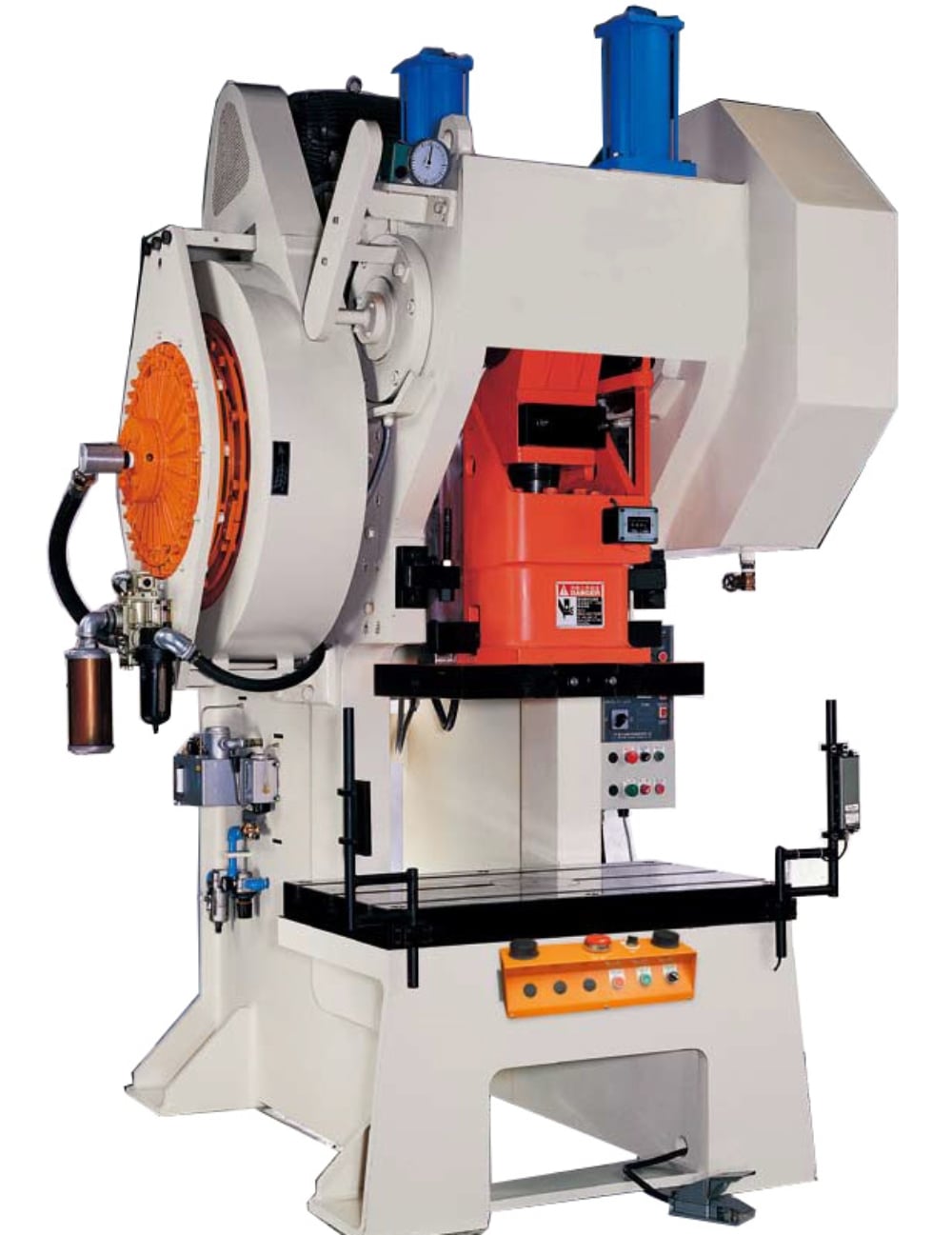
When budgeting for a new machine, many buyers overlook the hidden costs associated with installation and site preparation. A heavy-duty hydraulic punching machine requires a reinforced concrete foundation to dampen vibrations and ensure precision. Depending on your existing facility, this could involve significant construction work, electrical upgrades to handle the high-voltage requirements, and specialized rigging services to move the machine into place.
Maintenance and consumables are ongoing costs that must be factored into your budget. Hydraulic oil, filters, seals, and punch/die sets are regular expenses. Furthermore, if you opt for a CNC machine, you will need to account for software licensing fees and regular updates. Ignoring these costs can lead to a “sticker shock” scenario where the machine is paid for, but the operational budget is insufficient to keep it running at peak performance.
Training is another frequently underestimated cost. Your operators need to be proficient in both the mechanical operation of the machine and the programming of the CNC software. If you do not have in-house expertise, you will need to pay for professional training services. Investing in high-quality training ensures that your team can maximize the machine’s capabilities, which is essential for achieving a positive return on investment.
Finally, consider the cost of downtime. If your machine breaks down and you do not have a service contract or a local technician, the cost of waiting for parts or support can be devastating. Always factor in the cost of a comprehensive service agreement or an extended warranty when comparing quotes from different manufacturers. A slightly higher price for a machine with local support is almost always a better value than a cheaper machine with no support.
ROI Calculation: Making the Business Case
Calculating the Return on Investment (ROI) for a hydraulic punching machine requires a clear understanding of your production goals. Start by calculating the cost per part. This includes the cost of raw materials, labor, energy consumption, tooling wear, and the amortized cost of the machine over its expected lifespan. Compare this to your current production method to determine the potential savings.
Consider the increase in production capacity. If your new machine can punch parts twice as fast as your old equipment, you are effectively doubling your revenue potential for those parts. Factor in the reduction in scrap rates; modern hydraulic punching machines offer superior precision, which means fewer rejected parts and less wasted material. This efficiency gain is a direct contributor to your bottom line.
Labor savings are a major component of ROI. If a new machine allows one operator to do the work that previously required two, the labor cost savings can be massive. Furthermore, if the machine can be integrated into an automated cell, you may be able to run lights-out production, further increasing your output without increasing your headcount.
Finally, consider the market opportunities that a new machine opens up. With higher precision and the ability to handle more complex geometries, you may be able to bid on projects that were previously out of your reach. This expanded capability can lead to new revenue streams, which should be included in your ROI analysis. A well-planned investment in a HARSLE hydraulic punching machine is not just an expense; it is a strategic move to scale your business.
Buying Advice: Selecting the Right Machine
Before making a purchase, conduct a thorough audit of your current and future production needs. Don’t just buy for today; consider where your business will be in five years. If you anticipate moving into thicker materials or more complex parts, it is better to invest in a machine with slightly more capacity than you currently need, rather than having to replace it in a few years.
Request demonstrations and test cuts. Never buy a machine based solely on a brochure or a website. Ask the manufacturer to run your specific materials and parts through the machine. This will give you a realistic idea of the machine’s performance, precision, and ease of use. It is also a great opportunity to evaluate the manufacturer’s technical support and responsiveness.
Check the availability of spare parts. A machine is only as good as its uptime. Ask the supplier about their local inventory of critical components. If they have to ship parts from overseas every time something breaks, your downtime will be excessive. A reputable manufacturer will have a robust supply chain and a clear plan for supporting their machines throughout their operational life.
Finally, talk to other users. Ask the manufacturer for references from companies that have been using their machines for several years. Speaking with actual operators and shop managers will give you invaluable insights into the machine’s reliability, ease of maintenance, and overall value. A transparent manufacturer will be happy to connect you with satisfied customers.
FAQ: Häufig gestellte Fragen
- What is the typical lifespan of a hydraulic punching machine? With proper maintenance, a high-quality hydraulic punching machine can last 15 to 20 years or more.
- How often should I change the hydraulic oil? This depends on usage, but generally, hydraulic oil should be checked every 1,000 hours and changed annually to prevent contamination and pump wear.
- Can I use standard tooling on all hydraulic punching machines? Not necessarily. While many machines support standard tooling, some require proprietary systems. Always verify compatibility before purchasing.
- Is CNC control necessary for small shops? While not strictly necessary, CNC control significantly improves precision and repeatability, which can help small shops compete with larger manufacturers.
- What is the most common cause of punching machine failure? Lack of regular maintenance, such as failing to lubricate moving parts or ignoring hydraulic system warnings, is the most common cause of premature failure.
- How does tonnage affect the price? Higher tonnage requires a heavier, more robust frame and more powerful hydraulics, which directly increases the manufacturing cost and the final price of the machine.


