How to Estimate Press Brake Machine Cost for Your Fabrication Line


Price Range Overview: Understanding the Market Landscape
When you set out to estimate press brake machine cost for your fabrication line, the first hurdle is the sheer variety of equipment available. Prices for industrial press brakes can range from as low as $15,000 for entry-level manual or small hydraulic units to well over $500,000 for high-end, fully automated robotic bending cells. Understanding where your specific needs fall within this spectrum is the first step toward a realistic budget.
Entry-level machines, often used in small job shops or for prototyping, typically feature basic CNC controllers and manual backgauges. These machines are cost-effective but may lack the precision and speed required for high-volume production lines. As you move into the mid-range, you encounter machines with multi-axis backgauges, advanced crowning systems, and user-friendly graphical interfaces, which are the workhorses of most medium-sized fabrication facilities.
High-end press brakes represent the pinnacle of efficiency. These systems often include integrated laser angle measurement, automatic tool changers, and high-speed hydraulic systems designed for 24/7 operation. When you estimate press brake machine cost for your fabrication line, you must weigh the initial capital expenditure against the labor savings and scrap reduction these advanced features provide.
It is also important to note that geographic origin and brand reputation significantly influence pricing. HARSLE, for instance, provides a balance of high-quality engineering and competitive pricing by leveraging efficient manufacturing processes. When comparing quotes, ensure you are comparing “apples to apples” regarding tonnage, bed length, and controller capabilities, as these are the primary anchors of the machine’s price tag.
Main Cost Drivers: What Really Moves the Needle?
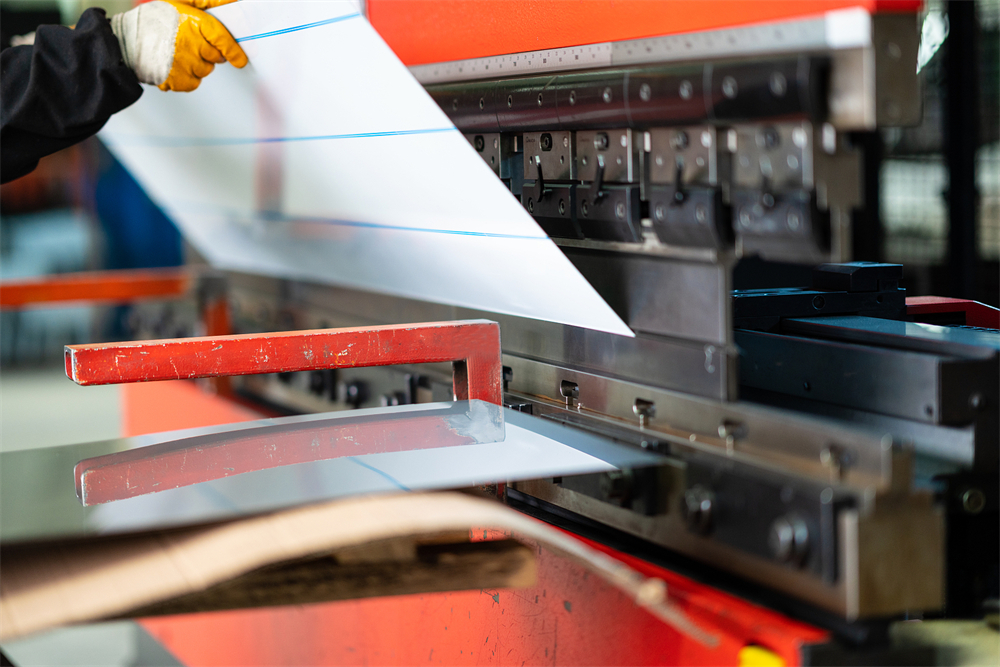
The most significant factor when you estimate press brake machine cost for your fabrication line is the machine’s capacity, specifically tonnage and bed length. Tonnage determines the thickness and material type the machine can bend, while bed length dictates the maximum width of the workpiece. A 100-ton machine with a 3-meter bed will naturally cost significantly more than a 40-ton machine with a 1.5-meter bed due to the structural steel and hydraulic power required.
The controller (CNC) is the brain of the operation and a major cost driver. Basic controllers allow for simple 2D programming, while advanced controllers offer 3D simulation, offline programming capabilities, and direct integration with ERP systems. If your fabrication line requires complex, multi-bend parts, investing in a high-end controller will reduce setup time and programming errors, effectively paying for itself over time.
Axis configuration is another critical variable. A standard press brake might come with Y1/Y2 and X-axis control. However, adding R-axis (vertical backgauge movement), Z-axis (finger movement), or even multi-axis backgauges increases the machine’s versatility and price. Each additional servo-driven axis adds to the complexity of the machine, the cost of the drives, and the sophistication of the software required to manage them.
Hydraulic and mechanical components also play a role. Premium hydraulic valves, high-precision linear scales, and robust crowning systems (which ensure consistent bend angles across the entire length of the bed) are standard on high-end machines but are often optional or downgraded on budget models. Choosing high-quality components ensures longevity and reduces the total cost of ownership through decreased downtime and maintenance requirements.
Configuration Impact: Customizing for Your Fabrication Line
Customization is where the estimate can fluctuate significantly. When you estimate press brake machine cost for your fabrication line, you must consider the specific tooling requirements. Specialized tooling for complex profiles, such as hemming dies or radius tooling, can add thousands of dollars to your initial purchase. It is essential to audit your current and future part designs to determine if standard tooling will suffice or if custom solutions are necessary.
Safety features are non-negotiable but vary in cost. Modern fabrication lines require advanced light curtains, laser safety systems, and physical guarding to meet international safety standards. While these systems increase the upfront cost, they are vital for protecting your workforce and reducing liability. HARSLE emphasizes safety-first engineering, ensuring that all our machines meet rigorous safety benchmarks without compromising on productivity.
Energy efficiency is an increasingly important configuration factor. Servo-electric press brakes, while more expensive upfront than traditional hydraulic machines, offer significant energy savings and require less maintenance as they eliminate the need for hydraulic oil and cooling systems. If your fabrication line operates multiple shifts, the energy savings alone can justify the higher initial investment of a servo-electric or hybrid system.
Finally, consider the integration of material handling systems. If your goal is to automate your fabrication line, you might look into sheet followers, robotic loading/unloading arms, or automatic tool changers. These additions can double or triple the cost of the base machine but can also lead to a massive increase in throughput, making them a strategic investment for high-volume manufacturers.
Hidden Costs: Beyond the Sticker Price
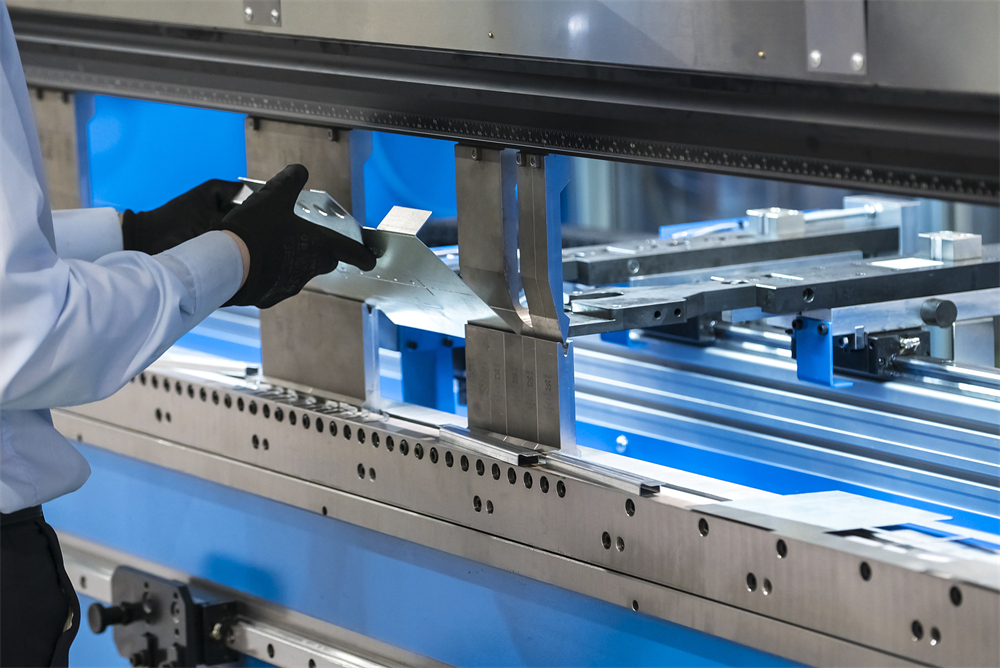
Many buyers make the mistake of focusing solely on the machine price. To accurately estimate press brake machine cost for your fabrication line, you must account for installation and commissioning. This includes the cost of specialized flooring (if the machine is heavy), electrical upgrades, and the professional services of a technician to calibrate the machine and train your staff. These costs can easily add 5-10% to your total investment.
Maintenance and consumables are ongoing costs that are often overlooked. Hydraulic oil, filters, seals, and tool wear are inevitable. Furthermore, software updates and licensing fees for offline programming packages can be recurring expenses. It is wise to ask the manufacturer for a list of recommended spare parts and the typical maintenance schedule to forecast these costs over the first five years of operation.
Training is another hidden cost that impacts productivity. Even the most advanced machine is only as good as the operator. Investing in comprehensive training for your team ensures that they can utilize the machine’s full potential, reducing scrap rates and increasing speed. Many manufacturers offer tiered training packages; always include these in your initial budget to avoid “sticker shock” later.
Shipping and logistics, especially for large-tonnage machines, can be substantial. Depending on the distance from the factory and the complexity of the transport (e.g., requiring flatbed trucks or cranes for offloading), shipping costs can vary widely. Always request a “delivered to site” quote to ensure you have a clear picture of the total landed cost of your new equipment.
ROI Calculation: Justifying the Investment
To justify the cost, you must look at the Return on Investment (ROI). Start by calculating the labor cost per part. A faster, more automated press brake reduces the time spent on each bend, allowing you to produce more parts per hour. If you can reduce your cycle time by 20%, the labor savings alone can contribute significantly to the machine’s payback period.
Consider the reduction in scrap and rework. High-precision machines with automatic crowning and angle measurement systems produce consistent parts from the first piece to the last. By eliminating the need for manual adjustments and reducing the number of rejected parts, you save on material costs and improve your overall yield. This efficiency is a direct contributor to your bottom line.
Evaluate the potential for new business. A more capable press brake allows you to take on more complex projects, work with thicker materials, or handle larger volumes that you previously had to outsource. By bringing more work in-house, you capture the profit margins that were previously going to subcontractors, which can drastically shorten the ROI timeline.
Finally, factor in the tax benefits and depreciation. In many jurisdictions, capital investments in manufacturing equipment are eligible for accelerated depreciation or tax credits. Consult with your financial advisor to understand how these incentives can lower the effective cost of your machine and improve your cash flow during the first few years of operation.
Buying Advice: Making the Right Choice for HARSLE
When you are ready to estimate press brake machine cost for your fabrication line, start by defining your “must-haves” versus your “nice-to-haves.” Create a list of the parts you currently produce and the parts you intend to produce in the next three to five years. This will help you determine the necessary tonnage and bed length without over-specifying and over-spending.
Request quotes from multiple suppliers, but look beyond the price. Evaluate the quality of the support, the availability of spare parts, and the reputation of the manufacturer. HARSLE prides itself on providing not just machines, but complete fabrication solutions, including technical support and long-term partnership. A machine is a long-term asset; choose a partner who will be there for you five or ten years down the road.
Visit the manufacturer’s showroom or a reference site if possible. Seeing the machine in action, feeling the build quality, and talking to other operators can provide insights that a brochure never will. Pay attention to the ease of use of the controller and the responsiveness of the machine during a test bend. These practical experiences are invaluable when making a final decision.
Lastly, don’t rush the process. Take the time to review the warranty terms, the service level agreement (SLA), and the training provided. A well-thought-out purchase is the foundation of a productive fabrication line. By following these steps and working with a trusted partner like HARSLE, you can confidently estimate your costs and invest in a machine that will drive your business forward for years to come.
FAQ: Frequently Asked Questions
- How do I determine the tonnage I need? Tonnage is determined by the material thickness, tensile strength, and the length of the bend. Use a standard bending chart or consult with a HARSLE engineer to ensure you select the correct capacity.
- Is it better to buy new or used? While used machines are cheaper, they often come with hidden maintenance issues and lack modern safety and efficiency features. New machines offer warranty, support, and the latest technology, providing better long-term value.
- How long does a typical press brake last? With proper maintenance, a high-quality industrial press brake can last 15 to 20 years or more.
- What is the most important feature to look for? It depends on your needs, but a high-quality CNC controller and a reliable crowning system are generally considered the most critical for consistent, high-quality production.
- Does HARSLE provide installation support? Yes, HARSLE offers comprehensive installation, commissioning, and training services to ensure your machine is up and running efficiently from day one.