Case Study: Optimizing Small-Batch Production with a Versatile Punching Machine


Introduction
In the modern landscape of metal fabrication, the ability to pivot quickly between high-volume runs and specialized, small-batch production is a critical competitive advantage. Many manufacturers struggle with the overhead costs associated with traditional, rigid tooling setups. This article explores a comprehensive Case Study: Optimizing Small-Batch Production with a Versatile Punching Machine, demonstrating how HARSLE’s advanced engineering solutions allow job shops to maximize throughput while minimizing waste.
Small-batch production presents unique challenges, primarily centered around setup times and material utilization. When a shop receives an order for fifty custom brackets followed by a run of one hundred electrical enclosures, the downtime required for retooling can quickly erode profit margins. By integrating a versatile punching machine, fabricators can transition from one design to another with minimal manual intervention, effectively turning a bottleneck into a streamlined workflow.
HARSLE has consistently focused on bridging the gap between heavy-duty industrial capability and the agility required for modern, high-mix manufacturing. This case study examines a mid-sized fabrication facility that transitioned from manual turret presses to a HARSLE CNC-controlled punching system. The results were not merely incremental; they represented a fundamental shift in how the facility approached production scheduling and client lead times.
Throughout this article, we will dissect the technical specifications that make such versatility possible, provide a roadmap for selecting the right equipment for your specific needs, and answer common questions regarding the integration of automated punching technology into existing shop floors. Whether you are a small job shop or a growing manufacturing enterprise, understanding these principles is essential for long-term scalability.
Key Considerations for Small-Batch Efficiency
When optimizing for small-batch production, the primary enemy is the ‘setup tax.’ Every minute spent changing dies, adjusting back-gauges, or recalibrating the machine is a minute where the machine is not generating revenue. The first consideration for any shop manager is the flexibility of the tool-changing system. Modern punching machines must support quick-change die holders and automated tool indexing to ensure that the transition between different hole patterns or material thicknesses is nearly instantaneous.
Material handling is the second pillar of efficiency. In small-batch environments, the operator often spends more time loading and unloading sheets than the machine spends actually punching. Integrating a versatile punching machine with automated loading/unloading systems or ergonomic sheet-feeding tables can significantly reduce operator fatigue and increase the number of parts produced per shift. This is particularly important when dealing with varied sheet sizes that are common in custom fabrication.
Software integration plays a pivotal role in modern fabrication. The ability to import CAD/CAM files directly into the machine controller allows for rapid prototyping and production. By utilizing nesting software, shops can optimize the layout of parts on a sheet, drastically reducing scrap rates. For small batches, this means that even if you are only producing a few units, you are maximizing the value of every square inch of raw material.
Finally, maintenance and reliability cannot be overlooked. A machine that is versatile but prone to downtime is a liability. Small-batch production often requires running the machine at varying speeds and pressures. Choosing a machine with robust, self-lubricating components and a user-friendly diagnostic interface ensures that the machine remains operational, allowing the shop to meet tight deadlines without the fear of unexpected mechanical failure.
Technical Details of HARSLE Punching Systems
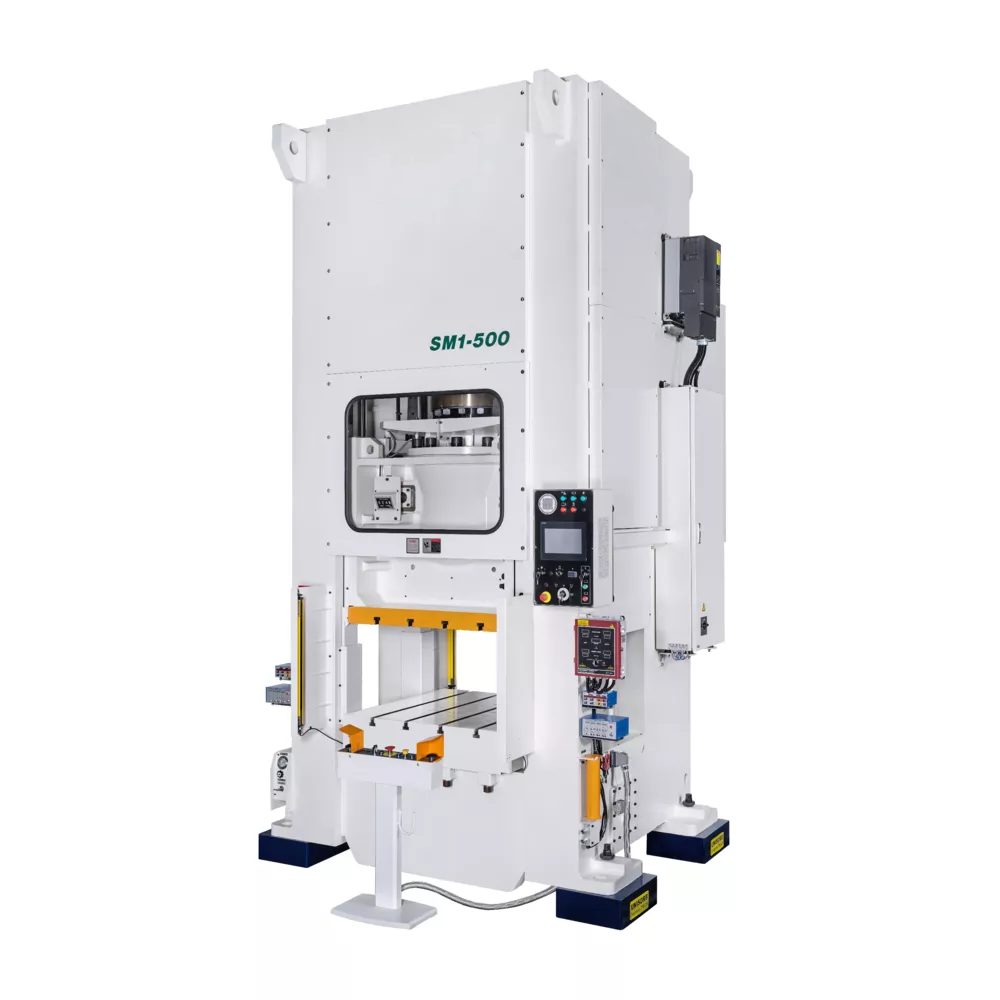
HARSLE’s punching machines are engineered with a focus on high-speed hydraulic performance and precision control. At the heart of these systems is a high-torque, servo-driven ram that provides consistent force across the entire stroke. This allows for clean, burr-free punching on a wide range of materials, from thin-gauge aluminum to thick-gauge stainless steel, without requiring frequent adjustments to the pressure settings.
The turret design is a hallmark of HARSLE’s versatility. By offering a wide array of station configurations—including auto-index stations that can rotate tools to any angle—the machine can perform complex geometries in a single setup. This is a game-changer for small-batch production, as it eliminates the need for secondary operations like drilling or manual milling. The turret is designed for high-speed indexing, ensuring that the next tool is ready before the ram has completed its return stroke.
The control interface is another critical technical component. HARSLE utilizes an intuitive, touch-screen CNC controller that supports multi-language operation and advanced simulation. Before a single punch is made, the operator can visualize the entire process on the screen, identifying potential collisions or errors. This ‘virtual proofing’ is essential for small batches where the cost of a ruined sheet of material can be significant.
Furthermore, the structural integrity of the machine frame is built to withstand the stresses of high-speed punching. Using finite element analysis (FEA) during the design phase, HARSLE ensures that the frame remains rigid under load, preventing vibration and ensuring that hole placement is accurate to within fractions of a millimeter. This level of precision is what allows shops to take on high-tolerance work that competitors might have to turn away.
Selection Advice: Choosing the Right Machine
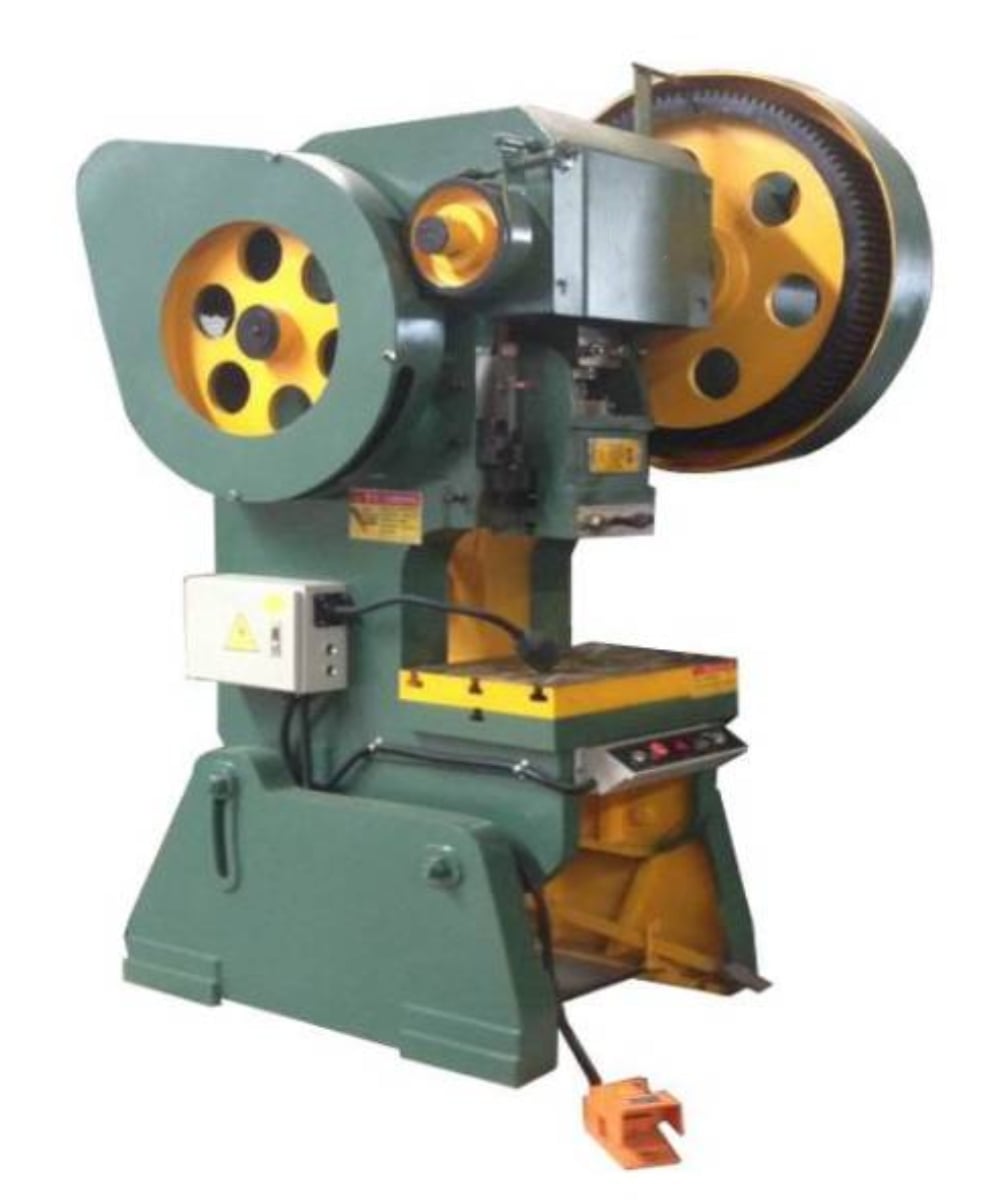
Selecting the right punching machine for your shop requires a clear understanding of your current and future production needs. Start by analyzing your historical data: what is the average thickness of the material you process? What is the most common hole size? If your work is primarily thin-gauge sheet metal, a high-speed mechanical or servo-electric punch might be ideal. If you frequently work with thicker plates, a heavy-duty hydraulic punch is necessary.
Consider the ‘throat depth’ and ‘table size’ of the machine. A machine with a larger throat depth allows you to process larger sheets, which can be a significant competitive advantage. However, larger machines have a larger footprint and higher energy consumption. Balance the need for capacity with the available space in your facility. It is often better to invest in a machine that is slightly larger than your current needs to allow for future growth.
Evaluate the tool compatibility. Does the machine use a proprietary tooling system, or is it compatible with industry-standard thick or thin turret tooling? Using industry-standard tooling is generally recommended, as it allows you to source spare parts and specialized dies from multiple vendors, reducing your dependency on a single supplier and lowering long-term operational costs.
Finally, look at the manufacturer’s support network. A punching machine is a long-term investment. Ensure that the supplier provides comprehensive training for your operators, accessible technical support, and a reliable supply chain for spare parts. HARSLE prides itself on a global support network, ensuring that whether you are in a major industrial hub or a remote location, your production remains uninterrupted.
FAQ: Optimizing Small-Batch Production
- Q: How does a punching machine compare to a laser cutter for small batches?
A: While laser cutters offer excellent flexibility, punching machines are often faster for repetitive hole patterns and can perform forming operations (like louvers or tabs) in the same cycle, which lasers cannot do. - Q: What is the biggest advantage of CNC punching for small runs?
A: The primary advantage is the reduction in setup time. Once a program is saved, switching from one job to another takes only as long as it takes to change the tools, which is significantly faster than manual setups. - Q: Can these machines handle stainless steel?
A: Yes, HARSLE punching machines are fully capable of processing stainless steel, provided the correct tooling and tonnage settings are used. - Q: How often should the machine be serviced?
A: Routine maintenance should be performed according to the manual, typically involving lubrication, checking hydraulic fluid levels, and inspecting tool wear. A proactive maintenance schedule prevents costly downtime. - Q: Is specialized training required to operate these machines?
A: While the interfaces are user-friendly, professional training is highly recommended to ensure operator safety and to maximize the machine’s advanced features.
Conclusion
The transition to a versatile punching machine is more than just an equipment upgrade; it is a strategic move toward operational excellence. As demonstrated in this Case Study: Optimizing Small-Batch Production with a Versatile Punching Machine, the ability to handle diverse, small-batch orders with speed and precision is the hallmark of a modern, successful fabrication shop. By focusing on quick-change tooling, robust software integration, and reliable hardware, manufacturers can significantly reduce their lead times and increase their overall profitability.
HARSLE remains committed to providing the tools that empower fabricators to meet the challenges of an ever-changing market. Whether you are looking to replace an aging press or expand your current capabilities, the right punching machine will serve as the backbone of your production floor for years to come. We encourage you to evaluate your current processes, identify your bottlenecks, and consider how a HARSLE solution can help you achieve your production goals.
Investing in the right technology is the first step toward long-term growth. With the insights provided in this guide, you are now better equipped to make an informed decision that aligns with your shop’s unique requirements. Remember, the goal is not just to produce parts, but to produce them efficiently, accurately, and profitably, ensuring your business remains at the forefront of the metal fabrication industry.