How to Solve Crowning Problems on a Press Brake and Improve Bend Consistency


Introduction: The Challenge of Precision in Metal Fabrication
In the world of precision metal fabrication, achieving a perfectly uniform bend across the entire length of a workpiece is the hallmark of a high-quality shop. However, many operators face a persistent challenge: the phenomenon of crowning. When you attempt to solve crowning problems on a press brake and improve bend consistency, you are essentially fighting the laws of physics. As the press brake applies force to the material, the machine frame and the ram naturally deflect, leading to inconsistent bend angles in the center of the part compared to the ends.
Understanding why this happens is the first step toward mastering your equipment. Whether you are using a high-end HARSLE CNC press brake or a standard hydraulic model, the structural deflection is an inherent characteristic of the bending process. If left unaddressed, this deflection results in parts that are over-bent at the ends and under-bent in the middle, leading to scrap, rework, and increased production costs. This guide explores the technical mechanisms behind crowning and provides actionable strategies to ensure your production remains consistent and profitable.
Key Considerations: Understanding Machine Deflection
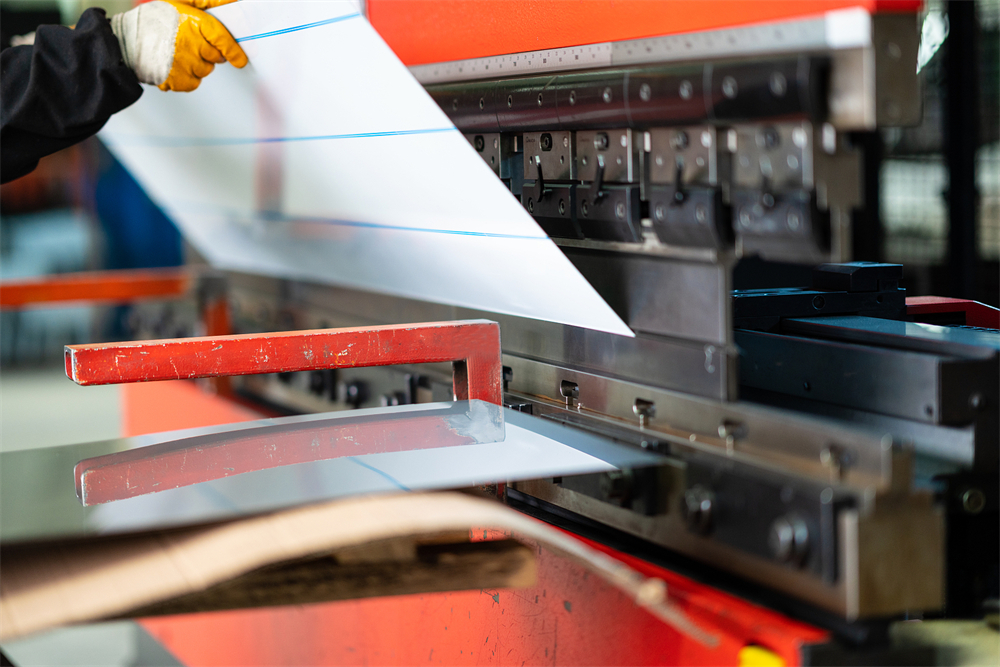
To effectively solve crowning problems on a press brake and improve bend consistency, one must first understand the structural dynamics of the machine. When the hydraulic cylinders exert pressure on the ram, the ram and the bed experience a slight bowing effect. This is not necessarily a sign of a faulty machine; it is a physical reality of applying thousands of tons of force. The degree of deflection depends on the length of the bed, the thickness of the material, and the tonnage being applied.
The material itself also plays a significant role in how crowning manifests. Variations in material thickness, tensile strength, and grain direction can exacerbate the effects of machine deflection. If your material is not uniform, your compensation system will struggle to provide a consistent result. Therefore, the first step in any consistency improvement program is to ensure that your raw material meets the required specifications for your project.
Another key consideration is the tooling setup. If your punches and dies are worn or improperly aligned, they will amplify the effects of crowning. A worn die radius or a chipped punch tip creates uneven pressure distribution, which, when combined with natural machine deflection, makes it nearly impossible to achieve a consistent bend. Regular inspection of your tooling is not just a maintenance task; it is a fundamental requirement for precision bending.
Finally, consider the environmental factors within your facility. Temperature fluctuations can affect the viscosity of the hydraulic oil, which in turn impacts the responsiveness of the ram and the accuracy of the crowning system. Maintaining a stable shop environment and ensuring your hydraulic systems are properly warmed up before starting a production run are simple yet effective ways to improve your overall bend consistency.
Technical Details: How Crowning Compensation Works
Modern press brakes utilize sophisticated crowning systems to counteract the natural deflection of the machine. The most common method is the mechanical crowning system, which uses a series of wedges or cams located in the bed of the press brake. As the machine bends the material, these wedges move horizontally to create a counter-deflection that perfectly mirrors the deflection of the ram. By adjusting these wedges, the operator can ensure that the pressure is distributed evenly across the entire length of the bend.
Hydraulic crowning is another advanced solution found in high-performance equipment like HARSLE press brakes. In this system, a series of hydraulic cylinders are integrated into the bed of the machine. These cylinders are controlled by the CNC controller, which calculates the required compensation based on the material properties, bend length, and tonnage. This allows for real-time adjustments during the bending process, providing a level of precision that mechanical systems often cannot match.
The CNC controller plays a pivotal role in this process. By inputting the correct material data and bend parameters, the controller can automatically adjust the crowning system to compensate for the expected deflection. This integration of software and hardware is what allows modern shops to achieve high-tolerance parts with minimal setup time. If you are struggling with consistency, it is worth reviewing your CNC programming to ensure that the crowning parameters are correctly configured for each specific job.
Beyond the machine itself, the use of shimming is a traditional technique that remains relevant. While automated systems are preferred, manual shimming involves placing thin strips of metal under the die to compensate for localized deflection. While time-consuming, this method is highly effective for specialized, low-volume production runs where automated crowning might not be sufficient. Mastering the art of shimming provides an operator with a deeper understanding of how pressure distribution affects the final bend angle.
Selection Advice: Choosing the Right Press Brake for Your Needs
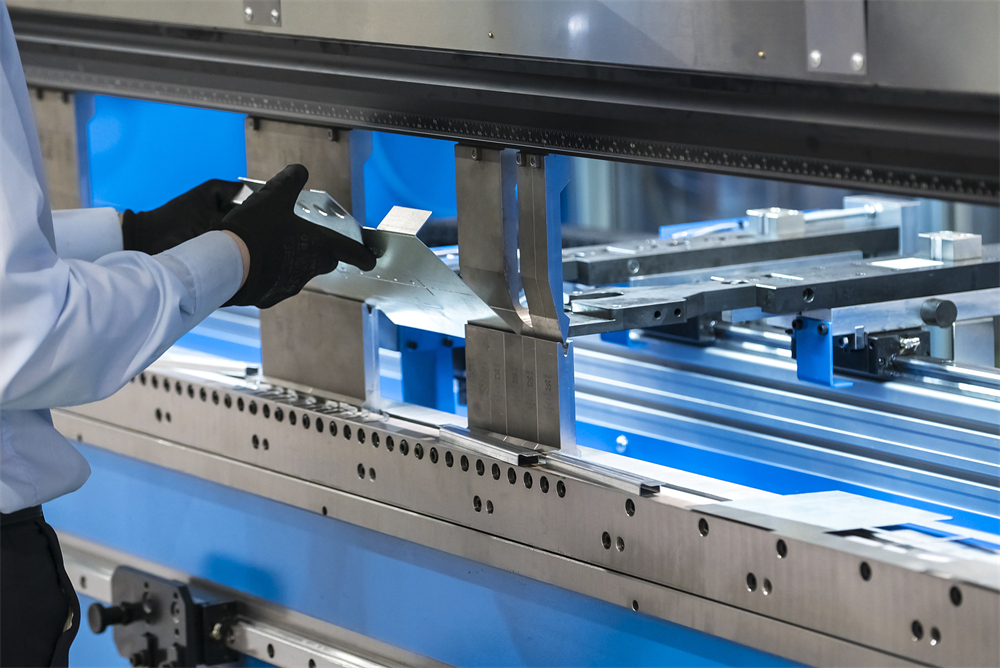
When you are in the market for new metal fabrication equipment, the crowning system should be a primary factor in your decision-making process. If your shop specializes in long, thin parts, you will require a more robust crowning system than a shop that focuses on short, heavy-duty components. Always evaluate the machine’s bed length and tonnage capacity in relation to the types of parts you intend to produce most frequently.
Look for machines that offer user-friendly CNC interfaces for crowning management. A system that allows for easy adjustments and stores job-specific parameters will significantly reduce your setup times and improve consistency across different shifts. HARSLE offers a range of press brakes with advanced crowning features designed to simplify the operator’s workflow while maintaining the highest levels of precision.
Consider the long-term maintenance requirements of the crowning system. Mechanical systems may require periodic lubrication and adjustment of the wedge components, while hydraulic systems require regular checks of the seals and fluid levels. Ensure that the manufacturer provides comprehensive documentation and support for these systems, as a poorly maintained crowning system will quickly become a source of frustration rather than a solution.
Finally, do not overlook the importance of training. Even the most advanced press brake will fail to deliver consistent results if the operator does not understand how to utilize the crowning features effectively. Invest in training programs for your staff to ensure they can interpret the CNC data, perform necessary adjustments, and troubleshoot common bending issues. A well-trained operator is the most valuable asset in your quest to solve crowning problems on a press brake and improve bend consistency.
FAQ: Common Questions About Press Brake Crowning
What is the main cause of crowning in a press brake?
Crowning is primarily caused by the structural deflection of the machine’s ram and bed under the high pressure required to bend metal. As the material resists the bend, the machine frame bows slightly, causing the center of the bend to be less accurate than the ends.
How can I tell if my press brake needs more crowning?
If you notice that your parts are consistently over-bent at the ends and under-bent in the middle, you are likely experiencing crowning issues. Using a precision angle gauge to measure the bend at multiple points along the length of the part will confirm this.
Is mechanical or hydraulic crowning better?
Both systems have their advantages. Mechanical crowning is often more cost-effective and reliable for standard applications, while hydraulic crowning offers superior precision and real-time adjustment capabilities, making it ideal for complex, high-tolerance work.
Can I improve bend consistency without an automated crowning system?
Yes, you can use manual shimming or adjust your tooling setup to compensate for deflection. However, these methods are labor-intensive and less efficient than automated systems, making them better suited for small-batch or prototype work.
How often should I calibrate my crowning system?
Calibration frequency depends on the machine’s usage. As a general rule, perform a check during your routine maintenance schedule or whenever you notice a decline in bend consistency. Always follow the manufacturer’s guidelines for your specific HARSLE model.
Conclusion: Achieving Excellence in Metal Bending
To solve crowning problems on a press brake and improve bend consistency is to commit to a higher standard of manufacturing. By understanding the physics of machine deflection, leveraging the power of modern CNC-controlled crowning systems, and maintaining your tooling and equipment with diligence, you can eliminate the inconsistencies that plague less-prepared shops. Whether you are a small job shop or a large-scale manufacturer, the principles of precision bending remain the same.
Remember that consistency is not a one-time achievement but a continuous process of monitoring, adjusting, and refining. By integrating these practices into your daily operations, you will not only reduce your scrap rates and improve your bottom line but also establish your shop as a leader in high-quality metal fabrication. For those looking to upgrade their capabilities, HARSLE provides the technology and support necessary to master these challenges and achieve perfect bends every time.