Press Brake Servo Axis Troubleshooting: Common Positioning Problems Explained


Introduction to Press Brake Servo Axis Precision
In the modern metal fabrication landscape, the precision of a press brake is dictated by the accuracy of its servo-controlled axes. Whether it is the Y-axis controlling the ram depth or the X-axis managing the backgauge position, these components are the heart of high-tolerance bending. When a press brake experiences positioning drift or inconsistent bend angles, the culprit is often found within the servo control loop. Understanding the nuances of Press Brake Servo Axis Troubleshooting: Common Positioning Problems Explained is essential for maintenance teams and operators aiming to minimize downtime and scrap rates.
HARSLE machines utilize advanced CNC controllers and high-response servo motors to ensure repeatability within microns. However, even the most robust systems are subject to mechanical wear, electrical interference, and software parameter drift. This guide serves as a technical roadmap for identifying, isolating, and resolving the most frequent positioning challenges encountered in industrial press brake operations.
Effective troubleshooting requires a systematic approach that separates mechanical issues from electrical or software-driven faults. By following a structured diagnostic process, technicians can avoid the common pitfall of replacing expensive components when a simple parameter adjustment or cable shielding fix would suffice. This article explores the technical intricacies of these systems to empower your maintenance strategy.
Key Considerations for Servo Axis Integrity
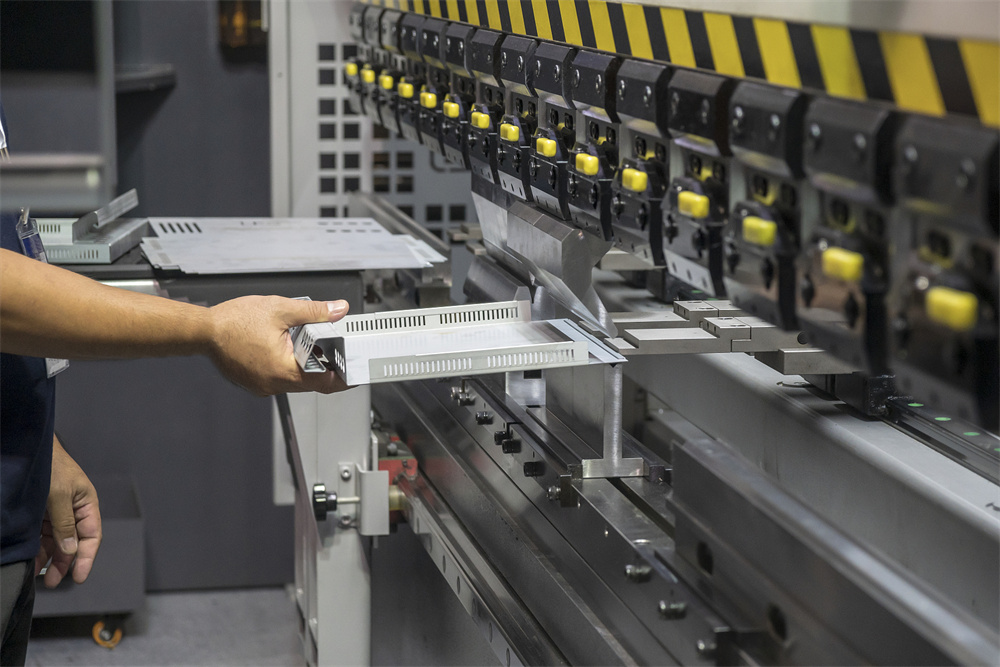
Before diving into complex electrical diagnostics, it is vital to establish a baseline of mechanical integrity. A servo motor can only be as accurate as the mechanical linkage it drives. If there is backlash in the ball screw, no amount of electronic tuning will correct the positioning error. Operators must regularly inspect the coupling between the motor shaft and the drive screw for signs of slippage or fatigue.
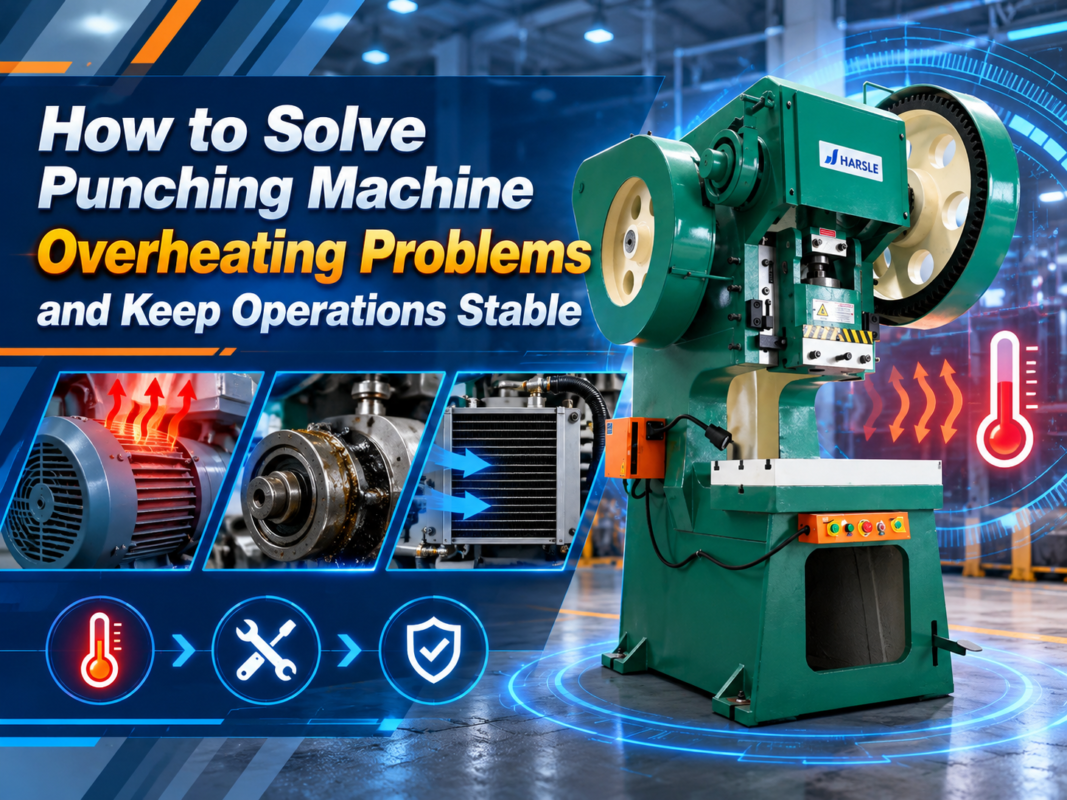
Environmental factors play a significant role in servo performance. Metal fabrication shops are inherently dusty and subject to temperature fluctuations. Dust ingress into the encoder housing can lead to signal noise, while extreme heat can cause the servo drive to derate or trigger thermal protection shutdowns. Maintaining a clean, climate-controlled environment for the electrical cabinet is a primary step in preventing positioning drift.
Another critical consideration is the grounding and shielding of the servo feedback cables. High-frequency noise from variable frequency drives (VFDs) or nearby welding equipment can induce currents in the encoder lines, leading to intermittent positioning errors that are notoriously difficult to track. Ensuring that all signal cables are properly shielded and routed away from high-voltage power lines is a fundamental best practice in industrial machinery maintenance.
Finally, consider the software-side configuration. CNC controllers often have compensation tables for lead screw pitch errors or thermal expansion. If these tables are corrupted or incorrectly calibrated, the machine will exhibit consistent positioning errors across specific zones of the bed. Always verify that the controller parameters match the physical machine calibration data before assuming a hardware failure.
Technical Details: Diagnosing Positioning Faults
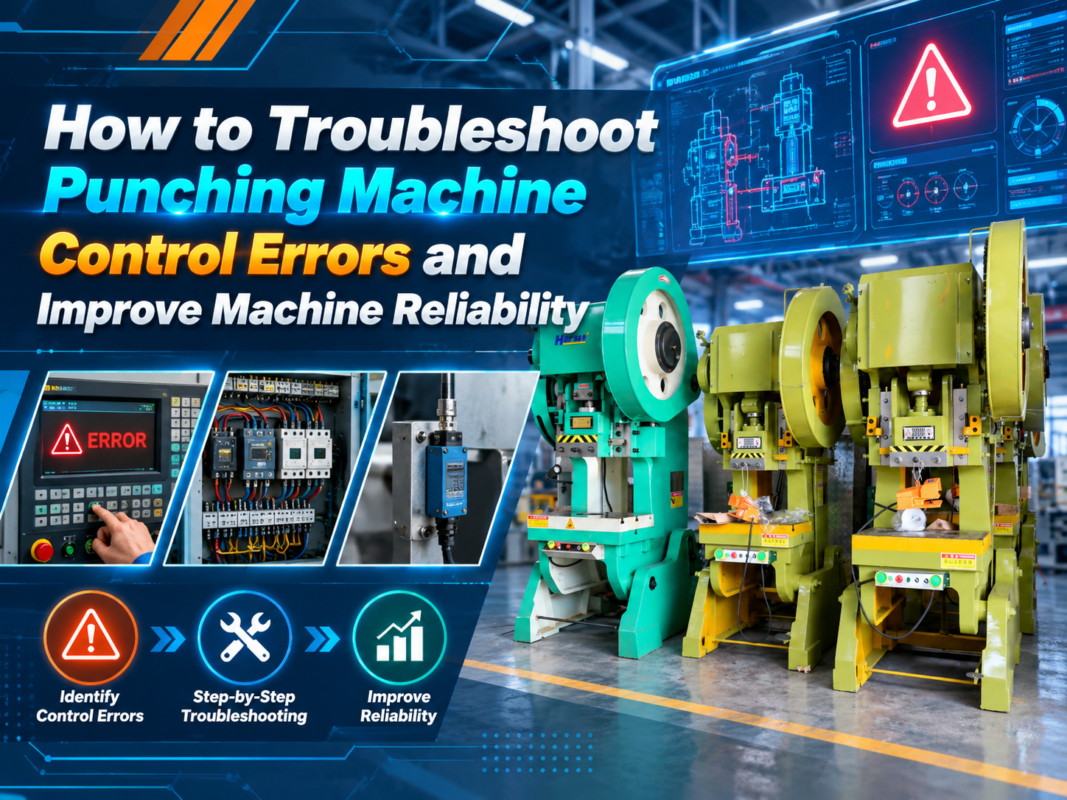
When a press brake fails to reach the programmed position, the first step is to analyze the error logs provided by the CNC controller. Most modern controllers will generate specific alarm codes that point toward either a following error, a feedback loss, or a drive overload. A ‘following error’ occurs when the actual position of the axis lags behind the commanded position by a threshold that exceeds the controller’s tolerance.
To troubleshoot a following error, start by checking the mechanical load. Is the ram binding in the guides? Is the backgauge hitting an obstruction? If the mechanics are free, the issue may lie in the servo tuning parameters. Proportional, Integral, and Derivative (PID) gains must be balanced to ensure the motor responds quickly enough to reach the target without overshooting or oscillating. If the gains are too low, the axis will be sluggish; if too high, it will vibrate and trigger an alarm.
Encoder feedback issues are another common source of positioning problems. The encoder provides the controller with real-time data on the motor’s rotation. If the encoder signal is jittery or lost, the controller will immediately stop the axis to prevent a crash. Inspect the encoder cable for physical damage, particularly at points where the cable flexes during machine operation. A broken wire or a loose connector pin is a frequent cause of intermittent positioning faults.
The servo drive itself can also be a point of failure. Over time, the internal capacitors in the drive can degrade, leading to unstable voltage output to the motor. If you suspect a drive failure, compare the performance of the problematic axis with a known good axis if the drives are interchangeable. This ‘swap test’ is a highly effective, albeit time-consuming, method for isolating a faulty drive module.
Common Troubleshooting Checklist
- Check Mechanical Backlash: Use a dial indicator to measure movement in the ball screw or rack and pinion.
- Verify Encoder Signals: Use an oscilloscope to check for clean square-wave signals from the encoder.
- Inspect Cable Integrity: Look for signs of wear, pinching, or oxidation on all servo-related connectors.
- Review Controller Parameters: Ensure that the ‘in-position’ window is set to an appropriate tolerance for the application.
- Monitor Drive Temperature: Use an infrared thermometer to check for overheating in the servo drive or motor.
Selection Advice for Reliable Servo Systems
When investing in new metal fabrication equipment, the quality of the servo system should be a primary selection criterion. HARSLE recommends prioritizing machines that utilize closed-loop feedback systems with high-resolution absolute encoders. Absolute encoders are superior to incremental encoders because they retain the axis position even after a power cycle, eliminating the need for a homing sequence every time the machine is turned on.
Consider the duty cycle and the torque requirements of your specific applications. If you are frequently bending thick plate, the servo motors driving the backgauge and ram must have sufficient torque to handle the inertial loads without stalling. Under-specifying the servo motors leads to premature wear and frequent positioning errors as the motors struggle to maintain precision under load.
Look for manufacturers that provide comprehensive diagnostic software. A machine that allows you to view real-time servo performance data—such as motor current, following error, and temperature—directly on the HMI (Human Machine Interface) will significantly reduce the time required for troubleshooting. This transparency is invaluable for predictive maintenance and long-term reliability.
Finally, evaluate the availability of spare parts and technical support. Even the best servo systems will eventually require service. Choosing a manufacturer with a robust global supply chain ensures that if a servo drive or motor fails, you can source a replacement quickly, minimizing the impact on your production schedule. HARSLE prides itself on providing extensive documentation and support to ensure your equipment remains operational for years.
FAQ: Press Brake Servo Axis Troubleshooting
Why does my press brake show a ‘Following Error’ alarm?
A following error occurs when the actual position of the axis deviates from the commanded position beyond the allowed tolerance. This is often caused by mechanical resistance, incorrect PID tuning, or a failing servo motor that cannot keep up with the command.
How often should I calibrate the servo axes?
Calibration should be performed annually or whenever you notice a decline in bending accuracy. If the machine has undergone significant maintenance or a move to a new location, a full recalibration is mandatory.
Can electrical noise affect my press brake’s accuracy?
Yes, electromagnetic interference (EMI) can corrupt encoder signals, leading to erratic positioning. Ensure all signal cables are shielded and separated from power cables to mitigate this risk.
What is the difference between an incremental and an absolute encoder?
An incremental encoder tracks movement relative to a starting point, while an absolute encoder provides a unique position value for every point in the axis travel, allowing the machine to know its exact position immediately upon startup.
Conclusion
Mastering Press Brake Servo Axis Troubleshooting: Common Positioning Problems Explained is a journey of understanding the synergy between mechanical, electrical, and software systems. By maintaining a clean environment, performing regular mechanical inspections, and utilizing the diagnostic tools provided by your CNC controller, you can ensure that your HARSLE press brake delivers consistent, high-quality results. Remember that most positioning issues are preventable through proactive maintenance and a systematic approach to troubleshooting. When in doubt, always refer to your machine’s technical manual or contact our support team for specialized guidance on your specific model.
Investing time in training your maintenance staff to understand these servo systems will pay dividends in the form of increased machine uptime and improved product quality. As metal fabrication technology continues to evolve, staying informed about the latest diagnostic techniques will keep your facility at the forefront of the industry. Trust in the reliability of HARSLE equipment and the power of informed maintenance to keep your production line moving efficiently.