How to Troubleshoot Press Brake Clamping Force Loss During Operation: A Comprehensive HARSLE Guide


Introduction
In the high-precision world of metal fabrication, the press brake is the backbone of production. Whether you are working with thin-gauge stainless steel or heavy-duty structural plates, the consistency of your clamping force is paramount to achieving accurate bend angles and repeatable results. When operators notice a decline in performance, the ability to troubleshoot press brake clamping force loss during operation becomes a critical skill that prevents downtime and ensures workplace safety.
HARSLE understands that even the most robust hydraulic systems can experience pressure drops due to wear, environmental factors, or improper maintenance. Clamping force loss is not merely an inconvenience; it is a symptom of underlying mechanical or hydraulic instability that, if ignored, can lead to costly scrap parts, damaged tooling, and potential hazards for the operator. This guide provides a deep dive into the diagnostic processes required to identify and resolve these issues effectively.
By systematically evaluating your hydraulic circuit, clamping mechanisms, and electronic control systems, you can restore your machine to its peak operational state. This article serves as a comprehensive technical resource for maintenance teams and shop floor managers looking to maintain the longevity and precision of their HARSLE press brake equipment.
Key Considerations for Clamping Force Stability
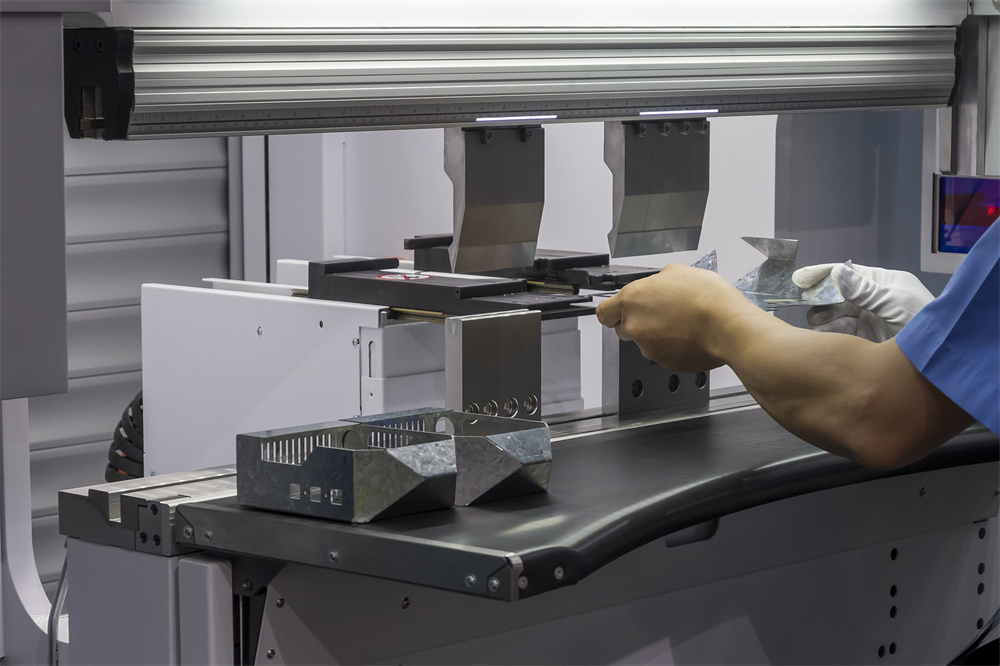
Before diving into complex hydraulic repairs, it is essential to understand the variables that influence clamping force. The clamping force is the result of a delicate balance between hydraulic pressure, mechanical leverage, and the integrity of the clamping system. If any of these components deviate from their calibrated parameters, the machine will struggle to maintain the necessary force to hold the workpiece securely during the bending cycle.
Environmental factors play a significant role in hydraulic performance. Temperature fluctuations can alter the viscosity of the hydraulic oil, which in turn affects the responsiveness of the valves and the efficiency of the pump. If your shop floor experiences extreme temperature shifts, your hydraulic fluid may thin out, leading to internal leakage and a perceived loss of clamping force. Always ensure that your hydraulic oil meets the viscosity specifications recommended by HARSLE for your specific climate.
Another key consideration is the condition of the clamping tools themselves. Over time, the contact surfaces of the punch and die holders can accumulate debris, scale, or oxidation. Even a microscopic layer of foreign material can prevent the clamping mechanism from seating correctly, leading to uneven force distribution. Regular cleaning and inspection of the tool clamping interface are non-negotiable tasks for any facility aiming for high-precision output.
Finally, consider the role of the CNC controller. Modern press brakes rely on sophisticated feedback loops to monitor pressure and position. If the sensors responsible for reporting clamping pressure are faulty or miscalibrated, the controller may prematurely signal a pressure drop or fail to compensate for actual force loss. Understanding the relationship between the software and the hardware is the first step in effective troubleshooting.
Technical Details: Diagnosing Hydraulic and Mechanical Failures
When you need to troubleshoot press brake clamping force loss during operation, the hydraulic system is usually the primary suspect. Start by checking the hydraulic pump and the relief valves. If the pump is failing to maintain the required system pressure, the clamping cylinders will lack the necessary force. Use a calibrated pressure gauge to verify the actual output against the machine’s nominal specifications. If the pressure is fluctuating, the pump may be suffering from internal cavitation or worn seals.
Next, inspect the hydraulic hoses and fittings for signs of external leakage. While external leaks are easy to spot, internal leakage within the hydraulic cylinder is more insidious. If the piston seals inside the clamping cylinder are worn, hydraulic fluid can bypass the piston, resulting in a significant loss of force without a single drop of oil appearing on the floor. This is often characterized by a ‘creeping’ effect, where the clamping force slowly diminishes while the machine is under load.
The solenoid valves are another critical point of failure. These valves control the flow and pressure of the hydraulic fluid to the clamping system. If a valve is sticking or if the electrical signal to the valve is intermittent, the clamping force will be inconsistent. Check the electrical connections for corrosion and ensure that the solenoid coils are receiving the correct voltage. A multimeter is an essential tool for verifying that the control signals are reaching the valves as intended.
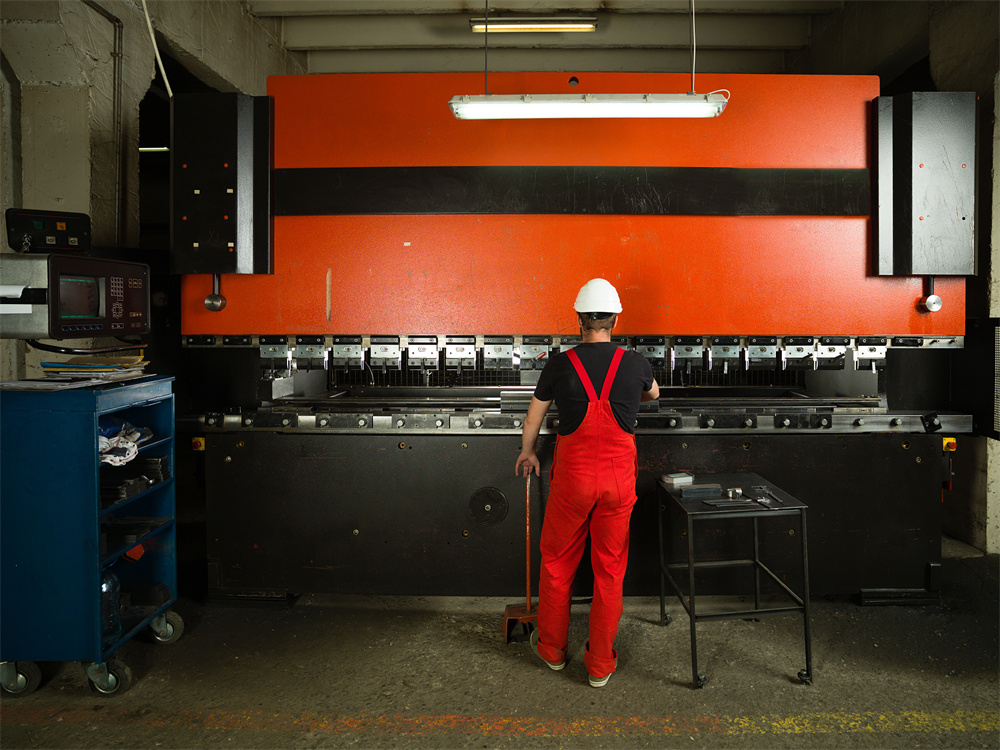
Mechanical linkages and clamping rails should also be examined for wear. If the clamping rail is warped or if the bolts securing the tooling are loose, the force will not be applied uniformly across the length of the bed. This can lead to ‘crowned’ bends or parts that slip during the bending process. Ensure that all mechanical fasteners are torqued to the manufacturer’s specifications and that the clamping rail is perfectly aligned with the ram.
Diagnostic Checklist for Maintenance Teams
- Verify hydraulic oil levels and check for signs of contamination or aeration.
- Test the hydraulic pump pressure using a calibrated external gauge.
- Inspect all hydraulic hoses for bulges, cracks, or signs of weeping.
- Check the clamping cylinder seals for internal bypass leakage.
- Examine solenoid valves for debris or electrical connectivity issues.
- Verify the calibration of the pressure transducers and sensors.
- Inspect the mechanical clamping rail for signs of deformation or wear.
Selection Advice: Choosing the Right Maintenance Equipment
When selecting tools to troubleshoot press brake clamping force loss during operation, quality and precision are paramount. You should invest in a high-quality hydraulic pressure test kit that includes various adapters to fit your HARSLE machine’s specific ports. A digital pressure gauge is often preferred over an analog one for its ability to capture peak pressure readings and detect rapid fluctuations that might be missed by a needle gauge.
In addition to pressure testing equipment, having a thermal imaging camera can be an invaluable asset. Hydraulic systems generate heat when they are working under load. By using a thermal camera, you can identify ‘hot spots’ in the hydraulic circuit that indicate internal leakage or restricted flow. This non-invasive diagnostic method allows you to pinpoint the exact location of a failing valve or a blocked line without having to disassemble the entire system.
Consider the importance of diagnostic software. Many modern HARSLE press brakes come equipped with advanced diagnostic interfaces that allow you to monitor real-time pressure data. Ensure that your maintenance team is fully trained on how to interpret this data. If your machine is an older model, upgrading the control system or adding external sensors can provide the visibility needed to prevent future clamping force issues.
Finally, always keep a stock of genuine spare parts. Using non-OEM seals, valves, or pumps can lead to compatibility issues that exacerbate the very problems you are trying to solve. HARSLE provides a comprehensive catalog of replacement parts designed specifically for our machinery, ensuring that your repairs are durable and reliable. When in doubt, consult with a HARSLE technician to ensure you are selecting the correct components for your specific machine model.
Frequently Asked Questions (FAQ)
Why does my press brake lose clamping force only during long production runs?
This is often caused by hydraulic oil overheating. As the oil temperature rises, its viscosity decreases, which can lead to internal leakage in the pump or valves. Ensure your oil cooler is functioning correctly and that the oil is of the correct grade.
How often should I check the clamping force?
We recommend a weekly inspection of the clamping system for signs of wear and a monthly pressure test to ensure the system is operating within the manufacturer’s specified range.
Can a software update fix clamping force issues?
If the issue is caused by a sensor calibration error or a logic fault in the CNC controller, a software update or recalibration may resolve it. However, if the cause is mechanical or hydraulic, software will not be able to compensate for the physical loss of force.
What are the signs of a failing hydraulic seal?
Signs include a gradual loss of pressure, oil leaks around the cylinder rod, or the machine failing to reach the target pressure set on the controller.
Conclusion
Troubleshooting press brake clamping force loss during operation is a systematic process that requires a combination of mechanical knowledge, hydraulic expertise, and the right diagnostic tools. By maintaining a proactive approach to maintenance—regularly checking oil quality, inspecting seals, and verifying sensor accuracy—you can prevent the majority of clamping issues before they impact your production schedule.
HARSLE is committed to supporting your fabrication needs with high-quality machinery and expert guidance. Remember that safety is always the priority when working with high-pressure hydraulic systems. If you encounter a problem that you cannot resolve with standard troubleshooting procedures, do not hesitate to contact our technical support team. With the right care and attention, your HARSLE press brake will continue to deliver the precision and reliability your business depends on for years to come.