How to Diagnose and Repair Press Brake Leakage in Hydraulic Systems: A Comprehensive HARSLE Guide


Introduction to Hydraulic Integrity in Press Brakes
In the high-precision world of metal fabrication, the hydraulic system serves as the heart of your press brake. When you need to diagnose and repair press brake leakage in hydraulic systems, you are not just performing maintenance; you are ensuring the longevity and safety of your capital investment. HARSLE understands that even a minor hydraulic leak can lead to significant pressure drops, inconsistent bending angles, and potential environmental hazards within your workshop.
Hydraulic systems in modern CNC press brakes rely on a complex network of pumps, valves, cylinders, and hoses to deliver the immense force required for sheet metal forming. Because these systems operate under extreme pressure—often exceeding 250 bar—any compromise in the seal integrity can escalate rapidly. Understanding the root causes of these leaks is the first step toward maintaining peak operational efficiency.
This guide is designed for maintenance managers, shop floor technicians, and business owners who prioritize machine uptime. By following these structured diagnostic steps, you can identify whether a leak is a simple seal failure or a symptom of a deeper systemic issue. Proper maintenance protocols not only save on expensive hydraulic fluid costs but also prevent catastrophic pump failure and unplanned downtime.
Whether you are operating a standard hydraulic press brake or a high-end servo-electric hybrid, the principles of fluid power remain consistent. We will explore how to systematically inspect your machine, identify the source of fluid loss, and implement professional-grade repairs that align with HARSLE’s rigorous engineering standards.
Key Considerations for Hydraulic System Health
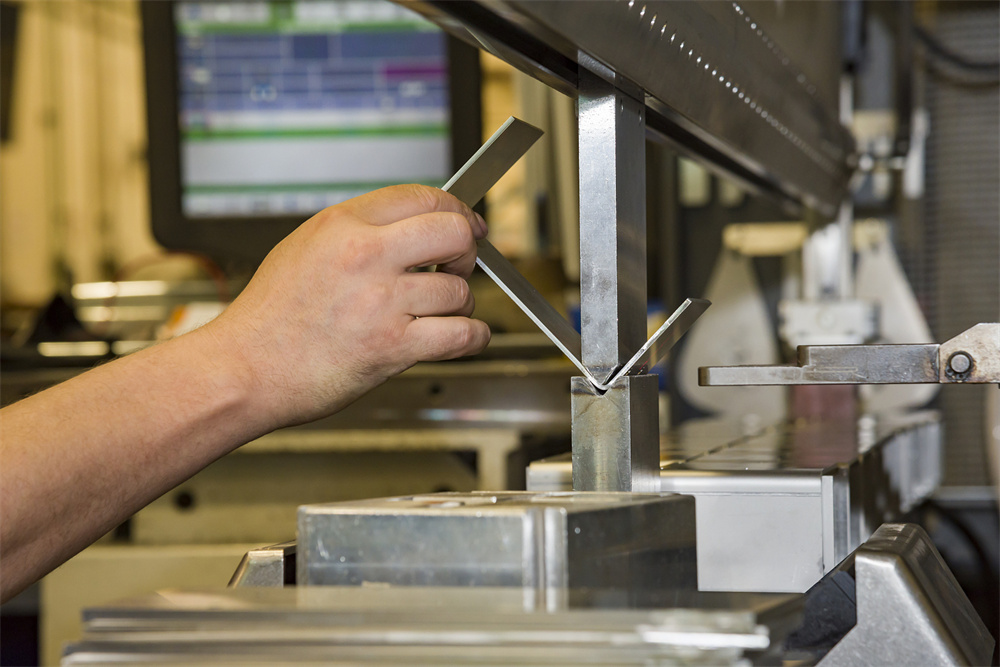
Before you begin to diagnose and repair press brake leakage in hydraulic systems, you must prioritize safety. Hydraulic fluid under pressure can penetrate the skin, causing severe injury. Always ensure the machine is powered down, the pressure is relieved from the system, and the upper beam is mechanically blocked or lowered to the bottom dead center before performing any physical inspection.
Environmental factors play a significant role in seal degradation. High ambient temperatures in a fabrication shop can cause hydraulic oil to thin, increasing the likelihood of seepage through microscopic gaps in fittings. Conversely, cold starts in winter can cause seals to become brittle. Monitoring your hydraulic oil temperature is a critical aspect of preventative maintenance that often gets overlooked.
Another key consideration is the quality of the hydraulic fluid itself. Contamination is the silent killer of hydraulic components. If your oil contains metallic shavings or debris, these particles act as abrasives, scoring the internal surfaces of cylinders and valves. Once a surface is scored, no amount of seal tightening will stop the leak. Always use high-quality, filtered hydraulic oil as recommended by your HARSLE manual.
Finally, consider the vibration levels of your machine. Press brakes are subjected to high-impact forces during the bending cycle. Over time, these vibrations can loosen threaded connections and fittings. A proactive maintenance schedule should include a regular “torque check” on all hydraulic fittings to ensure that vibration has not compromised the integrity of the joints.
Technical Details: How to Diagnose and Repair Press Brake Leakage in Hydraulic Systems
To effectively diagnose and repair press brake leakage in hydraulic systems, you must follow a logical troubleshooting flow. Start by cleaning the entire hydraulic unit. It is impossible to locate a leak if the machine is covered in layers of dust and old oil. Use a degreaser and compressed air to expose the clean metal surfaces of the valves and hoses.
Once the machine is clean, operate the press brake through a full cycle while observing the potential leak points. Common areas to inspect include the main cylinder seals, the manifold block, the proportional valve connections, and the hydraulic pump housing. If the leak is not immediately visible, use a UV-dye additive in the hydraulic oil; this will make even the smallest pinhole leaks glow under a blacklight.
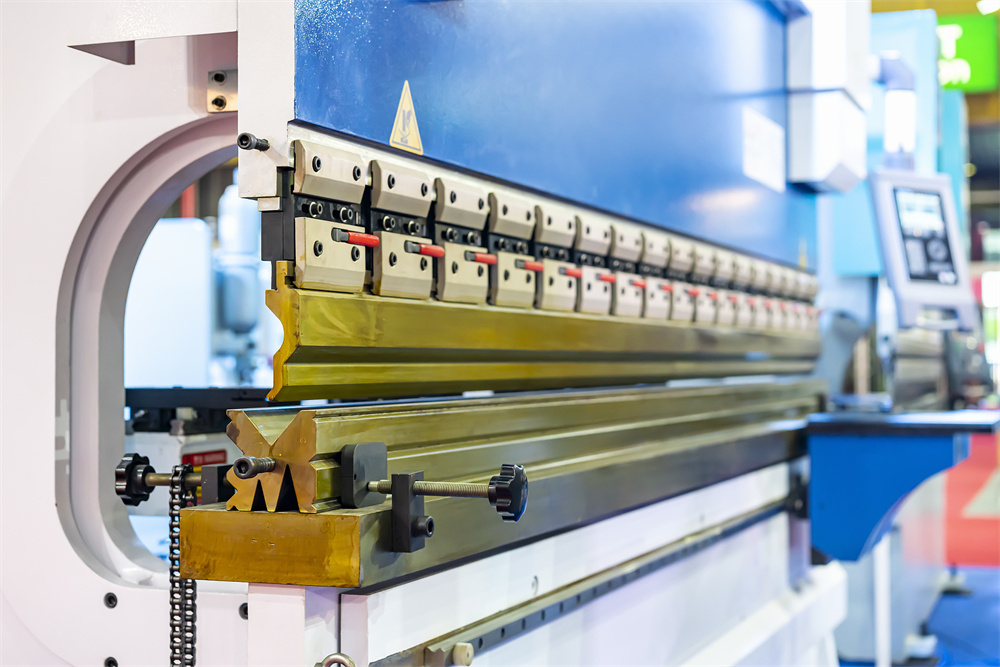
When you have identified the leak, determine the type of fitting or seal involved. If the leak is at a threaded connection, it may simply require re-tightening or the application of new thread sealant. However, if the leak is coming from a cylinder rod, the internal piston seals or the rod gland seal have likely failed. Replacing these requires specialized tools and a clean environment to prevent internal contamination.
For valve-related leaks, check the O-rings between the valve and the manifold. These are often overlooked during routine maintenance. If an O-ring is flattened or cracked, it must be replaced with an identical specification part. Never substitute O-rings with generic hardware store alternatives, as they may not be rated for the high-pressure requirements of industrial press brakes.
Step-by-Step Repair Checklist
- Depressurize: Ensure the system is completely de-energized and pressure is bled off.
- Clean: Wipe down the area to identify the exact point of origin.
- Inspect: Check for cracks in hoses, loose fittings, or worn seals.
- Replace: Use OEM-specified seals and hoses to ensure compatibility.
- Test: Run the machine at low pressure first to check for immediate leaks.
- Monitor: Observe the machine under full load for 30 minutes.
Selection Advice for Hydraulic Components
When you need to replace parts to diagnose and repair press brake leakage in hydraulic systems, quality is non-negotiable. HARSLE recommends using only original equipment manufacturer (OEM) parts. While aftermarket seals might be cheaper, they often lack the material density and thermal resistance required for the high-cycle environment of a press brake.
Consider the material of your seals. Nitrile (Buna-N) is standard for many applications, but if your shop operates at high temperatures or uses specific fire-resistant hydraulic fluids, you may need Viton or other specialized elastomers. Always consult your machine’s technical documentation to ensure the replacement seal material is compatible with your specific hydraulic oil.
When selecting hydraulic hoses, pay close attention to the pressure rating (PSI/Bar) and the bend radius. A hose that is too short or bent at an angle tighter than its rating will fail prematurely. Furthermore, ensure that the hose ends are properly crimped. If you are fabricating your own hose assemblies, ensure you have the correct crimping equipment and follow the manufacturer’s specifications for fitting insertion depth.
Finally, consider the long-term benefits of upgrading to high-quality filtration systems. If you find yourself repairing leaks frequently due to seal failure, it may be a sign that your hydraulic fluid is contaminated. Installing a finer micron filter or an offline kidney-loop filtration system can significantly extend the life of your seals and valves, reducing the frequency of repairs.
Frequently Asked Questions (FAQ)
How often should I check for hydraulic leaks?
We recommend a visual inspection every 40 hours of operation. A more thorough inspection, including checking fitting torque, should be performed during your quarterly preventative maintenance cycle.
Can I use thread tape to stop a hydraulic leak?
No. PTFE (Teflon) tape is generally not recommended for high-pressure hydraulic systems as it can shred and enter the system, causing valve blockage. Use liquid thread sealant or O-ring fittings designed for hydraulic pressure.
Why does my press brake leak only when under load?
This is a classic sign of a failing seal or a hairline crack in a fitting. Under high pressure, the metal expands or the seal is forced to bridge a larger gap, allowing fluid to escape. This requires immediate attention as it indicates the component is nearing the end of its service life.
What is the most common cause of hydraulic leaks?
The most common cause is vibration-induced loosening of fittings, followed by seal degradation due to heat and contamination. Regular maintenance and oil analysis can prevent both.
Conclusion
Learning how to diagnose and repair press brake leakage in hydraulic systems is a vital skill for any metal fabrication professional. By maintaining a clean machine, monitoring fluid quality, and using high-quality OEM components, you can ensure that your HARSLE press brake remains a reliable workhorse for years to come. Remember that the goal of maintenance is not just to fix problems, but to prevent them from occurring in the first place. Stay proactive, stay safe, and keep your production lines moving with confidence.