
A Complete Guide to Punching Machine Ram and Guide Rail Maintenance


The Critical Importance of Punching Machine Ram and Guide Rail Maintenance
In the high-stakes environment of modern metal fabrication, the punching machine serves as the backbone of production efficiency. At the heart of this machine lies the ram and guide rail assembly—a precision-engineered system responsible for the vertical force required to pierce, shear, and form metal sheets. A complete punching machine ram rail maintenance routine is not merely a suggestion; it is a fundamental requirement for operational longevity and dimensional accuracy.
When the ram and guide rails are neglected, the resulting friction leads to heat buildup, metal galling, and eventual mechanical seizure. Even minor misalignments in the guide rails can cause the punch to strike the die off-center, leading to catastrophic tool breakage and costly downtime. By prioritizing maintenance, operators ensure that the machine maintains its factory-specified tolerances, which is essential for high-quality output in industries ranging from automotive to aerospace manufacturing.
Furthermore, consistent maintenance protocols act as a proactive shield against unplanned expenses. Replacing a damaged ram or re-grinding precision guide rails is an expensive endeavor that often requires specialized technicians and weeks of machine downtime. Conversely, a disciplined approach to cleaning, inspecting, and lubricating these components costs a fraction of the price and prevents the domino effect of mechanical failure that often plagues poorly maintained workshops.
Ultimately, HARSLE emphasizes that the health of your punching machine is directly tied to the health of your business. A well-maintained ram assembly ensures smooth, vibration-free operation, which reduces the stress on the machine frame and electrical components. By investing time in these maintenance tasks, you are effectively protecting your capital investment and ensuring that your production line remains competitive in an increasingly demanding market.
Daily Inspection Protocols for Punching Machines
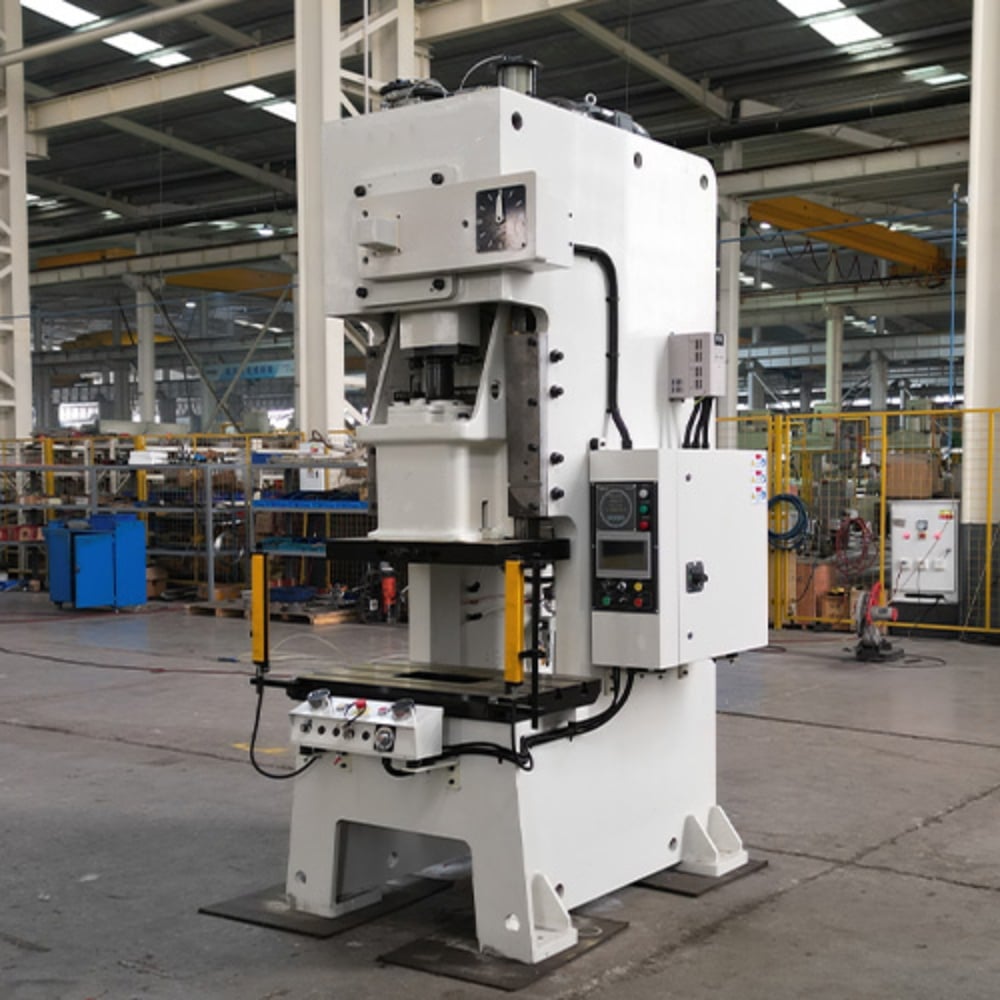
Daily inspections are the first line of defense in A Complete Punching Machine Ram Rail Maintenance strategy. Before the first shift begins, operators should perform a visual and auditory check of the ram area. Look for any signs of debris, metal shards, or unusual discoloration on the guide rails, which could indicate excessive friction or a lack of lubrication. Ensuring that the area is clean is the simplest yet most effective way to prevent premature wear.
Listen closely to the machine during its initial dry cycle. Any grinding, clicking, or irregular thumping sounds emanating from the ram housing are immediate red flags. These sounds often indicate that the guide rails are dry or that the ram is experiencing lateral play due to loose gib adjustments. Addressing these issues before the machine is under load prevents minor friction from turning into permanent surface damage.
Check the oil levels in the automatic lubrication system daily. Many modern punching machines are equipped with centralized lubrication units that deliver oil to the guide rails and ram bearings. If the reservoir is low, the system may not be delivering the required volume of lubricant to the friction points. Verify that the pressure gauges on the lubrication unit are within the manufacturer’s recommended range, as low pressure often indicates a clogged line or a failing pump.
Finally, inspect the punch and die alignment. Even if the ram itself seems fine, a misaligned tool can exert uneven pressure on the guide rails, causing them to wear unevenly. Use a precision square or a dial indicator to verify that the ram is traveling perfectly perpendicular to the bolster plate. If you notice any deviation, do not proceed with production until the gibs have been adjusted and the alignment has been restored to factory specifications.
Hydraulic, Electrical, and Mechanical Checks
A comprehensive maintenance plan must look beyond the surface. The hydraulic system is the primary driver of the ram, and its health is directly linked to the ram’s performance. Periodically check the hydraulic fluid for signs of contamination, such as cloudiness or a burnt smell, which indicate that the fluid has broken down or that the pump is struggling. Ensure that the hydraulic hoses and fittings are free of leaks, as a drop in system pressure can cause the ram to hesitate or lose force during the punching stroke.
Electrical systems play a crucial role in controlling the ram’s speed and position. Inspect the proximity sensors and limit switches that govern the ram’s travel. If these sensors are covered in oil or metal dust, they may provide inaccurate feedback to the CNC controller, leading to timing errors. Regularly clean these components and ensure that all electrical connections are tight and free from corrosion, which can cause intermittent signal loss and erratic ram movement.
Mechanically, the gibs—the adjustable plates that guide the ram—require periodic adjustment. Over time, the constant motion of the ram causes the gibs to wear, creating clearance that allows the ram to wobble. This ‘play’ is the enemy of precision. Use a feeler gauge to measure the gap between the ram and the guide rails. If the clearance exceeds the manufacturer’s tolerance, tighten the gib adjustment screws incrementally until the ram moves smoothly without any lateral movement.
Don’t forget to inspect the drive mechanism, whether it is a crank-driven system or a direct-drive servo motor. Check for signs of wear on the gears, belts, or ball screws. If the machine uses a ball screw to position the ram, ensure it is clean and properly greased. Any backlash in the drive system will manifest as poor punching quality and increased stress on the guide rails, making it a critical area for routine mechanical audits.
The Ultimate Lubrication Plan
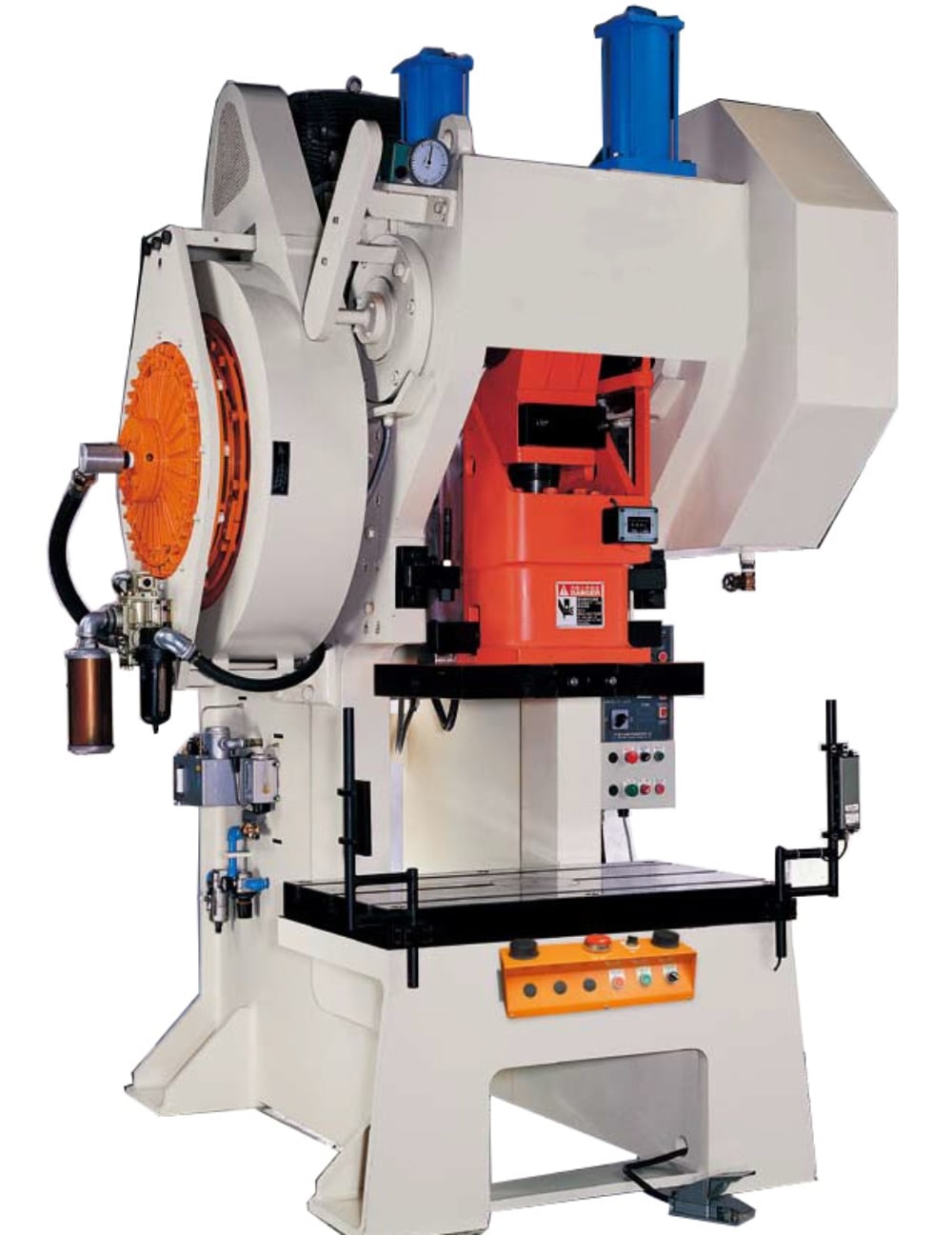
Lubrication is the lifeblood of any punching machine. Without a consistent film of oil between the ram and the guide rails, metal-to-metal contact is inevitable. A complete punching machine ram rail maintenance plan must include a rigorous lubrication schedule. Use only the high-quality, viscosity-rated lubricants recommended by HARSLE. Using the wrong oil can lead to gumming, which attracts dust and creates an abrasive paste that accelerates wear rather than preventing it.
Establish a schedule for manual lubrication points if your machine is not fully automated. Even with automatic systems, manual grease points on the main drive bearings or pivot pins should be serviced weekly. Use a clean grease gun and ensure that the fittings are wiped clean before attaching the nozzle to prevent forcing contaminants into the bearing housing. Over-greasing is just as harmful as under-greasing, as it can cause seals to blow out and create a mess that attracts debris.
Monitor the condition of the guide rail wipers. These small but vital components act as a squeegee, keeping the rails clean and preventing dust from entering the bearing surfaces. If the wipers are cracked, hardened, or missing, replace them immediately. A compromised wiper is an open door for metal dust, which acts like sandpaper on the precision-ground surfaces of your guide rails.
Finally, keep a detailed log of all lubrication activities. Note the date, the type of lubricant used, and any observations made during the process. This log is invaluable for identifying patterns in machine wear and helps in scheduling preventative maintenance before a failure occurs. By treating lubrication as a disciplined process rather than an afterthought, you significantly extend the service life of your ram assembly.
Troubleshooting Signals: When to Call for Help
Even with the best maintenance, machines can develop issues. Recognizing the early warning signs is key to preventing major damage. If you notice that the ram is ‘sticking’ or stuttering during the return stroke, this is a classic sign of guide rail friction or a failing hydraulic valve. Do not force the machine to continue; stop the operation and inspect the rails for scoring or lack of lubrication.
Another common signal is a noticeable increase in the temperature of the ram housing. While some heat is normal during heavy production, the housing should never be too hot to touch. Excessive heat indicates that the friction is overcoming the cooling capacity of the lubrication system. Check the oil flow and the gib clearance immediately if you detect abnormal heat buildup.
Inconsistent punching depth is another red flag. If your parts are coming out with varying hole diameters or incomplete punches, the ram may be losing its vertical stability. This often points to worn guide rails or loose gibs. Use a dial indicator to measure the ram’s vertical travel at different points in the stroke. If the ram is tilting, the guide rails are likely worn and may require professional re-grinding or replacement.
Lastly, pay attention to the machine’s CNC error logs. Modern HARSLE punching machines are equipped with sophisticated diagnostic software that monitors motor torque and ram position. If you see recurring ‘servo error’ or ‘positioning fault’ messages, it is a sign that the mechanical resistance is increasing. Treat these digital warnings as seriously as physical ones; they are often the first indication that your ram and guide rail assembly is under undue stress.
Maintenance Schedule Table
| Frequency | Task | Description |
|---|---|---|
| Daily | Visual Inspection | Check for debris, oil leaks, and unusual noises. |
| Daily | Lubrication Check | Verify oil levels and pressure in the central system. |
| Weekly | Gib Adjustment | Measure clearance and adjust gibs to eliminate play. |
| Monthly | Wiper Inspection | Check guide rail wipers for wear and replace if necessary. |
| Quarterly | Hydraulic Analysis | Test hydraulic fluid quality and inspect hoses/fittings. |
| Bi-Annually | Deep Cleaning | Clean the entire ram assembly and re-apply fresh lubricant. |
| Annually | Professional Audit | Full calibration and inspection by a certified technician. |
Frequently Asked Questions (FAQ)
How often should I adjust the gibs on my punching machine?
Gib adjustment frequency depends on the machine’s usage intensity. For high-production environments, a weekly check is recommended. If you notice any lateral movement or ‘wobble’ in the ram, adjust the gibs immediately to maintain precision.
Can I use any multi-purpose grease for the guide rails?
No. You must use the specific lubricant grade recommended in your HARSLE operation manual. Using the wrong viscosity can lead to poor lubrication, overheating, and the accumulation of abrasive contaminants.
What is the most common cause of guide rail wear?
The most common cause is the accumulation of metal dust and debris due to damaged or missing rail wipers. Keeping the area clean and ensuring the wipers are in good condition is the best way to prevent premature wear.
What should I do if I hear a grinding noise from the ram?
Stop the machine immediately. A grinding noise indicates metal-to-metal contact or a failed bearing. Continuing to operate the machine will cause severe, permanent damage to the guide rails and ram.
Is it necessary to hire a professional for annual maintenance?
While daily and weekly tasks can be handled by your internal team, an annual professional audit is highly recommended. Certified technicians have the specialized tools to calibrate the machine to factory tolerances and identify hidden wear that may not be visible to the naked eye.












