Laser Cutting Machine Beam Misalignment Problems and Adjustment Tips: A Comprehensive Guide


Introduction to Laser Beam Alignment
In the high-precision world of metal fabrication, the laser cutting machine stands as a cornerstone of productivity and accuracy. However, even the most advanced HARSLE fiber laser systems are subject to the laws of physics and mechanical wear. One of the most critical maintenance tasks for any operator is addressing laser cutting machine beam misalignment problems and adjustment tips. When the laser beam is not perfectly centered through the optical path, the result is poor edge quality, inconsistent cutting depths, and potential damage to expensive nozzle components.
Beam misalignment occurs when the laser beam deviates from the central axis of the optical components, including the mirrors, beam expander, and the focusing lens. This deviation can be caused by thermal expansion, mechanical vibrations, or improper installation of replacement parts. Understanding the root causes of these issues is the first step toward maintaining the high-performance standards required in modern industrial manufacturing.
This guide serves as a comprehensive resource for technicians and shop owners looking to optimize their equipment. By mastering these adjustment techniques, you can significantly extend the lifespan of your consumables and ensure that every cut meets the rigorous tolerances demanded by your clients. Whether you are operating a CO2 laser or a modern fiber laser, the principles of optical alignment remain a fundamental skill for operational excellence.
Key Considerations for Laser Beam Path Integrity
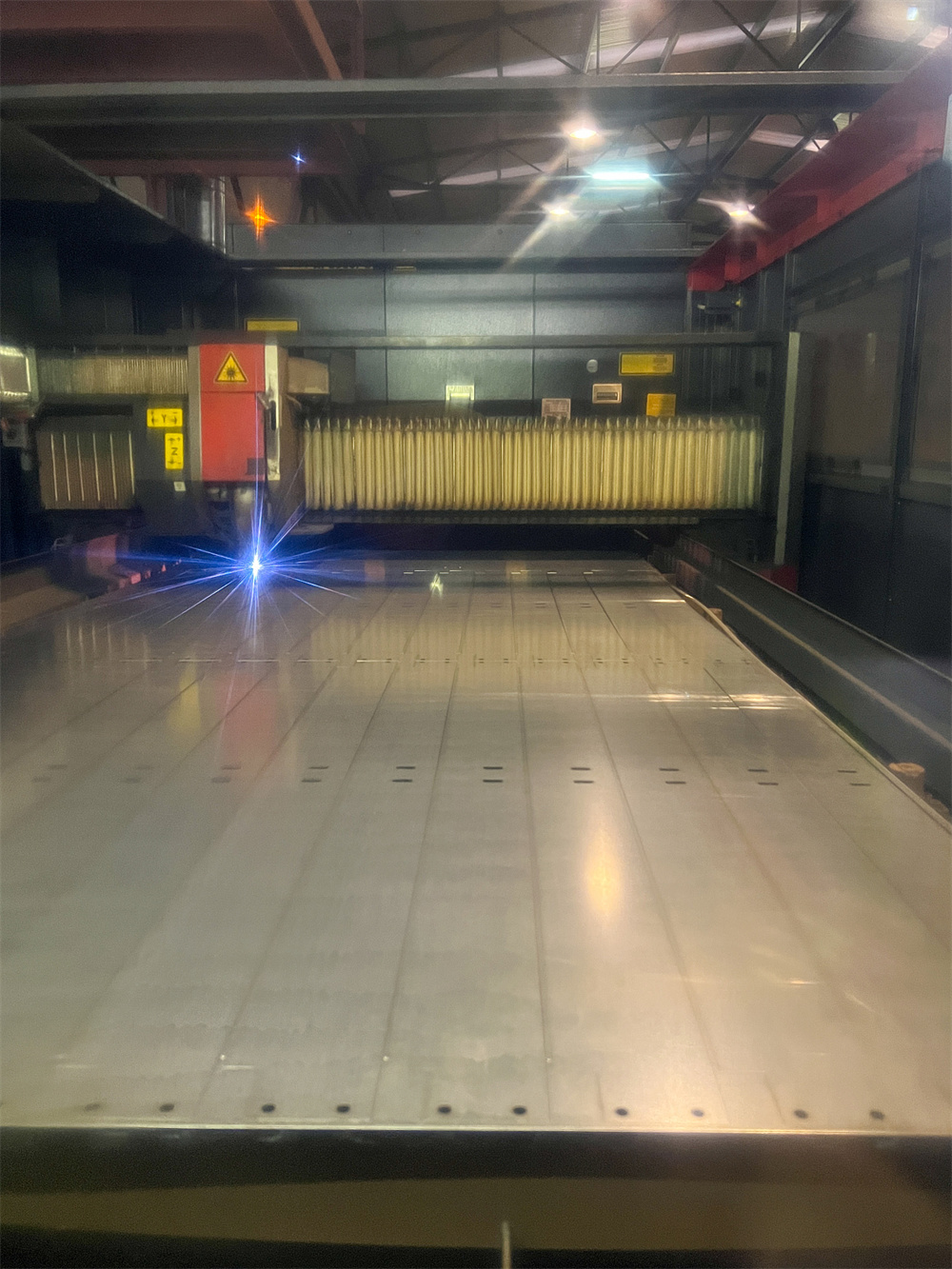
The optical path of a laser cutting machine is a delicate system. Before attempting any adjustments, it is vital to understand the environment in which the machine operates. Dust, humidity, and temperature fluctuations can all contribute to beam drift. A clean, climate-controlled environment is the first line of defense against misalignment. Operators should perform regular visual inspections of the beam path to ensure that no debris has settled on the protective glass or mirrors.
Mechanical stability is another major factor. Over time, the heavy-duty frames of metal fabrication equipment can settle or shift due to floor vibrations or uneven leveling. If the machine bed is not perfectly level, the gantry movement can introduce subtle stresses that affect the alignment of the laser head relative to the workpiece. Regular calibration of the machine’s leveling feet and gantry squareness is a prerequisite for successful optical alignment.
Furthermore, the quality of the optical components themselves cannot be overlooked. Using low-quality mirrors or lenses can lead to thermal instability, where the optics expand unevenly under the heat of the laser, causing the beam to wander. Always source replacement optics from reputable manufacturers like HARSLE to ensure compatibility and thermal resilience. Investing in high-grade optics is an investment in the long-term accuracy of your production line.
Finally, consider the impact of the cooling system. If the chiller is not maintaining the correct temperature, the laser source and the optical path may experience thermal drift. A stable cooling system ensures that the laser beam remains consistent in its profile and intensity. If you notice that your beam alignment seems to shift throughout the day as the machine warms up, check your chiller settings and coolant levels immediately.
Technical Details: Troubleshooting and Adjustment Procedures
When you encounter laser cutting machine beam misalignment problems and adjustment tips, the first step is the “Paper Test.” By placing a piece of thermal paper or masking tape over the nozzle tip and firing a short pulse, you can determine if the beam is centered. If the burn mark is not perfectly centered in the nozzle orifice, you know that the beam path requires adjustment. This simple diagnostic tool is the gold standard for identifying the need for realignment.
The adjustment process typically involves manipulating the adjustment screws on the mirror mounts. These screws allow for fine-tuning the angle of the mirrors to redirect the beam. It is crucial to make adjustments in small, incremental steps. Over-adjusting can lead to a loss of the beam path entirely, making it much harder to recover the alignment. Always document your starting position before making any changes so you can revert if necessary.
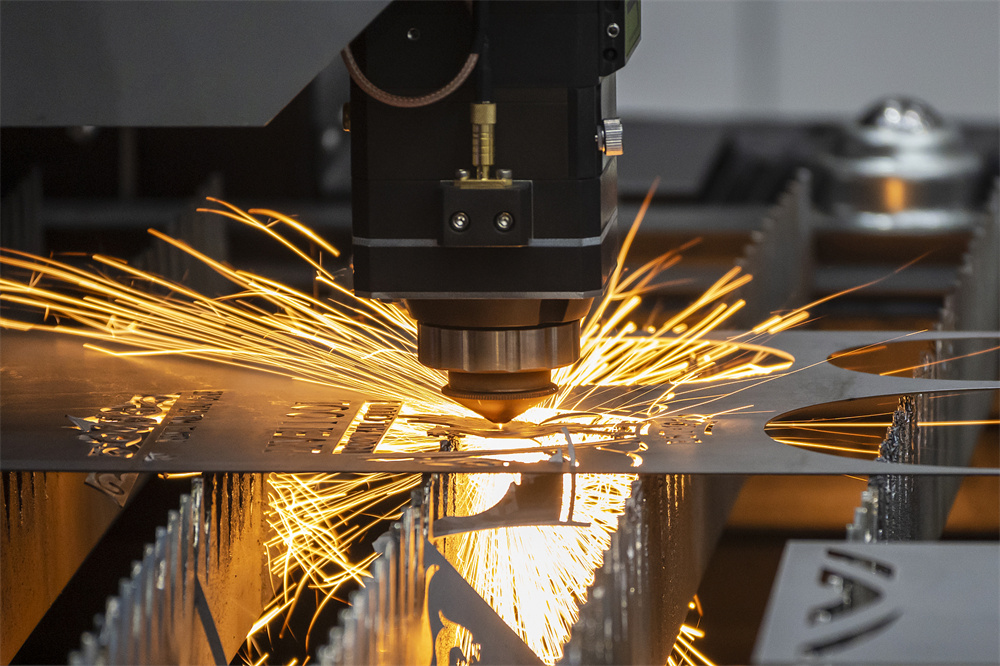
For fiber laser machines, the alignment process is often more stable than CO2 systems because the beam is delivered via a fiber optic cable. However, the alignment of the cutting head itself is still critical. The focus lens must be perfectly perpendicular to the material surface. If the head is tilted, the beam will enter the material at an angle, resulting in a beveled edge rather than a clean, vertical cut. Use a precision square or a laser alignment tool to verify the perpendicularity of the cutting head.
Another technical aspect is the beam expander and collimator. If these components are misaligned, the beam will not focus to the correct spot size. This results in a wider kerf and reduced cutting speed. Adjusting these components requires specialized knowledge and, in some cases, laser profiling software. If you are unsure about adjusting the internal optics of the laser source, it is highly recommended to contact a HARSLE service technician to prevent permanent damage to the laser resonator.
Selection Advice: Choosing the Right Equipment
When selecting a laser cutting machine, look for features that simplify the alignment process. Modern HARSLE machines often come equipped with automated calibration routines and high-precision optical mounts that resist vibration. When evaluating potential purchases, ask the manufacturer about the ease of maintenance. A machine that requires a specialized engineer for every minor alignment issue will result in significant downtime and increased operational costs.
Consider the rigidity of the machine frame. A heavy-duty, stress-relieved steel frame is less likely to deform over time, which helps maintain the alignment of the optical path. Look for machines that utilize high-quality linear guides and rack-and-pinion systems, as these components provide the smooth, consistent motion necessary to keep the laser head in the correct position relative to the workpiece.
Another important factor is the availability of spare parts and technical support. A laser cutting machine is a long-term asset. Ensure that the manufacturer provides comprehensive documentation, including detailed manuals on laser cutting machine beam misalignment problems and adjustment tips. Having access to a responsive support team can be the difference between a minor maintenance task and a multi-day production halt.
Finally, evaluate the software integration. Advanced CNC controllers now offer diagnostic tools that monitor beam stability and alert the operator when alignment drifts outside of acceptable parameters. These predictive maintenance features are invaluable for high-volume shops where consistency is paramount. Investing in a machine with smart diagnostics will pay for itself by reducing scrap rates and improving overall equipment effectiveness (OEE).
Frequently Asked Questions (FAQ)
How often should I check my laser beam alignment?
For high-production environments, it is recommended to perform a beam alignment check at least once a week. If you notice a drop in cut quality or if the machine has been moved or serviced, an immediate check is required.
Can I align the laser beam myself?
Yes, basic alignment can be performed by trained operators. However, complex adjustments involving the laser resonator or internal fiber optics should be handled by certified technicians to avoid damaging sensitive components.
What are the signs of a misaligned laser beam?
Common signs include uneven edge quality, burrs on the bottom of the cut, inconsistent cutting speeds, and the laser beam hitting the side of the nozzle, which can cause the nozzle to overheat and melt.
Does temperature affect beam alignment?
Yes, thermal expansion can cause the machine frame and optical mounts to shift. Maintaining a stable ambient temperature in your facility is essential for consistent alignment.
What tools do I need for alignment?
You will need thermal paper or masking tape, a precision square, a set of high-quality hex keys, and potentially a laser beam profiler for advanced diagnostics.
Conclusion
Mastering laser cutting machine beam misalignment problems and adjustment tips is an essential competency for anyone involved in metal fabrication. By understanding the mechanical and optical factors that influence beam path integrity, you can ensure that your HARSLE laser cutting machine continues to deliver the precision and efficiency your business relies on. Regular maintenance, combined with a proactive approach to troubleshooting, will minimize downtime and maximize the return on your investment.
Remember that the goal of alignment is not just to get the machine running, but to keep it running at peak performance. Do not wait for a catastrophic failure to address beam drift. By incorporating these adjustment tips into your routine maintenance schedule, you can maintain the high standards of quality that define your brand. For further assistance or to explore our range of high-precision metal fabrication equipment, contact the HARSLE support team today.