Punching Machine Feeds Incorrectly: Causes, Fixes, and Prevention Guide


Introduction to Punching Machine Feeding Precision
In the high-stakes world of metal fabrication, the accuracy of your punching machine is the backbone of your production quality. When a punching machine feeds incorrectly, it doesn’t just result in wasted material; it compromises the structural integrity of the final product and can lead to costly downtime. At HARSLE, we understand that consistent feeding is the difference between a profitable production run and a series of rejected parts. This guide explores why these issues occur and how to resolve them effectively.
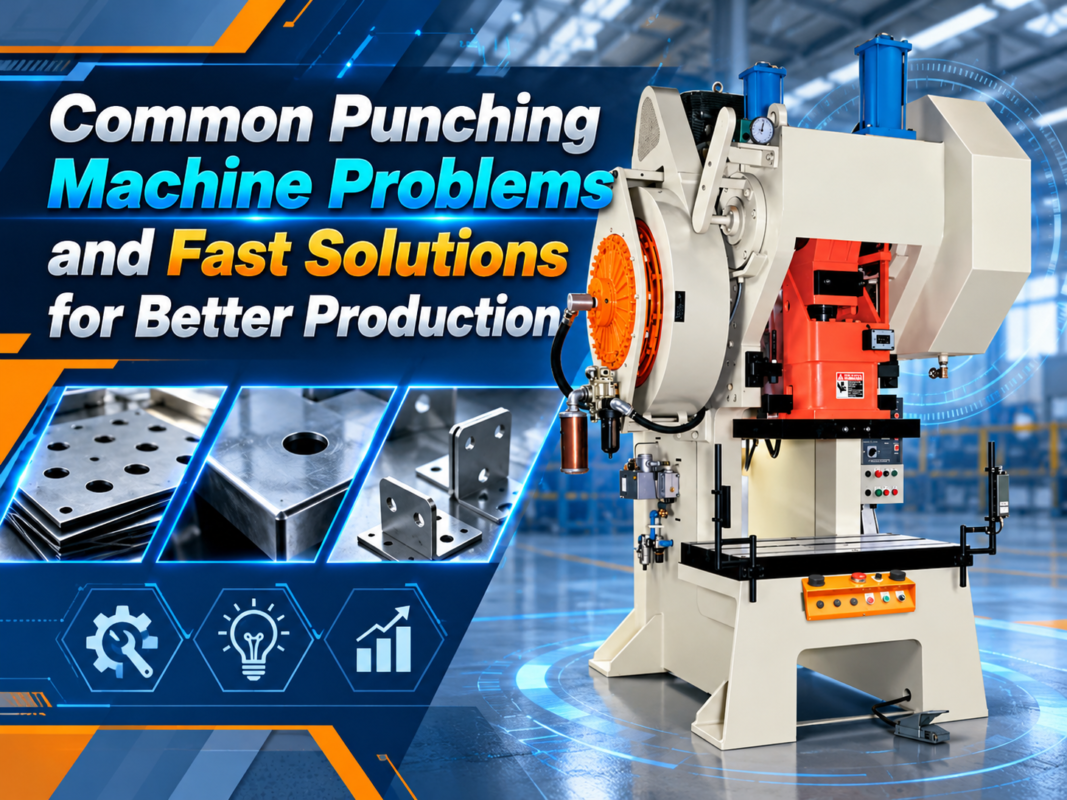
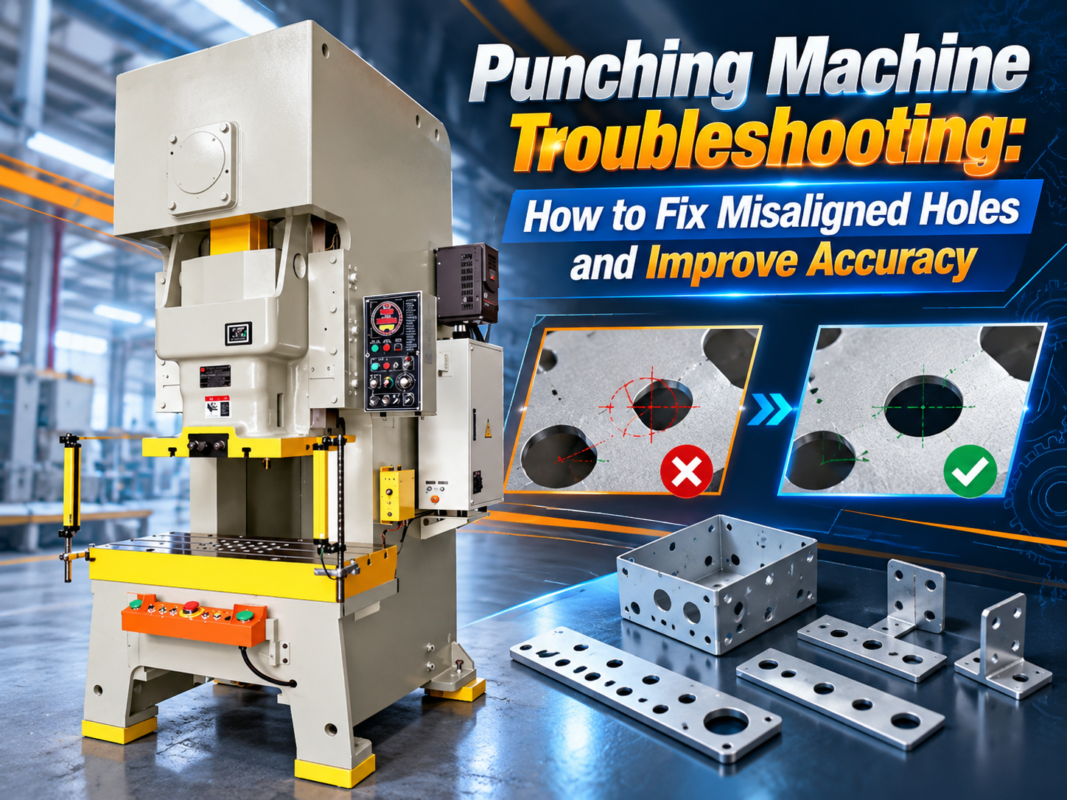
Feeding errors often manifest as inconsistent hole spacing, misaligned punch patterns, or material buckling during the indexing process. Whether you are operating a high-speed turret punch or a standard hydraulic punching machine, the mechanics of material advancement remain critical. Understanding the interplay between the clamping system, the drive motor, and the material properties is the first step toward achieving the precision your clients demand.
This comprehensive guide is designed for shop floor managers, maintenance technicians, and operators who need to diagnose and rectify feeding inaccuracies. By following these structured troubleshooting steps, you can minimize machine downtime and extend the lifespan of your HARSLE equipment. We will delve into mechanical, electrical, and software-related factors that contribute to feeding inconsistencies, providing a roadmap for long-term operational excellence.
Maintaining a high-performance punching machine requires a proactive approach to maintenance. Rather than waiting for a catastrophic failure, operators should be trained to recognize the subtle signs of feeding drift. From checking clamp pressure to verifying encoder feedback, every detail matters in the pursuit of zero-defect manufacturing. Let’s explore the technical landscape of punching machine feeding systems.
Key Considerations for Material Feeding Systems
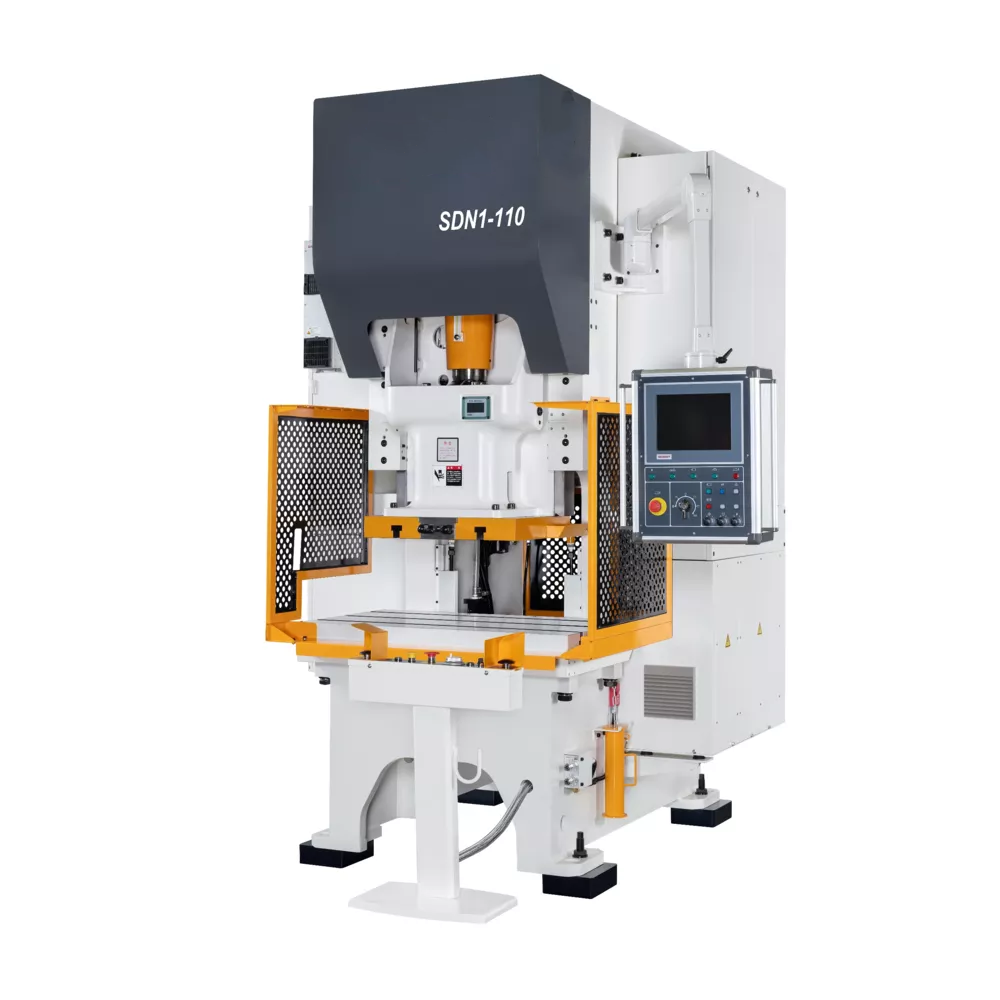
The feeding system of a punching machine is a complex assembly of mechanical components and electronic sensors working in perfect synchronization. The primary function of this system is to move the sheet metal precisely to the coordinate specified by the CNC controller. When this synchronization is disrupted, the machine feeds incorrectly. The most common culprit is often the clamping mechanism, which must hold the material firmly without inducing stress or deformation.
Material thickness and surface finish also play a significant role in feeding performance. If the material is too thin, it may buckle under the force of the punch, leading to feeding errors. Conversely, if the material is too heavy or oily, the clamps may lose their grip, causing the sheet to slip during rapid acceleration or deceleration. Operators must ensure that the clamping pressure is calibrated according to the material specifications provided in the machine manual.
Another critical consideration is the condition of the ball screws and guide rails. These components are responsible for the linear movement of the carriage. Over time, dust, metal shavings, and lubricant degradation can create resistance, leading to tracking errors. Regular cleaning and lubrication are not optional; they are essential requirements for maintaining the tight tolerances expected in modern metal fabrication.
Finally, the software parameters within the CNC controller must be correctly configured. Acceleration and deceleration ramps, as well as the feed rate limits, must be optimized for the specific material being processed. If the machine attempts to move faster than the mechanical system can support, the servo motors may lose steps, resulting in cumulative feeding errors that worsen as the program progresses.
Technical Details: Diagnosing Feeding Inaccuracies
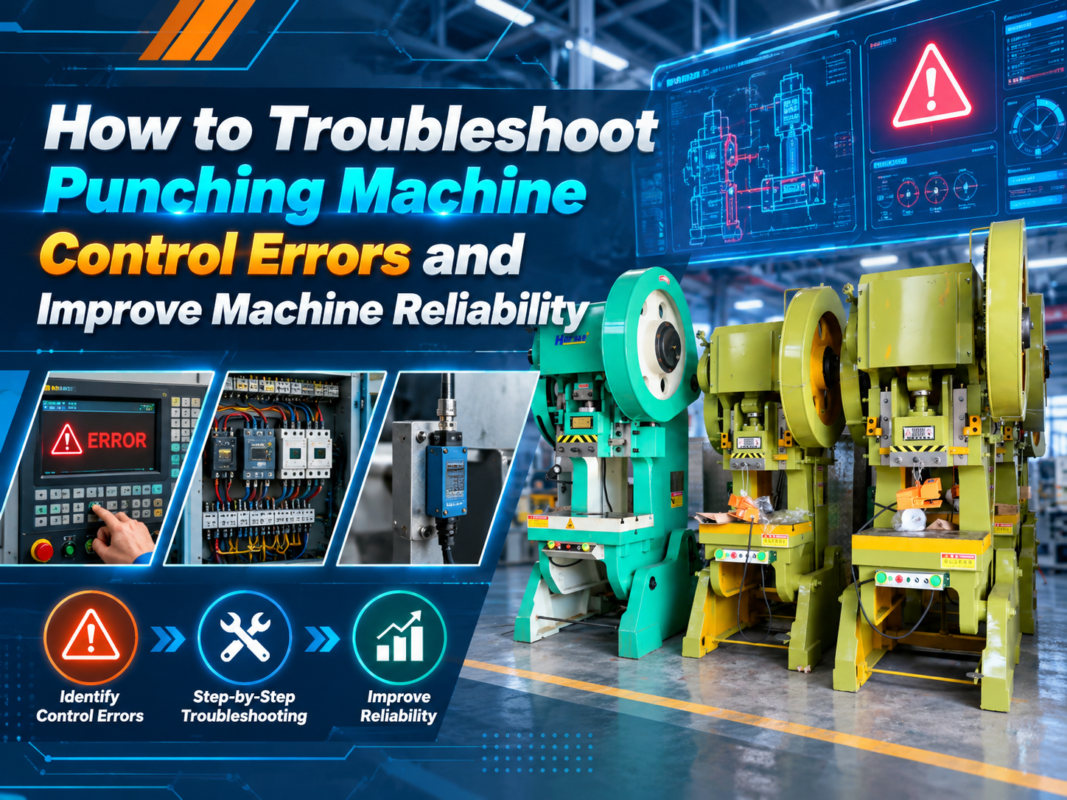
When investigating why a punching machine feeds incorrectly, a systematic approach is required. Start by checking the mechanical integrity of the drive system. Inspect the servo motor couplings for any signs of wear or looseness. A loose coupling can introduce backlash, which is a common cause of inconsistent positioning. If the motor turns but the carriage does not move immediately, you have identified a mechanical slack issue that needs immediate attention.
Next, examine the encoder feedback loop. The encoder provides the CNC controller with real-time data regarding the position of the carriage. If the encoder is dirty, damaged, or experiencing electrical interference, it will send incorrect data to the controller, causing the machine to stop at the wrong location. Use a multimeter to check for signal stability and ensure that all cables are shielded and properly grounded to prevent electromagnetic interference (EMI).
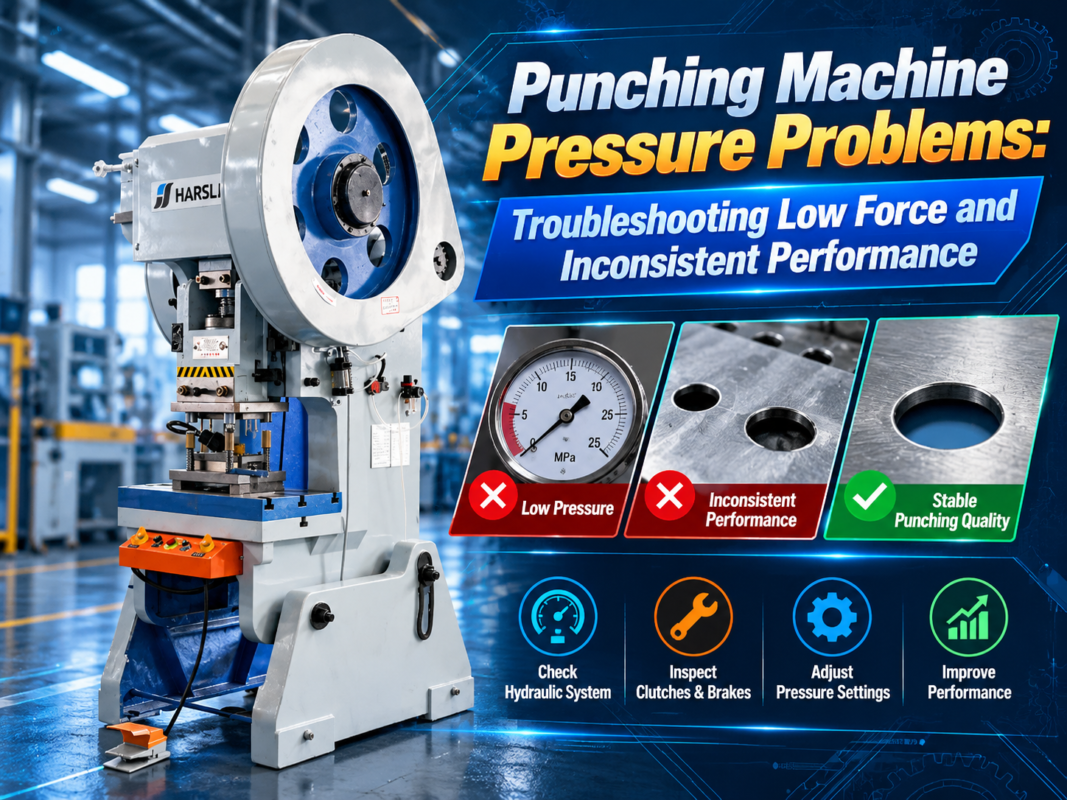
The clamping system requires a thorough inspection as well. Check the hydraulic or pneumatic pressure levels to ensure they are within the manufacturer’s recommended range. Inspect the clamp pads for wear; if the pads are smooth or damaged, they will not provide the necessary friction to hold the sheet metal securely. Replacing worn clamp pads is a simple yet highly effective way to improve feeding accuracy immediately.
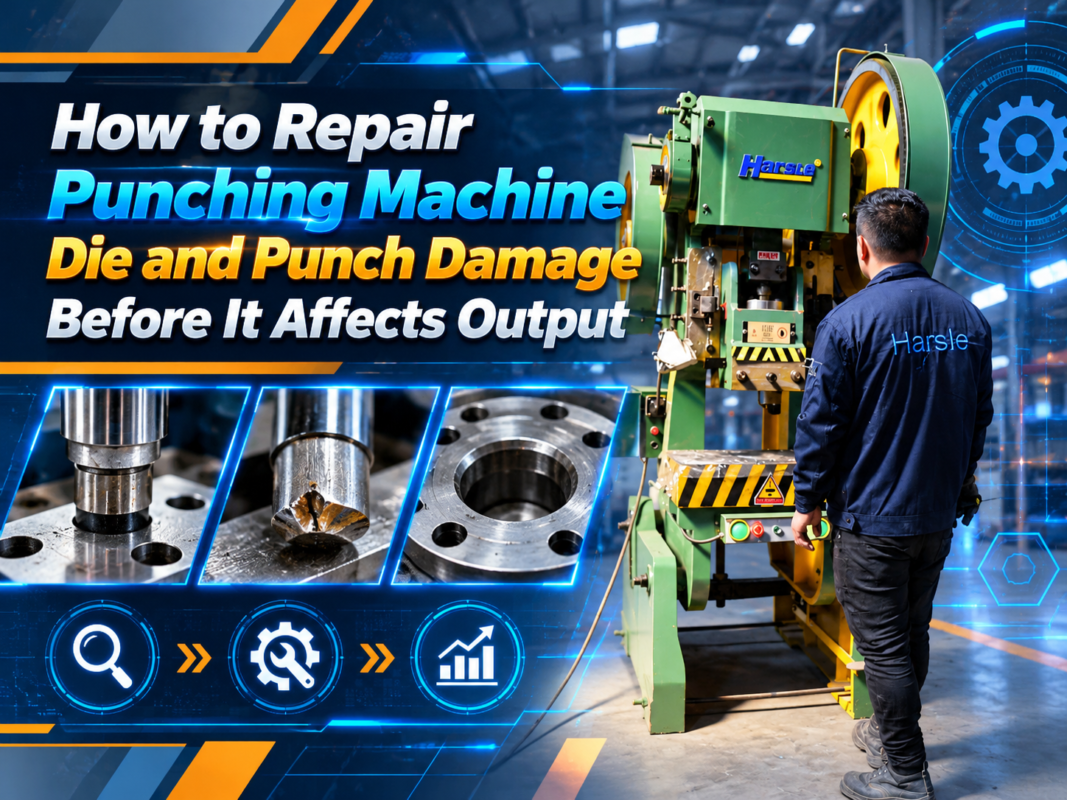
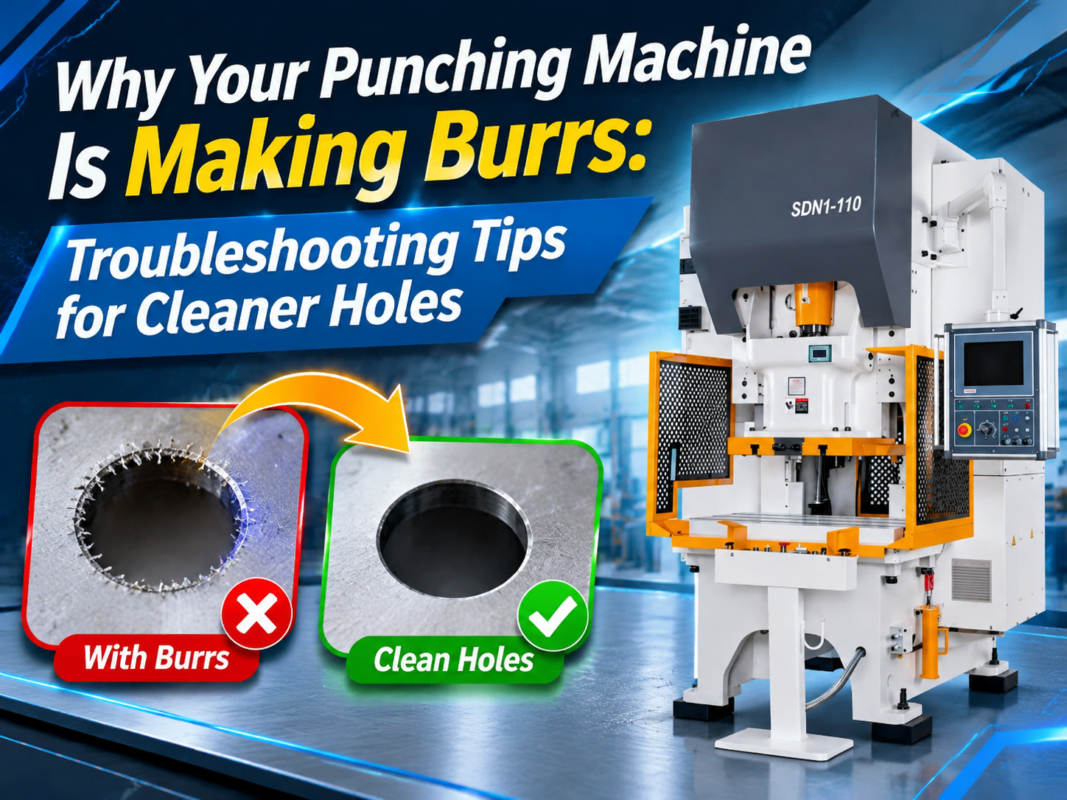
Consider the impact of the punching process itself on the material. If the punch is dull, it requires more force to penetrate the metal, which can cause the sheet to shift or vibrate. This vibration can disrupt the feeding cycle. Ensure that your tooling is sharp and correctly aligned. A well-maintained tool set not only improves the quality of the holes but also reduces the mechanical stress on the feeding system, leading to more stable operation.
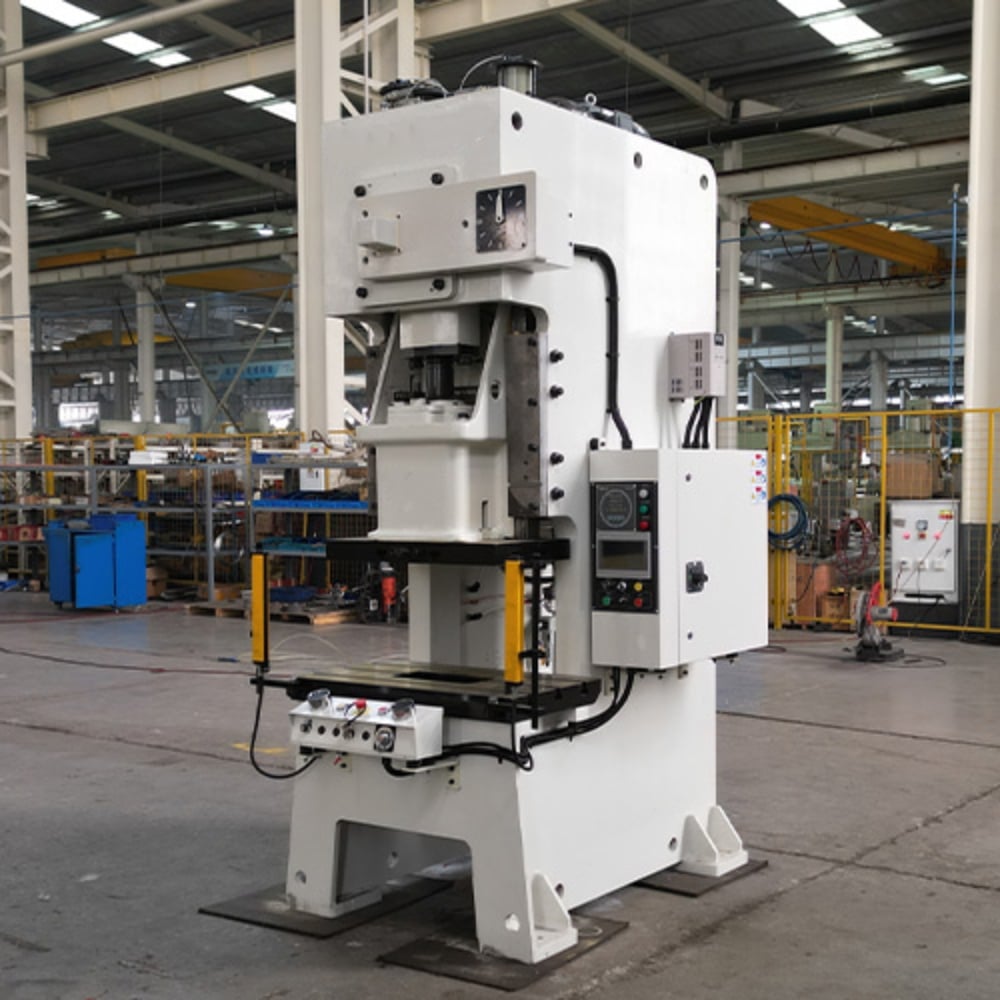
Selection Advice: Choosing the Right Equipment
Selecting the right punching machine for your specific application is the best way to prevent feeding issues before they start. When evaluating HARSLE punching machines, consider the maximum sheet size and thickness you intend to process. A machine that is consistently pushed to its mechanical limits will experience faster wear and more frequent feeding errors than one that operates well within its design capacity.
Look for machines that feature advanced servo-driven feeding systems. Servo-driven systems offer superior control over acceleration and deceleration compared to traditional hydraulic or mechanical systems, resulting in smoother movement and higher precision. Additionally, consider the type of clamping system offered. Some machines feature automatic clamp positioning, which reduces the risk of human error during setup and ensures that the clamps are always in the optimal position for the sheet size.
Software capabilities are another major factor. Modern CNC controllers offer sophisticated diagnostic tools that can monitor the health of the drive system in real-time. Look for features like automatic backlash compensation and vibration damping, which can help maintain accuracy even as the machine ages. Investing in a machine with robust software support will pay dividends in the form of reduced troubleshooting time and higher overall equipment effectiveness (OEE).
Finally, consider the support and training provided by the manufacturer. A high-quality punching machine is only as good as the team operating it. Choose a partner like HARSLE that provides comprehensive training programs and responsive technical support. Having access to expert advice when you encounter a feeding issue can save your production schedule from significant delays and ensure that your team is equipped to handle routine maintenance effectively.
FAQ: Common Questions About Punching Machine Feeding
- Q: Why does my punching machine lose position after a few hours of operation?
A: This is often caused by thermal expansion or electrical interference. Ensure that the machine is properly grounded and that the environment is temperature-controlled to prevent drift in the servo motors. - Q: How often should I lubricate the guide rails?
A: Lubrication frequency depends on usage, but as a general rule, check the rails weekly. In high-dust environments, you may need to clean and lubricate more frequently to prevent abrasive wear. - Q: Can dull tooling cause feeding errors?
A: Yes. Dull tools require higher punching force, which can cause the sheet metal to deflect or shift during the punch cycle, leading to cumulative positioning errors. - Q: What is the most common cause of clamp slippage?
A: Worn clamp pads or insufficient hydraulic/pneumatic pressure are the most common causes. Always check the pressure gauges and inspect the pads for signs of wear. - Q: How do I know if my encoder is failing?
A: Symptoms include intermittent positioning errors, alarm codes on the CNC controller, or erratic movement of the carriage. If you suspect encoder issues, consult your HARSLE service manual for diagnostic testing procedures.
Conclusion: Ensuring Long-Term Precision
Addressing the issue of a punching machine that feeds incorrectly is a matter of combining diligent maintenance with a deep understanding of your equipment’s mechanical and electronic systems. By identifying the root causes—whether they be worn clamps, encoder drift, or software misconfigurations—you can implement targeted fixes that restore your machine to peak performance. Prevention, however, remains the most effective strategy. By adhering to a strict maintenance schedule, using high-quality tooling, and ensuring your operators are well-trained, you can avoid the frustration and cost of feeding inaccuracies altogether.
At HARSLE, we are committed to providing the metal fabrication industry with reliable, high-precision machinery. We understand that your success depends on the consistency of your output. We encourage you to treat your punching machine as a precision instrument that requires care and attention. When you prioritize the health of your feeding system, you are investing in the quality of your products and the efficiency of your entire production line.
If you continue to experience challenges with your feeding system, do not hesitate to reach out to our technical support team. We are here to help you troubleshoot complex issues and provide the guidance you need to keep your operations running smoothly. Remember, a well-maintained punching machine is the foundation of a successful fabrication business, and with the right approach, you can achieve the precision and reliability that your customers expect.