Punching Machine Pressure Problems: Troubleshooting Low Force and Inconsistent Performance


Introduction to Punching Machine Pressure Problems
In the high-precision world of metal fabrication, the punching machine serves as the backbone of production efficiency. However, operators often encounter Punching Machine Pressure Problems: Troubleshooting Low Force Inconsistent Performance, which can lead to costly downtime and compromised part quality. When a machine fails to deliver the required tonnage, the entire production line grinds to a halt, necessitating a systematic approach to diagnostics and repair.
Understanding the mechanical and hydraulic nuances of your equipment is essential for any facility manager or maintenance technician. Whether you are operating a mechanical punch or a high-end hydraulic CNC punching machine, pressure consistency is the primary indicator of machine health. This guide explores the root causes of force degradation and provides actionable steps to restore your equipment to peak operational capacity.
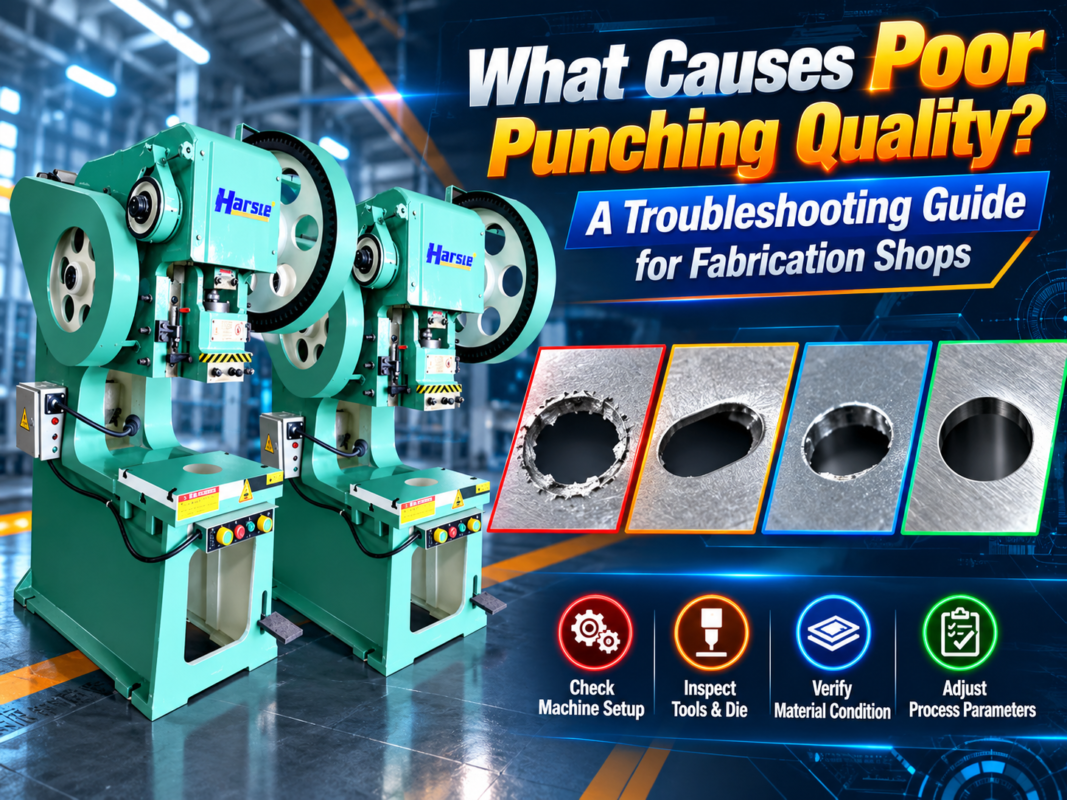
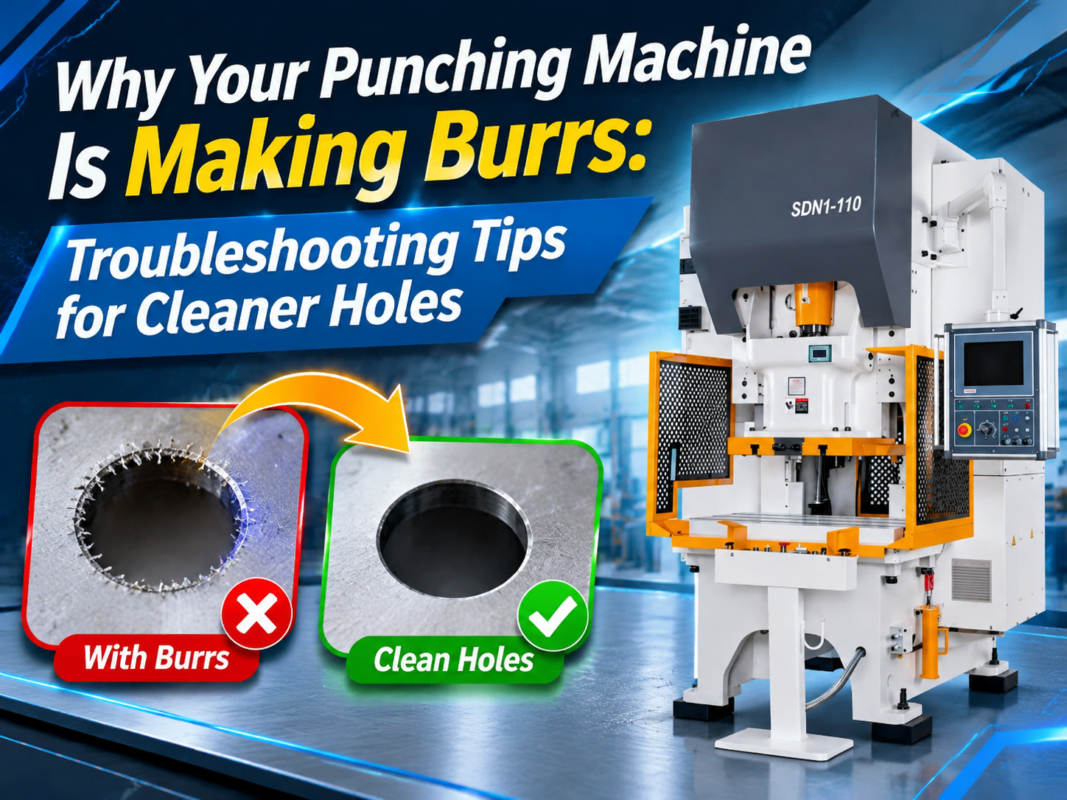
At HARSLE, we emphasize that proactive maintenance is far more cost-effective than reactive repair. By identifying the early warning signs of pressure loss—such as burrs on the edges of punched holes, incomplete penetration, or unusual motor strain—you can prevent catastrophic failure. This article serves as a comprehensive resource for troubleshooting these critical issues effectively.
Key Considerations for Hydraulic and Mechanical Systems
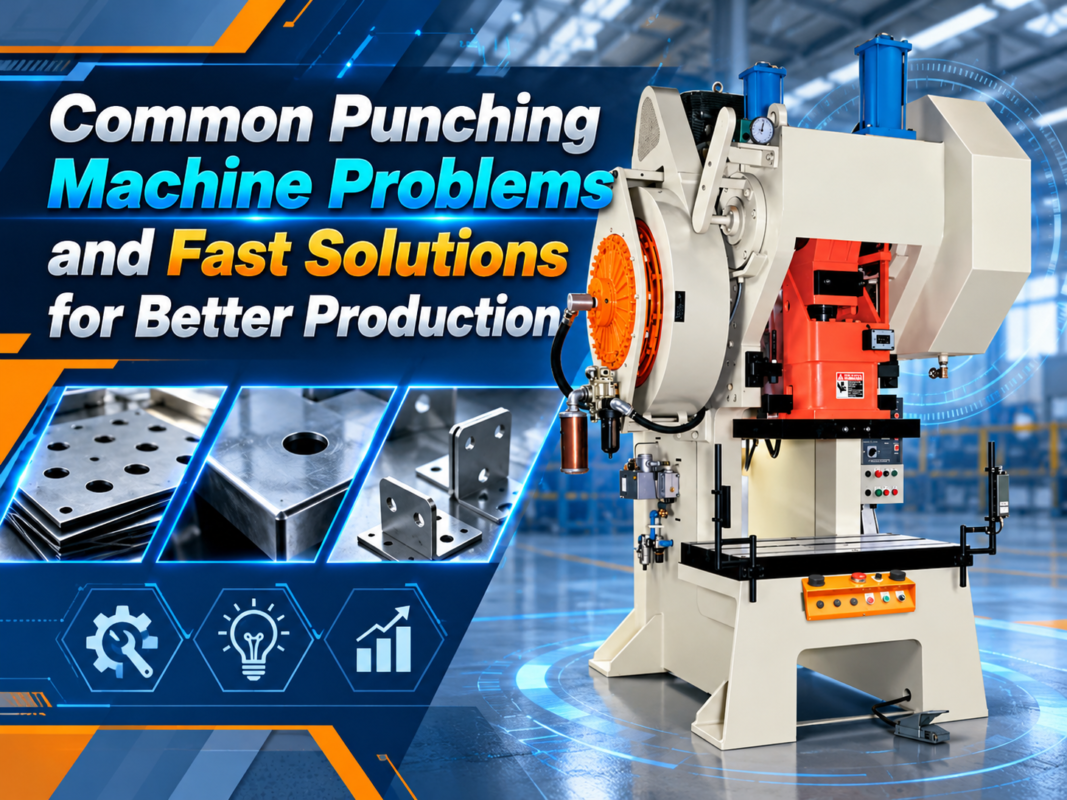
The first step in addressing Punching Machine Pressure Problems: Troubleshooting Low Force Inconsistent Performance is identifying the power source. Hydraulic punching machines rely on fluid dynamics, where pressure is generated by pumps and regulated by valves. If the hydraulic oil is contaminated, aerated, or leaking, the force delivered to the ram will inevitably fluctuate, leading to inconsistent performance across different material thicknesses.
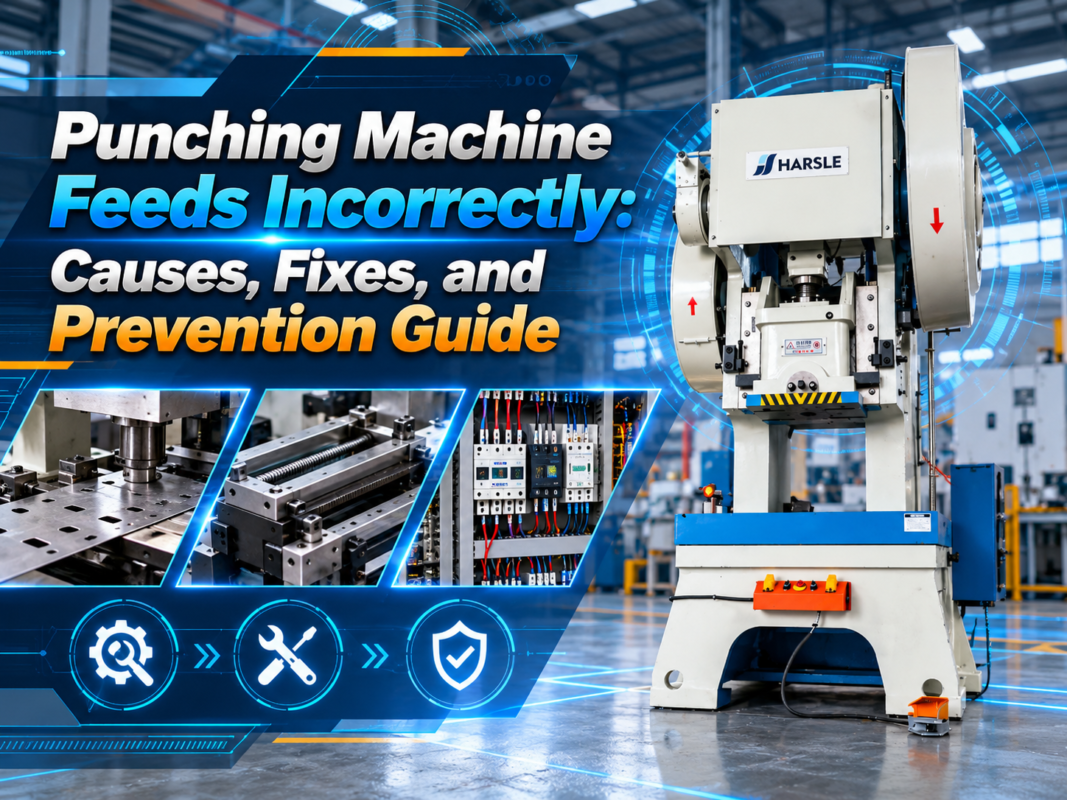
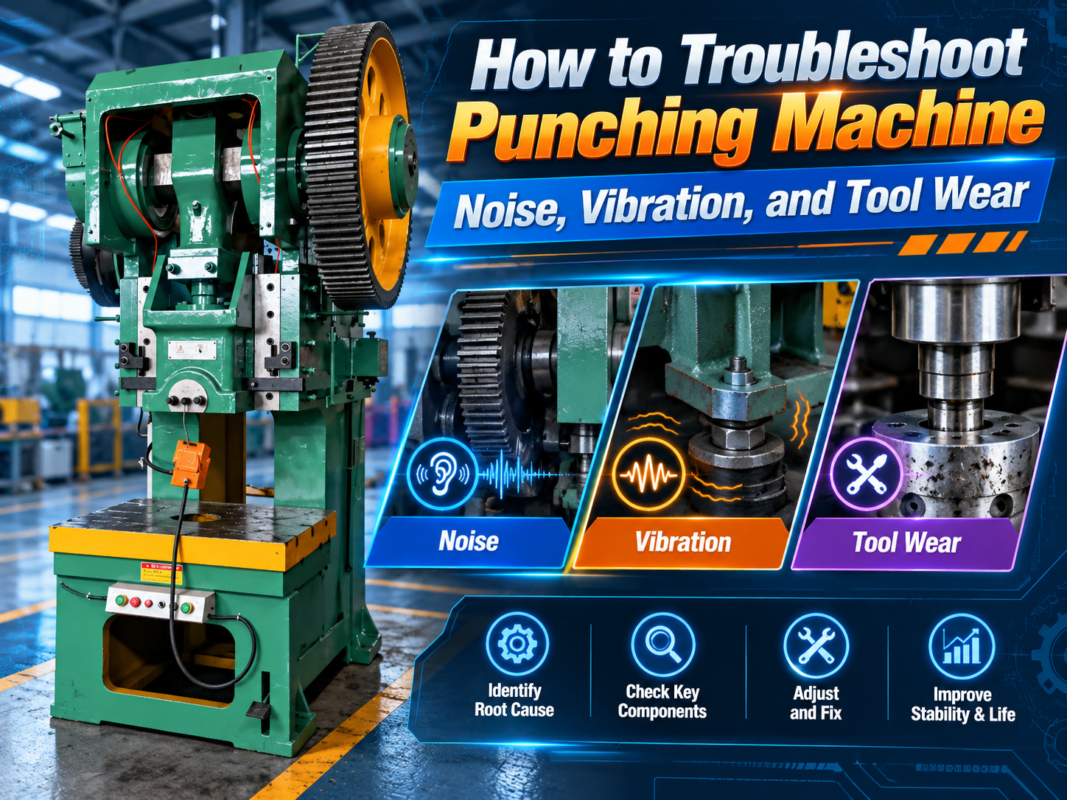
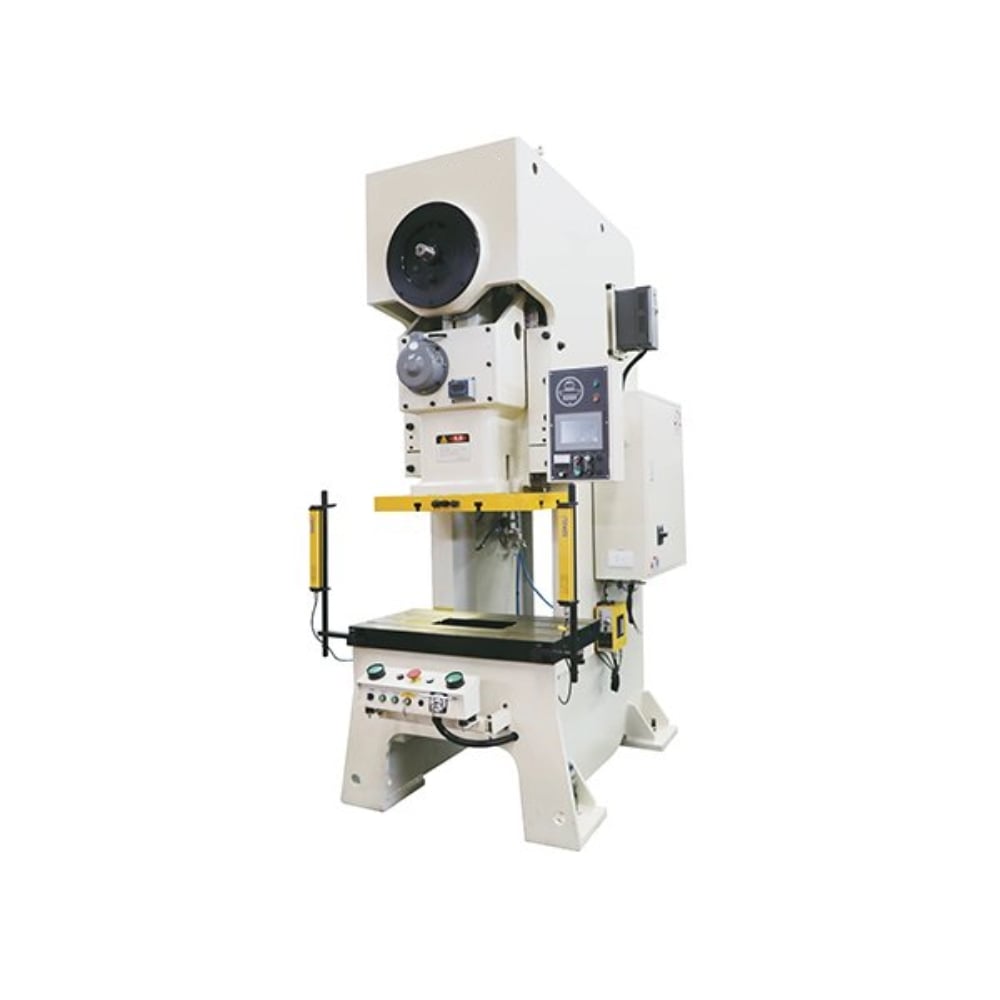
Mechanical punching machines, conversely, rely on flywheels, clutches, and eccentric shafts. In these systems, pressure problems are often linked to mechanical wear, such as a slipping clutch or a worn-out brake assembly. When the mechanical linkage loses its integrity, the energy transfer from the motor to the punch tool becomes inefficient, resulting in a noticeable drop in force during the impact stroke.
Environmental factors also play a significant role in machine performance. Temperature fluctuations can alter the viscosity of hydraulic fluids, while dust and metallic debris can clog intake filters and cooling systems. Maintaining a clean, climate-controlled environment is not just a luxury; it is a fundamental requirement for ensuring that your punching machine operates within its specified pressure tolerances.
Furthermore, the integration of CNC controls adds a layer of complexity. Modern punching machines use sophisticated sensors to monitor pressure in real-time. If these sensors are miscalibrated or if the software logic is faulty, the machine may report incorrect pressure readings, leading to a false diagnosis. Always verify sensor accuracy before dismantling major hydraulic or mechanical components.
Technical Details: Diagnosing Low Force
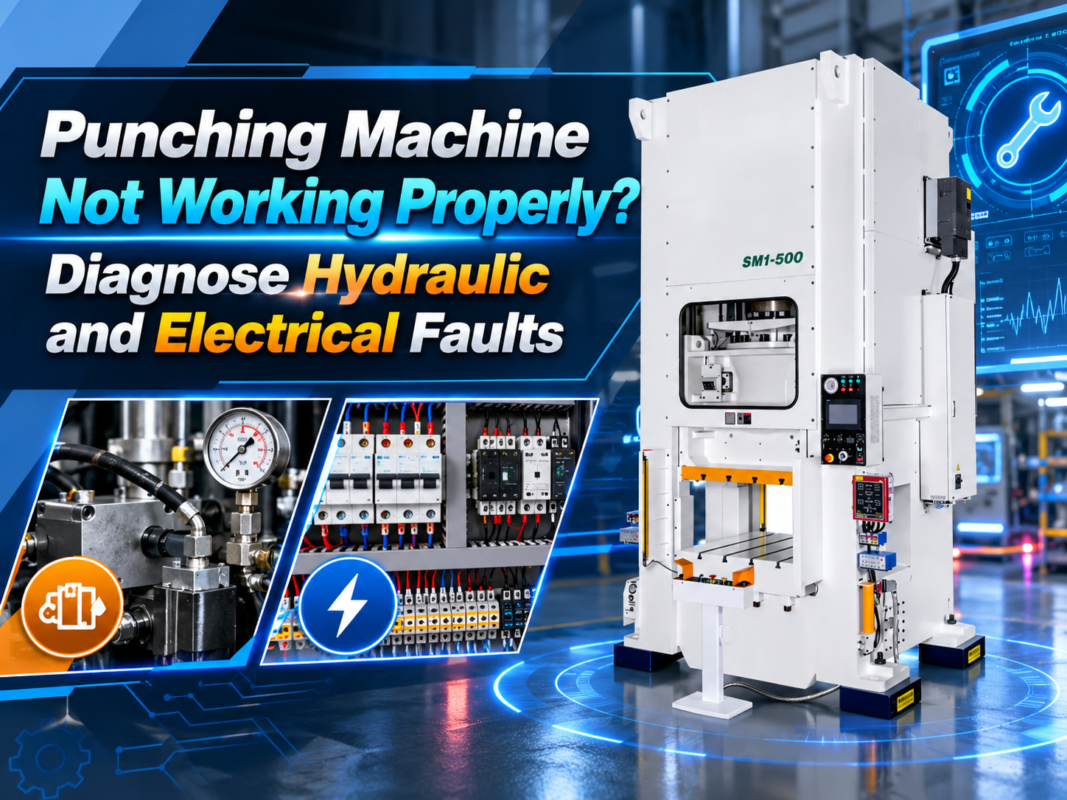
When you encounter low force, the diagnostic process should be methodical. Start by checking the hydraulic pump pressure using a calibrated gauge. If the pump is not reaching the rated pressure, the issue likely lies within the pump itself or the relief valve. A relief valve that is stuck in the open position will bypass fluid back to the reservoir, preventing the system from building the necessary pressure to punch through thicker gauge materials.
Next, examine the hydraulic cylinders and seals. Internal leakage within the cylinder—where fluid bypasses the piston seal—is a common culprit for low force. This often manifests as a slow, sluggish stroke or a machine that struggles to complete the cycle under load. If the seals are worn, they must be replaced immediately to prevent further damage to the cylinder walls and to restore full force capacity.
Electrical and control issues can also mimic mechanical pressure problems. Check the solenoid valves that control the flow of hydraulic fluid. If a solenoid is failing to open fully, it will restrict flow, causing the machine to lose force mid-stroke. Additionally, verify that the motor is running at the correct RPM. A motor that is losing power or experiencing phase issues will not provide the torque required for the pump to maintain system pressure.
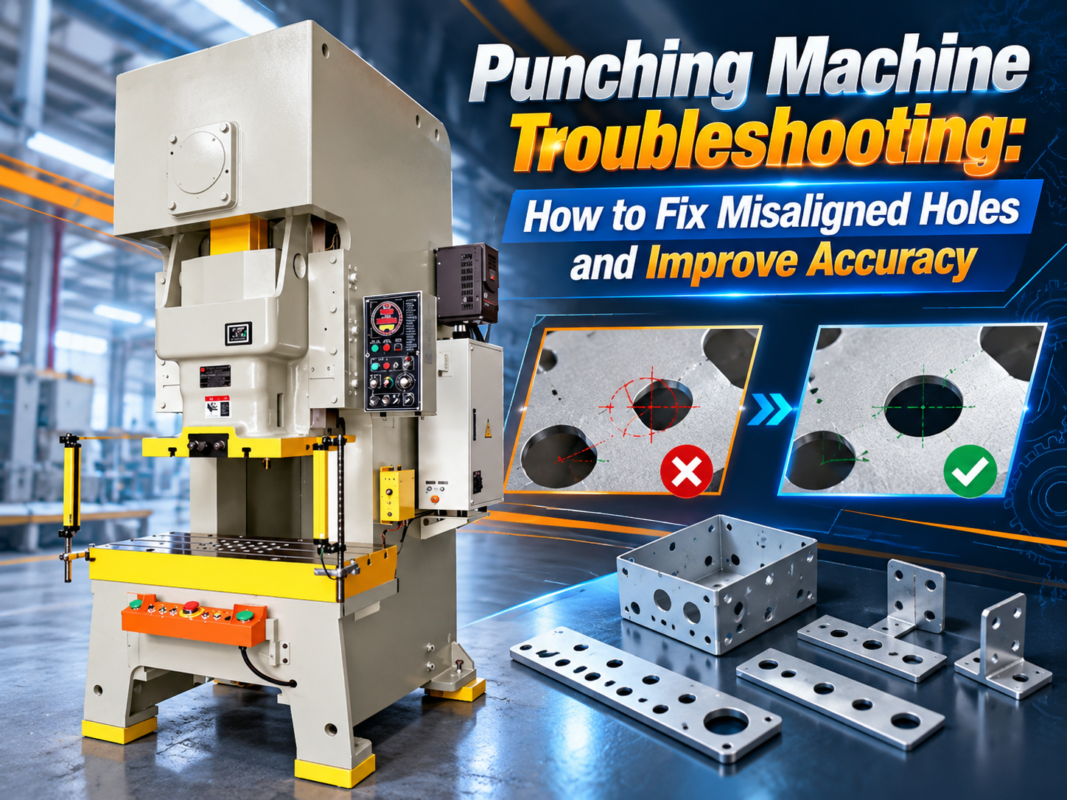
Finally, consider the tooling itself. While not a machine pressure problem per se, dull punches require significantly more force to penetrate the material. If your machine is struggling, inspect the punch and die clearance. Improper clearance increases the force required for the shear, which can make a perfectly healthy machine appear to have low pressure. Always ensure your tooling is sharp and correctly aligned before assuming a machine-side failure.
Selection Advice for Reliable Performance
When investing in new metal fabrication equipment, selecting a machine with robust pressure management systems is critical. HARSLE recommends prioritizing machines that feature high-quality hydraulic components, such as Bosch Rexroth or equivalent industry-standard valves and pumps. These components are designed for longevity and offer superior pressure stability compared to generic alternatives.
Consider the machine’s tonnage capacity relative to your typical workload. A common mistake is operating a machine at its maximum rated capacity for extended periods. This accelerates wear on seals, pumps, and mechanical linkages. For consistent performance, choose a machine with a 20-30% buffer above your maximum required tonnage. This ensures that the machine operates well within its comfort zone, reducing the frequency of pressure-related issues.
Look for machines that offer advanced diagnostic interfaces. Modern CNC punching machines provide real-time feedback on hydraulic pressure, oil temperature, and motor load. These features allow operators to catch potential pressure problems before they result in failed parts. Investing in a machine with integrated IoT capabilities can also facilitate predictive maintenance, alerting your team to pressure drops before they become critical.
Lastly, evaluate the manufacturer’s support and parts availability. A machine is only as good as the service behind it. Ensure that the supplier provides comprehensive manuals, clear troubleshooting guides, and readily available spare parts. At HARSLE, we provide extensive documentation to help our clients manage their equipment effectively, ensuring that Punching Machine Pressure Problems: Troubleshooting Low Force Inconsistent Performance are resolved quickly and efficiently.
FAQ: Common Questions About Punching Machine Pressure
Why does my punching machine lose pressure during the stroke?
Pressure loss during the stroke is often caused by internal hydraulic leakage, a failing pump, or a relief valve that is not seating correctly. It can also be caused by air trapped in the hydraulic lines, which compresses under load.
How often should I change the hydraulic oil?
Hydraulic oil should be changed according to the manufacturer’s schedule, typically every 2,000 to 4,000 operating hours. However, if you notice the oil is dark, smells burnt, or contains metallic particles, it should be replaced immediately along with the filters.
Can dull tooling cause pressure problems?
Yes. Dull tooling increases the force required to shear the metal. This extra load can cause the machine to reach its pressure limits prematurely, leading to inconsistent performance and potential damage to the machine’s structural components.
What is the most common cause of inconsistent punching force?
Inconsistent force is frequently caused by temperature fluctuations in the hydraulic oil or electrical issues affecting the solenoid valves. Ensuring the oil cooling system is functioning correctly is a primary step in stabilizing performance.
How do I know if my relief valve is faulty?
If your machine fails to reach the set pressure even when the pump is running, the relief valve may be stuck open. You can test this by monitoring the pressure gauge while adjusting the relief valve setting; if the pressure does not change, the valve likely needs cleaning or replacement.
Conclusion
Addressing Punching Machine Pressure Problems: Troubleshooting Low Force Inconsistent Performance requires a combination of technical knowledge, regular maintenance, and the right equipment. By understanding the interplay between hydraulic systems, mechanical linkages, and tooling health, you can ensure that your HARSLE punching machine remains a reliable asset in your fabrication shop.
Remember that consistency is the key to quality. Whether you are performing routine filter changes or diagnosing complex hydraulic failures, a systematic approach will save you time and money. Always prioritize safety, follow the manufacturer’s maintenance schedule, and do not hesitate to reach out to professional support when complex issues arise. With proper care, your punching machine will continue to deliver the precision and force required for your most demanding projects for years to come.