How to Prevent Common Press Brake Problems with Routine Maintenance: The HARSLE Guide


The Critical Importance of Press Brake Maintenance
In the high-stakes world of metal fabrication, the press brake stands as the backbone of production. Whether you are operating a high-tonnage HARSLE hydraulic press brake or a precision electric model, the machine’s ability to deliver consistent, accurate bends is directly tied to its operational health. When a press brake fails, production grinds to a halt, leading to missed deadlines, costly downtime, and potential safety hazards. Understanding how to prevent common press brake problems with routine maintenance is not just a best practice; it is an essential strategy for maximizing ROI and extending the lifespan of your industrial machinery.
Routine maintenance acts as a proactive shield against the wear and tear inherent in heavy-duty metal forming. By identifying minor issues—such as a slight misalignment in the backgauge or a drop in hydraulic pressure—before they escalate into catastrophic failures, operators can save thousands of dollars in emergency repairs. A well-maintained machine also ensures that the bending angle remains precise, reducing scrap rates and ensuring that every workpiece meets the stringent quality standards required by modern manufacturing.
Furthermore, a structured maintenance program fosters a culture of safety within the workshop. Press brakes exert immense force, and a machine that is not properly calibrated or maintained can behave unpredictably. By adhering to a strict inspection schedule, you protect your workforce from accidents caused by mechanical fatigue or electrical malfunctions. At HARSLE, we emphasize that the longevity of your equipment is a partnership between the manufacturer’s engineering and the operator’s commitment to daily care.
Investing time in maintenance is an investment in quality. When your press brake is running at peak efficiency, the consistency of your output improves, which in turn enhances your reputation with clients. Whether you are working with stainless steel, aluminum, or high-tensile alloys, the precision of your bends is the hallmark of your shop’s capability. This guide will walk you through the essential steps to keep your equipment running smoothly for years to come.

Daily Inspection: The First Line of Defense
The most effective way to prevent common press brake problems with routine maintenance is to establish a rigorous daily inspection routine. Before the first shift begins, the operator should perform a ‘walk-around’ to check for any visible abnormalities. This includes inspecting the tooling for chips or cracks, checking the cleanliness of the bed and ram, and ensuring that all safety guards are securely in place. A clean machine is easier to inspect, as leaks or loose bolts become immediately apparent against a tidy surface.
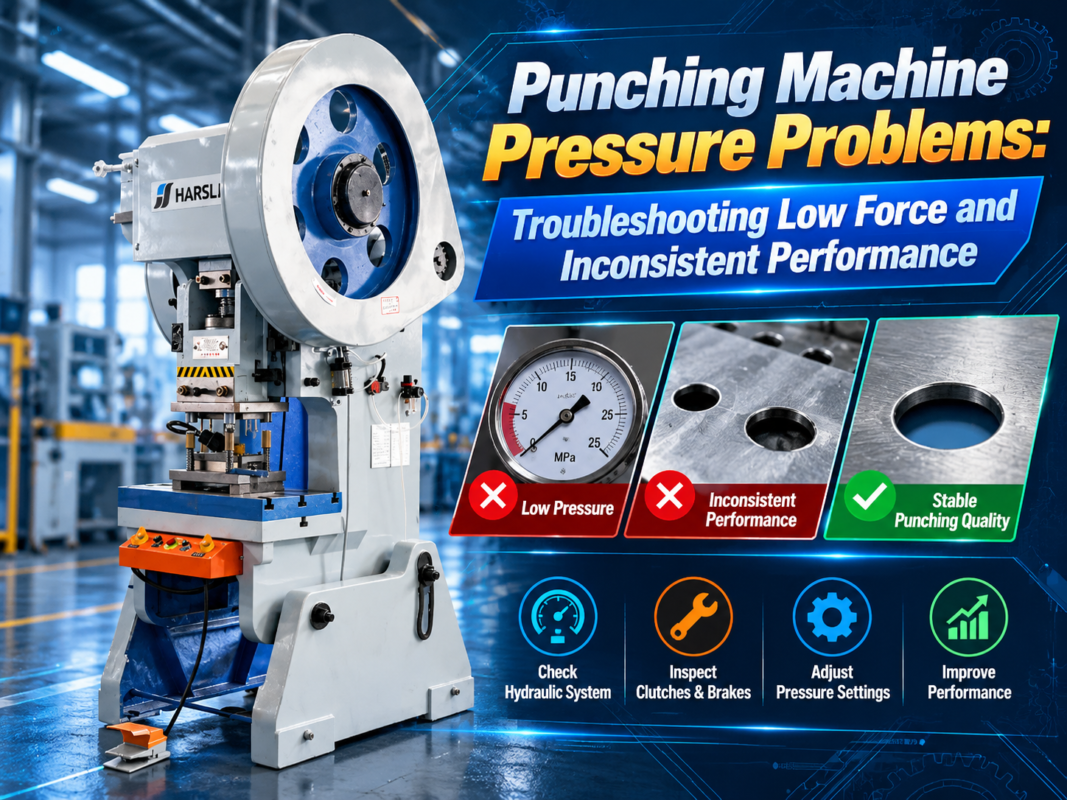
Check the hydraulic oil levels daily. Even a minor leak can lead to a significant drop in pressure, which directly impacts the bending force and the accuracy of the ram. If the oil level is consistently low, it is a sign that a seal may be failing or a hose is compromised. Addressing these issues immediately prevents the pump from running dry, which is a common cause of expensive hydraulic system failure.
The backgauge system is another critical area for daily attention. Ensure that the backgauge fingers move smoothly across their entire range of motion without any grinding noises or jerky movements. Dust and metal shavings can accumulate on the rails, causing friction and inaccuracy. A quick wipe-down and a check for debris can prevent the servo motors from overworking, which is a frequent cause of backgauge failure in older machines.
Finally, perform a test bend on a scrap piece of material at the start of every shift. This allows you to verify that the machine is calibrated correctly and that the bending angle is consistent across the entire length of the bed. If you notice any deviation, it is much easier to recalibrate the machine before you begin a production run than it is to correct a batch of faulty parts later. This simple habit is the cornerstone of professional metal fabrication.
Hydraulic, Electrical, and Mechanical Checks
The hydraulic system is the heart of your press brake. To prevent common press brake problems with routine maintenance, you must monitor the condition of the hydraulic fluid. Over time, oil can become contaminated with moisture, metal particles, or dust, which degrades its lubricating properties and can damage the valves. We recommend checking the oil temperature and clarity regularly. If the oil appears cloudy or smells burnt, it is time for a change and a thorough cleaning of the reservoir.
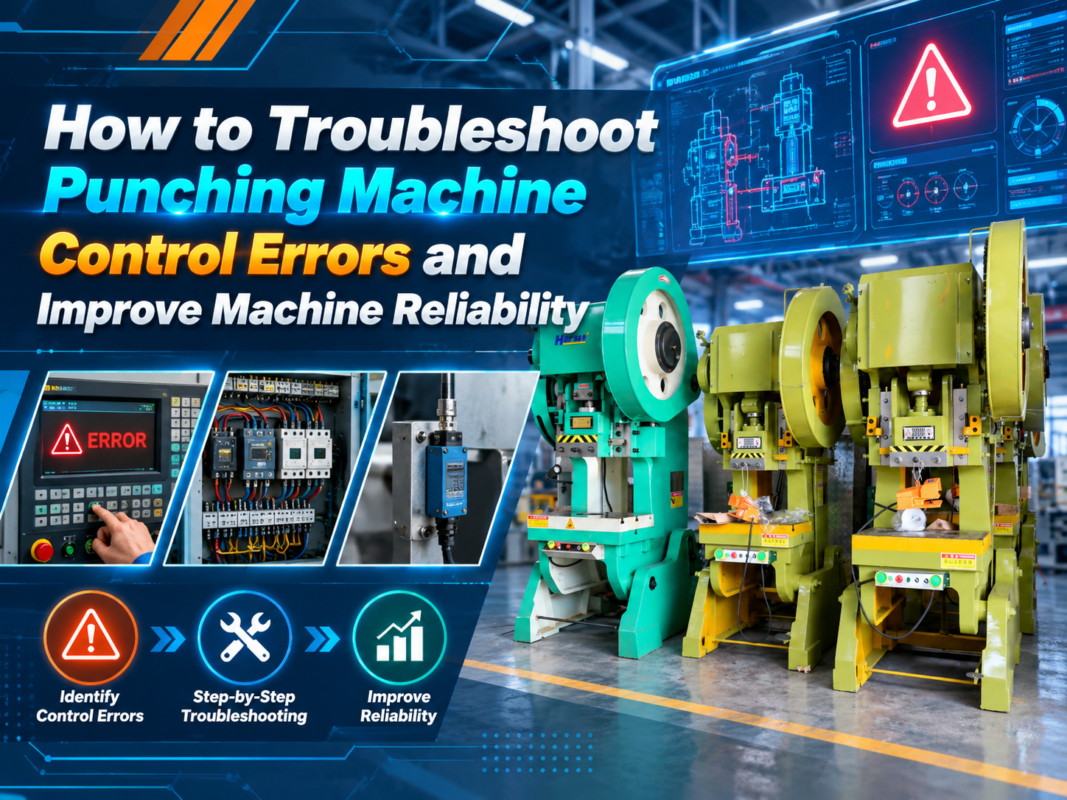
Electrical systems require a different approach. Modern press brakes are controlled by sophisticated CNC units that are sensitive to power fluctuations and heat. Ensure that the electrical cabinet is kept clean and that the cooling fans are operational. Dust buildup inside the cabinet can lead to overheating of the PLC or drive components. Periodically check all electrical connections to ensure they are tight; vibrations from the machine can cause terminals to loosen over time, leading to intermittent signal errors or ‘ghost’ faults.
Mechanical components, such as the ram guides and the synchronization cylinders, are subject to immense stress. Inspect the ram guides for signs of uneven wear. If the ram is not moving perfectly parallel to the bed, your bends will be inconsistent. Check the gibs and adjust them according to the manufacturer’s specifications. Proper alignment is vital for maintaining the structural integrity of the machine and ensuring that the force is distributed evenly across the tooling.
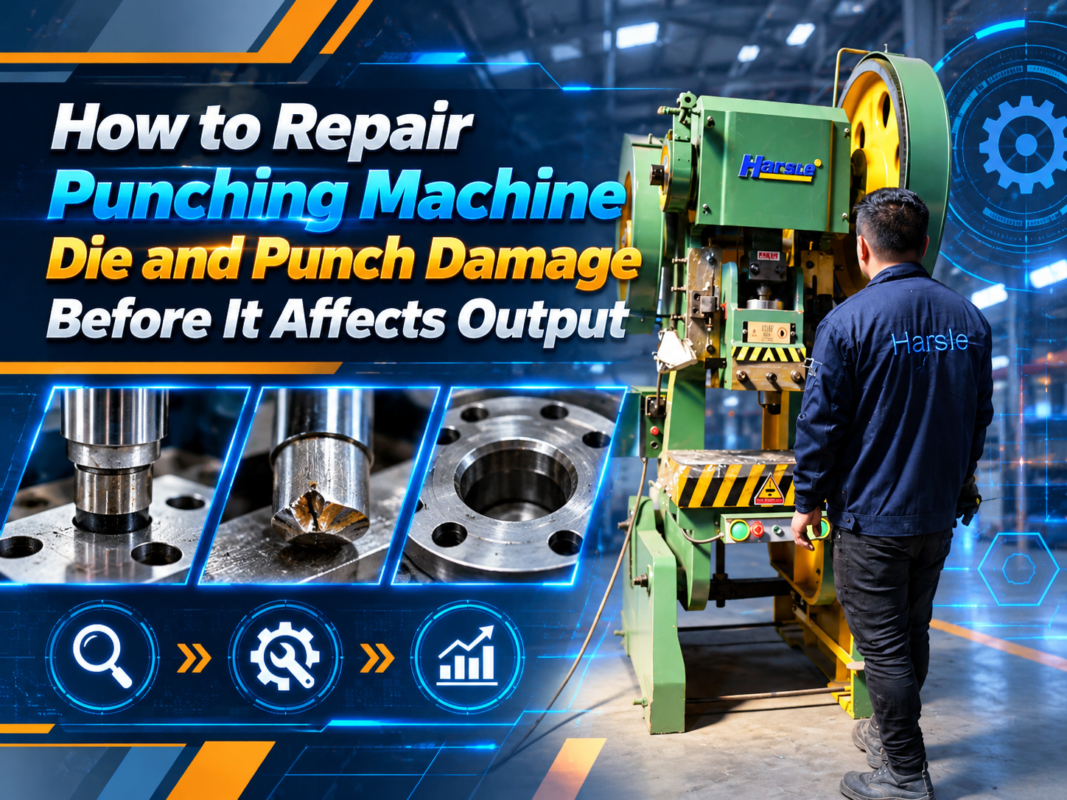
Don’t overlook the tooling itself. The punch and die are the points of contact with the material and are subject to the highest levels of wear. Inspect the radius of the punch and the opening of the die for signs of deformation. Using damaged tooling not only results in poor quality bends but also puts unnecessary strain on the machine’s frame and hydraulic system. Replace or regrind tooling as soon as signs of fatigue appear to keep your press brake operating within its design parameters.
Developing a Comprehensive Lubrication Plan
Lubrication is the lifeblood of any industrial machinery guide. A press brake has many moving parts—bearings, slides, lead screws, and pins—that require consistent lubrication to prevent friction-induced wear. Without a proper lubrication plan, these components will eventually seize or develop excessive play, leading to a loss of precision that is difficult and expensive to fix. Create a lubrication chart that identifies every grease point on the machine and specifies the type of lubricant and the frequency of application.
For the backgauge lead screws, use a high-quality lubricant that is resistant to dust accumulation. If you use a grease that is too ‘sticky,’ it will attract metal shavings, creating an abrasive paste that will wear down the threads of the screw. A dry lubricant or a light, specialized machine oil is often preferred for these components. Always clean the old grease off before applying new lubricant to ensure that contaminants are not being pushed into the bearings.
The ram slides and gibs should be lubricated according to the manufacturer’s schedule. These areas are under high pressure and require a lubricant with high film strength to prevent metal-on-metal contact. If your machine is equipped with an automatic lubrication system, verify that it is functioning correctly by checking the oil levels in the reservoir and ensuring that the lines are not blocked. A blocked line can lead to a ‘dry’ slide, which can cause catastrophic damage to the guide surfaces.
Keep a maintenance logbook near the machine. Every time a lubrication task is performed, record the date, the components serviced, and the type of lubricant used. This log is invaluable for tracking the health of the machine over time and provides a clear history for technicians if a problem does arise. It also serves as a reminder for the maintenance team, ensuring that no critical point is overlooked during busy production cycles.
Troubleshooting Signals: What to Watch For
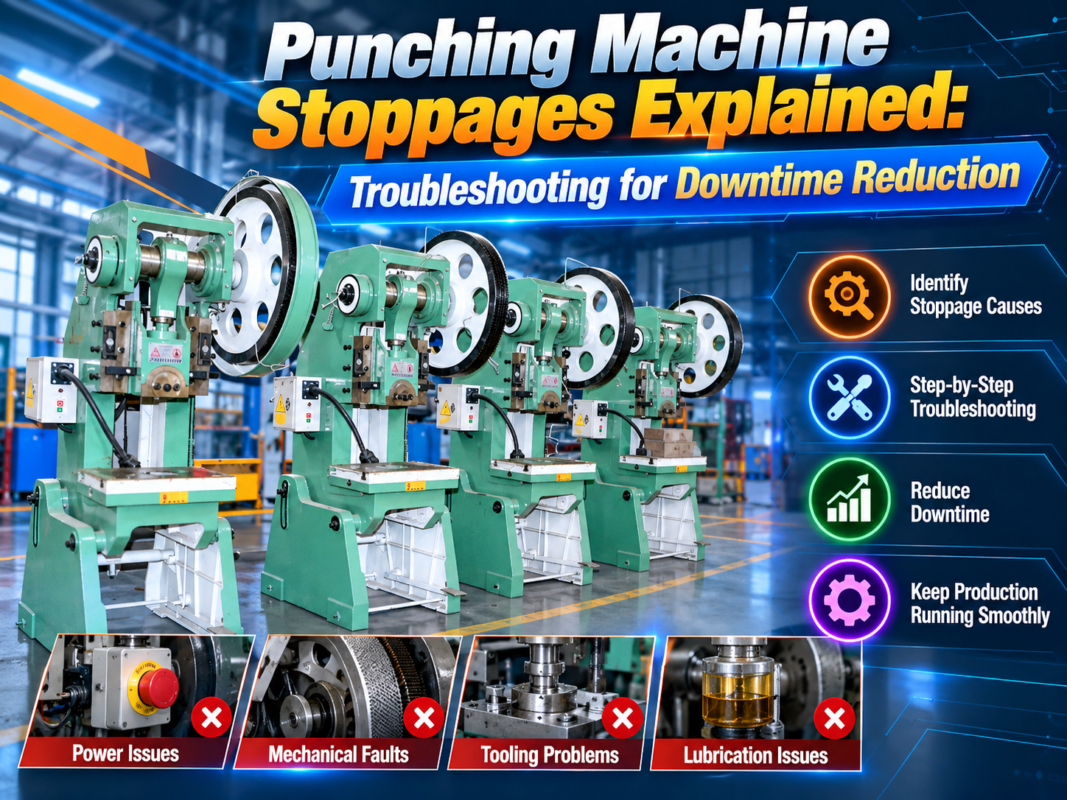
Even with the best maintenance, problems can occur. Recognizing the early warning signs is key to preventing common press brake problems with routine maintenance. One of the most common indicators of trouble is an unusual noise. A healthy press brake should have a consistent, rhythmic sound. If you hear grinding, squealing, or irregular ‘clunking’ noises, stop the machine immediately and investigate. These sounds often indicate a failing bearing, a loose component, or a lack of lubrication.
Another warning sign is a change in the machine’s performance. If the ram speed seems slower than usual, or if the machine struggles to reach the programmed tonnage, there may be an issue with the hydraulic pump or the pressure relief valves. Similarly, if the backgauge is consistently off by a few millimeters, it may indicate that the encoder is failing or that there is excessive backlash in the drive system. Do not ignore these ‘minor’ deviations; they are almost always symptoms of a deeper mechanical issue.
Pay attention to the CNC controller’s error messages. Modern HARSLE press brakes are equipped with diagnostic software that can pinpoint the location of a fault. If you see recurring error codes, consult the manual or contact your service representative. Trying to bypass these errors by resetting the machine repeatedly can lead to further damage to the electrical components or the hydraulic system.
Finally, look for physical evidence of wear. Metal shavings in the oil, oil leaks on the floor, or uneven wear patterns on the tooling are all red flags. By staying observant and treating these signals as urgent, you can prevent a minor repair from turning into a complete machine overhaul. Remember, the goal is to keep the machine in its ‘as-new’ state for as long as possible.
Maintenance Schedule Table
| Frequency | Task | Description |
|---|---|---|
| Daily | Visual Inspection | Check for leaks, loose bolts, and debris. |
| Daily | Tooling Check | Inspect punch and die for chips or cracks. |
| Weekly | Lubrication | Grease slides, pins, and backgauge rails. |
| Monthly | Hydraulic Check | Check oil levels, filters, and temperature. |
| Quarterly | Electrical Inspection | Tighten connections and clean the control cabinet. |
| Bi-Annually | Calibration | Verify bending accuracy and backgauge precision. |
| Annually | Full Service | Replace hydraulic oil, filters, and worn seals. |
Frequently Asked Questions (FAQ)
How often should I change the hydraulic oil in my press brake?
Generally, hydraulic oil should be changed every 2,000 to 4,000 operating hours, or at least once a year. However, if you operate in a high-dust environment or run the machine at maximum capacity, you may need to change it more frequently. Always check the oil’s clarity and viscosity.
Why is my press brake producing uneven bends?
Uneven bends are usually caused by a lack of parallelism between the ram and the bed. This can be due to worn gibs, hydraulic synchronization issues, or damaged tooling. Start by checking the gib adjustment and inspecting the tooling for wear.
Can I use any grease for my press brake?
No, you must use the lubricant specified in your HARSLE manual. Using the wrong type of grease can lead to premature wear or, in some cases, chemical reactions that damage the seals and bearings.
What should I do if the backgauge is inaccurate?
First, clean the backgauge rails and ensure there is no debris. If the problem persists, check for backlash in the drive system or recalibrate the backgauge position through the CNC controller. If the issue continues, the encoder may need replacement.
Is it necessary to hire a professional for annual maintenance?
While daily and weekly tasks can be performed by your in-house team, an annual inspection by a certified HARSLE technician is highly recommended. They have the specialized tools to perform deep diagnostics and calibration that ensure your machine remains compliant with safety and performance standards.