Heavy Duty Press Brake Price Guide for Large-Scale Fabrication: A Comprehensive Investment Analysis


Price Range Overview: Understanding the Investment Landscape
Investing in a heavy-duty press brake is a significant capital expenditure for any large-scale fabrication facility. When researching the Heavy Duty Press Brake Price Large-Scale Fabrication, it is essential to understand that these machines are not commodity items; they are precision-engineered assets designed for high-tonnage, high-cycle production environments. Generally, the price range for heavy-duty industrial press brakes starts at approximately $80,000 for entry-level large-format machines and can exceed $500,000 for fully automated, multi-axis tandem systems.
The market for these machines is segmented by tonnage, bed length, and automation capabilities. For facilities focusing on structural steel or heavy plate fabrication, the cost is primarily driven by the structural integrity of the frame and the sophistication of the hydraulic synchronization system. HARSLE provides a range of solutions that cater to these diverse needs, ensuring that fabricators can find a balance between initial capital outlay and long-term operational efficiency.
It is important to note that the “sticker price” is only one component of the total cost of ownership. Factors such as foundation requirements, electrical infrastructure upgrades, and specialized tooling packages often add 15-25% to the initial purchase price. When analyzing the Heavy Duty Press Brake Price Large-Scale Fabrication, buyers must look beyond the base machine cost to account for the total installed cost, which includes shipping, rigging, and professional installation services.
For large-scale fabrication, the return on investment is often tied to the machine’s ability to handle complex geometries with minimal setup time. Machines in the higher price brackets often feature advanced CNC controllers and automatic crowning systems, which significantly reduce scrap rates and labor costs. By investing in higher-tier equipment, fabricators can often justify the premium price through increased throughput and superior part consistency, which are critical for high-volume, high-precision contracts.
Main Cost Drivers: What Influences the Price Tag?
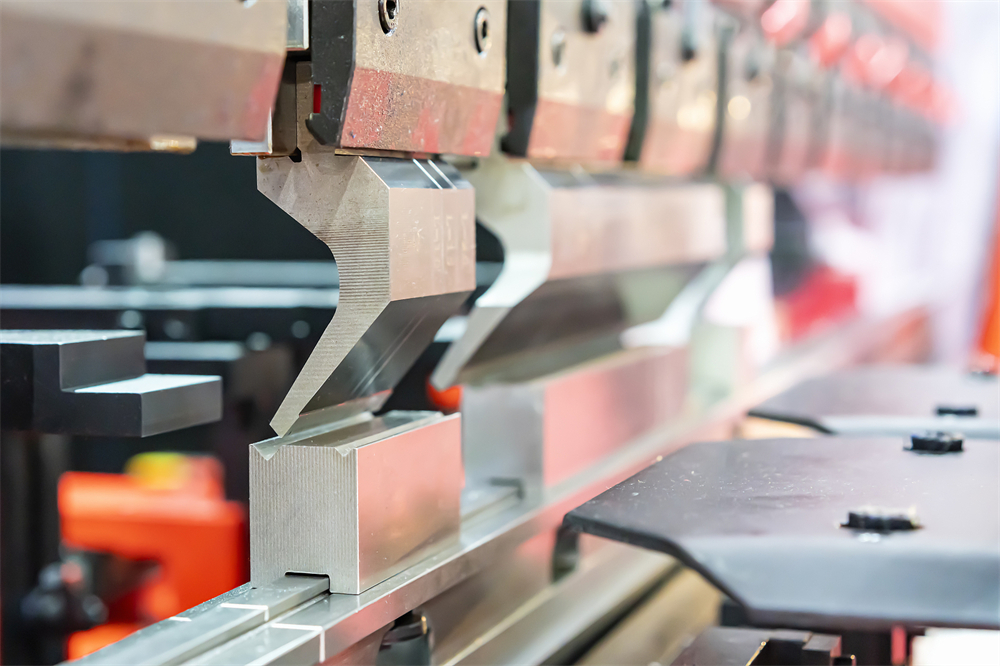
Several technical factors dictate the Heavy Duty Press Brake Price Large-Scale Fabrication. The most significant driver is the tonnage capacity. Higher tonnage requires thicker steel plates for the machine frame, more robust hydraulic cylinders, and more powerful motors. As the tonnage increases, the cost of materials and the complexity of the manufacturing process rise exponentially, directly impacting the final price.
Bed length is the second major cost driver. A longer bed requires a more rigid frame to prevent deflection under load. Maintaining parallelism across a 4-meter or 6-meter bed requires sophisticated mechanical or electronic compensation systems. These systems, such as active hydraulic crowning, add significant value and cost to the machine, as they ensure that the bend angle remains consistent across the entire length of the workpiece.
The CNC controller is the “brain” of the press brake and a major cost component. Modern large-scale fabrication requires controllers that can handle 3D simulation, offline programming, and integration with ERP systems. High-end controllers from manufacturers like DELEM or ESA allow for complex multi-bend sequences, which are essential for reducing cycle times. The integration of these controllers, along with the necessary sensors and encoders, represents a substantial portion of the machine’s value.
Hydraulic and electrical components also play a critical role in pricing. High-performance proportional valves, energy-efficient servo-driven hydraulic systems, and high-speed backgauge motors are standard in premium heavy-duty machines. These components not only improve the speed and accuracy of the machine but also contribute to lower energy consumption and reduced maintenance requirements over the life of the equipment.
Configuration Impact: Customizing for Efficiency
The configuration of a press brake is where the Heavy Duty Press Brake Price Large-Scale Fabrication can fluctuate significantly. A standard machine might be sufficient for simple bending tasks, but large-scale fabrication often requires specialized configurations. For instance, the addition of a multi-axis backgauge (e.g., 6-axis or 8-axis) allows for the bending of complex, non-parallel parts, which is a common requirement in aerospace and heavy machinery manufacturing.
Another critical configuration choice is the type of crowning system. Manual crowning is cheaper but labor-intensive and less accurate. Automatic hydraulic crowning, which adjusts the bed shape in real-time based on the bending force, is the industry standard for high-precision, large-scale work. While this adds to the initial price, the reduction in setup time and the elimination of trial-and-error bending often pay for the upgrade within the first year of operation.
Tooling systems also impact the total cost. Heavy-duty applications often require specialized, hardened, and ground tooling that can withstand high tonnage without deforming. Quick-change clamping systems are another configuration option that can drastically reduce downtime. By allowing operators to swap tools in seconds rather than minutes, these systems increase the machine’s duty cycle, making them a highly recommended investment for high-mix, high-volume fabrication shops.
Finally, safety configurations are non-negotiable in modern fabrication. Laser safety guards, light curtains, and integrated safety PLCs are essential for protecting operators and meeting international safety standards. While these features add to the cost, they are vital for reducing insurance premiums and preventing costly workplace accidents. HARSLE emphasizes the importance of these safety features in all our heavy-duty configurations, ensuring that productivity never comes at the expense of safety.
Hidden Costs: Beyond the Purchase Price
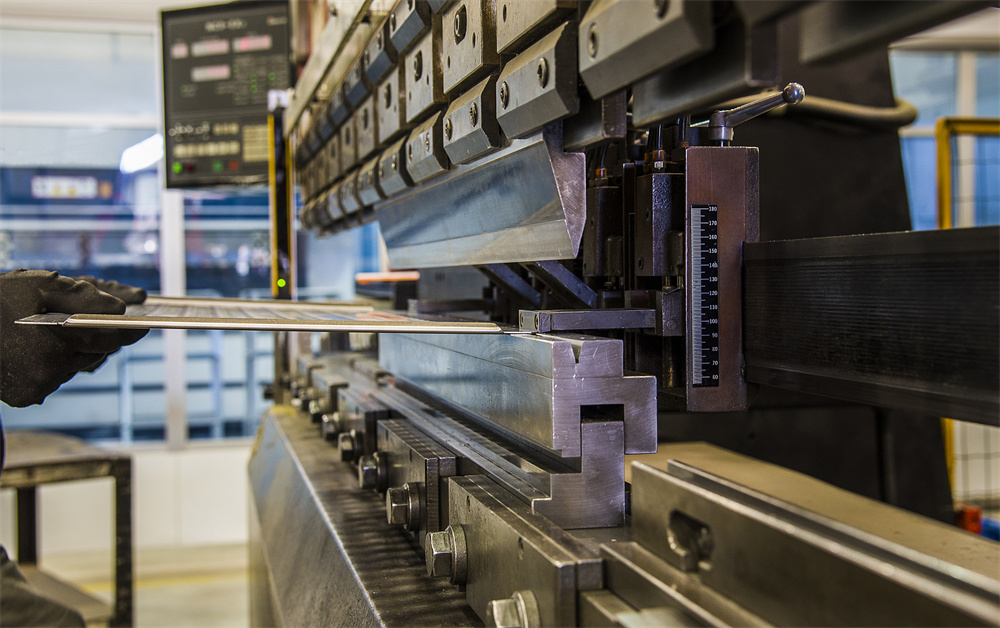
When budgeting for a heavy-duty press brake, it is vital to account for hidden costs that are often overlooked until the machine arrives on the shop floor. One of the primary hidden costs is the foundation. Large press brakes exert immense pressure on the floor; depending on the machine weight and tonnage, a reinforced concrete foundation may be required to prevent settling and ensure the machine remains level, which is critical for precision bending.
Electrical and utility requirements are another factor. Large-scale machines often require high-voltage power supplies and specialized electrical panels. If your facility’s current electrical infrastructure is insufficient, the cost of upgrading transformers, wiring, and switchgear can be substantial. Additionally, some hydraulic systems require specialized cooling or filtration systems to maintain optimal performance in high-temperature environments.
Training and software are frequently underestimated. Operating a modern CNC press brake requires skilled personnel. The cost of training your team to use the machine’s software effectively, as well as the cost of offline programming software licenses, should be included in your budget. Investing in training ensures that you can maximize the machine’s capabilities from day one, rather than experiencing a long learning curve that hampers productivity.
Maintenance and spare parts are ongoing operational costs. While high-quality machines are designed for reliability, they still require regular preventative maintenance, including hydraulic oil changes, filter replacements, and calibration checks. Establishing a service contract with the manufacturer or a certified local technician is a smart way to manage these costs and ensure that your machine remains in peak condition, avoiding the high cost of emergency repairs and unplanned downtime.
ROI Calculation: Justifying the Investment
Calculating the ROI for a heavy-duty press brake involves looking at both direct and indirect savings. Direct savings come from reduced labor costs due to faster setup times, higher bending speeds, and the ability to produce parts right the first time. By reducing scrap rates, you save on material costs, which can be significant when working with expensive alloys or thick plates.
Indirect savings are often even more impactful. A high-performance press brake allows you to take on more complex, higher-margin projects that your competitors might not be able to handle. It also improves your shop’s overall throughput, allowing you to meet tighter deadlines and increase your customer base. These competitive advantages are difficult to quantify but are essential for long-term growth in the fabrication industry.
To calculate the ROI, start by estimating the annual increase in production capacity and the reduction in labor hours per part. Compare these figures against the total cost of ownership, including the purchase price, installation, training, and annual maintenance. Most large-scale fabricators find that a well-chosen, high-quality press brake pays for itself within 24 to 36 months, depending on the volume and complexity of the work.
It is also worth considering the resale value of the machine. High-quality, well-maintained heavy-duty press brakes from reputable manufacturers like HARSLE hold their value exceptionally well. When it comes time to upgrade or expand your facility, the ability to sell your existing machine at a good price can significantly offset the cost of your next investment, making the total cost of ownership even more attractive.
Buying Advice: Selecting the Right Machine
Choosing the right press brake is a strategic decision that requires a thorough assessment of your current and future needs. Start by analyzing your part mix: what is the maximum thickness, length, and material type you will be bending? Do not just buy for today’s jobs; consider the types of projects you want to win in the next five years. A machine that is too small will limit your growth, while a machine that is too large may be inefficient for your daily tasks.
Evaluate the manufacturer’s support network. A press brake is a long-term investment, and you need a partner who can provide timely technical support, spare parts, and service. HARSLE prides itself on offering comprehensive after-sales support, ensuring that our clients have the resources they need to keep their machines running smoothly. Ask about response times, the availability of local technicians, and the ease of sourcing common spare parts.
Request a demonstration or visit a facility that uses the machine you are considering. Seeing the machine in action allows you to evaluate its build quality, the user-friendliness of the CNC interface, and the speed of the backgauge. Talk to the operators; they are the best source of information regarding the machine’s reliability and ease of use. Their feedback can provide invaluable insights that you won’t find in a brochure.
Finally, prioritize quality over the lowest price. In large-scale fabrication, downtime is the enemy of profitability. A cheaper machine that breaks down frequently will cost you far more in lost production and repair bills than a slightly more expensive, reliable machine. Focus on the total value proposition—the combination of performance, reliability, support, and long-term cost-effectiveness—to make an informed decision that will serve your business for years to come.
FAQ: Frequently Asked Questions
- What is the typical lead time for a heavy-duty press brake? Lead times vary based on the machine’s complexity and customization. Standard models may be available in 8-12 weeks, while highly customized tandem systems can take 6 months or more.
- How often should I calibrate my press brake? For high-precision fabrication, we recommend an annual calibration check. However, if you notice a decrease in part accuracy, you should perform a check immediately.
- Can I upgrade my press brake later? Many HARSLE machines are modular, allowing for future upgrades such as adding extra backgauge axes or advanced software features. Discuss your future growth plans with our sales team during the initial purchase.
- What type of maintenance is required? Daily maintenance includes checking oil levels and cleaning the machine. Monthly and annual maintenance involves more in-depth inspections, filter changes, and lubrication of moving parts.
- Does HARSLE provide training for operators? Yes, we offer comprehensive training programs for all our machines, covering everything from basic operation to advanced programming and maintenance.