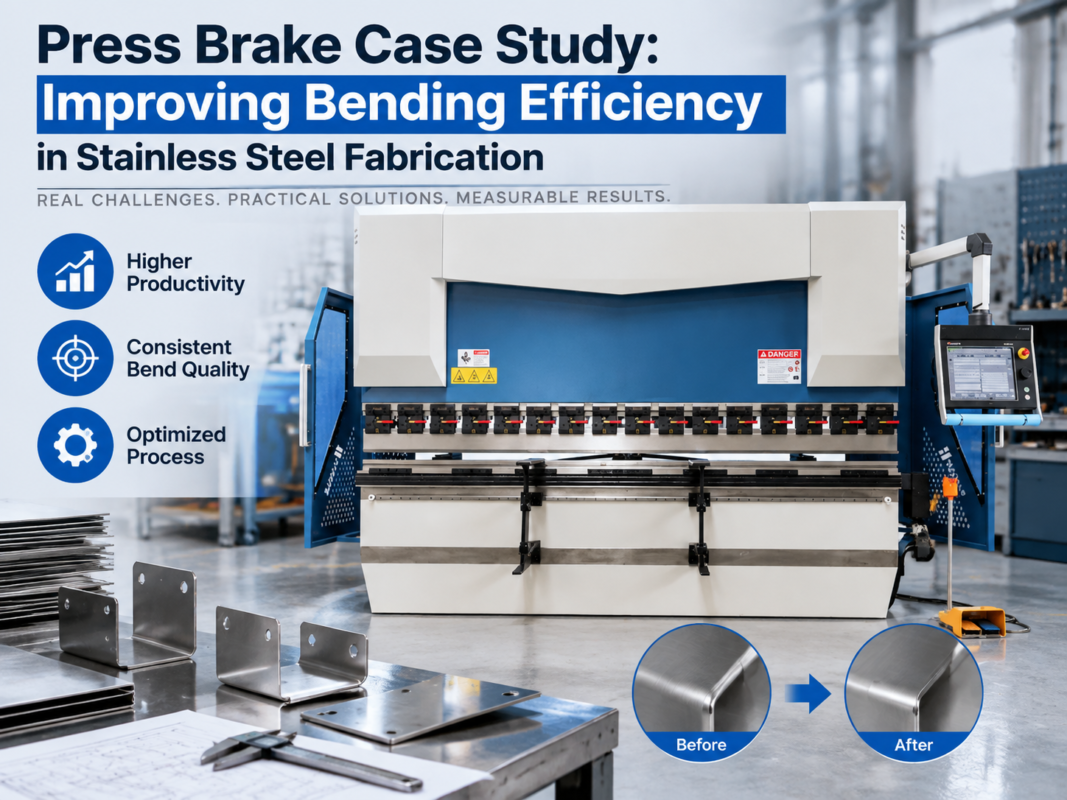
How a Sheet Metal Punching Machine Solved Bottlenecks in Custom Enclosure Fabrication


Introduction: The Challenge of Custom Enclosure Fabrication
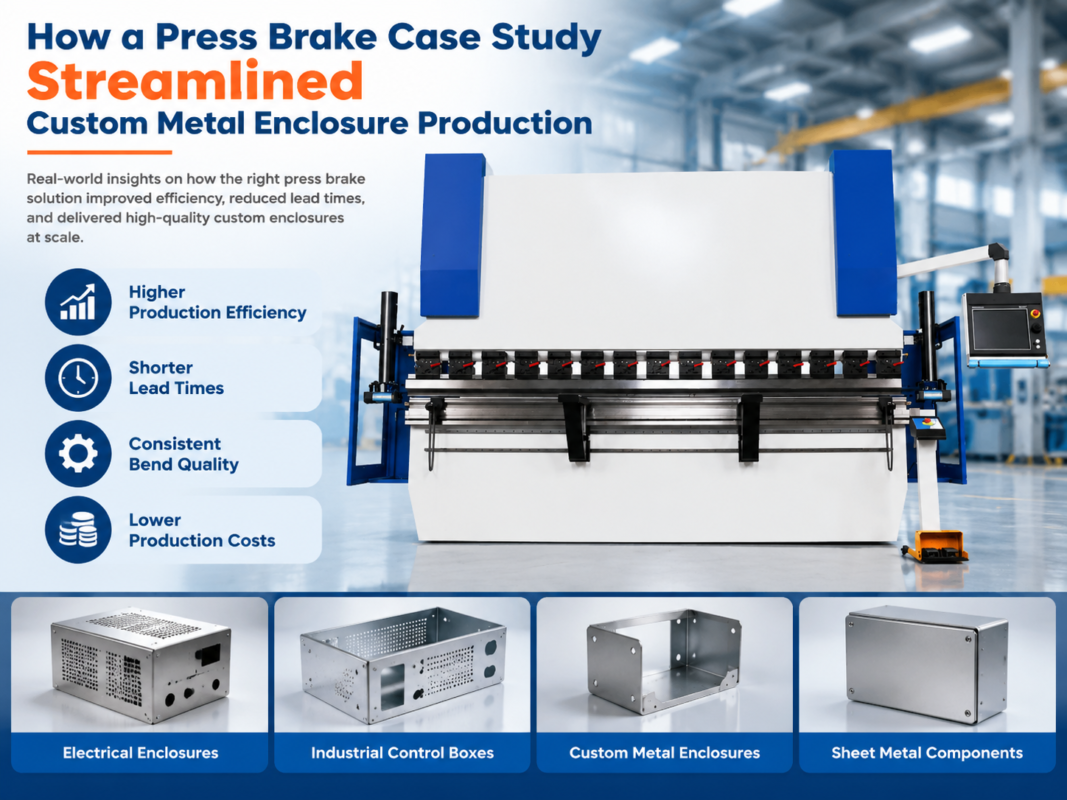
In the competitive world of electrical and industrial enclosure manufacturing, speed and precision are the primary currencies. Manufacturers often find themselves trapped in a cycle of slow production times, high scrap rates, and inconsistent quality when relying on outdated fabrication methods. When a company realizes that A Sheet Metal Punching Machine Solved Bottlenecks In Custom Enclosure Fabrication, it marks a pivotal shift in their operational capacity. Custom enclosures require intricate hole patterns, ventilation louvers, and precise mounting points, all of which can become significant hurdles if the machinery is not up to the task.
For many fabricators, the bottleneck occurs during the secondary processing stage. Traditional methods like manual drilling or laser cutting for every single feature can be time-consuming and costly. By transitioning to a dedicated CNC punching solution, fabricators can consolidate multiple operations into a single setup. This article explores the technical and operational advantages of integrating advanced punching technology into your workflow, providing a roadmap for those looking to scale their enclosure production.
HARSLE has observed that the transition from manual or semi-automated processes to high-speed CNC punching is often the single most effective way to increase throughput. When a facility is struggling to meet lead times, the bottleneck is rarely a lack of labor; it is a lack of process efficiency. By automating the punching process, manufacturers can achieve repeatable accuracy that manual methods simply cannot match, ensuring that every enclosure meets strict industry standards.
Understanding the impact of this technology requires looking at the entire fabrication lifecycle. From the initial CAD design to the final assembly, the punching machine acts as the heart of the production line. This guide will delve into how these machines function, why they are the preferred choice for enclosure manufacturers, and how you can select the right equipment to optimize your specific production environment.
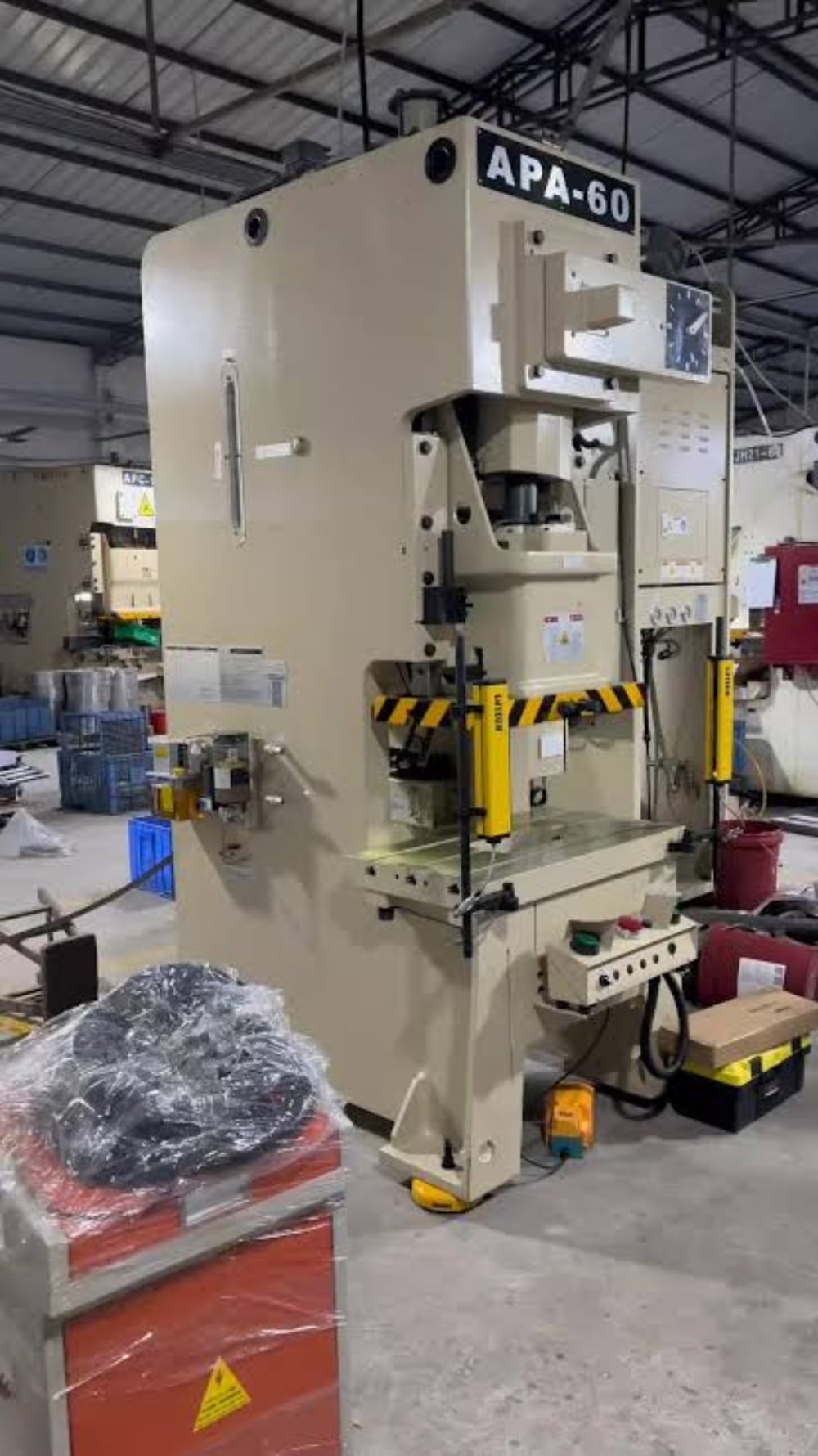
Key Considerations for Enclosure Production
When evaluating your current fabrication process, it is essential to identify where the bottlenecks are truly originating. Often, manufacturers blame the bending or welding stages, but the root cause is frequently inaccurate hole placement or slow punching speeds during the initial blanking phase. If the blanks are not perfect, the subsequent stages of assembly become exponentially more difficult, leading to rework and wasted materials.
Material versatility is another critical consideration. Custom enclosures are fabricated from a variety of materials, including cold-rolled steel, stainless steel, and aluminum. A high-quality punching machine must be able to handle these varying thicknesses and hardness levels without compromising tool life or machine integrity. The ability to quickly swap out tooling sets is vital for shops that handle high-mix, low-volume production runs, which is common in the custom enclosure sector.
Space optimization and workflow integration are also paramount. A punching machine should not exist in a vacuum; it must be part of a cohesive production cell. Consider the material handling requirements—does your current setup require manual loading and unloading, or would an automated sheet loader significantly reduce idle time? By analyzing the flow of materials through your shop, you can determine if a standalone punch or a fully automated cell is the right investment.
Finally, consider the long-term cost of ownership. While the initial investment in a high-performance punching machine is significant, the reduction in labor costs, the elimination of secondary finishing operations, and the decrease in material waste provide a compelling return on investment. When you analyze how A Sheet Metal Punching Machine Solved Bottlenecks In Custom Enclosure Fabrication, you will find that the savings are realized not just in speed, but in the total quality of the finished product.
Technical Details: How Punching Machines Transform Workflow
The technical superiority of a CNC punching machine lies in its ability to perform complex operations at high speeds. Unlike laser cutting, which is a thermal process, punching is a mechanical process that creates clean, burr-free edges without heat-affected zones. This is particularly important for enclosures that require powder coating or specialized finishes, as the integrity of the metal surface remains intact.
Modern punching machines utilize a turret system that can hold dozens of different tools simultaneously. This allows the machine to switch between punching, forming, louvers, and tapping operations without human intervention. For an enclosure manufacturer, this means that a single sheet of metal can be transformed into a finished, ready-to-bend blank in a matter of minutes. The integration of indexable stations further enhances this capability, allowing for the creation of complex shapes and patterns that would otherwise require expensive custom dies.
The software interface is the brain of the operation. Modern HARSLE punching machines utilize advanced nesting software that optimizes the layout of parts on a sheet of metal. This minimizes scrap and ensures that the punching sequence is as efficient as possible, reducing the distance the turret needs to travel and the number of tool changes required. This level of optimization is what truly solves the bottleneck, as it maximizes the utilization of every square inch of material.
Furthermore, the precision of CNC control ensures that hole patterns are accurate to within fractions of a millimeter. In custom enclosure fabrication, where components must align perfectly with internal mounting hardware, this level of precision is non-negotiable. By eliminating the human error associated with manual layout and punching, manufacturers can guarantee that their enclosures will fit together perfectly every time, significantly reducing assembly time and frustration.
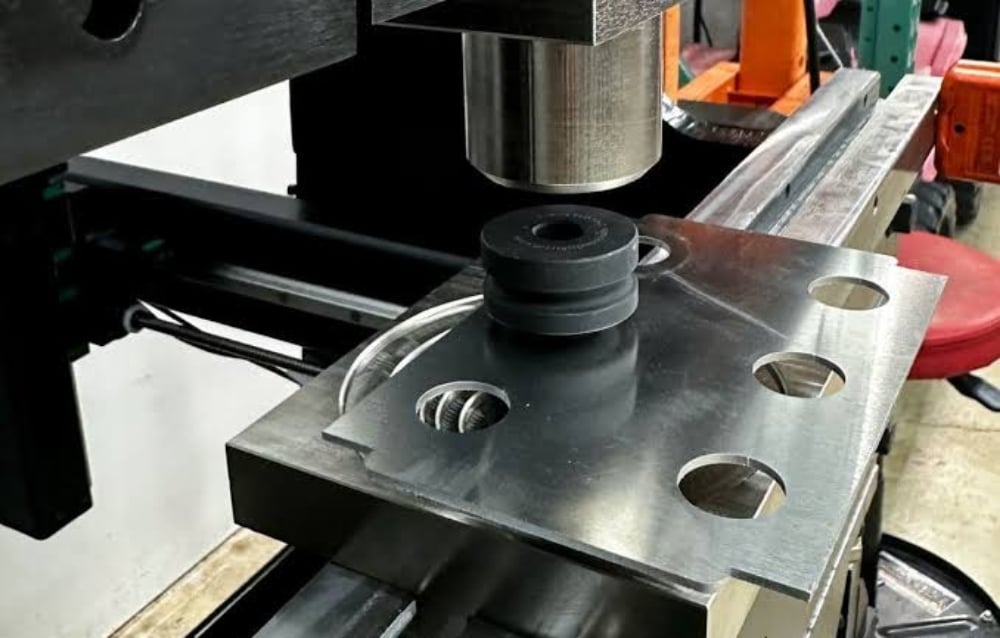
Selection Advice: Choosing the Right Equipment
Selecting the right punching machine requires a thorough assessment of your current and future production needs. Start by analyzing your product mix. Are you producing large, simple enclosures, or small, highly complex boxes with many cutouts? If your work is highly varied, a turret punch press with a wide range of tool stations is essential. If you focus on high-volume production of a few standard designs, a specialized machine with high-speed capabilities might be more appropriate.
Consider the tonnage requirements. The thickness of the material you work with will dictate the required punching force. While it is tempting to purchase the largest machine available, it is more cost-effective to choose a machine that matches your typical material range. Over-specifying can lead to higher energy consumption and maintenance costs, while under-specifying will limit your capabilities and lead to machine fatigue.
Maintenance and support are often overlooked during the buying process. A punching machine is a heavy-duty piece of industrial equipment that requires regular lubrication, tool sharpening, and software updates. Choose a manufacturer like HARSLE that provides comprehensive training and local support. Knowing that you have a partner who can assist with troubleshooting and spare parts is crucial for maintaining uptime and ensuring that your production line remains bottleneck-free.
Finally, look for modularity. As your business grows, your needs will change. A machine that allows for the future addition of automation, such as sheet loaders or part unloaders, is a smarter long-term investment than a rigid, standalone unit. By planning for scalability, you ensure that your investment continues to pay dividends as your enclosure fabrication business expands.
FAQ: Common Questions About Punching Machines
How does a punching machine compare to a laser cutter for enclosures?
While laser cutters are excellent for complex contours, punching machines are significantly faster for repetitive hole patterns and forming operations like louvers or bridge lances. Punching is also a cold process, which is better for materials that are sensitive to heat.
What is the typical maintenance schedule for a CNC punch?
Daily maintenance includes cleaning the turret and checking lubrication levels. Weekly tasks involve inspecting tooling for wear and sharpening. A professional service check should be performed annually to ensure the hydraulic and electrical systems are operating at peak efficiency.
Can a punching machine handle stainless steel?
Yes, but it requires specific tooling designed for harder materials. Stainless steel is tougher and more abrasive, so using high-quality, coated punches is recommended to extend tool life and maintain edge quality.
How do I know if my shop is ready for a CNC punching machine?
If you find that your manual punching or drilling stations are constantly backed up, or if you are experiencing high scrap rates due to alignment errors, it is time to upgrade. A CNC punch will immediately alleviate these pressures.
Conclusion: Investing in Efficiency
The journey to operational excellence in custom enclosure fabrication is paved with the right technology. As we have explored, A Sheet Metal Punching Machine Solved Bottlenecks In Custom Enclosure Fabrication by providing the speed, precision, and versatility that manual methods simply cannot match. By consolidating operations, reducing waste, and ensuring consistent quality, a CNC punching machine transforms the production floor from a series of disjointed tasks into a streamlined, high-output system.
For manufacturers looking to remain competitive, the choice is clear. Investing in high-quality metal fabrication equipment is not just about buying a machine; it is about investing in the future of your business. With the right equipment, proper maintenance, and a commitment to process optimization, you can overcome any bottleneck and set a new standard for quality and efficiency in the enclosure industry. HARSLE remains dedicated to providing the tools and expertise necessary to help you achieve these goals.