How a Metal Punching Machine Improved Consistency in Electrical Cabinet Manufacturing


Introduction
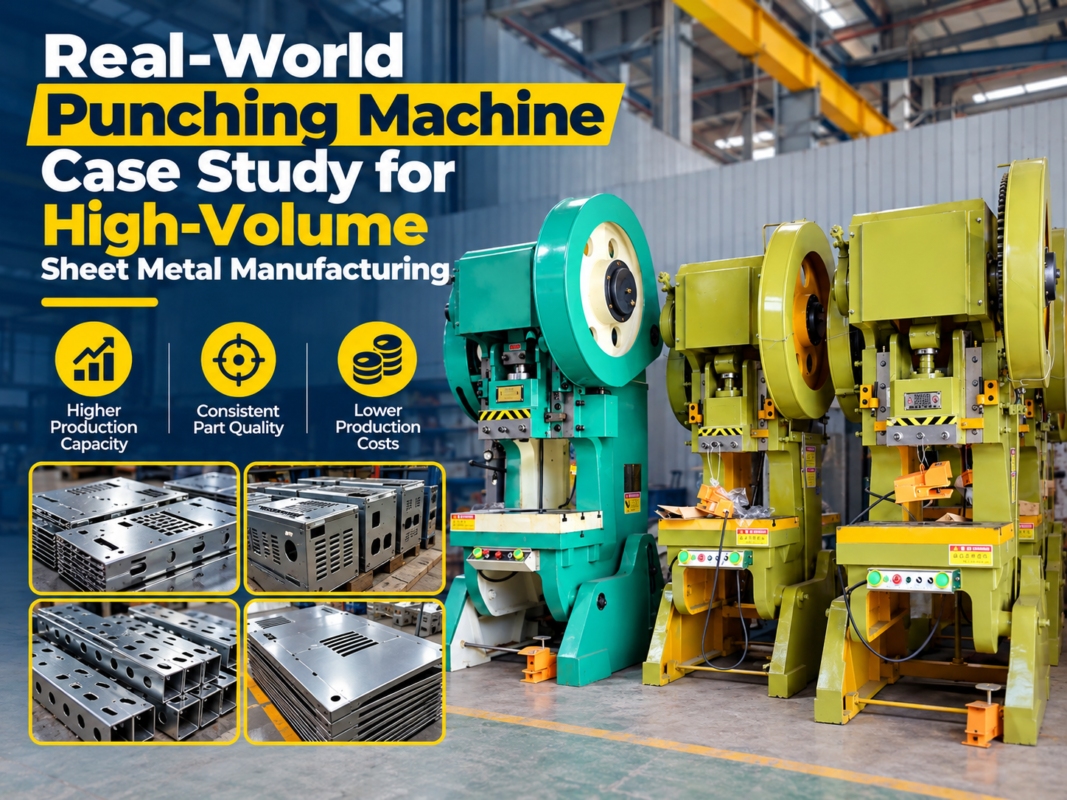
In the competitive landscape of electrical cabinet manufacturing, precision is not merely a goal; it is a fundamental requirement. Electrical enclosures must house sensitive components, protect against environmental factors, and maintain strict dimensional tolerances to ensure modular components fit perfectly. For years, manufacturers relied on manual drilling or outdated stamping methods that often led to human error, inconsistent hole placement, and significant material waste. However, the industry has shifted dramatically as A Metal Punching Machine Improved Consistency In Electrical Cabinet Manufacturing across global production facilities.
HARSLE has been at the forefront of this technological evolution, providing advanced punching solutions that transform how metal enclosures are fabricated. By automating the punching process, manufacturers can achieve repeatable accuracy that manual labor simply cannot match. This article explores the technical advantages, operational benefits, and strategic considerations for integrating high-performance punching machinery into your production line.
Consistency in manufacturing is defined by the ability to produce identical parts over thousands of cycles. In the context of electrical cabinets, this means every mounting hole, ventilation slot, and cable entry point must align perfectly with the design specifications. When a metal punching machine is introduced, it eliminates the variability associated with manual layout and drilling, ensuring that every cabinet meets the rigorous standards required for industrial and commercial electrical installations.
As we delve deeper into this guide, we will examine how modern CNC punching technology serves as the backbone of efficient cabinet production. From reducing cycle times to enhancing the structural integrity of the finished enclosure, the impact of these machines is profound. Whether you are a small-scale fabricator or a large-scale industrial manufacturer, understanding the role of precision punching is essential for maintaining a competitive edge in the modern market.
Key Considerations for Electrical Cabinet Fabrication
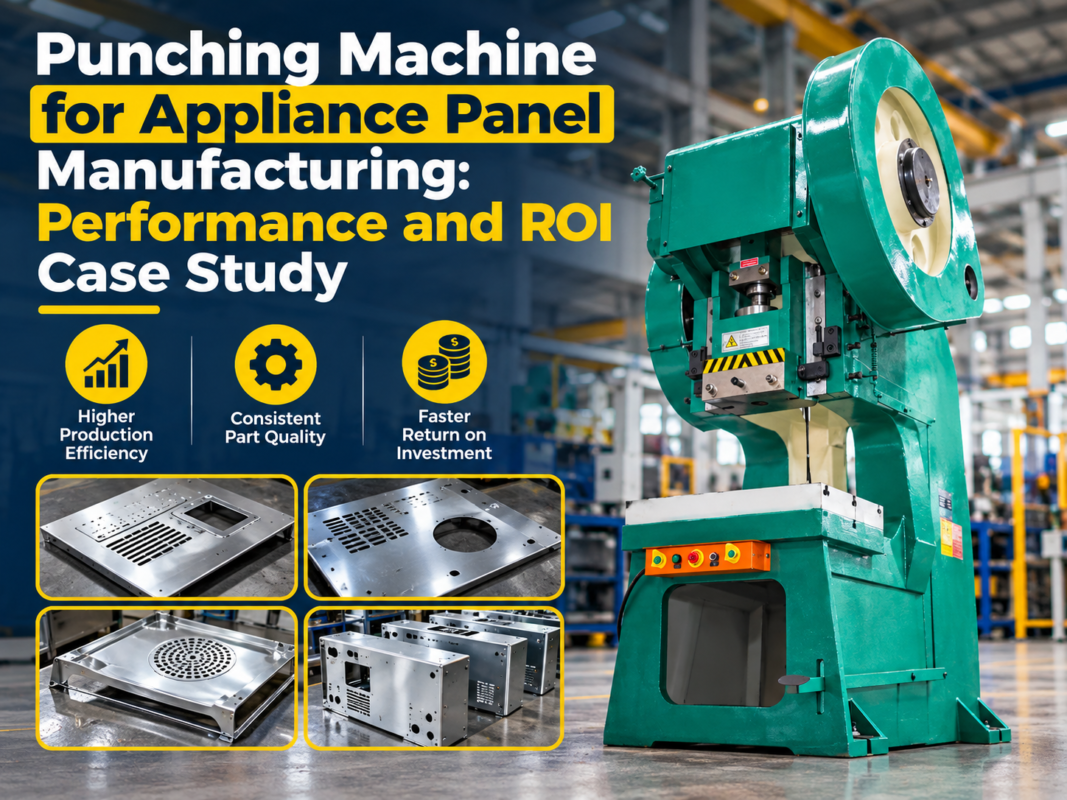
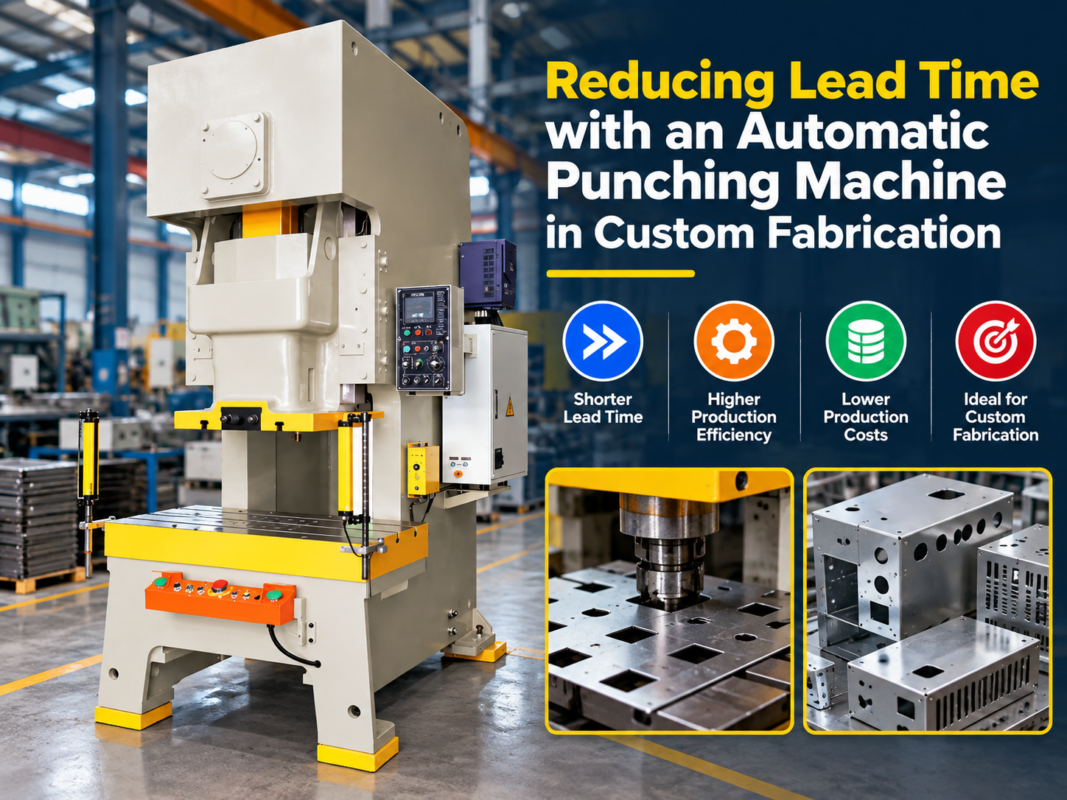
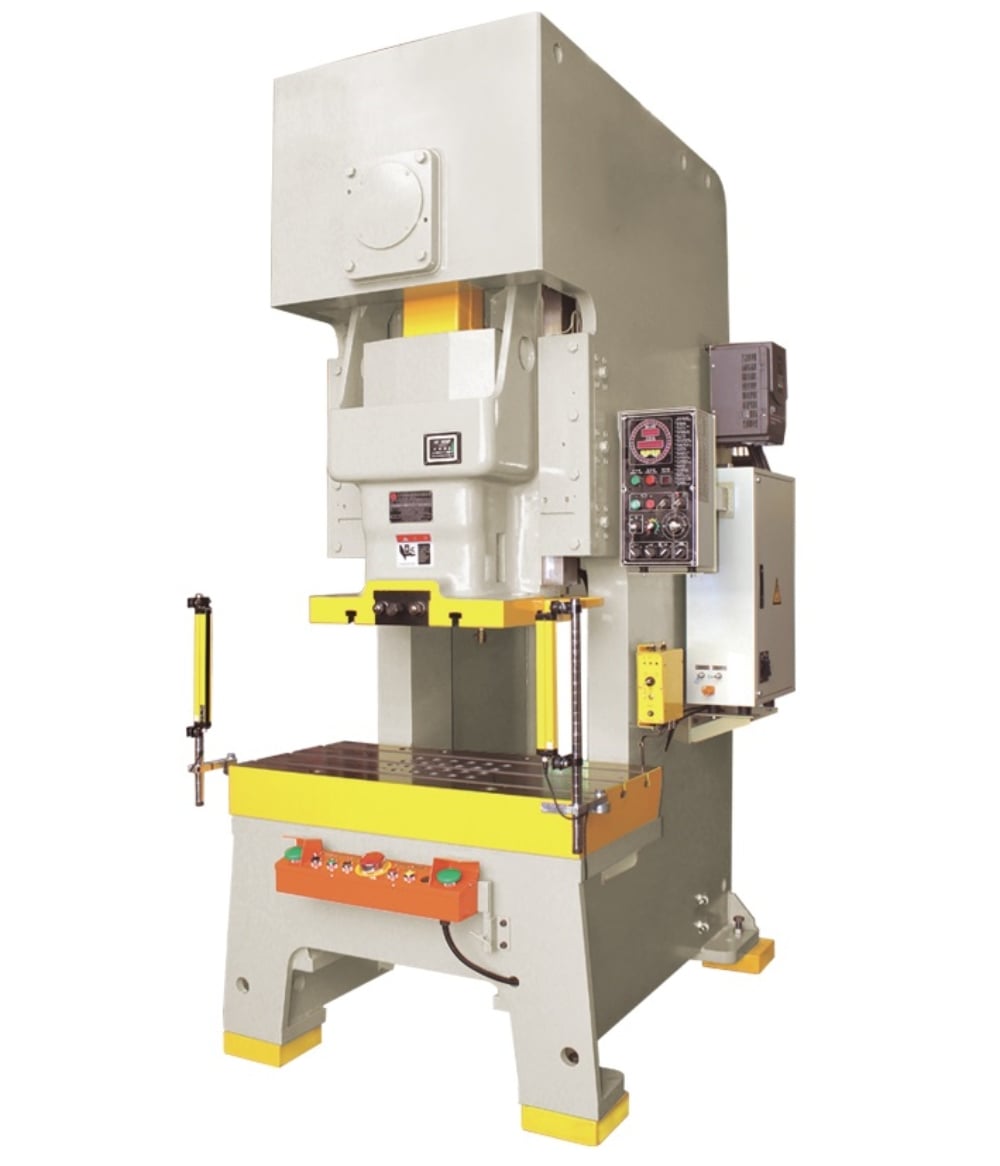
When manufacturing electrical cabinets, the primary challenge is maintaining the integrity of the sheet metal while ensuring that all cutouts are positioned with sub-millimeter accuracy. The transition from traditional methods to automated punching is driven by the need for higher throughput and lower scrap rates. When a metal punching machine improved consistency in electrical cabinet manufacturing, it allowed engineers to focus on design optimization rather than troubleshooting assembly issues caused by misaligned holes.
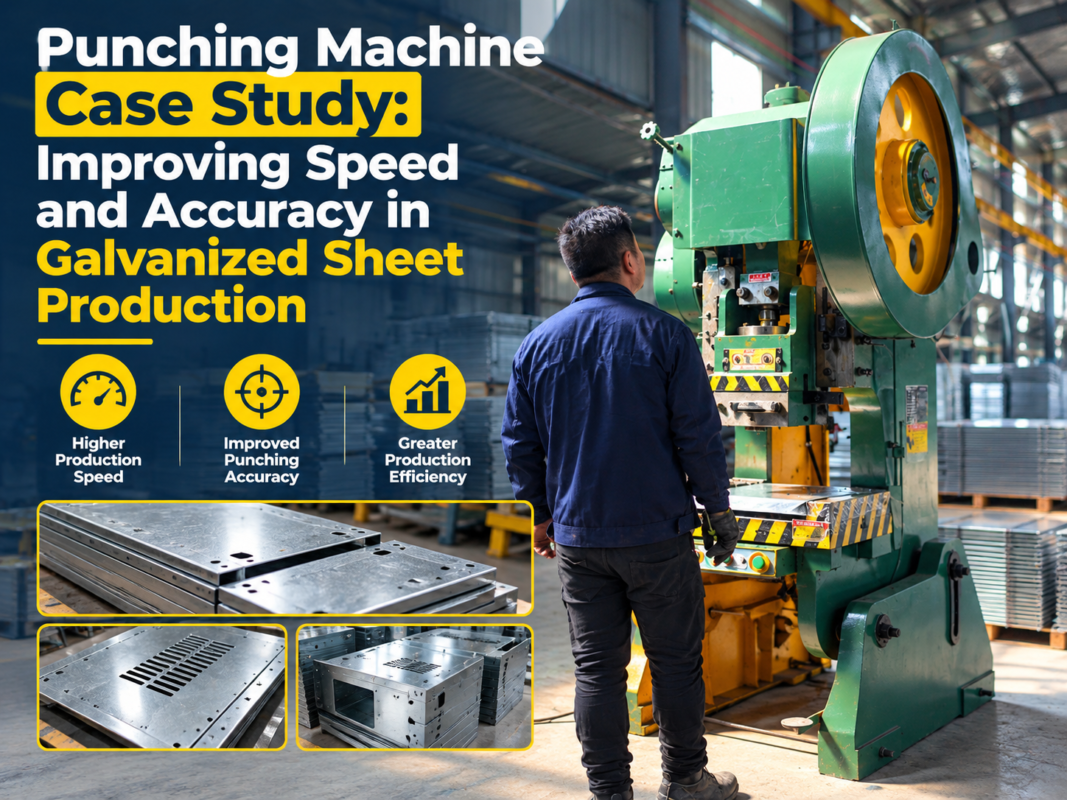
Material thickness and type are critical factors. Electrical cabinets are typically constructed from cold-rolled steel, stainless steel, or aluminum, each requiring different punching pressures and tooling configurations. A high-quality punching machine must offer the versatility to handle these varying materials without compromising the surface finish or structural strength of the cabinet walls. HARSLE machines are engineered to provide consistent force distribution, which prevents the deformation of the surrounding metal during the punching process.
Tooling management is another vital consideration. In cabinet manufacturing, you often deal with a wide variety of hole shapes—square, rectangular, circular, and custom shapes for cable glands. A turret-style punching machine allows for rapid tool changes, enabling the production of complex cabinet designs in a single setup. This reduces downtime and ensures that the transition between different cabinet models is seamless and efficient.
Finally, the integration of software is paramount. Modern punching machines utilize CAD/CAM integration, allowing designers to send files directly from the drafting software to the machine controller. This digital thread ensures that the machine executes the design exactly as intended, removing the possibility of interpretation errors. By digitizing the workflow, manufacturers achieve a level of consistency that was previously impossible, effectively standardizing the quality of every cabinet that leaves the factory floor.
Technical Details of Modern Punching Machines
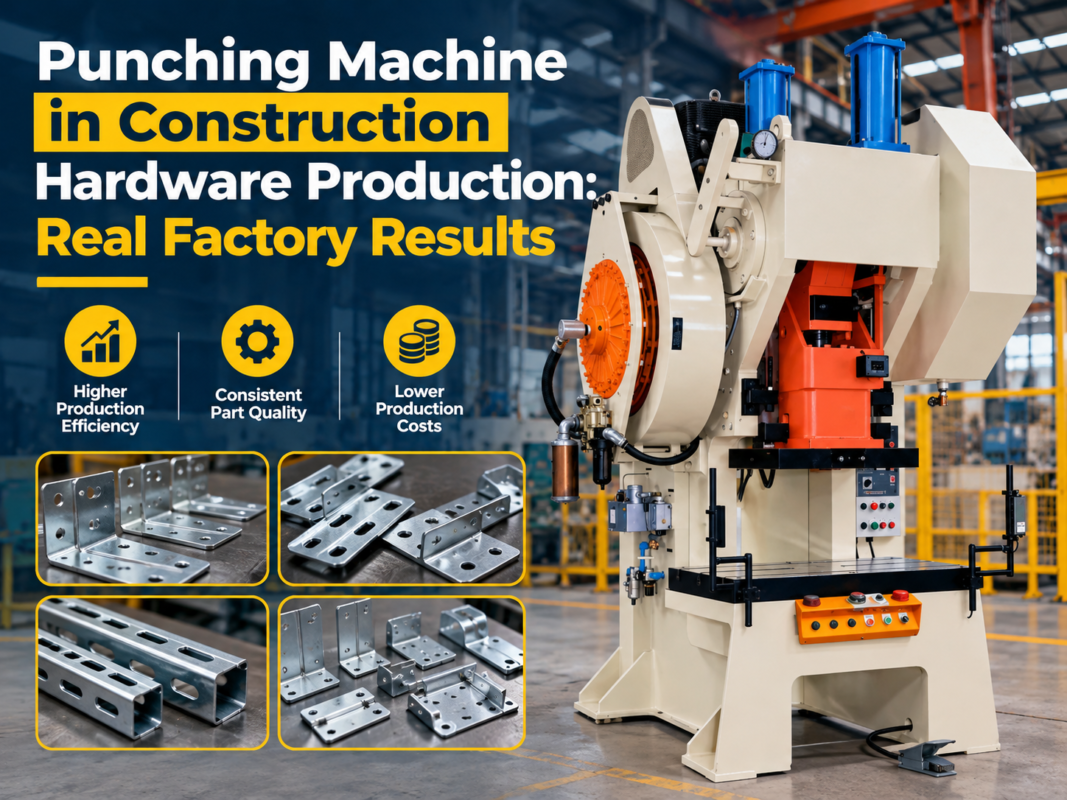
The technical superiority of modern punching machines lies in their drive systems and control architecture. HARSLE punching machines utilize high-precision servo-hydraulic or mechanical drive systems that provide consistent stroke depth and force. This consistency is the secret behind why a metal punching machine improved consistency in electrical cabinet manufacturing; it ensures that every punch is executed with the exact same pressure, regardless of the material’s position on the bed.
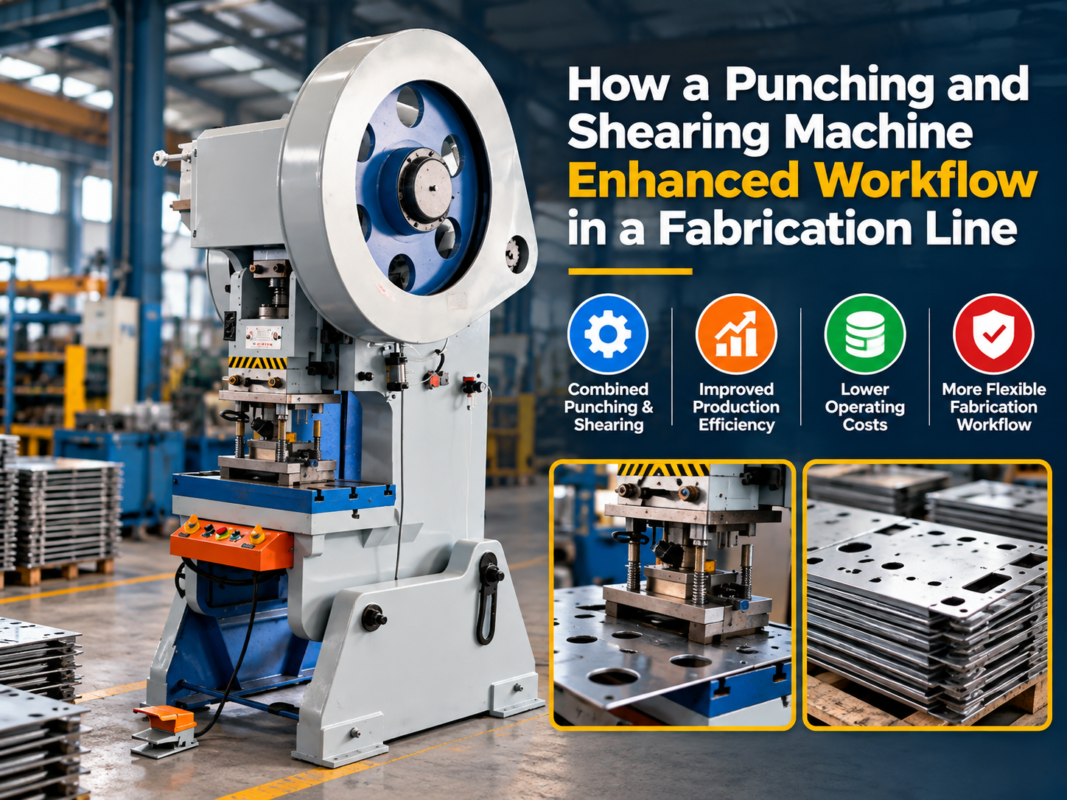
The turret design is a hallmark of efficient punching. A typical turret can hold dozens of tools, which can be indexed in milliseconds. For electrical cabinets, this means that a single sheet of steel can be processed for mounting holes, ventilation louvers, and grounding points without the operator needing to stop the machine to change tools. This continuous operation is essential for maintaining high production volumes while keeping the quality of each hole uniform across the entire batch.
Another technical aspect is the clamping system. To maintain consistency, the sheet must be held firmly in place throughout the entire punching cycle. Advanced clamping mechanisms on HARSLE machines prevent sheet slippage and vibration, which are the primary causes of dimensional inaccuracies. By minimizing vibration, the machine ensures that the edges of the punched holes are clean and burr-free, reducing the need for secondary finishing processes like grinding or filing.
Furthermore, the CNC controller acts as the brain of the operation. It monitors the punching force, tool wear, and positioning feedback in real-time. If a tool begins to dull, the controller can alert the operator, preventing the production of defective parts. This proactive approach to quality control is a major reason why manufacturers report that a metal punching machine improved consistency in electrical cabinet manufacturing, as it shifts the focus from reactive inspection to preventative quality assurance.
Selection Advice: Choosing the Right Equipment
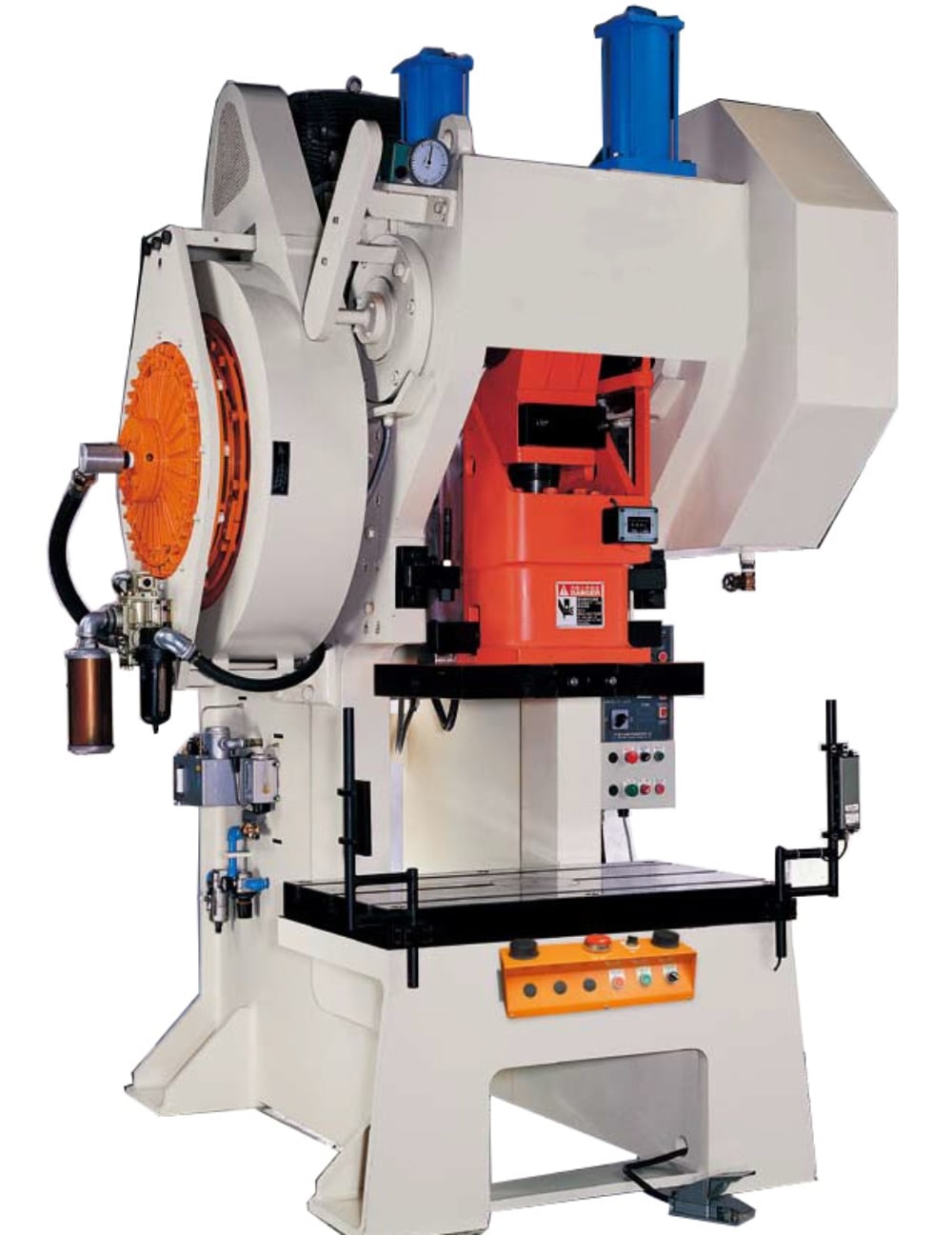
Selecting the right punching machine for your electrical cabinet business requires a careful analysis of your production volume, material variety, and future growth plans. It is not just about buying the most expensive machine; it is about finding the right balance between performance and investment. When evaluating options, consider the tonnage capacity, which dictates the thickness of the metal you can process. For standard electrical enclosures, a machine with 20 to 30 tons of force is usually sufficient, but specialized heavy-duty cabinets may require more.
The number of turret stations is another critical factor. If your cabinet designs involve a high number of unique cutouts, a machine with a larger turret capacity will save you significant time in the long run. Look for machines that offer “auto-index” stations, which allow tools to rotate to any angle. This feature is indispensable for creating complex shapes or angled slots that are common in modern electrical cabinet designs.
Energy efficiency and maintenance requirements should also be on your checklist. HARSLE machines are designed with energy-saving hydraulic systems that reduce operational costs without sacrificing performance. Additionally, consider the availability of spare parts and technical support. A machine is only as good as the service behind it; choosing a reputable manufacturer like HARSLE ensures that you have access to the expertise needed to keep your production line running smoothly for years.
Finally, consider the footprint of the machine and how it fits into your existing floor plan. While larger machines offer more capacity, they also require more space. Evaluate your current workflow and look for machines that offer efficient material handling solutions, such as automatic loading and unloading systems. These systems not only increase throughput but also further improve consistency by removing the variability of manual sheet handling.
Frequently Asked Questions
- How does a punching machine improve the assembly process of electrical cabinets?
By ensuring that all holes are punched with high precision, the machine guarantees that components like DIN rails, circuit breakers, and door hinges align perfectly, significantly reducing assembly time and rework. - What is the main benefit of using a CNC punching machine over a laser cutter?
While laser cutters are excellent for complex contours, punching machines are generally faster and more cost-effective for high-volume production of standard holes and shapes, and they do not create heat-affected zones in the metal. - How often should I perform maintenance on my punching machine?
Regular maintenance should include daily checks of the lubrication system, weekly cleaning of the turret, and periodic inspection of the punch and die sets for wear. Following the HARSLE maintenance schedule is key to longevity. - Can a punching machine handle different types of metal?
Yes, modern punching machines are highly versatile and can process cold-rolled steel, stainless steel, aluminum, and copper with the appropriate tooling and pressure settings. - Is it difficult to train operators on a CNC punching machine?
With modern user-friendly interfaces and intuitive software, operators can be trained relatively quickly. HARSLE provides comprehensive training and documentation to ensure your team is proficient.
Conclusion
The integration of advanced punching technology has fundamentally changed the manufacturing landscape for electrical enclosures. As we have explored, the statement that a metal punching machine improved consistency in electrical cabinet manufacturing is backed by tangible improvements in precision, efficiency, and material utilization. By moving away from manual, error-prone methods, manufacturers can achieve a level of standardization that satisfies even the most demanding industrial clients.
HARSLE remains committed to providing the machinery that makes this level of quality possible. Our punching solutions are designed to address the specific challenges of the electrical cabinet industry, from turret versatility to robust CNC control. Investing in the right equipment is not just an operational upgrade; it is a strategic decision that positions your business for long-term success and growth.
As you look to optimize your production line, remember that consistency is the foundation of quality. By choosing a reliable, high-performance punching machine, you are ensuring that every cabinet you produce meets the highest standards of the industry. Explore the HARSLE range today and discover how our technology can help you achieve the precision and reliability your customers expect.