Industrial Sheet Cutting Applications for Guillotine Shearing Machines: A Comprehensive Guide


Introduction to Guillotine Shearing Machines
In the modern landscape of metal fabrication, precision and efficiency are the cornerstones of success. Among the various tools available to manufacturers, the guillotine shearing machine stands out as a fundamental asset for high-volume production. These machines are engineered to deliver clean, straight cuts across a variety of metal sheets, making them indispensable in industries ranging from aerospace to automotive manufacturing.
The primary function of a guillotine shear is to apply a shearing force to a metal sheet, effectively slicing through the material with minimal deformation. Unlike thermal cutting methods such as plasma or laser, mechanical shearing provides a cold-cutting process that preserves the structural integrity of the metal, prevents heat-affected zones, and ensures high dimensional accuracy. For businesses focused on industrial sheet cutting applications for guillotine shearing machines, understanding the mechanics and versatility of these tools is essential for optimizing production workflows.
HARSLE has long been at the forefront of providing high-performance metal fabrication equipment. Our guillotine shears are designed to handle diverse materials, including mild steel, stainless steel, and aluminum, with varying thicknesses. By integrating advanced hydraulic systems and CNC controls, these machines offer unparalleled repeatability, which is critical for large-scale industrial projects where consistency is non-negotiable.
As we delve into this guide, we will explore the technical nuances, operational best practices, and strategic selection criteria that define the use of guillotine shears in a professional setting. Whether you are a job shop owner or a plant manager, mastering the application of these machines will significantly enhance your fabrication capabilities and overall output quality.
Key Considerations for Industrial Sheet Cutting Applications
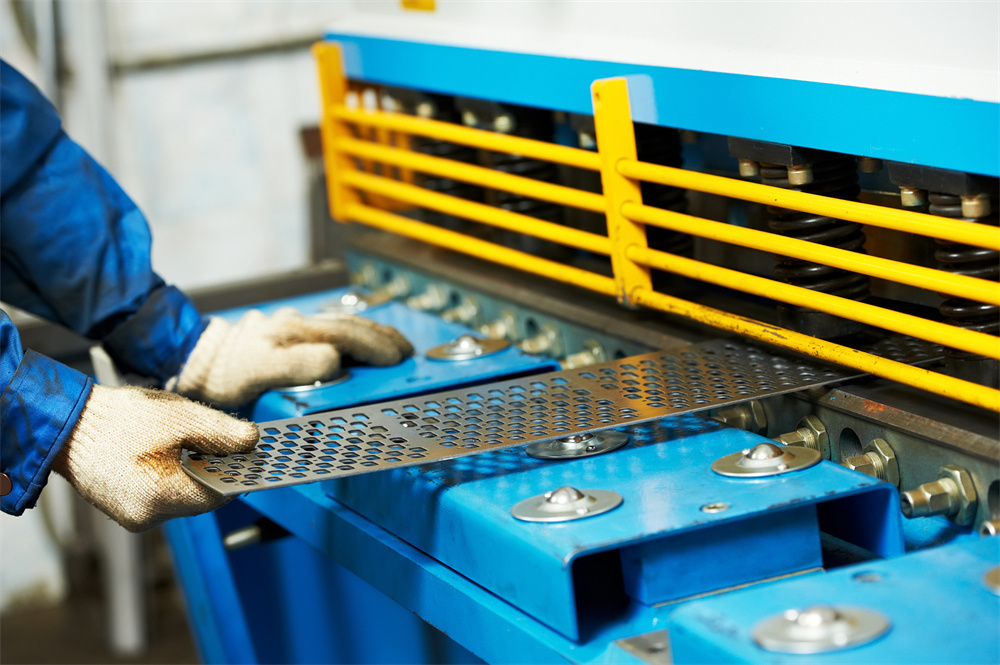
When implementing industrial sheet cutting applications for guillotine shearing machines, several factors must be evaluated to ensure optimal performance. The first consideration is material compatibility. Different metals possess varying levels of tensile strength and hardness, which directly influence the required shearing force and blade clearance. Failure to account for these variables can lead to premature blade wear, excessive burr formation, or even structural damage to the machine frame.
Another critical factor is the production volume and duty cycle. Industrial environments often demand 24/7 operation, requiring machines that are built with robust frames and high-quality hydraulic components. HARSLE machines are designed with stress-relieved steel frames to minimize vibration and deflection, ensuring that the cutting edge remains perfectly aligned even under heavy-duty conditions. This stability is vital for maintaining the tight tolerances required in precision engineering.
Safety and ergonomics also play a significant role in the selection and operation of shearing equipment. Modern guillotine shears are equipped with light curtains, emergency stop buttons, and rear guarding systems to protect operators from potential hazards. Furthermore, the ergonomic design of the control panel and material handling systems can significantly reduce operator fatigue, leading to higher productivity and fewer errors during long shifts.
Finally, the integration of automation and software is transforming how these machines are used. CNC-controlled backgauges allow for rapid, precise positioning of the metal sheet, reducing setup times and enabling complex cutting patterns. By leveraging these technologies, manufacturers can transition from manual, labor-intensive processes to highly automated, efficient production lines that meet the demands of modern industrial standards.
Technical Details and Operational Mechanics
The technical superiority of a guillotine shearing machine lies in its unique cutting action. Unlike a rotary shear, a guillotine shear utilizes a straight blade that descends at a specific rake angle. This rake angle is a critical parameter; a lower angle reduces the distortion of the cut piece, while a higher angle allows for the cutting of thicker materials with less force. HARSLE machines often feature adjustable rake angles, providing the flexibility needed for diverse industrial applications.
Hydraulic power is the heart of the modern guillotine shear. By utilizing high-pressure hydraulic cylinders, the machine can exert consistent force across the entire length of the blade. This ensures that the cut is uniform from one end of the sheet to the other. The hydraulic system also allows for adjustable cutting length, which saves time when processing smaller pieces by preventing the blade from traveling its full stroke unnecessarily.
Blade clearance is perhaps the most important technical setting for achieving a clean cut. If the clearance is too wide, the metal will bend between the blades, resulting in a burr. If it is too narrow, the blades may collide, causing damage to the cutting edges. HARSLE’s automated clearance adjustment systems allow operators to input the material thickness, and the machine automatically sets the optimal gap, ensuring high-quality results every time.
The backgauge system is another technical marvel. Modern industrial shears utilize ball screws and linear guides to move the backgauge with micron-level precision. This allows for the production of perfectly square parts, which is essential for downstream processes like press braking or welding. Without a reliable backgauge, the downstream assembly of metal components becomes difficult and costly due to misalignment.

Selection Advice: Choosing the Right Machine
Selecting the right guillotine shearing machine requires a thorough analysis of your current and future production needs. Start by defining the maximum thickness and length of the material you intend to process. It is often wise to choose a machine with a slightly higher capacity than your current requirements to allow for future growth and to prevent the machine from constantly operating at its limit, which can accelerate wear.
Consider the material type as well. If you are primarily cutting high-strength alloys or stainless steel, you will need a machine with a higher shearing force and specialized blade materials. HARSLE offers various blade options, including high-carbon, high-chrome steel blades, which are designed to withstand the abrasive nature of stainless steel and other tough materials.
Evaluate the control system. For high-mix, low-volume production, a CNC controller that can store hundreds of programs is invaluable. It allows for quick changeovers between different jobs, minimizing downtime. Conversely, for high-volume, repetitive production, a simpler, more robust control system might be sufficient. Always prioritize machines that offer intuitive interfaces, as this reduces the training time for your operators.
Finally, consider the manufacturer’s support and service network. A shearing machine is a long-term investment. You need a partner who provides comprehensive technical support, readily available spare parts, and maintenance training. HARSLE prides itself on offering not just equipment, but a complete solution, ensuring that your industrial sheet cutting applications remain productive and profitable for years to come.
Maintenance and Longevity
To maximize the return on your investment, a rigorous maintenance schedule is essential. Regular inspection of the blades is the first step. Over time, blades will dull, leading to increased cutting force and poor edge quality. Sharpening or replacing blades at the first sign of wear prevents damage to the machine’s hydraulic system and ensures consistent part quality.
Hydraulic system maintenance is equally important. Regularly check the oil levels, monitor for leaks, and ensure that the hydraulic fluid is clean and free of contaminants. Overheating is a common issue in high-production environments, so ensure that the cooling system is functioning correctly and that the machine is placed in a well-ventilated area.
Lubrication of the moving parts, such as the blade carrier guides and the backgauge assembly, should be performed according to the manufacturer’s specifications. Using high-quality lubricants will reduce friction and prevent premature wear of the mechanical components. Keep a detailed log of all maintenance activities, as this will help you track the machine’s health and plan for future service intervals.
Finally, train your operators on proper usage. Many machine failures are the result of improper operation, such as exceeding the machine’s capacity or attempting to cut materials that are not suitable for the blade type. A well-trained operator is the best defense against unnecessary downtime and costly repairs.
Frequently Asked Questions (FAQ)
What is the difference between a guillotine shear and a swing beam shear?
A guillotine shear uses a vertical cutting motion, which provides higher precision and less distortion. A swing beam shear uses a pivoting motion, which is often simpler and more cost-effective but may result in slightly more deformation on the cut edge.
How often should I sharpen the blades?
The frequency of sharpening depends on the material type, thickness, and volume of cuts. As a general rule, if you notice increased burrs or if the machine requires more force to complete a cut, it is time to inspect and sharpen the blades.
Can I cut non-metallic materials with a guillotine shear?
Guillotine shears are specifically designed for metal. Cutting non-metallic materials can damage the blades and the machine frame, and is generally not recommended.
What safety features should I look for?
Look for light curtains, rear safety fences, emergency stop buttons, and blade gap adjustment safety interlocks. These features are standard on high-quality machines like those from HARSLE.
Conclusion
Industrial sheet cutting applications for guillotine shearing machines are the backbone of efficient metal fabrication. By understanding the technical requirements, selecting the right equipment, and maintaining your machines with diligence, you can achieve superior results and maintain a competitive edge in the market. HARSLE is committed to providing the technology and support necessary to help your business thrive. Whether you are upgrading your current facility or setting up a new production line, our guillotine shears offer the precision, reliability, and performance you need to succeed.