Press Brake Sheet Slippage Problems: Causes, Fixes, and Prevention


Introduction to Press Brake Sheet Slippage Problems: Causes, Fixes, and Prevention
In the high-precision world of metal fabrication, consistency is the cornerstone of quality. However, operators frequently encounter Press Brake Sheet Slippage Problems: Causes, Fixes, and Prevention, which can lead to scrapped parts, increased downtime, and safety hazards. When a sheet metal workpiece shifts during the bending cycle, the resulting angle inaccuracy often renders the component unusable. Understanding the mechanics behind this slippage is essential for any shop floor manager or machine operator aiming to maintain high throughput and tight tolerances.
HARSLE, as a leader in industrial machinery, recognizes that slippage is rarely the result of a single factor. It is often a combination of material properties, tooling geometry, and hydraulic pressure settings. By addressing these variables systematically, fabricators can stabilize their production lines and ensure that every bend meets the required specifications. This guide provides a comprehensive look at how to identify, resolve, and prevent slippage in your daily operations.
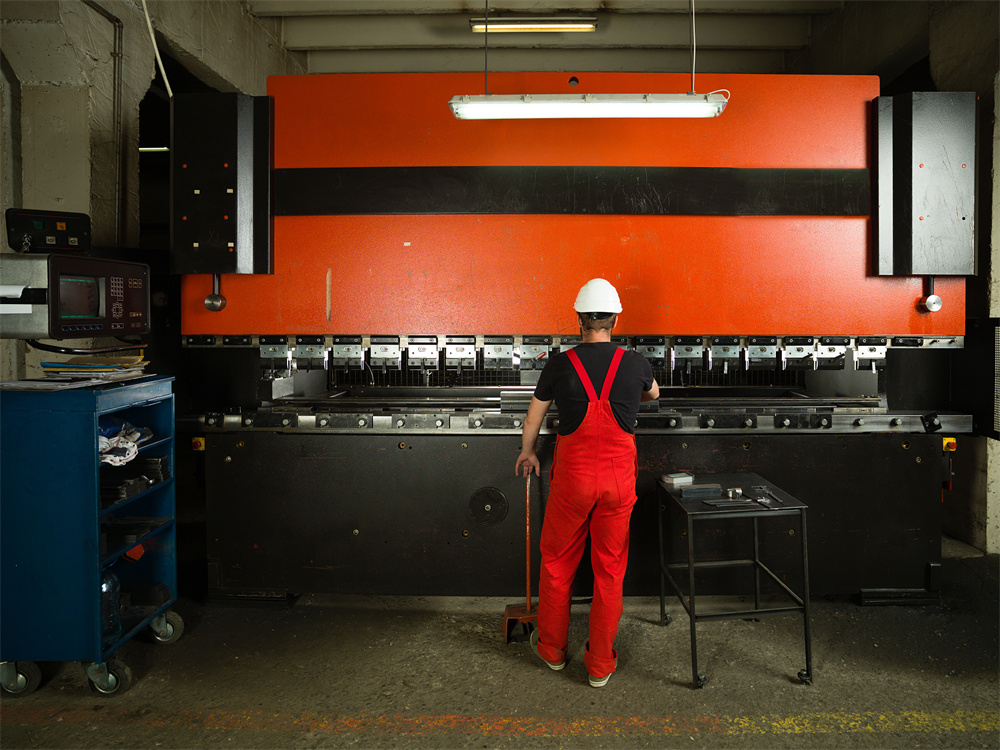
Key Considerations for Bending Stability
The primary consideration when analyzing slippage is the interaction between the punch, the die, and the material. As the punch descends, it forces the material into the V-opening of the die. If the friction coefficient between the material and the die shoulders is insufficient, or if the material is not properly supported, the sheet will naturally want to slide toward the center of the die. This movement is exacerbated by high-speed bending cycles where inertia plays a significant role.
Material thickness and surface finish also play critical roles. Thinner materials are more prone to buckling and sliding because they lack the structural rigidity to resist the lateral forces generated during the bending process. Conversely, materials with oily or polished surfaces offer less grip, increasing the likelihood of slippage. Operators must account for these material characteristics before initiating the bending sequence to adjust clamping force or backgauge positioning accordingly.
Another key factor is the backgauge system. If the backgauge fingers are not properly calibrated or if they do not provide adequate support for the sheet’s weight, the material may sag or shift before the punch makes contact. Ensuring that the backgauge is robust and that the material is held firmly against the stops is vital for maintaining the integrity of the bend. HARSLE press brakes are designed with advanced backgauge systems to mitigate these issues, but proper setup remains the operator’s responsibility.
Finally, the environment of the shop floor can influence slippage. Vibrations from nearby heavy machinery or uneven flooring can affect the stability of the workpiece. Ensuring that the press brake is leveled correctly and anchored according to manufacturer specifications is a foundational step in preventing unwanted movement. A stable machine base provides the necessary foundation for consistent, slip-free bending operations.
Technical Details: Why Slippage Occurs
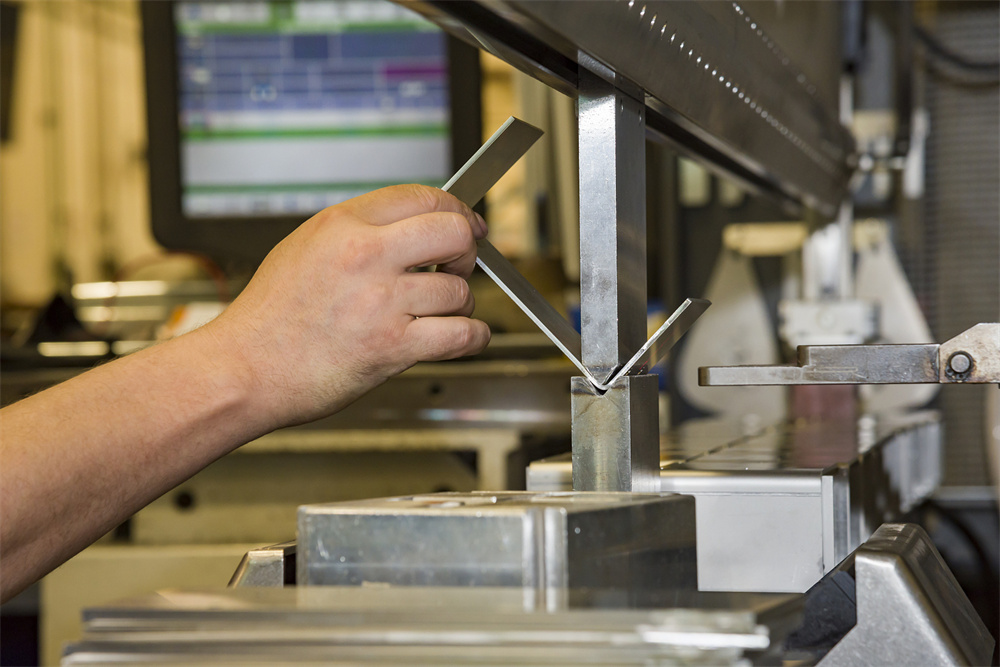
From a technical standpoint, Press Brake Sheet Slippage Problems: Causes, Fixes, and Prevention often stem from improper V-die selection. If the V-opening is too wide for the material thickness, the sheet loses contact with the die shoulders too early in the bending process. This loss of contact removes the lateral support that keeps the sheet centered, allowing it to slide as the punch continues its descent. Selecting the correct V-die ratio—typically 6 to 8 times the material thickness—is a critical technical fix.
Hydraulic pressure management is another technical area that requires precision. If the tonnage is set too high for the specific bend, the material may be forced into the die too aggressively, causing it to “snap” or slip as it conforms to the punch radius. Conversely, insufficient tonnage can lead to inconsistent bending angles, which may be mistaken for slippage. Modern CNC controllers on HARSLE machines allow for precise tonnage calculation, which should be utilized to avoid these extremes.
Tooling wear is a silent contributor to slippage. Over time, the shoulders of the die can become rounded or chipped. When the die shoulders lose their sharpness, they can no longer effectively “bite” into the material to hold it in place. Regular inspection of tooling for wear and tear is essential. If the die radius is damaged, it should be reground or replaced to restore the necessary friction and support required for accurate bending.
Lubrication management is also a technical nuance. While some lubrication is necessary to prevent tool galling, excessive oil on the die surface significantly reduces the coefficient of friction. Operators should apply lubricants sparingly and only where necessary. In some cases, using specialized anti-slip coatings or textured die inserts can provide the extra grip needed for difficult materials like stainless steel or aluminum, which are prone to sliding.
Selection Advice: Choosing the Right Equipment
When selecting a press brake, consider the features that directly impact slippage prevention. A machine with a high-quality crowning system is essential. Crowning compensates for the deflection of the machine bed, ensuring that the bending force is distributed evenly across the entire length of the workpiece. Without proper crowning, the center of the bend may be tighter than the ends, leading to uneven material flow and potential slippage.
Look for press brakes that offer advanced CNC control systems with integrated material databases. These systems can automatically calculate the required tonnage and suggest the optimal V-die size based on the material type and thickness. By automating these variables, you reduce the margin for human error and ensure that the machine is always operating within its ideal parameters for the specific job at hand.
The backgauge configuration is another critical selection criterion. For complex parts, a multi-axis backgauge (such as 4-axis or 6-axis) provides superior support and positioning accuracy. These systems can adjust for tapered bends and ensure that the sheet remains square to the punch throughout the entire cycle. Investing in a machine with a robust, high-speed backgauge is one of the most effective ways to prevent slippage in high-volume production environments.
Finally, consider the availability of specialized tooling. If your shop frequently works with slippery or high-strength materials, look for a press brake manufacturer that offers a wide range of tooling options, including hardened, ground, and specialized surface-treated dies. HARSLE provides comprehensive tooling solutions tailored to specific fabrication needs, ensuring that you have the right equipment to handle any material challenge without sacrificing precision.
Preventative Maintenance and Best Practices
Preventing slippage is an ongoing process that begins with a strict maintenance schedule. Daily checks should include inspecting the die shoulders for debris, chips, or excessive oil buildup. Cleaning the tooling with a non-residue solvent ensures that the contact surfaces provide maximum friction. Additionally, checking the alignment of the punch and die is crucial; even a slight misalignment can cause the material to shift during the bend.
Operator training is perhaps the most important preventative measure. Operators should be trained to recognize the signs of potential slippage, such as unusual noise during the bend or inconsistent backgauge contact. Encouraging a culture of “stop and inspect” when something feels wrong can save hours of rework and prevent damage to the machine. Regular workshops on bending physics and machine operation can significantly improve shop floor performance.
Implementing a standardized setup procedure is also highly recommended. Create a “setup sheet” for every recurring part that specifies the exact V-die size, tonnage settings, and backgauge positions. By standardizing these variables, you eliminate the guesswork and ensure that every operator, regardless of experience level, can produce parts with the same level of accuracy and stability.
Lastly, consider the use of modern monitoring technology. Many HARSLE press brakes can be equipped with sensors that detect material movement or bending force anomalies in real-time. These systems can automatically pause the machine if a deviation is detected, preventing the production of defective parts. Integrating such technology into your workflow is a proactive step toward achieving zero-defect manufacturing.
FAQ: Common Questions About Sheet Slippage
- Q: Why does my sheet slip only on the ends of the bend?
A: This is often due to bed deflection. The center of the machine may be bending correctly, but the ends are not receiving enough clamping force. Ensure your crowning system is calibrated correctly. - Q: Can the material type cause slippage?
A: Yes. Materials with high tensile strength or smooth, oily surfaces are much more likely to slip. Adjust your die selection and lubrication practices accordingly. - Q: How often should I replace my dies to prevent slippage?
A: There is no fixed timeframe, but you should inspect your dies whenever you notice a decline in bend accuracy or if the die shoulders appear rounded or damaged. - Q: Does the speed of the press brake affect slippage?
A: High-speed bending increases the forces acting on the material. If you are experiencing slippage, try reducing the approach or bending speed to see if it improves stability. - Q: What is the best way to clean tooling?
A: Use a clean, lint-free cloth and a degreasing agent. Avoid using abrasive materials that could scratch the die surface, as this can lead to galling and further slippage.
Conclusion
Addressing Press Brake Sheet Slippage Problems: Causes, Fixes, and Prevention is essential for maintaining the quality and efficiency of your metal fabrication shop. By understanding the technical causes—such as improper V-die selection, hydraulic pressure issues, and tooling wear—you can implement effective fixes that stabilize your production. Furthermore, by investing in high-quality HARSLE machinery and adhering to a rigorous maintenance and training schedule, you can prevent these issues from occurring in the first place.
Precision in metal forming is not just about the machine; it is about the synergy between the operator, the tooling, and the technology. When these elements are aligned, slippage becomes a problem of the past, allowing your shop to focus on what it does best: delivering high-quality, accurate components to your customers. If you are looking to upgrade your fabrication capabilities, contact HARSLE today to learn more about our advanced press brake solutions designed for maximum stability and performance.