Press Brake Maintenance Troubleshooting: Preventing Breakdowns Before They Start


Introduction to Press Brake Reliability
In the high-stakes world of metal fabrication, the press brake serves as the backbone of production. Whether you are operating a high-tonnage hydraulic machine or a precision-focused electric servo model, the reliability of your equipment directly correlates to your bottom line. Press Brake Maintenance Troubleshooting: Preventing Breakdowns Before They Start is not merely a suggestion; it is a fundamental operational strategy for any shop floor manager aiming to minimize downtime and maximize output quality.
At HARSLE, we understand that a machine breakdown is more than just a mechanical failure—it is a disruption to your supply chain, a hit to your productivity, and a potential safety hazard. By implementing a proactive maintenance culture, fabricators can identify minor wear and tear before they escalate into catastrophic failures. This guide provides the technical insights necessary to keep your machinery running at peak performance for years to come.
Understanding the intricacies of your press brake—from the hydraulic synchronization systems to the CNC crowning compensation—is the first step in effective troubleshooting. When operators and maintenance teams are trained to recognize the early warning signs of mechanical fatigue, the cost of ownership drops significantly. This article explores the essential pillars of maintenance, from daily checklists to advanced diagnostic procedures.
Ultimately, the goal of this guide is to empower your team to transition from reactive repairs to predictive maintenance. By leveraging HARSLE’s expertise in industrial machinery, you can ensure that your press brake remains a reliable asset, capable of handling complex bending applications with consistent accuracy and speed.
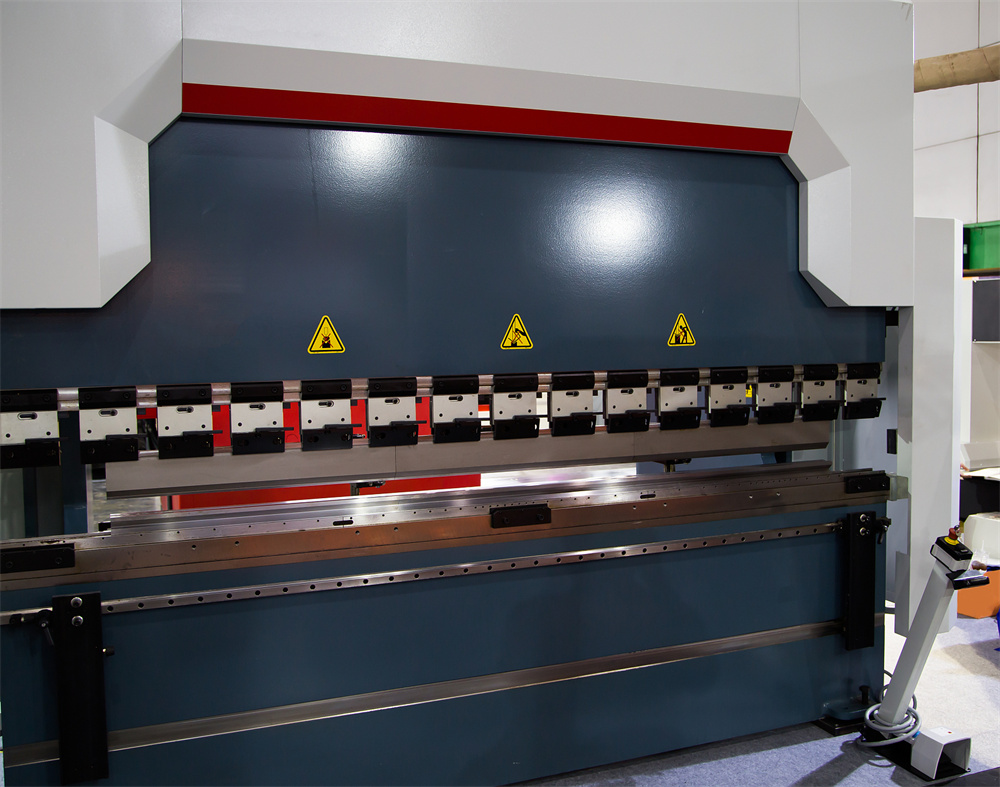
Key Considerations for Proactive Maintenance
The foundation of any successful maintenance program lies in consistency. A press brake is a complex assembly of electrical, hydraulic, and mechanical components that must work in perfect harmony. Neglecting even the smallest component, such as a loose limit switch or a degraded seal, can lead to uneven bending pressure and, eventually, structural damage to the machine frame.
Environmental factors play a critical role in machine longevity. Metal fabrication shops are often harsh environments filled with dust, metal shavings, and fluctuating temperatures. These contaminants can infiltrate hydraulic reservoirs and electronic cabinets, causing short circuits or fluid contamination. Establishing a clean-room approach for your CNC control panels and ensuring proper ventilation for electrical components is a non-negotiable aspect of daily maintenance.
Operator training is equally vital. The person behind the controls is the first line of defense in troubleshooting. Operators should be trained to listen for unusual hydraulic pump noises, observe the smoothness of the ram movement, and monitor the accuracy of the backgauge positioning. When an operator notices a deviation from the machine’s baseline performance, they must be empowered to report it immediately rather than pushing the machine to its limit.
Documentation is the final key consideration. Maintaining a detailed logbook for every press brake in your facility allows you to track the history of repairs, fluid changes, and part replacements. This data is invaluable when troubleshooting recurring issues. If a specific valve fails repeatedly, your maintenance logs will highlight the pattern, allowing you to investigate underlying causes like pressure spikes or electrical surges rather than simply replacing the part again.
Technical Details: Troubleshooting Common Failures
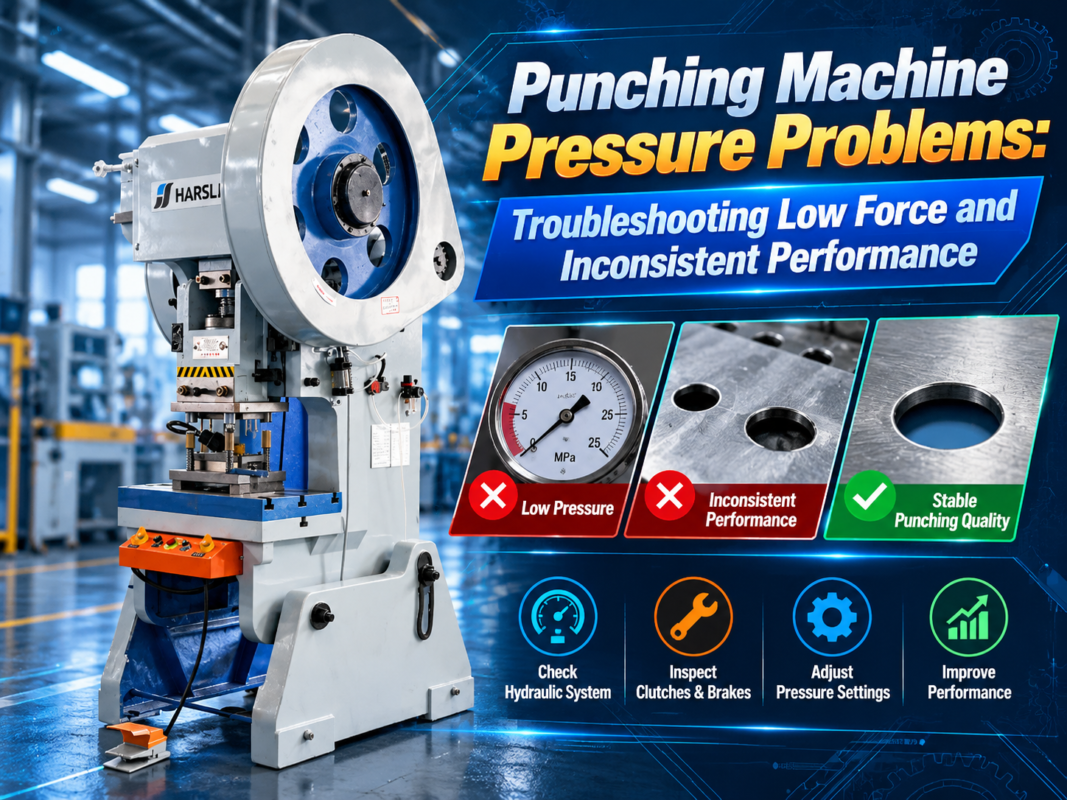
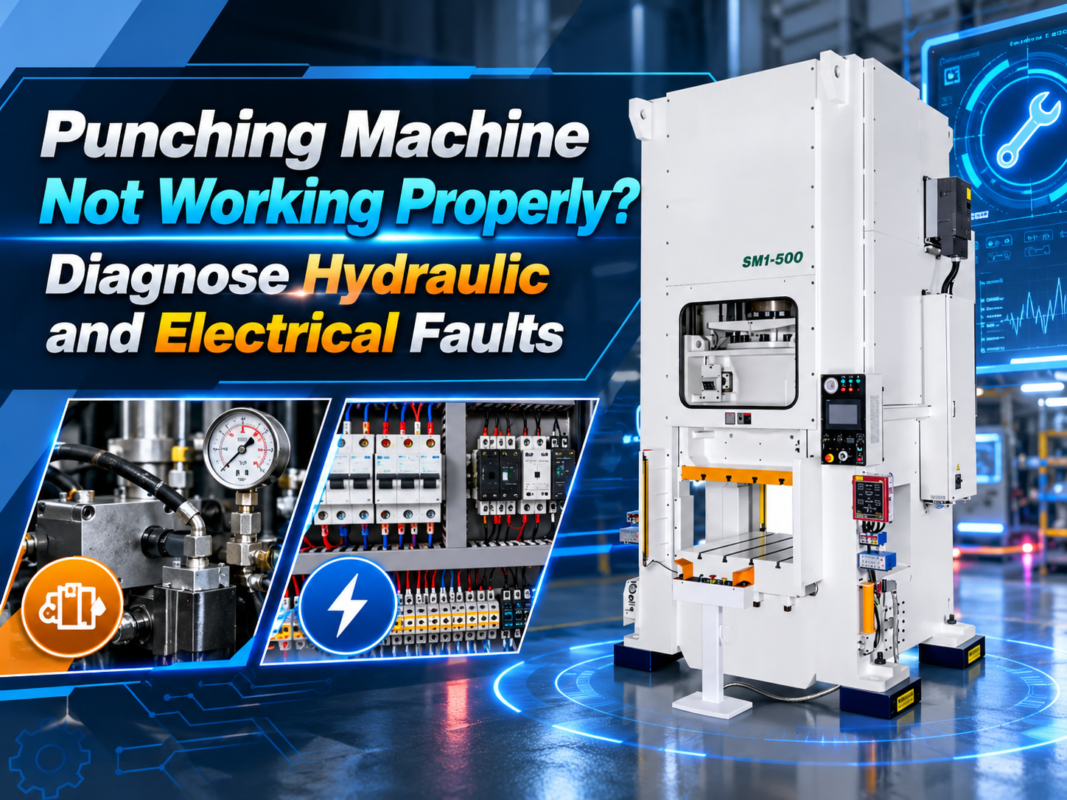
When a press brake begins to underperform, the issue usually falls into one of three categories: hydraulic, electrical, or mechanical. Understanding the technical symptoms of each category is essential for effective troubleshooting. For hydraulic issues, the most common symptom is a loss of tonnage or uneven ram movement. This is often caused by air in the hydraulic system, degraded oil, or failing solenoid valves. Regular oil analysis is recommended to detect metal particles or moisture, which can destroy hydraulic pumps prematurely.
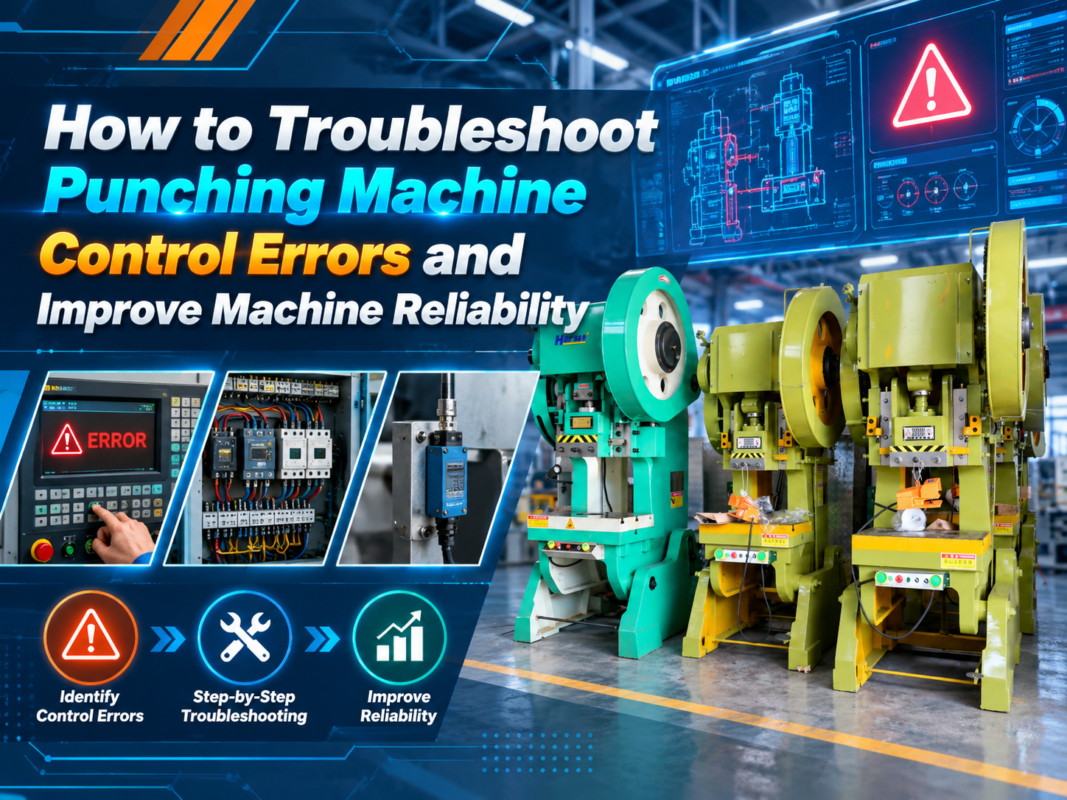
Electrical troubleshooting requires a systematic approach. If the CNC controller is displaying errors or if the backgauge is failing to calibrate, start by checking the power supply stability. Voltage fluctuations can cause erratic behavior in sensitive electronic components. Ensure that all grounding connections are secure, as poor grounding is a frequent culprit behind mysterious software glitches and sensor failures in modern press brakes.
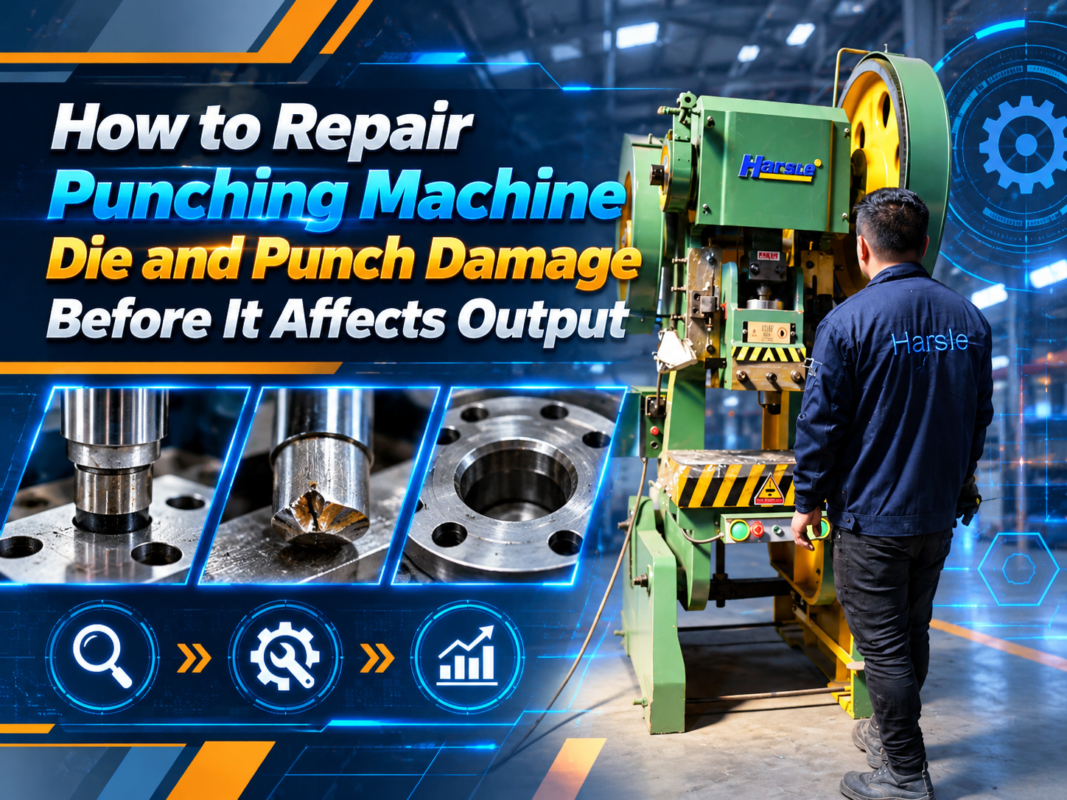
Mechanical wear is often the most visible but also the most ignored. The guide rails and the ram slide surfaces require consistent lubrication. If the lubrication system is clogged or if the wrong type of grease is used, the friction will increase, leading to overheating and accelerated wear on the gibs. Regularly inspect the tooling as well; worn or chipped punches and dies not only produce poor quality bends but also put unnecessary stress on the machine’s frame and hydraulic system.
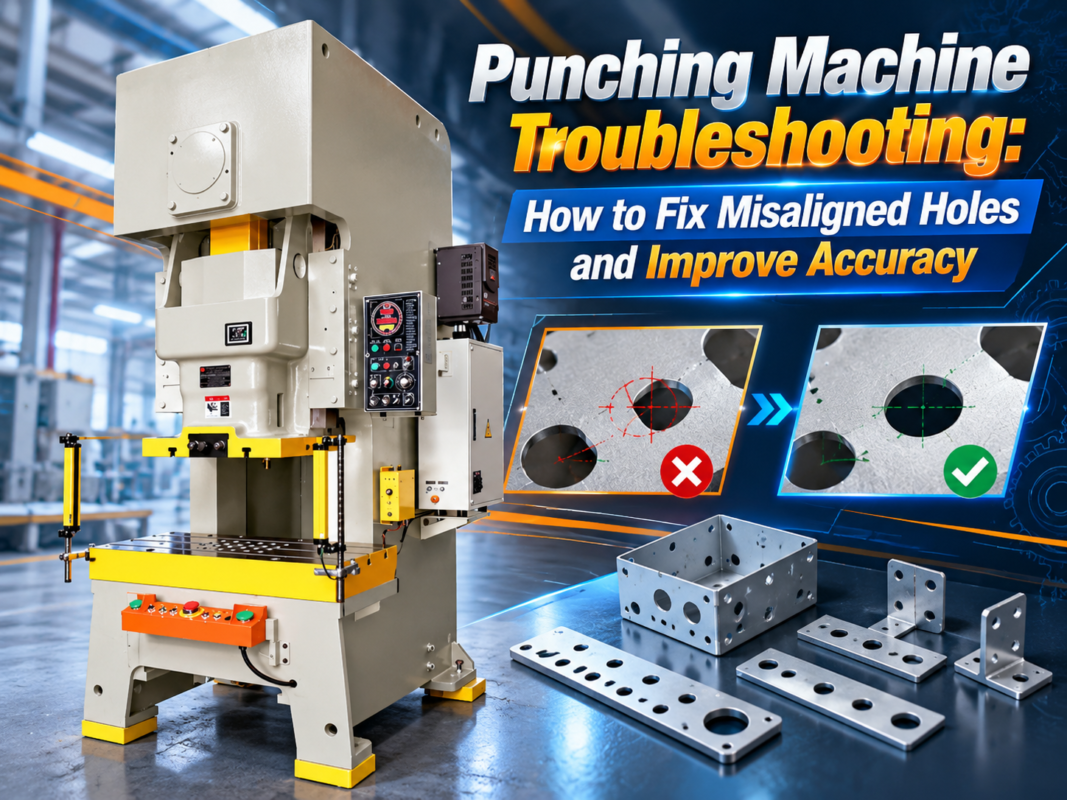
Another critical technical area is the crowning system. If your press brake is failing to maintain a consistent bend angle across the entire length of the workpiece, the crowning compensation system may be out of calibration. Check the hydraulic or mechanical crowning cylinders for leaks and ensure that the CNC controller is correctly compensating for the deflection of the bed and ram. Precision in these areas is what separates a high-quality finished part from scrap metal.

Selection Advice: Investing in Reliable Machinery
Choosing the right press brake is the first step in reducing maintenance headaches. When selecting a machine, prioritize build quality and the availability of spare parts. HARSLE machines are designed with modular components, making them easier to service and upgrade. Avoid machines that use proprietary, hard-to-source components, as these will inevitably lead to longer downtime when repairs are needed.
Consider the level of automation that fits your shop’s needs. While high-end robotic press brakes offer incredible speed, they also require a more sophisticated maintenance team. If your shop lacks specialized electronics technicians, a robust, manual-to-semi-automatic hydraulic press brake might be a more reliable choice. Always evaluate the machine’s rigidity; a heavier, more robust frame will absorb the stresses of bending better, leading to less wear on the internal components over time.
Look for manufacturers that provide comprehensive support and training. A machine is only as good as the support behind it. HARSLE provides detailed manuals, remote diagnostic capabilities, and expert technical support to ensure that your team is never left guessing during a troubleshooting event. When buying, ask about the availability of local service technicians and the typical lead time for critical spare parts like hydraulic pumps, seals, and CNC boards.
Finally, consider the future-proofing of your equipment. Can the CNC controller be updated? Is the machine compatible with modern safety light curtains and laser guarding systems? Investing in a machine that supports current safety and efficiency standards will not only keep your operators safe but will also ensure that your equipment remains compliant with evolving industrial regulations, preventing forced upgrades down the line.
FAQ: Frequently Asked Questions
How often should I change the hydraulic oil in my press brake?
Generally, hydraulic oil should be changed every 2,000 to 4,000 operating hours, or once a year, depending on the intensity of use and the cleanliness of the environment. Always check the manufacturer’s manual for specific viscosity requirements and filtration standards.
What should I do if the ram is not parallel to the bed?
First, check the synchronization valves and the encoder feedback. If the machine is a CNC model, perform a re-calibration of the Y1 and Y2 axes. If the issue persists, inspect the mechanical gibs for wear or misalignment.
Why is my press brake making a loud noise during operation?
Loud, irregular noises often indicate cavitation in the hydraulic pump, usually caused by low oil levels, a clogged suction filter, or air trapped in the system. Stop the machine immediately and inspect the hydraulic reservoir and filters.
How can I prevent rust on the press brake bed?
Keep the bed and ram surfaces clean and lightly oiled. If the machine is not in use for an extended period, apply a rust-preventative coating to the machined surfaces and cover the machine to protect it from humidity.
Is it necessary to use original spare parts?
Yes, using original parts ensures compatibility and maintains the machine’s performance specifications. Aftermarket parts may not meet the same material standards, which can lead to premature failure and void your warranty.
Conclusion: Sustaining Long-Term Performance
Press Brake Maintenance Troubleshooting: Preventing Breakdowns Before They Start is a journey of continuous improvement. By integrating the practices outlined in this guide—regular inspections, operator training, and a commitment to high-quality maintenance—you can transform your press brake from a potential liability into a consistent profit generator. HARSLE is committed to supporting your fabrication goals by providing not only the best machinery but also the knowledge required to maintain it.
Remember that the cost of a preventive maintenance task is always a fraction of the cost of an emergency repair. When you prioritize the health of your equipment, you are prioritizing the stability of your business. Keep your hydraulic systems clean, your electrical connections tight, and your operators informed. With these habits in place, your HARSLE press brake will continue to deliver the precision and power your customers demand, year after year.
As you move forward, continue to document your findings and refine your maintenance schedules. Every shop is unique, and the more you learn about your specific machine’s behavior, the more effective your troubleshooting will become. Stay proactive, stay safe, and keep your production line moving with confidence.