
Hydraulic Press Price Guide for Workshops: Choosing the Right Machine on Budget


Price Range Overview: Understanding the Investment Landscape
Investing in a hydraulic press is a significant capital expenditure for any metal fabrication workshop. Understanding the Hydraulic Press Price Workshops: Choosing Machine On Budget requires a clear view of the market tiers. Generally, entry-level C-frame presses designed for light assembly or small-batch stamping can range from $5,000 to $15,000. These machines are typically manual or semi-automatic and serve smaller job shops with lower tonnage requirements.
Moving into the mid-range category, you will find robust four-column presses and specialized deep-drawing machines priced between $20,000 and $60,000. These units offer higher precision, faster cycle times, and more advanced control systems, making them suitable for medium-sized production runs. At this level, manufacturers like HARSLE provide a balance of durability and technological integration that justifies the higher initial outlay.
For high-volume industrial environments, heavy-duty hydraulic presses can exceed $100,000. These machines are often custom-engineered to meet specific force requirements, bed sizes, and automation integration needs. When evaluating the Hydraulic Press Price Workshops: Choosing Machine On Budget, it is essential to distinguish between the base machine cost and the total cost of ownership, which includes installation, tooling, and long-term maintenance.
Market fluctuations, raw material costs, and technological advancements also play a role in pricing. As digital controls and energy-efficient servo-hydraulic systems become standard, the entry price for high-performance machines has shifted. However, the long-term savings in energy consumption and reduced scrap rates often offset the higher upfront investment, proving that the cheapest machine is rarely the most economical choice over a five-year horizon.
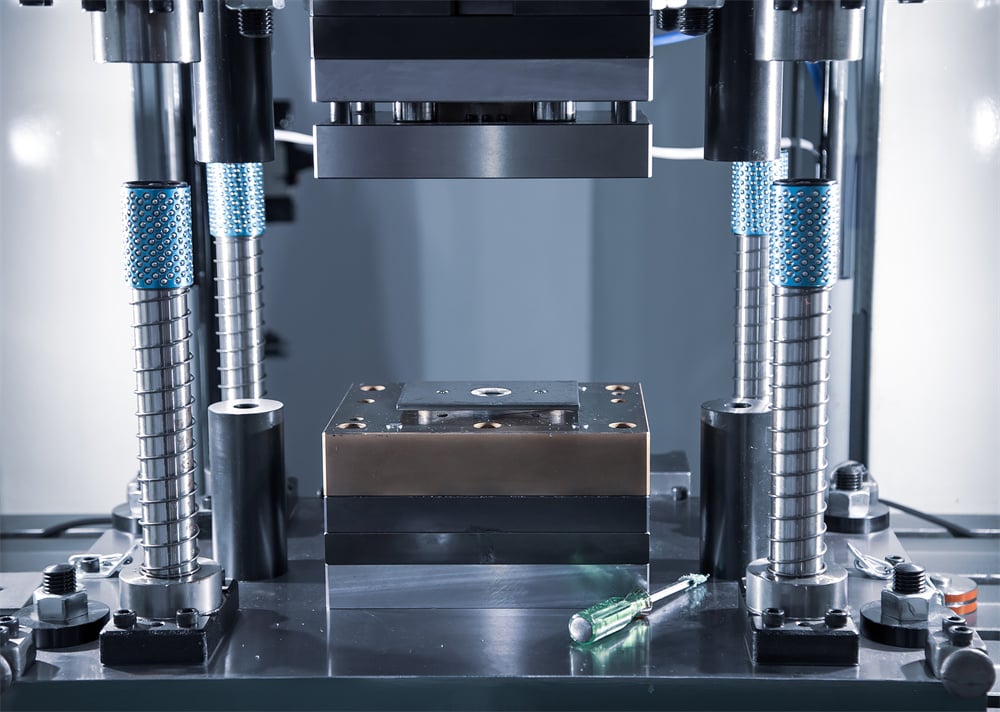
Main Cost Drivers: What Influences the Price Tag?
The primary factor driving the price of a hydraulic press is the tonnage capacity. A 50-ton press will naturally cost significantly less than a 500-ton press due to the sheer volume of steel required for the frame and the size of the hydraulic cylinders. When selecting a machine, workshops must accurately calculate their maximum force requirements to avoid overspending on unnecessary capacity or under-specifying and risking machine failure.
Bed size and daylight opening are secondary but critical cost drivers. A larger bed allows for bigger dies and more complex parts, but it requires a heavier, more rigid frame to prevent deflection under load. Similarly, the daylight—the distance between the ram and the bed—determines the height of the parts you can process. Increasing these dimensions adds to the material and engineering costs, directly impacting the final price.
Control systems and automation levels represent a growing portion of the cost. Modern hydraulic presses are no longer just simple cylinders; they are sophisticated CNC-controlled systems. Features like programmable stroke control, pressure sensing, and multi-stage pressing cycles require advanced PLC systems and high-end hydraulic valves. While these features increase the initial price, they are vital for repeatability and quality control in modern fabrication.
Finally, the quality of components—such as pumps, seals, and electrical hardware—dictates the machine’s longevity. HARSLE and other reputable manufacturers prioritize high-quality hydraulic components that minimize downtime. Choosing a machine with proprietary, hard-to-source parts can lead to expensive repairs later, whereas machines built with industry-standard components offer better long-term value and easier maintenance.
Configuration Impact: Customization vs. Standard Models
When researching the Hydraulic Press Price Workshops: Choosing Machine On Budget, you will encounter both standard “off-the-shelf” models and custom-engineered solutions. Standard models are mass-produced, which lowers their manufacturing costs and makes them more affordable. For many workshops, a standard HARSLE hydraulic press provides all the necessary functionality for common tasks like bending, punching, and straightening.
Custom configurations, however, are necessary for specialized applications. If your workshop handles unique materials or complex geometries, you may need custom die cushions, specialized heating elements for hot forming, or integrated robotic loading systems. While these additions significantly increase the price, they can also provide a competitive edge by allowing you to take on projects that competitors cannot handle.
Consider the impact of safety features on the total price. Light curtains, dual-hand controls, and safety interlocks are non-negotiable in modern workshops. While some entry-level models might offer these as optional add-ons, premium models include them as standard. Always factor these into your budget, as retrofitting safety equipment is almost always more expensive than purchasing a machine that is compliant from the factory floor.
Modularity is another trend in press design. Some manufacturers offer base frames that can be upgraded with different bolsters or control modules later. This allows a workshop to start with a lower initial investment and scale the machine’s capabilities as the business grows. This “pay-as-you-grow” approach is an excellent strategy for startups looking to manage cash flow while maintaining high production standards.
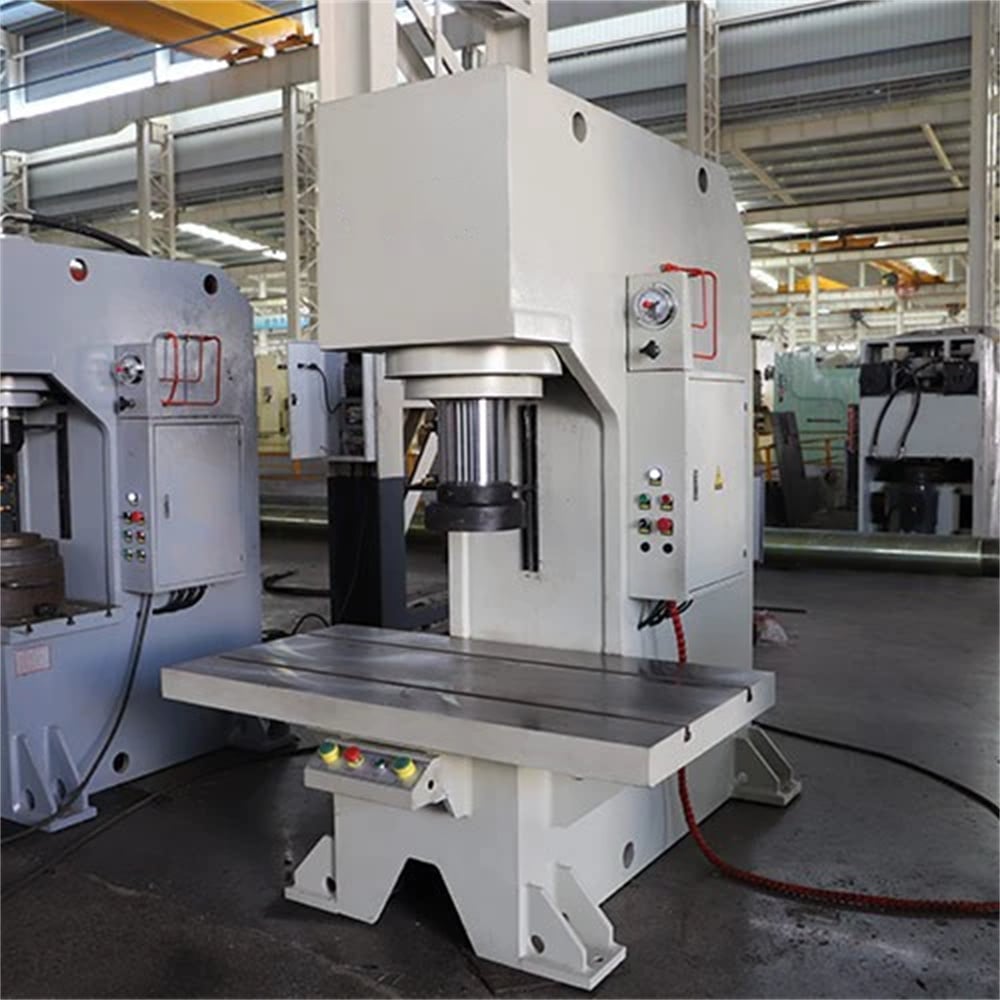
Hidden Costs: Beyond the Purchase Price
The purchase price is only the tip of the iceberg. When budgeting for a hydraulic press, you must account for installation and commissioning. Heavy-duty presses often require reinforced concrete foundations to handle the vibration and weight. If your workshop floor is not prepared, the cost of site preparation can add thousands of dollars to your project.
Shipping and logistics are often overlooked. Large hydraulic presses are heavy and require specialized transport, rigging, and crane services to move into position. Depending on the distance from the manufacturer and the complexity of the installation, these logistics costs can be substantial. Always request a detailed quote that specifies whether the price includes delivery and installation or if those are separate line items.
Operational costs, specifically electricity and hydraulic fluid, are ongoing expenses. Older or less efficient hydraulic systems can consume significant power, especially during idle times. Modern servo-driven presses are much more energy-efficient, often paying for themselves through reduced utility bills over a few years. Additionally, regular maintenance—replacing filters, seals, and hydraulic oil—must be factored into your annual operating budget.
Training is another hidden cost. A sophisticated press is only as good as the operator running it. Investing in professional training for your staff ensures that the machine is used correctly, reducing the risk of accidents and premature wear. Many manufacturers offer training packages as part of the purchase agreement; it is highly recommended to include these in your initial budget to ensure a smooth transition to full production.
ROI Calculation: Justifying the Investment
To determine if a hydraulic press is a sound investment, you must calculate the Return on Investment (ROI). Start by estimating the increase in production capacity. If the new press allows you to produce parts 30% faster than your current method, calculate the revenue generated by that extra capacity. This is the primary driver of your ROI.
Next, consider the reduction in labor costs. A more automated press requires less manual intervention, allowing your skilled workers to focus on other high-value tasks. If the machine reduces the need for secondary finishing operations—such as deburring or straightening—the savings in labor and time are significant. These efficiencies contribute directly to the bottom line.
Quality improvements also play a role. A high-precision press reduces the scrap rate. In metal fabrication, wasted material is wasted money. By producing consistent, high-quality parts on the first attempt, you save on raw materials and the time spent reworking defective items. Over a year, these savings can be substantial and should be included in your ROI analysis.
Finally, consider the market expansion potential. A new hydraulic press might allow you to bid on larger contracts or work with thicker, more difficult materials. This opens up new revenue streams that were previously inaccessible. When calculating ROI, look beyond the immediate production gains and consider the long-term strategic value the machine brings to your workshop’s capabilities.
Buying Advice: A Checklist for Workshop Owners
Before signing a purchase agreement, conduct a thorough needs assessment. Define exactly what parts you will be producing, the materials involved, and the required tolerances. Avoid the temptation to buy a machine that is “too big” just in case you need it later; instead, focus on the requirements of your current and near-future projects.
Request multiple quotes and compare them based on total value, not just the sticker price. A lower-priced machine might lack the support, warranty, or build quality of a slightly more expensive one. Check the manufacturer’s reputation for after-sales support. Can they provide spare parts quickly? Do they offer remote technical assistance? These factors are critical when your production line is down.
Inspect the machine’s build quality. Look for heavy-duty steel construction, high-quality hydraulic components, and intuitive control interfaces. If possible, visit a showroom or a workshop that already uses the machine you are considering. Seeing the press in action and talking to operators can provide insights that no brochure can offer.
Finally, negotiate the terms of the warranty and service contract. A comprehensive warranty provides peace of mind and protects your investment during the critical first years of operation. Ensure that the contract clearly defines what is covered, the response time for service calls, and the availability of technical support. A strong partnership with your supplier is just as important as the machine itself.
FAQ: Common Questions About Hydraulic Press Pricing
- What is the average lifespan of a hydraulic press? With proper maintenance, a high-quality hydraulic press can last 20 to 30 years or more.
- Should I buy a new or used hydraulic press? New machines offer the latest technology, warranties, and reliability. Used machines can be cost-effective but carry risks regarding wear and lack of support.
- How often does a hydraulic press need maintenance? Routine maintenance should be performed every 500 to 1,000 operating hours, including oil changes and seal inspections.
- Can I finance a hydraulic press? Yes, most manufacturers and industrial equipment dealers offer financing or leasing options to help manage the upfront cost.
- What is the most important feature to look for? Precision and repeatability are paramount. Ensure the machine has a robust frame and a reliable control system to maintain consistent output.


