
Best Hydraulic Press Prices: Find A Reliable Machine Supplier


Price Range Overview
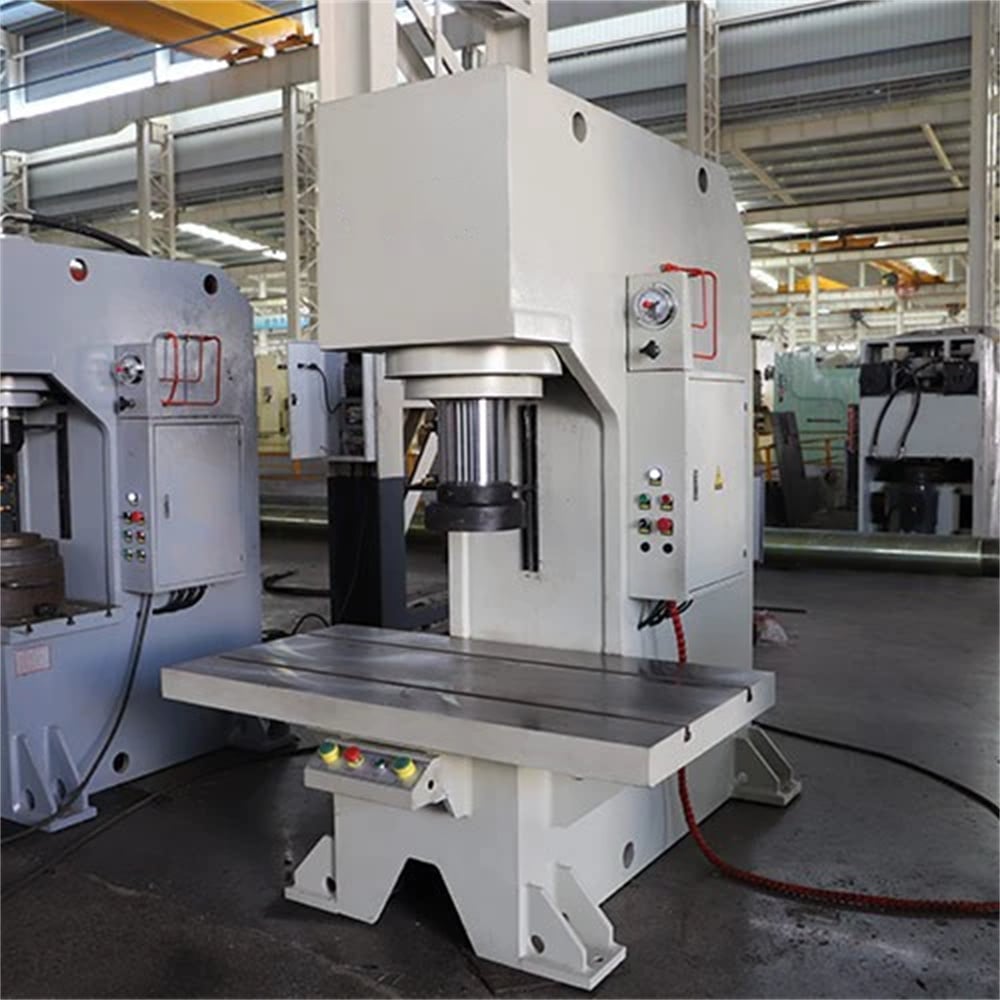
When searching for the best hydraulic press prices, it is essential to understand that the market is segmented by tonnage, automation levels, and structural integrity. For small-scale workshops or prototyping labs, entry-level C-frame hydraulic presses typically range from $5,000 to $15,000. These machines are ideal for light-duty stamping, bending, and assembly tasks where high-speed production is not the primary requirement.
Moving into the mid-range category, industrial-grade four-column hydraulic presses generally fall between $20,000 and $60,000. These machines offer superior rigidity and larger bed sizes, making them suitable for medium-volume production runs in automotive parts manufacturing or appliance fabrication. The price variance here is largely dictated by the sophistication of the hydraulic control system and the precision of the guiding mechanisms.
For heavy-duty industrial applications, such as deep drawing, forging, or high-pressure molding, prices can easily exceed $100,000. These systems often include advanced features like servo-driven hydraulics, integrated safety light curtains, and PLC-based process monitoring. Investing in this tier is a long-term capital commitment that requires a thorough analysis of production throughput and material requirements.
It is important to note that “best price” does not always equate to the lowest initial purchase cost. A machine that is priced significantly below the market average often lacks the necessary structural steel thickness or uses inferior hydraulic components, which leads to higher downtime and repair costs. When evaluating quotes, always compare the machine weight, as this is a reliable indicator of the quality of the frame and the overall durability of the press.
Finally, consider the geographical origin of the manufacturer. While global shipping costs have fluctuated, sourcing from established manufacturers like HARSLE ensures that you are getting a machine built to international safety standards (CE/ISO). Balancing the initial investment with the expected lifespan of the equipment is the hallmark of a smart procurement strategy.
Main Cost Drivers
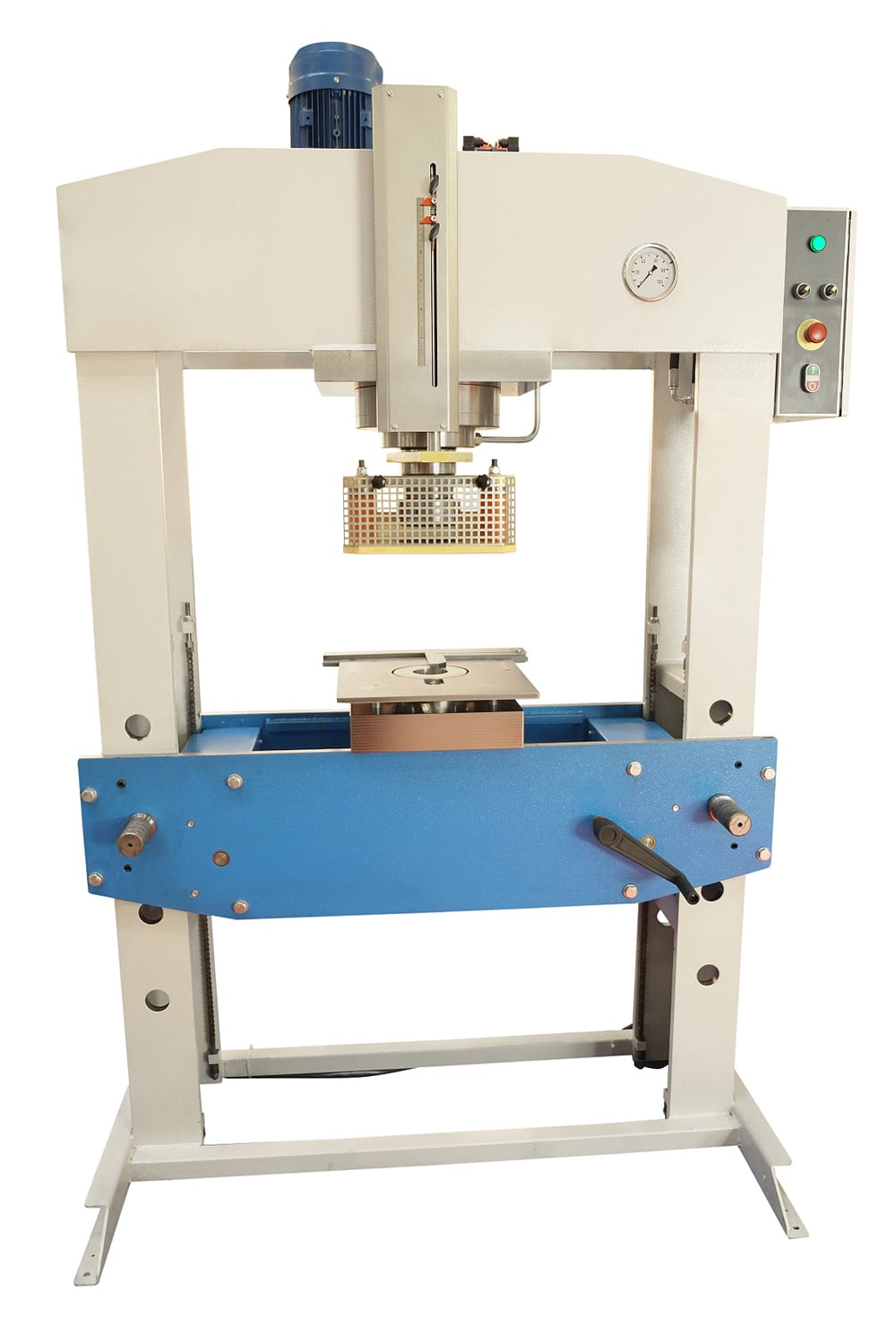
The primary driver of hydraulic press pricing is the tonnage capacity. A 100-ton press will naturally cost more than a 20-ton press due to the increased amount of high-grade steel required for the frame and the larger hydraulic cylinders needed to generate the force. However, tonnage is not the only factor; the speed of the ram (approach, pressing, and return speeds) significantly impacts the cost of the hydraulic pump and motor assembly.
The control system is another major cost variable. Basic manual presses rely on simple push-button controls and mechanical limit switches, which are cost-effective but limited in repeatability. Conversely, modern CNC-controlled presses allow for programmable stroke, pressure, and dwell time. These systems require sophisticated software, high-end sensors, and proportional valves, all of which add to the total price of the machine.
Material quality and manufacturing precision also play a critical role. High-quality presses utilize stress-relieved welded steel frames that prevent deformation under load. Manufacturers that invest in precision grinding for the bolster plates and ram surfaces provide better die alignment, which reduces tool wear. While these features increase the upfront cost, they drastically reduce the long-term operational expenses associated with tool replacement and part rejection.
Hydraulic components, such as pumps, valves, and seals, are the “heart” of the machine. Reputable suppliers use globally recognized brands for these components to ensure reliability and ease of maintenance. If a supplier offers a suspiciously low price, it is often because they are using generic, unbranded hydraulic parts that may fail prematurely. Always ask for a detailed specification sheet that lists the brands of the major hydraulic and electrical components.
Lastly, customization options such as heated platens, automatic die change systems, or specialized safety guarding add to the final price. While these features increase the initial cost, they are often necessary for specific applications. A reliable supplier will work with you to identify which features are essential for your production goals and which can be omitted to keep the project within your budget.
Configuration Impact
The configuration of a hydraulic press—whether it is a C-frame, H-frame, or four-column design—dictates its utility and price. C-frame presses offer excellent access to the work area from three sides, making them perfect for manual loading and unloading, but they are generally limited to lower tonnages due to the potential for frame deflection. This design is usually more affordable and space-efficient for smaller shops.
Four-column presses provide superior stability and uniform pressure distribution across the entire bed. This configuration is essential for precision deep drawing and large-part stamping. Because of the complex engineering required to ensure the four columns remain perfectly parallel under load, these machines command a higher price point. However, the investment is justified by the increased quality of the finished parts and the extended life of the dies.
The type of hydraulic system—standard vs. servo-driven—is a modern configuration choice that impacts both price and efficiency. Servo-hydraulic presses are more expensive initially but offer significant energy savings, quieter operation, and much higher precision in stroke control. For companies looking to reduce their carbon footprint and lower their long-term electricity bills, the servo configuration is often the best choice despite the higher entry price.
Bed size and daylight opening are also critical configuration factors. A larger bed allows for larger dies or multiple stations, but it requires a larger, more robust frame to prevent bowing. Similarly, a larger daylight opening (the distance between the ram and the bolster) requires longer cylinders and more complex guiding systems. Always ensure the machine configuration matches your largest current and anticipated future parts to avoid the need for a premature upgrade.
Hidden Costs
When budgeting for a hydraulic press, many buyers overlook the “hidden” costs associated with installation and commissioning. Shipping, rigging, and foundation preparation can add thousands of dollars to the final project cost. Depending on the weight and size of the press, you may need to pour a reinforced concrete pad to ensure the machine remains level and stable during operation.
Electrical and hydraulic infrastructure requirements are another common oversight. High-tonnage presses often require specific voltage configurations and high-amperage power supplies. You may need to hire a licensed electrician to upgrade your facility’s power distribution. Additionally, hydraulic presses require high-quality hydraulic oil, which can be a significant recurring cost, especially if the machine requires frequent oil changes or has a large reservoir.
Maintenance and spare parts availability should be factored into your long-term budget. A cheap machine from an obscure supplier might save you money today, but if you cannot source replacement seals, valves, or sensors in the future, the machine becomes a liability. Always inquire about the availability of spare parts and the manufacturer’s commitment to supporting older models.
Training and safety compliance are also costs that must be accounted for. Operating a hydraulic press safely requires specialized training for your staff. Furthermore, depending on your local regulations, you may need to invest in additional safety equipment like light curtains, two-hand controls, or interlocked fencing to meet OSHA or CE standards. Ignoring these requirements can lead to heavy fines and, more importantly, workplace accidents.
ROI Calculation
Calculating the Return on Investment (ROI) for a hydraulic press involves more than just looking at the purchase price. Start by calculating the cost per part. This includes the machine’s hourly operating cost (electricity, maintenance, labor) divided by the number of parts produced per hour. A more expensive, faster machine may actually have a lower cost-per-part than a cheaper, slower one.
Consider the reduction in scrap rates. A high-precision press with advanced control systems will produce fewer defective parts. If your current scrap rate is 5%, and a new, more precise press reduces it to 1%, the savings in raw material costs can be substantial over the course of a year. This is often the most overlooked factor in ROI calculations.
Factor in the labor savings. Modern hydraulic presses with automated features like quick-die-change systems or programmable cycles can significantly reduce the time required for setup and operation. If you can reduce setup time from two hours to thirty minutes, you gain an extra 90 minutes of production time per shift, which directly impacts your bottom line.
Finally, consider the potential for new business. A more capable hydraulic press allows you to take on more complex projects, work with thicker materials, or achieve tighter tolerances that you previously couldn’t handle. This expands your service offering and allows you to command higher prices for your finished products, accelerating the payback period of your investment.
Buying Advice
When looking for the best hydraulic press prices, start by creating a detailed list of your requirements. Define the maximum tonnage, bed size, stroke length, and the specific materials you will be forming. Having a clear specification sheet allows you to compare “apples to apples” when requesting quotes from different suppliers.
Always request references from the supplier. A reliable manufacturer will be happy to provide contact information for existing customers who are using similar equipment. Reach out to these references and ask about the machine’s reliability, the quality of the after-sales support, and whether they would purchase from the same supplier again.
Evaluate the supplier’s technical support capabilities. Do they offer remote diagnostics? Do they have local service technicians? A machine is only as good as the support behind it. If a critical component fails, you need to know that the supplier can provide technical guidance or send a technician to your facility promptly to minimize downtime.
Don’t be afraid to negotiate, but do so based on value rather than just price. Ask about extended warranties, included training sessions, or a starter kit of spare parts. These items often have high value to the buyer but are relatively low-cost for the manufacturer to include, making them excellent bargaining chips.
FAQ
- What is the most important factor when buying a hydraulic press? The most important factor is the machine’s ability to meet your specific production requirements while maintaining safety and reliability. Never sacrifice build quality for a lower price.
- How often should I perform maintenance on my hydraulic press? Regular maintenance should be performed according to the manufacturer’s schedule, typically every 500 to 1,000 operating hours. This includes checking hydraulic fluid levels, inspecting seals, and ensuring all safety devices are functioning correctly.
- Can I use a hydraulic press for different types of metal? Yes, hydraulic presses are highly versatile and can be used for steel, aluminum, copper, and various alloys, provided the press has the correct tonnage and tooling for the material thickness.
- What is the difference between a hydraulic press and a mechanical press? Hydraulic presses offer constant force throughout the entire stroke and are generally easier to control for deep drawing, while mechanical presses are typically faster and better suited for high-speed blanking and punching.
- How do I find a reliable supplier? Look for manufacturers with a long-standing history, positive industry reviews, transparent pricing, and a strong commitment to after-sales service and technical support.


