Laser Cutting Machine Troubleshooting for Operators: Reduce Downtime and Improve Cutting Accuracy


Introduction to Laser Cutting Machine Troubleshooting for Operators
In the modern metal fabrication landscape, the fiber laser cutting machine stands as the backbone of production efficiency. For HARSLE operators, maintaining peak performance is not just about speed; it is about precision, consistency, and the ability to diagnose issues before they escalate into costly downtime. Laser Cutting Machine Troubleshooting for Operators: Reduce Downtime and Improve Cutting Accuracy is a critical skill set that separates high-output facilities from those plagued by constant maintenance delays.
When a laser system begins to underperform, the impact is felt across the entire production line. Whether it is a slight deviation in edge quality or a complete system stall, understanding the root cause is essential. This guide provides a comprehensive framework for operators to identify, troubleshoot, and resolve common laser cutting challenges, ensuring that your HARSLE equipment remains a reliable asset for years to come.
Effective troubleshooting requires a systematic approach. By monitoring consumables, checking optical alignment, and maintaining software parameters, operators can significantly extend the lifespan of their machinery. This article serves as a technical manual for those on the front lines of metal fabrication, providing actionable insights to optimize your workflow and minimize the frequency of unplanned repairs.
As we delve into the technical nuances of laser operation, remember that safety is the primary consideration. Always follow HARSLE’s specific safety protocols, wear appropriate personal protective equipment (PPE), and ensure that the machine is properly powered down before performing any physical inspections or component replacements.
Key Considerations for Maintaining Cutting Accuracy
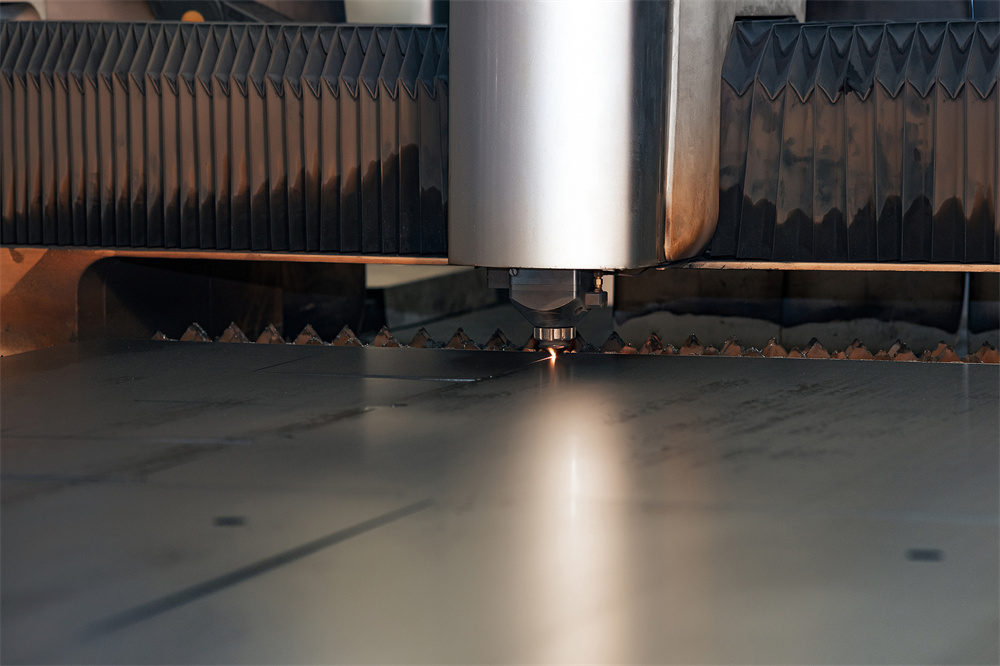
Cutting accuracy is the hallmark of a high-quality fabrication shop. When accuracy begins to drift, it is rarely due to a single catastrophic failure; rather, it is often the result of cumulative wear or minor misalignments. Operators must prioritize the health of the focal lens and the protective window. Dust, debris, or oil residue on these optics can cause laser beam scattering, leading to inconsistent cuts and potential damage to the laser head itself.
Another critical factor is the condition of the nozzle. A damaged or clogged nozzle disrupts the gas flow, which is vital for ejecting molten metal from the kerf. If the gas flow is turbulent, the cut quality will suffer, resulting in dross buildup or uneven edges. Operators should perform daily inspections of the nozzle orifice to ensure it is perfectly centered and free of spatter.
The stability of the machine bed and the clamping system also plays a significant role in accuracy. If the material is not held firmly or if the slats are worn, the workpiece may vibrate during the cutting process. This vibration manifests as jagged edges or dimensional errors. Regularly replacing or leveling the support slats is a simple yet effective way to maintain high-precision standards.
Finally, environmental factors cannot be ignored. Humidity and temperature fluctuations in the workshop can affect both the laser source and the material being cut. Maintaining a climate-controlled environment, especially for high-power fiber lasers, ensures that the electronic components operate within their optimal range, preventing thermal drift and ensuring consistent beam delivery throughout the shift.
Technical Details: Troubleshooting Common Laser Issues
When troubleshooting, the first step is to analyze the cut quality. If you notice excessive dross on the bottom of the plate, it often indicates incorrect gas pressure or a feed rate that is too high for the material thickness. Conversely, if the laser is failing to pierce the material, the issue may lie with the focal position or a degraded lens that is no longer focusing the beam at the required intensity.
Optical alignment is a frequent culprit in accuracy issues. Over time, the beam path can shift due to machine vibration or thermal expansion. Operators should utilize the machine’s built-in alignment tools to verify that the beam is centered through the nozzle. A beam that is off-center will cause uneven heating of the nozzle, leading to rapid degradation and poor cut quality on one side of the kerf.
Software parameters also require regular auditing. Modern HARSLE machines use advanced CNC controllers that allow for precise adjustments to power, frequency, and duty cycle. If the machine is cutting slower than expected, check the material database settings. Sometimes, a simple update to the cutting parameters—based on the specific batch of steel or aluminum being processed—can resolve performance bottlenecks instantly.
Cooling systems are the lifeblood of fiber laser machines. If the chiller is not maintaining the correct temperature, the laser source will automatically throttle its power to prevent damage. Operators should monitor the chiller’s flow rate and temperature sensors daily. Any deviation from the manufacturer’s recommended range should be addressed immediately to prevent long-term damage to the laser diode modules.

Selection Advice: Choosing the Right Equipment for Your Needs
Selecting the right laser cutting machine is the first step in reducing future troubleshooting headaches. When evaluating HARSLE models, consider the power output relative to your typical material thickness. A machine that is constantly pushed to its maximum power capacity will experience faster wear on consumables and optics compared to a machine running at 70-80% of its rated capacity.
Automation features are another vital consideration. Machines equipped with automatic nozzle changers, focal adjustment systems, and material loading/unloading units significantly reduce the human error factor. By automating these repetitive tasks, you ensure that the machine is always configured correctly for the job at hand, which inherently reduces the need for manual troubleshooting.
Consider the support and service infrastructure. A machine is only as good as the support behind it. HARSLE provides comprehensive documentation and remote diagnostic capabilities, which are invaluable for operators. When choosing a machine, ensure that your team has access to training programs that cover not just operation, but also basic maintenance and troubleshooting protocols.
Finally, look for modular designs. As your business grows, your needs may change. A machine that allows for easy upgrades—such as increasing the laser power or adding rotary axes for tube cutting—provides better long-term value. Investing in a robust, well-supported platform from the start is the most effective way to minimize downtime and maximize the return on your investment in metal fabrication equipment.
Frequently Asked Questions (FAQ)
1. How often should I clean the protective window on my laser head?
The protective window should be inspected daily. If you are working in a high-dust environment or cutting materials that produce significant spatter, you may need to clean it every 4-8 hours of operation. Always use lint-free wipes and high-purity lens cleaning solution.
2. Why is my laser cutting machine leaving dross on the bottom edge?
Dross is usually caused by incorrect gas pressure, a worn nozzle, or a feed rate that is too fast. Check your cutting parameters against the HARSLE material database and ensure your nozzle is clean and centered.
3. What should I do if the laser beam is not centered in the nozzle?
If the beam is off-center, you must perform a beam alignment procedure. Consult your HARSLE operation manual for the specific steps, as this involves adjusting the mirrors or the laser head alignment screws. If you are unsure, contact a certified technician to avoid damaging the optics.
4. How does the chiller temperature affect cutting accuracy?
The chiller maintains the laser source at a stable temperature. If the temperature is too high, the laser power will fluctuate, leading to inconsistent cuts. If it is too low, condensation can form on the optics, which can cause catastrophic damage to the lens.
5. Can I use third-party consumables for my HARSLE machine?
While third-party consumables may be cheaper, they often lack the precision and material quality of OEM parts. Using non-certified nozzles or lenses can lead to poor cut quality and may void your machine’s warranty. We recommend using HARSLE-approved consumables for optimal performance.
Conclusion
Mastering Laser Cutting Machine Troubleshooting for Operators: Reduce Downtime and Improve Cutting Accuracy is a continuous process of learning and vigilance. By focusing on the fundamentals—optical cleanliness, gas flow, parameter optimization, and regular maintenance—operators can transform their workflow, turning potential downtime into productive uptime. HARSLE machines are engineered for precision, but their longevity depends on the care and expertise of the people operating them.
Remember that every minute spent on preventative maintenance is an hour saved in emergency repairs. Keep your documentation updated, maintain a clean workspace, and never hesitate to consult your HARSLE support team when faced with complex technical challenges. By following the guidelines outlined in this article, you will not only improve the quality of your finished products but also extend the operational life of your metal fabrication equipment, ensuring your facility remains competitive in an ever-evolving market.
Ultimately, the goal is to create a culture of excellence where troubleshooting is a proactive habit rather than a reactive necessity. With the right knowledge and a commitment to high standards, your laser cutting operations will achieve the consistency and efficiency required to meet the most demanding project requirements.