What Causes Poor Punching Quality? A Troubleshooting Guide for Fabrication Shops


Introduction
In the high-stakes world of metal fabrication, precision is the currency of success. For shop owners and operators, nothing is more frustrating than discovering a batch of parts that fail quality control due to inconsistent hole geometry, excessive burrs, or surface deformation. Understanding what causes poor punching quality is the first step toward maintaining a competitive edge and reducing costly scrap rates. When your punching machine fails to deliver clean, accurate results, it is rarely a mystery; it is usually a symptom of specific mechanical, tooling, or material issues.
At HARSLE, we recognize that the efficiency of your production line depends on the reliability of your equipment. Whether you are operating a high-speed CNC turret punch or a hydraulic ironworker, the principles of quality punching remain consistent. This guide serves as a comprehensive resource for fabrication shops looking to diagnose and resolve common punching defects. By systematically addressing the variables involved in the punching process, you can ensure that your shop maintains the highest standards of output.
Poor punching quality often manifests as jagged edges, uneven hole diameters, or material distortion around the punch site. These issues not only compromise the structural integrity of the finished product but also increase secondary processing costs, such as deburring or grinding. By identifying the root causes—ranging from improper clearance settings to dull tooling—you can implement proactive maintenance schedules that keep your HARSLE machinery running at peak performance.
This article will walk you through the technical nuances of the punching process, providing actionable insights for troubleshooting. We will explore the critical relationship between punch and die clearance, the impact of material properties, and the importance of machine calibration. Let’s dive into the technical details that separate a high-performing fabrication shop from one plagued by constant downtime and quality issues.
Key Considerations for Punching Quality
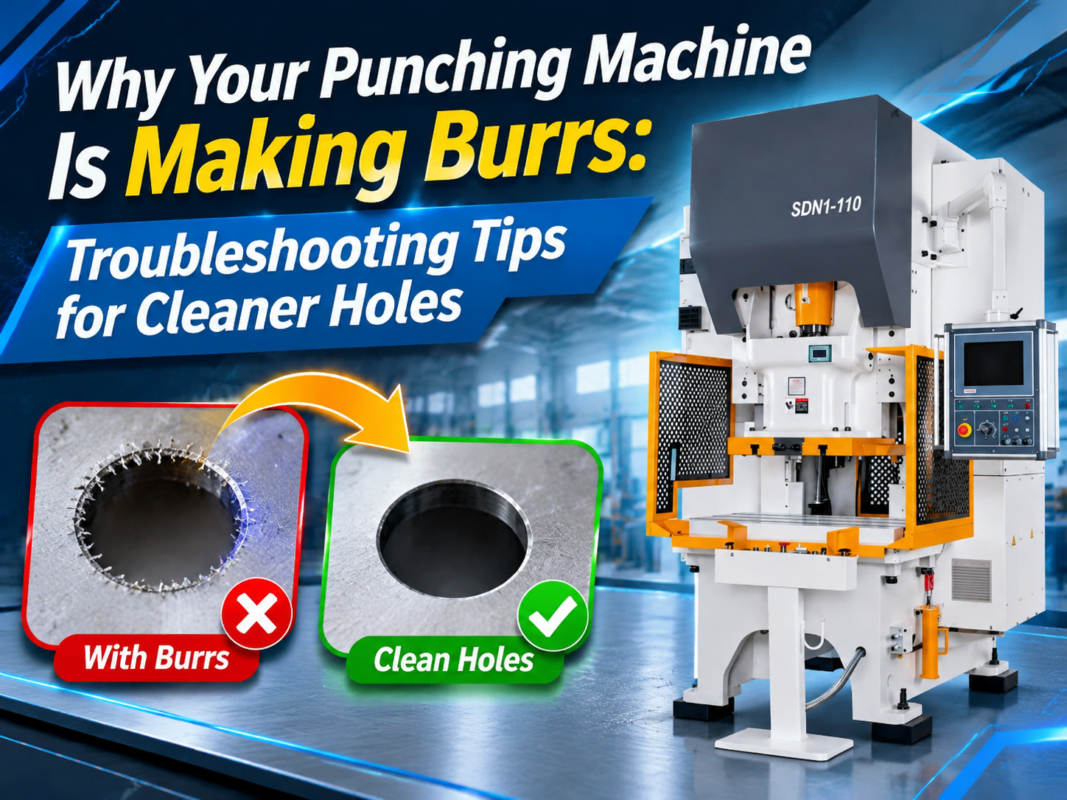
The foundation of high-quality punching lies in the synergy between the machine, the tooling, and the material. When one of these elements is misaligned, the entire process suffers. The most common culprit in poor punching quality is incorrect clearance between the punch and the die. Clearance is the gap between the punch and the die opening, and it must be precisely calculated based on the material thickness and type. If the clearance is too tight, the machine experiences excessive stress, leading to rapid tool wear and potential cracking. If the clearance is too loose, the material will bend rather than shear, resulting in large, unsightly burrs.
Another critical consideration is the condition of the tooling. Punching is a high-impact process that subjects tools to immense pressure and friction. Over time, even the highest quality hardened steel tools will begin to dull. A dull punch does not cut through the material; it pushes it, causing the metal to stretch and deform before it finally breaks. This creates a rounded edge on the top of the hole and a significant burr on the bottom. Regular inspection of tool edges is essential for maintaining a clean shear.
Material properties also play a significant role in the quality of the punch. Different metals have varying levels of ductility, hardness, and elasticity. For instance, punching stainless steel requires significantly more force and different clearance settings compared to mild steel or aluminum. If the material is not properly supported or if the clamping pressure is insufficient, the material may shift during the punching cycle, leading to hole elongation or misalignment. Understanding the specific requirements of the material you are processing is vital for achieving consistent results.
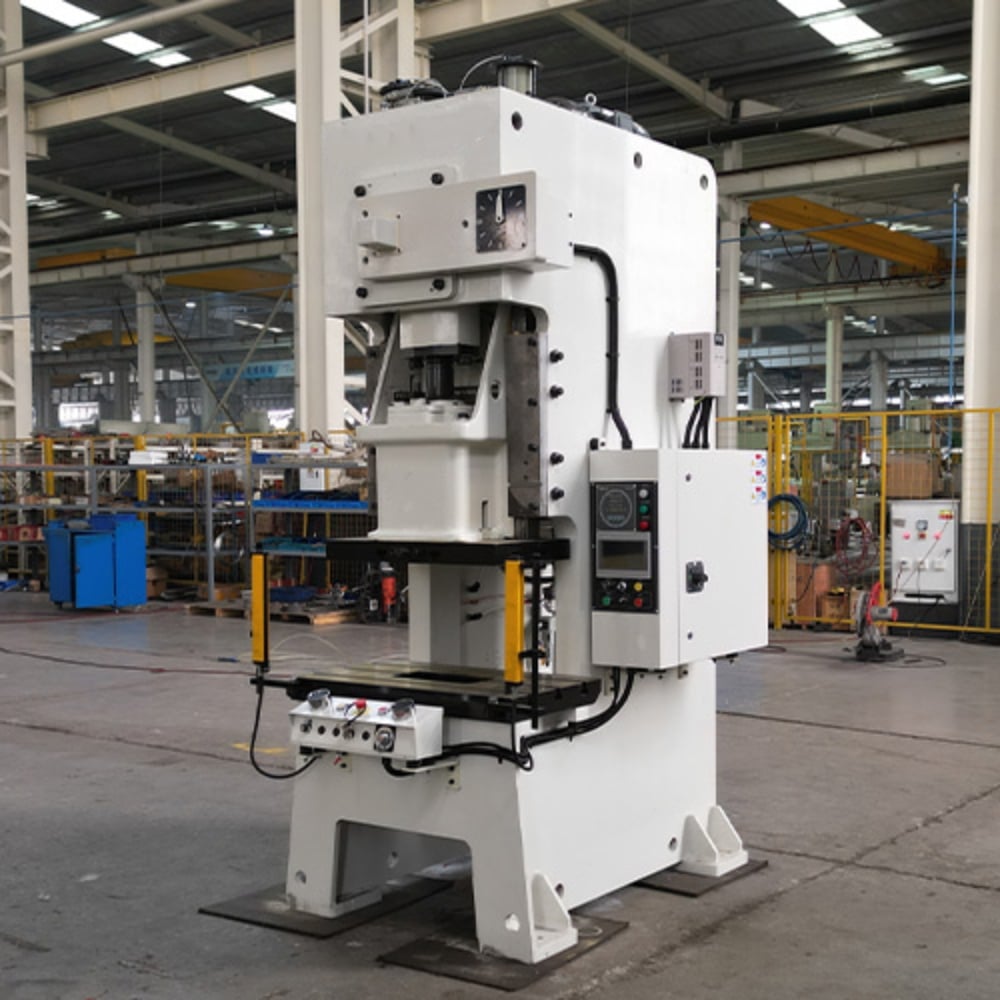
Finally, the stability of the machine itself cannot be overlooked. Vibrations, loose fasteners, or worn-out guide bushings can introduce micro-movements during the punching stroke. Even a fraction of a millimeter of movement can result in poor hole quality. Ensuring that your HARSLE punching machine is properly leveled, anchored, and lubricated is a fundamental aspect of shop floor management that directly impacts the quality of your finished parts.
Technical Details: Diagnosing Common Defects
When troubleshooting, it is helpful to categorize the defects you are seeing. A common issue is excessive burr height. If you notice a burr on the underside of the sheet, it is almost always a sign of excessive clearance or dull tooling. To diagnose this, first inspect the punch and die for signs of chipping or wear. If the tools are sharp, check your clearance settings against the material thickness. For most mild steel applications, the clearance should be approximately 10% to 15% of the material thickness per side. Adjusting this gap is often the quickest way to eliminate burrs.
Another frequent problem is material deformation or “dishing” around the hole. This occurs when the stripper plate does not exert enough pressure on the material during the punching process. The stripper plate’s job is to hold the material flat against the die while the punch retracts. If the stripper is not providing adequate force, the material will lift with the punch, causing it to bend or distort. Ensure that your stripper springs are not fatigued and that the stripper plate is properly aligned with the punch.
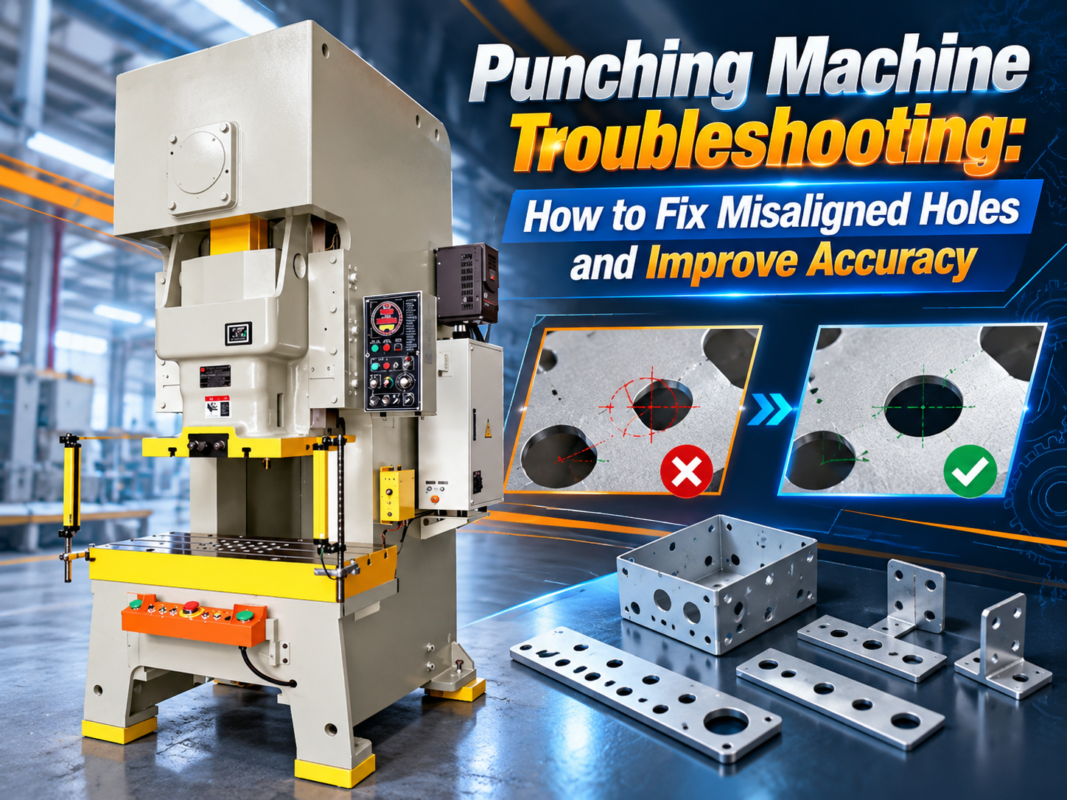
Hole misalignment is a more complex issue that often points to mechanical or programming errors. If holes are consistently off-center, check the machine’s coordinate system and the indexing accuracy of the turret. In CNC punching machines, the turret must be perfectly aligned with the punch axis. If the turret is slightly rotated or if the punch guide is worn, the punch will strike the die off-center, leading to uneven wear on the tool and poor hole geometry. Regular calibration of the CNC controller and mechanical inspection of the turret assembly are necessary to prevent these issues.
Slug pulling is another frustrating phenomenon where the punched-out material (the slug) is pulled back up through the die and onto the sheet surface. This can damage the sheet and the punch face. Slug pulling is often caused by a lack of proper die clearance or a buildup of debris in the die cavity. Using a die with a slight taper or ensuring that the die cavity is kept clean can help prevent slugs from sticking. Additionally, using a vacuum system or a slug-retention punch can significantly improve the reliability of your punching operation.
Selection Advice: Choosing the Right Equipment
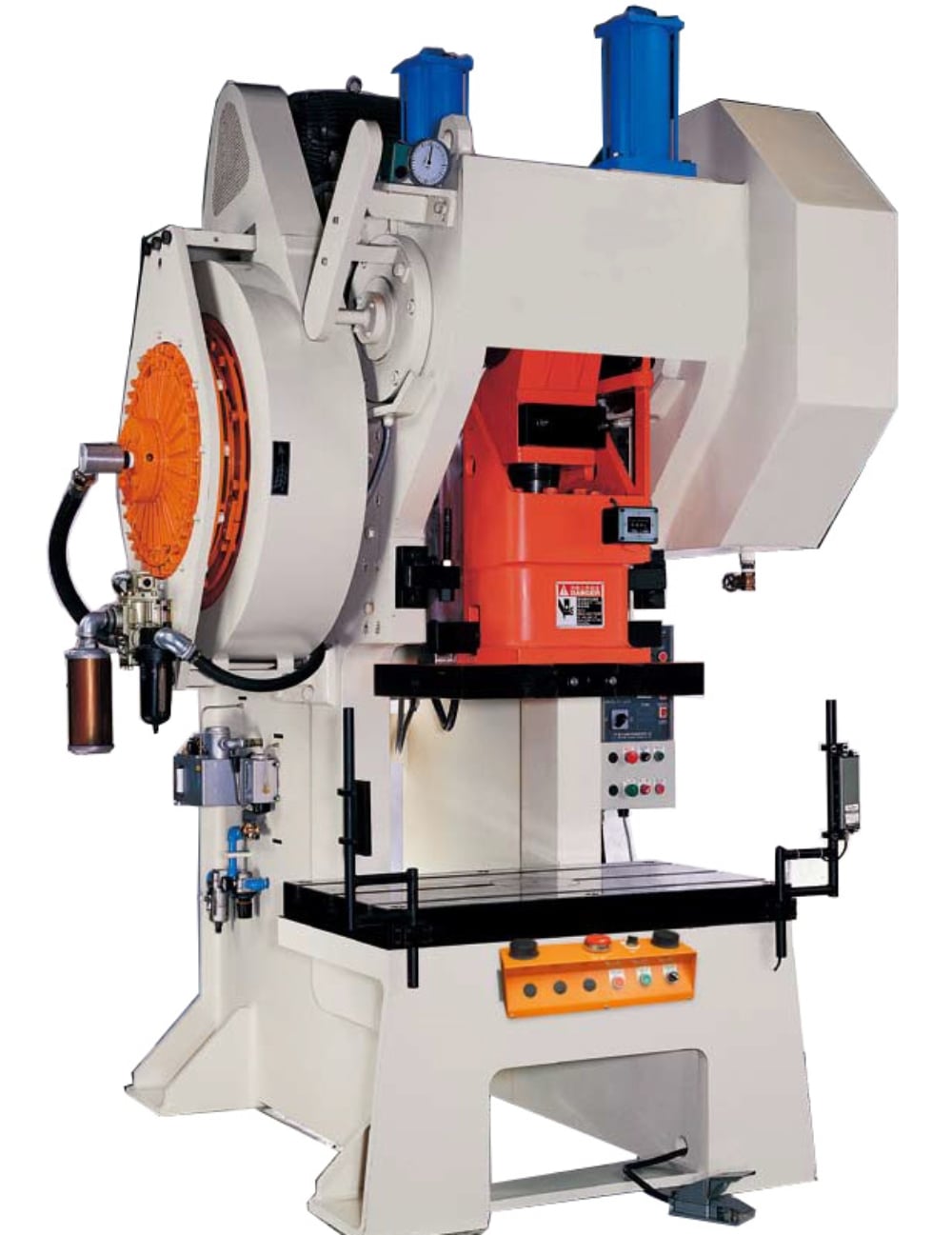
Selecting the right punching machine for your fabrication shop is a strategic decision that affects your long-term quality and productivity. When evaluating options, consider the tonnage capacity relative to your most demanding jobs. A machine that is constantly pushed to its maximum tonnage limit will experience premature wear and inconsistent performance. It is always better to have a machine with a 20-30% tonnage buffer to ensure smooth operation and longevity.
The type of punching technology—mechanical, hydraulic, or servo-electric—also dictates the quality of the output. Hydraulic punching machines are known for their robustness and ability to handle thick materials, while servo-electric machines offer superior precision, energy efficiency, and speed for thinner gauge materials. If your shop specializes in high-precision electronics or intricate sheet metal components, a servo-electric machine may be the better investment. If you are primarily working with heavy-duty structural steel, a hydraulic ironworker or turret punch is the standard.
Consider the flexibility of the tool changing system. In modern fabrication, downtime for tool changes is a major productivity killer. Machines with automatic tool changers (ATC) or multi-tool stations allow for faster transitions between jobs and reduce the risk of human error during setup. Furthermore, look for machines that offer advanced software integration. Modern HARSLE punching machines come equipped with intuitive control systems that allow for real-time monitoring of punching force and tool health, providing early warnings before a quality issue occurs.
Finally, evaluate the support and service network of the manufacturer. A punching machine is a long-term asset, and you need a partner who can provide spare parts, technical training, and remote troubleshooting support. HARSLE prides itself on offering comprehensive after-sales support, ensuring that your shop remains operational and that your team is equipped with the knowledge to maintain high-quality standards. When buying, always ask about the availability of local technicians and the ease of sourcing consumables like punches and dies.
FAQ: Troubleshooting Punching Quality
- Q: Why do my punches break prematurely?
A: Premature punch breakage is usually caused by excessive side loading, improper clearance, or punching material that exceeds the machine’s rated capacity. Ensure the punch is perfectly aligned and that the clearance is appropriate for the material thickness. - Q: How often should I sharpen my punching tools?
A: There is no fixed interval, as it depends on the material type and volume. However, you should inspect tools for signs of wear every 5,000 to 10,000 hits. If you notice an increase in burr height, it is time to sharpen. - Q: What is the best way to prevent material distortion?
A: Ensure your stripper plate is exerting sufficient pressure and that your clamping system is holding the sheet firmly. Also, consider using a smaller punch diameter if the material is thin to reduce the force required. - Q: Can lubrication improve punching quality?
A: Yes, using a high-quality lubricant reduces friction between the punch and the material, which extends tool life and results in a cleaner cut. It is especially important when punching stainless steel or thicker materials. - Q: How do I know if my die clearance is correct?
A: A simple test is to examine the cross-section of the punched hole. A clean shear zone should cover about one-third of the material thickness, with the rest being the fracture zone. If the fracture zone is too large, your clearance is likely too wide.
Conclusion
Achieving consistent, high-quality results in metal fabrication is a blend of science, maintenance, and operator expertise. By understanding what causes poor punching quality, you can transition from a reactive troubleshooting mindset to a proactive quality management approach. Whether it is adjusting die clearance, sharpening tools, or ensuring the machine is properly calibrated, every small detail contributes to the overall success of your fabrication shop.
HARSLE is committed to providing the machinery and knowledge necessary to help your shop thrive. We believe that when you invest in high-quality equipment, you are investing in the future of your business. By following the guidelines outlined in this troubleshooting guide, you can minimize waste, reduce downtime, and deliver superior products to your customers. Remember that the key to excellence is consistency—regular maintenance and a deep understanding of your machine’s capabilities are the hallmarks of a world-class fabrication facility.
If you continue to experience issues despite following these troubleshooting steps, do not hesitate to reach out to the HARSLE technical support team. We are here to help you optimize your production processes and ensure that your punching operations meet the highest industry standards. Thank you for choosing HARSLE as your partner in metal fabrication excellence.