Shearing Machine Lubrication Guide for Smooth Operation and Less Wear


The Critical Importance of Shearing Machine Maintenance
In the high-stakes environment of metal fabrication, the shearing machine serves as the backbone of production. Whether you are operating a guillotine shear or a swing beam model, the longevity and precision of your equipment depend entirely on the rigor of your maintenance protocols. Proper maintenance is not merely a chore; it is a strategic investment that prevents catastrophic downtime and ensures that every cut meets the exact tolerances required by your clients.
When we discuss the shearing machine lubrication guide for smooth operation and less wear, we are addressing the primary defense against friction—the silent killer of industrial machinery. Without adequate lubrication, the internal components of a shear, such as the blade guides, cylinders, and ram slides, experience accelerated degradation. This leads to increased heat, metal-on-metal contact, and eventually, structural failure that can cost thousands in repairs and lost production time.
HARSLE emphasizes that a well-lubricated machine is a high-performance machine. By adhering to a strict maintenance schedule, operators can ensure that the shearing force is distributed evenly across the blade, preventing uneven wear patterns that result in burrs or jagged edges on the finished workpiece. Furthermore, consistent lubrication helps in flushing out microscopic metal shavings and debris that inevitably accumulate during the cutting process.
Beyond the mechanical benefits, maintenance is a safety imperative. A machine that is properly lubricated operates with less vibration and noise, reducing the physical strain on operators and creating a more stable working environment. By prioritizing lubrication, you are not just protecting your assets; you are fostering a culture of operational excellence that distinguishes your facility from competitors who neglect the fundamental needs of their metal fabrication equipment.
Daily Inspection Protocols for Optimal Performance
Before the machine is powered up for the day, a systematic inspection is required. This daily ritual is the first line of defense in your shearing machine lubrication guide for smooth operation and less wear. Start by checking the hydraulic oil levels. If the oil level is below the indicator mark, the pump may cavitate, leading to erratic pressure and potential damage to the hydraulic seals. Always ensure the oil is clean and free of milky discoloration, which indicates water contamination.
Next, inspect the blade clearance. Even with perfect lubrication, if the blade gap is incorrectly set, the machine will experience excessive stress. Check the gap settings against the material thickness you intend to cut. A visual inspection of the blades themselves is also necessary; look for chips, cracks, or signs of dulling. A dull blade requires more force to cut, which in turn puts more pressure on the lubrication system and the machine frame.
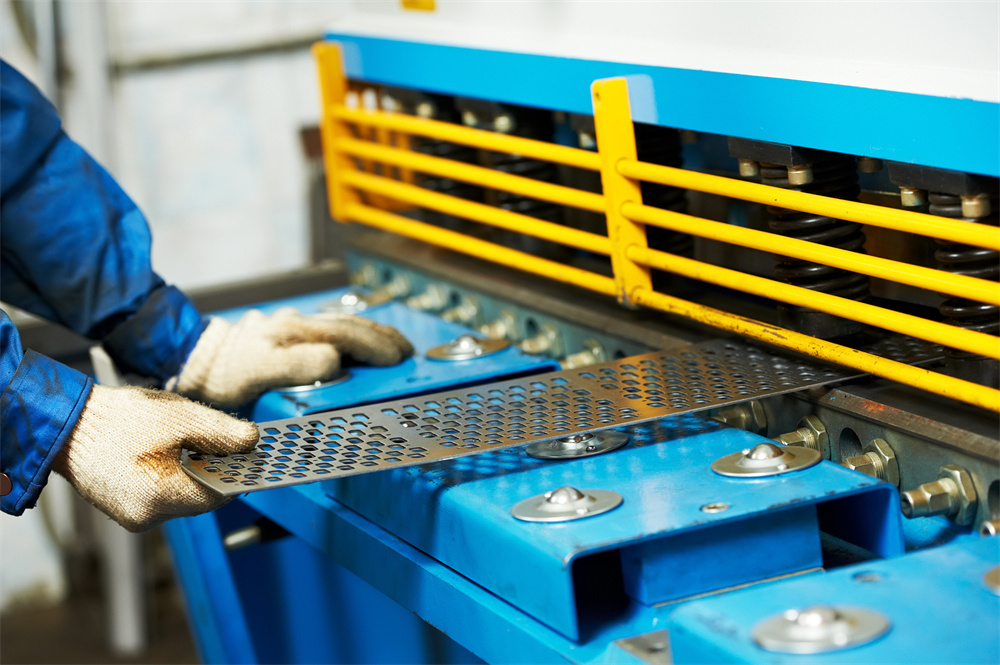
Examine the foot pedal and emergency stop buttons. These are the primary safety interfaces, and their functionality must be verified daily. Ensure that the backgauge moves smoothly along its axis without stuttering. If the backgauge movement is jerky, it is often a sign that the guide rails require cleaning and re-lubrication. A smooth-running backgauge is essential for the precision that HARSLE machines are known for.
Finally, perform a dry cycle of the machine. Listen for any unusual grinding, clicking, or high-pitched whining sounds. These auditory cues are often the first warnings of a lubrication point that has run dry or a bearing that is beginning to fail. By catching these issues early, you can apply grease or oil before permanent damage occurs, keeping your operation running at peak efficiency.
Hydraulic, Electrical, and Mechanical Checks
The hydraulic system is the heart of your shearing machine. It provides the immense force required to slice through thick steel plates. To maintain this system, you must monitor the hydraulic fluid temperature. Excessive heat breaks down the viscosity of the oil, rendering it ineffective as a lubricant. Ensure that the cooling fans or heat exchangers are free of dust and debris, as airflow is critical for maintaining optimal operating temperatures.
Electrical components, while not requiring lubrication, are vital for the control of the lubrication system. Check the control panel for any error codes related to pressure sensors or oil flow. Ensure that all electrical cabinets are sealed properly to prevent metal dust from entering, as conductive dust can cause short circuits in the PLC or motor drives. A clean electrical environment is just as important as a well-lubricated mechanical one.
Mechanical checks should focus on the ram and the blade holder. These components move under extreme load and require consistent lubrication at the sliding surfaces. Use the recommended grease specified in your HARSLE manual to ensure compatibility with the seals and bushings. Over-greasing can be just as harmful as under-greasing, as it can attract dust and create a grinding paste that accelerates wear.
Pay close attention to the drive chain or gear system if your machine uses one. These components require specialized lubricants that can withstand high pressure and shear forces. Check the tension of the drive belts or chains; a loose chain can cause vibration, which leads to uneven wear on the sprockets and bearings. Regular tensioning and lubrication are the keys to a long-lasting drive system.

Developing a Comprehensive Lubrication Plan
A successful shearing machine lubrication guide for smooth operation and less wear must be documented and followed religiously. Start by creating a lubrication map of your machine. Identify every grease nipple, oil reservoir, and sliding surface. Label these points clearly on the machine so that any operator can identify where maintenance is required. Use a color-coded system to indicate the frequency of lubrication for each point—daily, weekly, monthly, or annually.
Select the right lubricants. Not all greases are created equal. For high-load sliding surfaces, a lithium-based EP (Extreme Pressure) grease is often recommended. For hydraulic systems, use the viscosity grade specified by the manufacturer, typically ISO VG 32 or 46 depending on your climate. Never mix different types of lubricants, as this can cause chemical reactions that lead to sludge formation and clogged filters.
Establish a logbook. Every time a lubrication task is performed, it should be recorded with the date, the specific point serviced, the type of lubricant used, and the signature of the technician. This log is invaluable for troubleshooting. If a bearing fails, you can look back at the log to see if it was properly serviced, which helps in determining the root cause of the failure.
Finally, train your team. Lubrication is not just for the maintenance department; operators should be empowered to perform basic daily lubrication tasks. When operators take ownership of their machine’s health, the overall equipment effectiveness (OEE) increases significantly. HARSLE recommends quarterly training sessions to keep staff updated on the latest lubrication techniques and product recommendations.
Troubleshooting Signals: When to Act
Your machine will often tell you when it is unhappy. Recognizing these signals is a key part of the shearing machine lubrication guide for smooth operation and less wear. The most obvious sign is a change in the sound of the machine. A rhythmic thumping or a metallic screeching indicates that a bearing or a sliding surface is starved of lubricant. If you hear these sounds, stop the machine immediately and investigate.
Increased power consumption is another subtle indicator. If the motor is working harder than usual to complete a cut, it is likely due to increased friction in the ram guides or the hydraulic system. Monitor your ammeter readings; if you notice a consistent upward trend in power draw, it is time to perform a deep-clean and re-lubrication of the moving parts.
Check the quality of your cuts. If you notice that the cut edge is becoming inconsistent or that the blade is struggling to complete the stroke, it may be due to a lack of lubrication on the blade guides. When the ram does not move smoothly, the blade clearance changes dynamically during the cut, leading to poor edge quality and increased wear on the blade edges themselves.
Finally, look for leaks. A small puddle of oil under the machine is not just a housekeeping issue; it is a sign that a seal has failed or a fitting has loosened. Leaks lead to low oil levels, which in turn lead to inadequate lubrication. Always trace the source of the leak and repair it immediately rather than simply topping off the oil. Addressing the root cause is the only way to ensure long-term reliability.
Maintenance Schedule Table
| Component | Action | Frequency |
|---|---|---|
| Hydraulic Oil Level | Check and Top-up | Daily |
| Ram Sliding Surfaces | Apply Grease | Weekly |
| Blade Clearance Guides | Clean and Lubricate | Weekly |
| Hydraulic Filter | Inspect/Replace | Quarterly |
| Drive Chains/Gears | Lubricate | Monthly |
| Oil Reservoir | Full Change | Annually |
| Electrical Cabinet | Vacuum/Clean | Monthly |
Frequently Asked Questions (FAQ)
How often should I change the hydraulic oil in my shearing machine?
Generally, hydraulic oil should be changed every 2,000 to 4,000 operating hours or once a year, whichever comes first. However, if your environment is dusty or the machine is under heavy load, you should perform oil analysis to determine if the oil has degraded prematurely.
Can I use any grease for the sliding surfaces?
No. You must use the grease specified in your HARSLE manual. Using the wrong grease can cause the lubricant to break down under pressure or react with existing residues, leading to clogged lubrication channels and accelerated wear.
Why is my shearing machine making a screeching noise?
A screeching noise usually indicates metal-on-metal contact due to a lack of lubrication or a failed bearing. Stop the machine immediately, inspect the ram guides and bearings, and apply the appropriate lubricant. If the noise persists, contact a technician.
How does lubrication affect the precision of my cuts?
Proper lubrication ensures that the ram moves smoothly and consistently. If the ram sticks or moves jerkily, the blade clearance will fluctuate, resulting in inconsistent cut quality, burrs, and potential damage to the blades.
What should I do if I find metal shavings in the lubrication points?
Metal shavings indicate that something is wearing down abnormally. Clean the lubrication point thoroughly, inspect the surrounding components for damage, and check your blade clearance settings. If the problem continues, you may need to replace the affected bushings or guides.
Is it possible to over-lubricate a shearing machine?
Yes. Over-greasing can cause seals to blow out and can attract dust and debris, which creates an abrasive paste. Always follow the manufacturer’s guidelines regarding the amount of grease to apply to each point.