Global Press Brake Price Trends: What Buyers Should Know


Understanding Global Press Brake Price Trends: Buyers Should Know
In the rapidly evolving landscape of metal fabrication, understanding the economic forces shaping machinery costs is essential for any shop owner or procurement manager. Global press brake price trends are influenced by a complex interplay of raw material costs, technological advancements, and shifting manufacturing hubs. As businesses look to scale their operations, knowing how to interpret these trends is the first step toward making a sound capital investment.
The market for press brakes has transitioned from simple mechanical bending to highly sophisticated CNC-controlled systems. This evolution has not only increased the capabilities of these machines but has also introduced a wider spectrum of pricing. Whether you are looking for an entry-level hydraulic press brake or a high-speed electric servo system, the current market environment requires a strategic approach to procurement.
HARSLE remains committed to transparency in the metal fabrication industry. By analyzing global supply chains and manufacturing efficiencies, we provide this guide to help you navigate the current price volatility. Understanding these trends allows buyers to time their purchases effectively and select configurations that offer the best long-term value for their specific production needs.
Price Range Overview: From Entry-Level to Industrial Grade
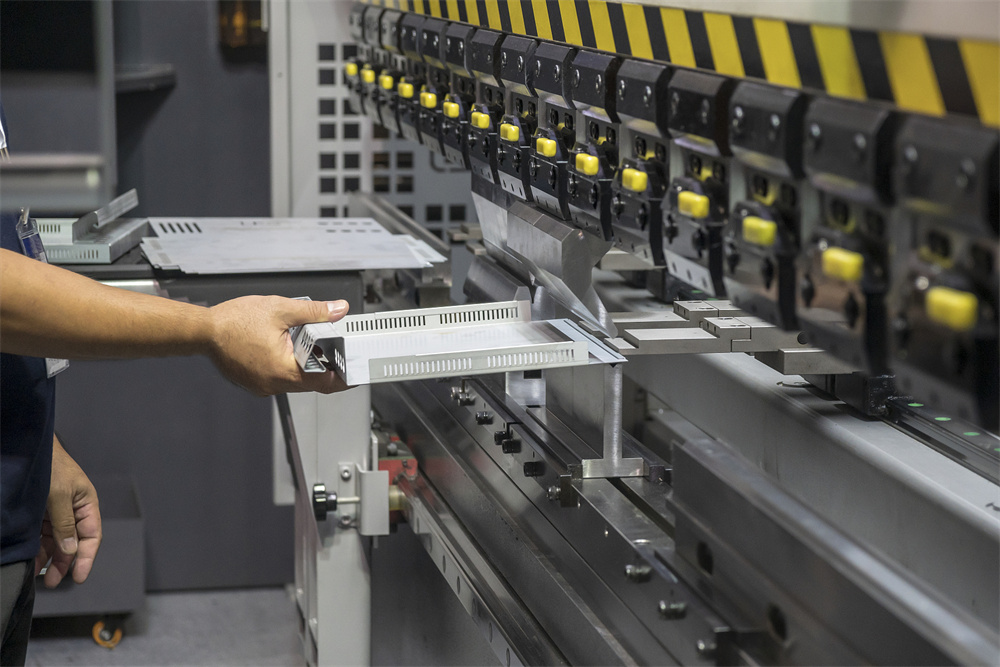
The pricing of press brakes is rarely a one-size-fits-all scenario. Generally, the market is segmented into three distinct tiers: entry-level, mid-range, and high-end industrial systems. Entry-level machines, often used for light-gauge fabrication or prototyping, typically range from $15,000 to $40,000. These machines prioritize simplicity and durability over advanced automation.
Mid-range press brakes, which represent the bulk of the market for job shops, usually fall between $45,000 and $120,000. These systems often feature multi-axis backgauges, advanced CNC controllers, and integrated safety systems. They are designed to handle a variety of materials and thicknesses, offering a balance between speed, precision, and cost-effectiveness.
High-end industrial press brakes, including large-tonnage tandem machines or high-speed electric servo models, can exceed $200,000 to $500,000. These machines are engineered for 24/7 production environments where throughput and extreme accuracy are non-negotiable. When evaluating these price ranges, buyers must consider not just the sticker price, but the total cost of ownership over the machine’s lifespan.
Main Cost Drivers in the Press Brake Market
Several factors dictate the price of a press brake, with raw material costs being the most significant. Steel prices, particularly for the heavy-duty frames required for high-tonnage bending, fluctuate based on global demand and trade policies. When steel prices rise, manufacturers are forced to adjust their pricing to maintain quality standards.
Technological integration is another major cost driver. The shift toward Industry 4.0 has made CNC controllers, remote diagnostics, and IoT connectivity standard requirements for many shops. Developing and integrating this software adds significant value to the machine, but it also increases the initial investment cost compared to older, manual-control models.
Labor and manufacturing location also play a pivotal role. While machines manufactured in regions with lower labor costs may appear cheaper, buyers must weigh this against the quality of components used, such as hydraulic valves, electrical sensors, and structural steel. HARSLE emphasizes the use of premium components to ensure that the initial investment translates into years of reliable, low-maintenance operation.
Configuration Impact: Customization and Its Effect on Price
The configuration of a press brake is the primary lever a buyer has to control costs. A standard machine with a basic 2-axis backgauge will always be more affordable than a machine equipped with a 6-axis or 8-axis backgauge. However, the added cost of extra axes often pays for itself through reduced setup times and increased part complexity capabilities.
Tooling is another critical configuration factor. The type of punch and die set—whether standard V-dies or specialized segmented tooling—can significantly impact the final price. Investing in high-quality, hardened tooling might increase the upfront cost, but it prevents premature wear and ensures consistent bending angles, which is vital for high-volume production.
Safety features are non-negotiable but also impact the budget. Laser light curtains, safety mats, and advanced hydraulic pressure monitoring systems are essential for operator protection. While these features add to the price, they are critical for compliance with international safety standards and for reducing insurance premiums and workplace accidents.
Hidden Costs: Beyond the Sticker Price
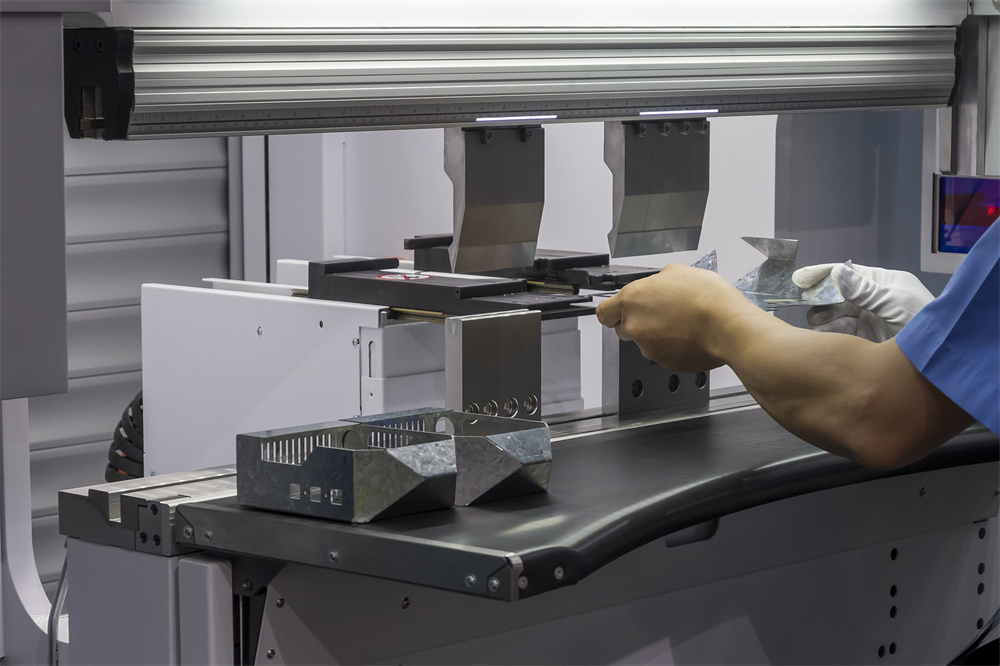
When analyzing global press brake price trends, buyers often overlook the “hidden” costs associated with installation and commissioning. Shipping heavy machinery across borders involves complex logistics, customs duties, and insurance. These costs can add 5% to 15% to the total purchase price depending on the destination.
Installation and training are also frequently underestimated. A press brake is a sophisticated piece of equipment that requires professional calibration and operator training to reach its full potential. Failing to account for these services can lead to inefficient production cycles and potential damage to the machine during the initial setup phase.
Maintenance and spare parts represent long-term costs that must be factored into the budget. A machine that is cheap to buy but expensive to repair is a poor investment. Buyers should look for manufacturers that provide comprehensive support, readily available spare parts, and clear maintenance schedules to ensure the machine remains operational for years to come.
ROI Calculation: Making the Business Case
Calculating the Return on Investment (ROI) for a press brake requires looking at more than just the purchase price. You must consider the increase in production speed, the reduction in scrap rates, and the ability to take on more complex projects. A modern CNC press brake can reduce setup time by up to 50% compared to older manual machines.
To calculate your ROI, start by determining the hourly rate of your current bending process. Then, estimate the hourly rate of the new machine, factoring in energy efficiency, reduced labor requirements, and higher throughput. The difference in these rates, multiplied by the annual operating hours, provides the annual savings generated by the new equipment.
Don’t forget to include the tax benefits of capital equipment investment, such as depreciation allowances. In many regions, government incentives for manufacturing upgrades can significantly lower the effective cost of the machine. By presenting a clear ROI analysis to stakeholders, you can justify the investment in higher-quality, more expensive equipment that will serve your business better in the long run.
Buying Advice: Strategies for Procurement
The most important piece of advice for any buyer is to define your production requirements before looking at prices. Are you bending thin sheet metal for electronics, or thick plate for heavy construction? Knowing your material thickness, bend length, and required precision will help you avoid over-specifying or under-specifying your machine.
Always request a demonstration or a video of the machine performing tasks similar to your own. This allows you to assess the speed, noise level, and ease of use of the controller. Furthermore, check the manufacturer’s reputation for after-sales support. A press brake is a long-term partner in your business; you need a manufacturer that stands behind their product.
Finally, consider the timing of your purchase. Global trade cycles can lead to periods of price stability or volatility. If you have a long-term expansion plan, working with a reputable manufacturer like HARSLE to lock in pricing or plan your purchase around production cycles can save you significant capital. Always prioritize value and reliability over the lowest possible price tag.
FAQ: Frequently Asked Questions
- Q: How often should I perform maintenance on my press brake?
A: Routine maintenance should be performed every 500 to 1,000 operating hours. This includes checking hydraulic fluid levels, inspecting seals, and cleaning the backgauge assembly. - Q: Is an electric press brake worth the extra cost?
A: Electric press brakes offer higher energy efficiency and faster cycle times. If your shop focuses on high-volume, thin-gauge production, the ROI is often much faster than a traditional hydraulic machine. - Q: What is the most important feature to look for in a CNC controller?
A: Look for a controller that offers intuitive programming, 3D simulation capabilities, and easy integration with offline programming software to minimize downtime. - Q: How do I determine the required tonnage for my press brake?
A: Tonnage is determined by the material thickness, the length of the bend, and the V-die opening. Consult a tonnage chart or speak with a HARSLE representative to ensure you select the correct capacity. - Q: Can I upgrade my press brake later?
A: While some features like backgauge axes can be upgraded, the frame and tonnage are fixed. It is always better to buy a machine with slightly more capacity than you currently need to accommodate future growth.