
Press Brake Tooling and Accessories Price Guide for Better Budget Planning


Price Range Overview: Understanding the Investment Landscape
For metal fabrication shops, the press brake is the heart of the production floor, but its true potential is unlocked only through high-quality tooling. When approaching a Press Brake Tooling Accessories Price Better Budget Planning strategy, it is essential to categorize your investment into tiers. Entry-level, standard-grade tooling typically ranges from $500 to $2,000 for basic sets, suitable for light-gauge, low-volume work. Moving into mid-range, hardened, and precision-ground tooling, you can expect to invest between $3,000 and $8,000, which offers the durability required for daily, multi-shift operations.
High-end, specialized tooling—such as custom-profile punches, segmented dies, and hardened-and-ground European-style tooling—can easily exceed $15,000 per set. These costs are not merely expenses; they are capital investments in precision and repeatability. Understanding these price brackets allows shop managers to align their purchasing decisions with their specific project requirements, avoiding the common pitfall of over-specifying for simple jobs or under-specifying for high-tolerance aerospace or automotive components.
Market volatility in steel prices and heat-treatment energy costs significantly influence these ranges. When planning your budget, it is prudent to add a 10-15% buffer for raw material surcharges. Furthermore, the transition from manual clamping systems to hydraulic or pneumatic quick-change systems adds a distinct layer of cost, often ranging from $2,000 to $10,000 depending on the length of the press brake bed and the level of automation required.
Ultimately, the price of press brake tooling is a reflection of the material grade (e.g., 42CrMo4 vs. standard carbon steel), the precision of the grinding process, and the surface treatment (such as nitriding or induction hardening). By mapping out your annual production volume against these price tiers, you can create a sustainable procurement schedule that keeps your HARSLE machinery running at peak efficiency without straining your cash flow.
Main Cost Drivers: What You Are Actually Paying For
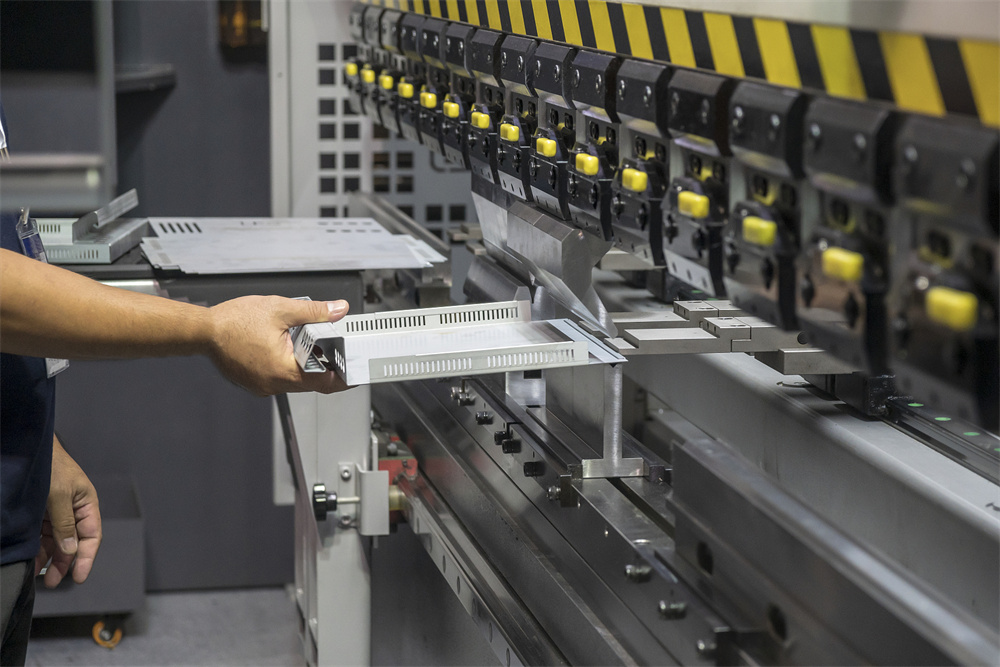
The primary driver behind the Press Brake Tooling Accessories Price Better Budget Planning is the metallurgical composition of the tools. High-performance tooling is typically manufactured from high-tensile alloy steel. The process of induction hardening—where the working surfaces are heated and quenched to achieve high Rockwell hardness (typically 50-60 HRC)—is a labor-intensive and energy-consuming process that directly inflates the unit price. Cheaper alternatives often skip this step, leading to rapid wear and deformation under load.
Precision grinding is the second major cost factor. Tooling that is ground to a tolerance of ±0.01mm ensures that the bend angle remains consistent across the entire length of the part. This level of accuracy requires advanced CNC grinding machinery and rigorous quality control protocols. When you pay for premium tooling, you are paying for the elimination of shimming, reduced setup times, and the ability to achieve perfect bend angles on the first attempt, which significantly lowers your scrap rate.
Surface treatments represent a third critical cost driver. Nitriding, chrome plating, or specialized anti-corrosion coatings are applied to extend the tool’s lifespan and reduce friction during the bending process. While these treatments increase the initial purchase price, they drastically reduce the total cost of ownership by extending the interval between regrinding or replacement. For shops handling stainless steel or aluminum, these coatings are essential to prevent galling and surface marking.
Finally, the complexity of the tool geometry dictates the price. Standard V-dies and gooseneck punches are mass-produced and relatively affordable. However, complex multi-radius tools, hemming tools, or custom-designed profiles require custom engineering and specialized machining. When budgeting, always prioritize standard tooling for 80% of your work and reserve the high-cost custom tooling for the specific, high-value projects that justify the expense.
Configuration Impact: How Setup Choices Affect Your Bottom Line
The configuration of your press brake tooling system is a massive variable in your budget. A manual clamping system is the most cost-effective entry point, but it significantly increases setup time, which is a hidden labor cost. If your shop performs multiple job changes per day, the labor cost of manual clamping will quickly exceed the initial savings of the cheaper hardware. Investing in hydraulic or pneumatic clamping systems, while more expensive upfront, drastically reduces downtime and improves operator safety.
Segmented tooling is another configuration choice that impacts your budget. While full-length tooling is cheaper, segmented tooling allows for the creation of box shapes and complex geometries that would be impossible with solid bars. Segmented sets offer greater flexibility, allowing you to build specific tool lengths to match the width of your parts. This modularity reduces the need to purchase a wide variety of fixed-length tools, ultimately saving money in the long run.
The choice between European-style (Amada/Promecam) and American-style tooling also dictates your budget path. European-style tooling is generally more expensive but offers superior versatility and a wider range of accessories, such as quick-change holders and laser-alignment systems. American-style tooling is often more robust for heavy-duty, thick-plate bending but may lack the precision-alignment features found in European systems. Choosing a standard that aligns with your existing inventory is crucial to avoid redundant costs.
Consider the integration of crowning systems as part of your configuration budget. A manual crowning system is a cost-effective way to compensate for bed deflection, but an automated, CNC-controlled crowning system is essential for high-precision, long-part bending. Integrating this into your initial press brake purchase or tooling upgrade plan is far more cost-effective than attempting to retrofit such systems later. Always evaluate your configuration based on your average part length and material thickness to ensure you aren’t paying for features you don’t need.
Hidden Costs: Beyond the Sticker Price
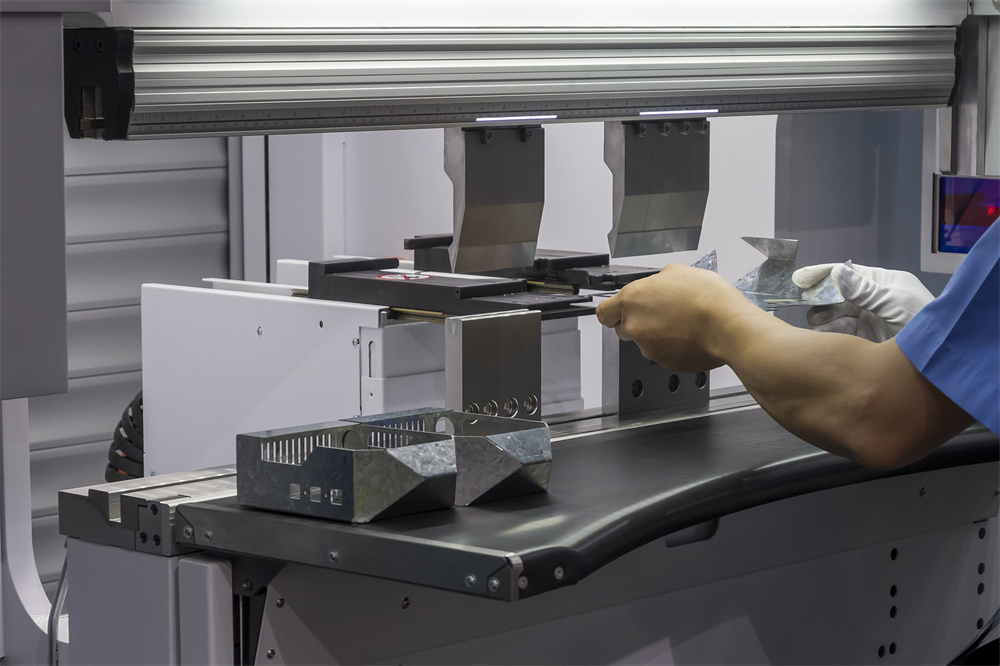
When executing a Press Brake Tooling Accessories Price Better Budget Planning strategy, many shops fail to account for the “hidden” costs of maintenance and logistics. Tooling is not a “set it and forget it” asset. Regular maintenance, including cleaning, lubrication, and periodic regrinding, is required to maintain accuracy. If you do not have an in-house tool room, you will need to budget for third-party grinding services, which can cost hundreds of dollars per tool set annually.
Storage and organization are often overlooked. High-quality tooling is heavy and prone to damage if stored improperly. Investing in robust, dedicated tooling cabinets or wall-mounted racks is a necessary expense to protect your investment. Damaged tools lead to inconsistent bends, which in turn leads to rejected parts—a cost that is far higher than the price of a proper storage rack. Furthermore, consider the cost of training your operators; improperly used tools are the leading cause of premature tool failure.
Shipping and lead times are also significant factors. Specialized tooling often comes from international manufacturers, and shipping heavy steel components can be expensive. If a critical tool breaks and you do not have a backup, the cost of machine downtime can reach thousands of dollars per hour. Therefore, your budget should include a contingency fund for emergency tooling replacement and a small inventory of high-wear spare parts.
Finally, consider the cost of software and simulation. Modern press brake operations often use offline programming software to simulate bends before the metal ever hits the machine. This software helps identify potential collisions and ensures that the tooling selected is appropriate for the job. While this is an upfront software cost, it prevents the “trial and error” approach that wastes material and damages expensive tooling, making it a vital component of your overall budget planning.
ROI Calculation: Justifying the Investment
To justify your Press Brake Tooling Accessories Price Better Budget Planning, you must look at the Return on Investment (ROI) through the lens of productivity and scrap reduction. A high-quality tool set that costs $5,000 might seem expensive compared to a $2,000 set, but if the premium set reduces your setup time by 30 minutes per day and reduces your scrap rate by 2%, the ROI is realized within months. Calculate your hourly shop rate and multiply it by the time saved to see the immediate impact on your bottom line.
Consider the “cost of quality.” If your customers require tight tolerances, using inferior tooling will lead to constant re-work or, worse, lost contracts. By investing in precision-ground, hardened tooling, you ensure that every part meets the specification, which enhances your reputation and allows you to charge a premium for your services. The ability to handle complex, high-margin jobs is a direct result of having the right tooling in your inventory.
Another way to calculate ROI is through tool longevity. A premium tool set might last 5 to 10 years with proper care, whereas a budget set might need replacement every 18 to 24 months. When you amortize the cost over the lifespan of the tool, the premium option is almost always the more economical choice. Use a simple spreadsheet to track the cost per bend over the life of the tool to demonstrate this value to stakeholders.
Finally, factor in the energy and material savings. Precision tooling allows for more accurate bending, which means you can use thinner, less expensive material while still achieving the required structural integrity. Furthermore, efficient bending processes reduce the amount of time the hydraulic pump is running at full load, leading to minor but measurable energy savings. When you aggregate these factors, the investment in high-quality tooling becomes a clear driver of profitability.
Buying Advice: Strategic Procurement Tips
When you are ready to purchase, start by conducting a thorough audit of your current production. Identify the top 20% of your parts that account for 80% of your revenue. Focus your high-end tooling budget on these parts. For the remaining 80% of your production, which may be simpler or lower-volume, you can afford to use standard, more cost-effective tooling. This tiered approach ensures that your budget is allocated where it provides the most significant impact.
Always request technical specifications and material certifications from your supplier. Ensure that the tooling is compatible with your HARSLE press brake’s clamping system. If you are unsure, consult with the manufacturer or a certified dealer. They can provide guidance on the best tooling profiles for your specific material types and thicknesses, preventing the costly mistake of purchasing incompatible equipment.
Consider purchasing tooling in sets or kits. Many manufacturers offer discounted bundles that include a variety of common punch and die profiles, along with storage solutions. These bundles are often more cost-effective than purchasing individual tools and ensure that you have a versatile range of options for different bending tasks. Additionally, look for suppliers who offer long-term support, such as regrinding services or technical advice, as this adds value beyond the initial sale.
Finally, don’t be afraid to ask for a demo or a trial. If you are investing in a significant amount of custom tooling, a reputable supplier should be willing to provide samples or simulation data to prove that the tooling will perform as expected. Building a relationship with a reliable supplier is just as important as the tooling itself. A good partner will help you navigate the complexities of Press Brake Tooling Accessories Price Better Budget Planning and ensure that your shop remains competitive in an ever-evolving market.
FAQ: Common Questions About Press Brake Tooling
- How often should I replace my press brake tooling? Replacement frequency depends on usage, material type, and maintenance. With proper care, high-quality hardened tooling can last for years. Look for signs of wear such as rounding of the punch tip or chipping in the die radius.
- Can I use different brands of tooling on my HARSLE press brake? Yes, as long as the tooling style (e.g., European or American) matches your machine’s clamping system. Always verify dimensions and load ratings before mixing brands.
- Is it worth buying used tooling? Used tooling can be a budget-friendly option for simple, low-tolerance jobs. However, for precision work, it is risky, as you cannot always verify the wear history or the accuracy of the ground surfaces.
- What is the difference between induction hardening and through hardening? Induction hardening hardens only the working surface, leaving the core tough and resilient. Through hardening makes the entire tool hard, which can sometimes make it more brittle and prone to cracking under high impact.
- How do I prevent my tooling from rusting? Keep your tooling in a climate-controlled environment and apply a light coat of rust-preventative oil after each use. Avoid storing tools in damp areas or near chemical vapors.












