
Punching Machine Troubleshooting: How to Fix Uneven Hole Alignment


Introduction to Punching Machine Precision
In the high-stakes world of metal fabrication, precision is the currency of success. When your production line encounters issues with hole placement, the entire workflow grinds to a halt. Punching Machine Troubleshooting: Fix Uneven Hole Alignment is a critical skill for any operator or maintenance technician working with HARSLE equipment. Uneven hole alignment not only leads to wasted material and increased scrap rates but can also compromise the structural integrity of the final product.
Understanding why holes drift or misalign requires a deep dive into the mechanical and software-driven components of your punching machine. Whether you are operating a high-speed CNC turret punch or a traditional hydraulic punching machine, the principles of alignment remain rooted in mechanical stability, tool health, and calibration accuracy. This guide serves as a comprehensive resource to help you diagnose, isolate, and rectify alignment issues effectively.
At HARSLE, we emphasize that proactive maintenance is the best defense against alignment drift. However, when problems do arise, having a systematic approach to troubleshooting ensures that you spend less time diagnosing and more time producing high-quality parts. By following the steps outlined in this guide, you can restore your machine to its original factory-grade precision.
This article will explore the common culprits behind uneven hole alignment, ranging from worn-out guide pins to software synchronization errors. We will provide actionable technical advice that operators can implement immediately, alongside long-term maintenance strategies to prevent future occurrences. Let’s dive into the technical intricacies of maintaining perfect hole alignment.
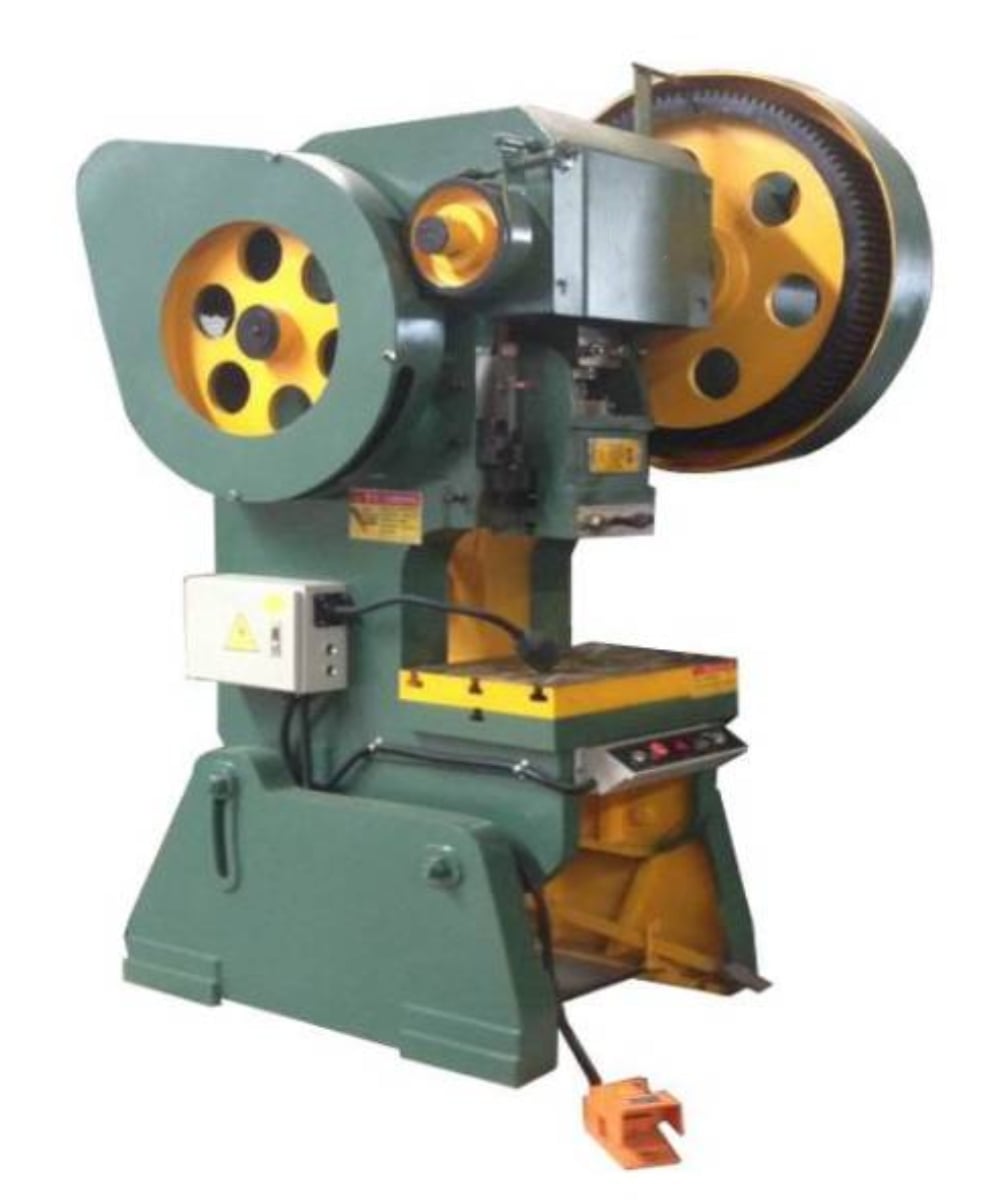
Key Considerations for Punching Accuracy
Before diving into complex mechanical repairs, it is essential to evaluate the environmental and operational factors that influence punching accuracy. Often, the root cause of uneven hole alignment is not a catastrophic failure but a subtle deviation in the machine’s setup or the material handling process. The first step in Punching Machine Troubleshooting: Fix Uneven Hole Alignment is to verify the stability of the machine base and the material clamping system.
Material slippage is perhaps the most common cause of alignment errors. If the clamps are not exerting uniform pressure, or if the sheet metal is not perfectly flush against the machine bed, the material will shift during the punching cycle. This shift, even if microscopic, results in holes that are off-center or skewed across the length of the sheet. Always inspect your hydraulic clamps and pneumatic grippers for signs of wear or improper pressure settings.
Another key consideration is the thermal expansion of the machine and the material. In industrial environments where temperatures fluctuate, the metal frame of the punching machine can expand or contract, affecting the coordinate system. Similarly, if the sheet metal has internal stresses, it may warp during the punching process. Ensuring a climate-controlled environment and using stress-relieved materials can significantly improve your alignment consistency.
Finally, consider the role of the operator in the setup process. Are the zero-point coordinates correctly calibrated? Is the program offset correctly for the specific tool being used? Often, a simple re-homing of the machine axes can resolve alignment issues that appear to be mechanical in nature. Always start your troubleshooting process by verifying the software-to-hardware synchronization before dismantling any mechanical components.
Technical Details: Diagnosing Mechanical Misalignment
When environmental factors are ruled out, the focus must shift to the mechanical components of the punching machine. The turret, the punch guide, and the drive system are the primary areas where mechanical wear manifests as alignment errors. Punching Machine Troubleshooting: Fix Uneven Hole Alignment requires a methodical inspection of these high-wear zones.
The turret alignment is the heart of your punching machine. If the turret is slightly out of index, the punch will not enter the die perfectly centered. This creates uneven shear forces, which can cause the punch to deflect, leading to elongated or misaligned holes. Check the turret locking pins and the index drive mechanism for any signs of backlash or play. Even a few microns of movement in the turret can translate into significant errors on the workpiece.
The punch and die clearance is another critical technical detail. If the clearance between the punch and the die is inconsistent, the material will be pulled toward the side with the tighter clearance. This “pulling” effect is a classic symptom of uneven hole alignment. Ensure that your tooling is sharp and that the clearance is set according to the material thickness and type. Using dull tooling increases the force required to punch, which puts unnecessary stress on the machine frame and contributes to alignment drift.
Drive system backlash is a common issue in older machines. The lead screws, ball screws, and rack-and-pinion systems that move the sheet metal must be free of excessive play. If the drive system has backlash, the machine may “overshoot” or “undershoot” its target coordinate. Regularly lubricate these components and check for wear in the bearings. If you notice a pattern in the alignment error—such as errors occurring only when the machine changes direction—backlash is likely the culprit.
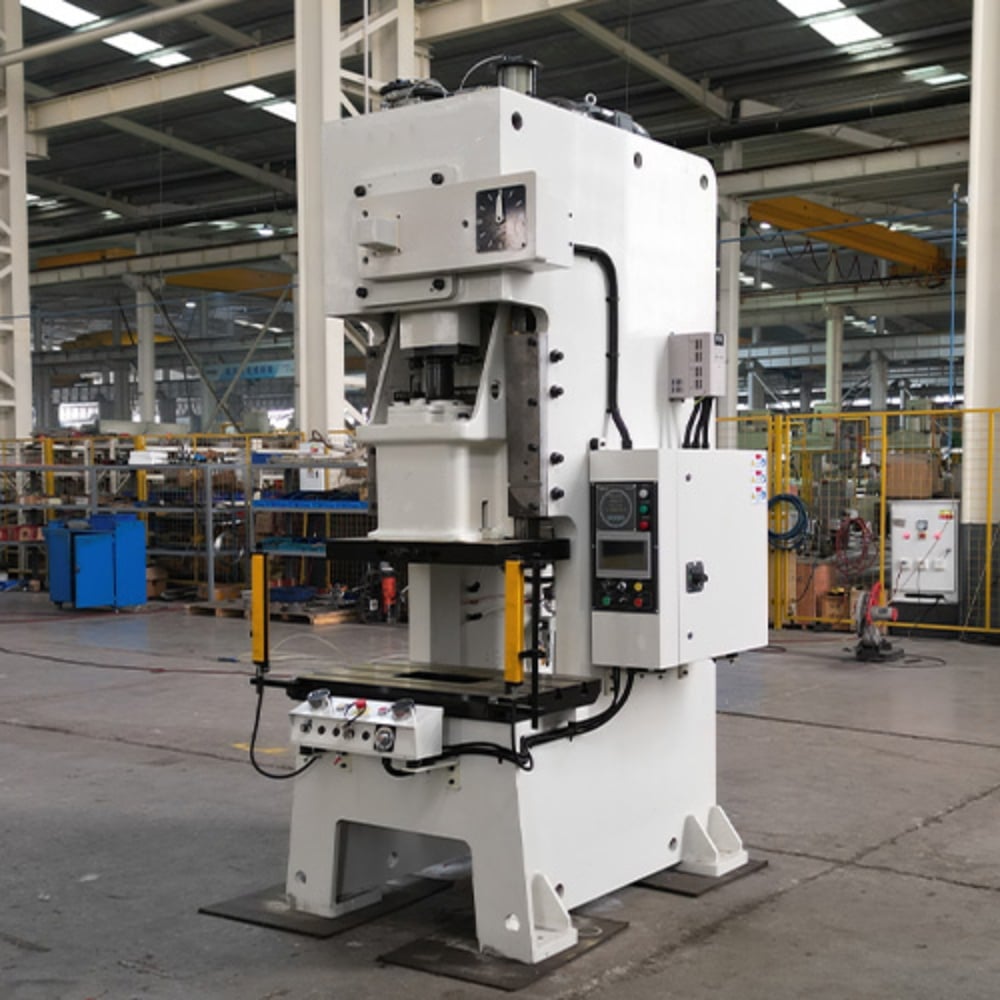
Tooling Maintenance and Alignment
Tooling is the most frequently replaced component in a punching machine, and it is also the most common source of alignment issues. When a punch becomes chipped or a die becomes worn, the cutting action is no longer uniform. This lack of uniformity causes the punch to wander, resulting in holes that are not perfectly circular or are misaligned with the intended center point.
To troubleshoot this, remove the punch and die set and inspect them under a magnifying glass. Look for uneven wear patterns on the cutting edges. If the wear is concentrated on one side, it indicates that the punch is not entering the die squarely. This could be due to a bent punch holder or a misaligned die shoe. Replacing the tooling is the immediate fix, but identifying the cause of the uneven wear is necessary to prevent it from happening again.
Furthermore, consider the lubrication of the tooling. Friction between the punch and the material can cause the material to stick to the punch, which pulls the sheet out of alignment during the stripping phase. Using high-quality punching oil or a specialized lubricant can reduce this friction and ensure that the punch retracts cleanly without disturbing the sheet metal position.
Selection Advice: Choosing the Right Equipment
When selecting a punching machine, the potential for alignment issues should be a primary consideration. Not all machines are built with the same level of rigidity and precision. For high-volume production where alignment is critical, investing in a machine with a robust, stress-relieved frame and high-precision drive systems is essential. HARSLE offers a range of punching machines designed to minimize mechanical deflection and maximize accuracy.
Look for machines that feature automatic tool lubrication and advanced turret indexing systems. These features reduce the variables that lead to alignment errors. Additionally, consider the control system. A modern CNC controller with advanced compensation algorithms can automatically adjust for minor mechanical deviations, ensuring that your hole alignment remains perfect even as the machine ages.
When evaluating a machine, ask about the repeatability specifications. Repeatability is a measure of how consistently the machine can return to the same coordinate. A machine with high repeatability is much easier to maintain and troubleshoot. If you are working with thin, delicate materials, look for machines with adjustable clamping pressure to prevent material deformation, which is a common cause of perceived alignment errors.
Finally, consider the availability of spare parts and technical support. Even the best machines require maintenance. Choosing a manufacturer like HARSLE, which provides comprehensive support and readily available replacement parts, ensures that when you do encounter alignment issues, you have the resources to fix them quickly and effectively. A machine is only as good as the support behind it.
Frequently Asked Questions (FAQ)
- Q: How often should I check my punching machine for alignment?
A: We recommend a daily check of the clamping system and a weekly check of the turret indexing and tool clearance. A full calibration should be performed every 6 months or after any major maintenance. - Q: Can software updates fix my hole alignment issues?
A: Software updates can improve the machine’s compensation logic, but they cannot fix mechanical wear. Always address mechanical issues first, then use software to fine-tune the results. - Q: Why are my holes oval-shaped instead of round?
A: This is usually caused by the sheet metal moving during the punching process or by excessive clearance between the punch and the die. Check your clamps and your tooling condition. - Q: Is it possible to fix backlash in an older machine?
A: Yes, many CNC controllers allow for backlash compensation settings. However, if the mechanical wear is severe, you may need to replace the ball screws or bearings. - Q: Does material thickness affect alignment?
A: Yes, thicker materials require more force, which increases the stress on the machine frame. Ensure your machine is rated for the thickness of the material you are processing.
Conclusion: Maintaining Long-Term Precision
Punching Machine Troubleshooting: Fix Uneven Hole Alignment is an ongoing process of observation, maintenance, and technical refinement. By understanding the mechanical and operational factors that influence your machine’s performance, you can ensure that your production remains accurate and efficient. Remember that the goal is not just to fix the problem when it occurs, but to create a maintenance culture that prevents these issues from arising in the first place.
At HARSLE, we are committed to providing the tools and knowledge necessary for your success in metal fabrication. Whether you are performing routine maintenance or troubleshooting a complex alignment error, the principles outlined in this guide will help you maintain the high standards your customers expect. Keep your tooling sharp, your clamps secure, and your machine calibrated, and you will enjoy years of reliable, precise performance.
If you find that you are still struggling with alignment issues after following these steps, do not hesitate to reach out to our technical support team. Sometimes, a fresh pair of eyes or a professional diagnostic check is all that is needed to get your production back on track. Precision is a journey, and we are here to support you every step of the way.












