
Punching Machine Safety Sensor Problems: Troubleshooting Alarm Failures


Introduction to Punching Machine Safety Systems
In the high-stakes environment of metal fabrication, the punching machine stands as a cornerstone of productivity. However, the complexity of modern CNC punching machines brings a reliance on sophisticated safety sensor arrays. When these systems fail, they trigger alarm states that halt production, leading to significant downtime. Understanding Punching Machine Safety Sensor Problems: Troubleshooting Alarm Failures is not just a maintenance task; it is a critical operational requirement for any facility utilizing HARSLE equipment.
Safety sensors, including light curtains, laser scanners, and interlock switches, are designed to protect operators from the high-force movements of the ram and turret. When an alarm occurs, the machine’s PLC (Programmable Logic Controller) enters a fail-safe mode, preventing any further operation until the fault is cleared. This article serves as a comprehensive guide to identifying, diagnosing, and resolving these sensor-related interruptions.
The primary objective of these safety systems is to ensure that no human body part enters the danger zone during a cycle. When a sensor reports a fault, it is often a sign of either a genuine safety breach, a hardware malfunction, or an electrical interference issue. By systematically addressing these alarms, maintenance teams can restore functionality while maintaining the highest standards of workplace safety.
HARSLE emphasizes that safety should never be bypassed. Troubleshooting must always be performed with the machine in a controlled state, ensuring that power is managed according to lockout/tagout (LOTO) procedures. This guide will walk you through the technical nuances of sensor diagnostics, helping you minimize downtime and maximize the longevity of your metal fabrication equipment.
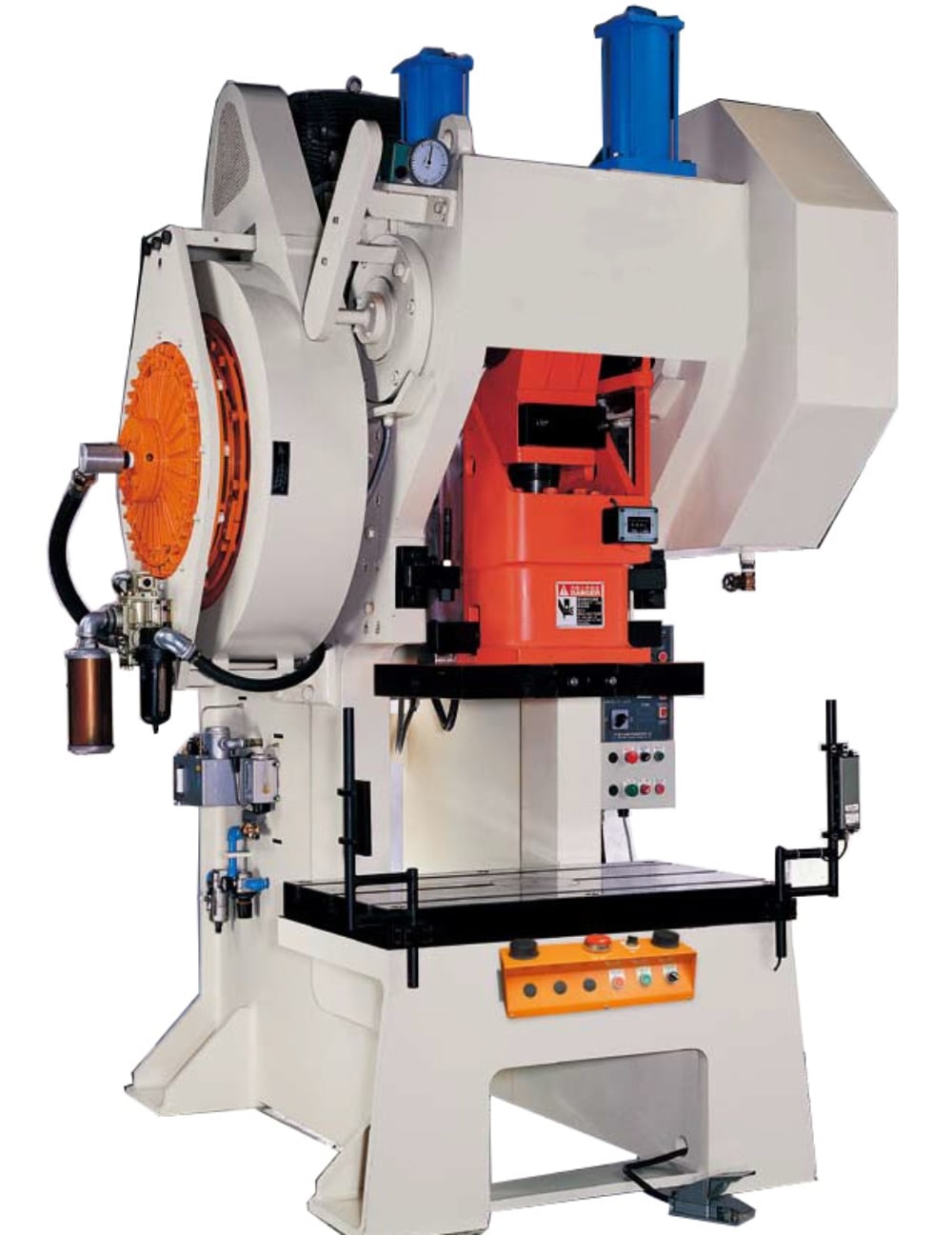
Key Considerations for Safety Sensor Integrity
Before diving into complex electrical diagnostics, it is essential to consider the environmental factors that contribute to sensor failure. Punching machines operate in environments filled with metallic dust, vibration, and fluctuating temperatures. These conditions are the primary enemies of sensitive optical and mechanical safety components.
Alignment is the most common culprit in light curtain failures. Over time, the heavy vibrations generated by the punching process can cause the mounting brackets of the transmitter and receiver to shift by even a fraction of a millimeter. This misalignment causes the infrared beam to become intermittent, triggering a constant alarm state. Checking the physical mounting stability is the first step in any troubleshooting process.
Cleanliness plays a massive role in sensor performance. Dust accumulation on the lenses of light curtains or the reflective surfaces of laser scanners can scatter the light beam, causing the machine to interpret the dust as an obstruction. Maintenance teams should establish a daily cleaning schedule using non-abrasive, anti-static cleaning agents to ensure the optical path remains clear.
Electrical noise, or electromagnetic interference (EMI), is another significant factor. Punching machines utilize high-power motors and drives that can generate significant electrical noise. If sensor cables are routed alongside high-voltage power lines without proper shielding, the signal can become corrupted. This leads to “ghost” alarms where the machine stops for no apparent physical reason.
Finally, consider the age and wear of the cables themselves. The constant movement of the machine head can lead to fatigue in the wiring harnesses. Micro-fractures in the copper strands can cause intermittent connectivity issues that are notoriously difficult to track down. Inspecting cable tracks and connectors for signs of wear or oxidation is a proactive measure that prevents unexpected downtime.
Technical Details: Diagnosing Alarm Failures
When an alarm code appears on your HARSLE punching machine interface, the first step is to consult the machine’s error log. Modern CNC controllers provide specific error codes that point toward the exact sensor or circuit that has triggered the fault. Understanding these codes is the difference between a five-minute fix and a five-hour investigation.
If the error code indicates a “Safety Circuit Open” or “Light Curtain Obstructed,” start by verifying the physical status of the sensor. Use a multimeter to check the voltage output of the sensor. Most industrial safety sensors operate on a 24V DC signal. If the sensor is powered but fails to send a signal to the PLC when the path is clear, the internal circuitry of the sensor may have failed.
Another technical aspect involves the safety relay module. The safety relay is the “brain” that interprets the sensor signal and cuts power to the machine’s actuators. If the sensors are functioning correctly but the machine remains in an alarm state, the safety relay itself may be stuck or faulty. Check the status LEDs on the relay module; if they are not indicating a closed circuit, the relay may need to be replaced.
Grounding issues are a frequent cause of persistent alarm failures. If the machine frame is not properly grounded, static electricity can build up and interfere with the low-voltage signals of the safety sensors. Ensure that the machine is connected to a dedicated, low-impedance earth ground. This is particularly important for machines equipped with sensitive laser-based safety systems.
For advanced troubleshooting, use an oscilloscope to monitor the signal waveform from the sensor. A clean signal should show a sharp transition between the ‘on’ and ‘off’ states. If you observe “ringing” or noise on the signal line, it confirms that EMI is the root cause. In such cases, installing ferrite beads or upgrading to double-shielded cables can resolve the issue permanently.
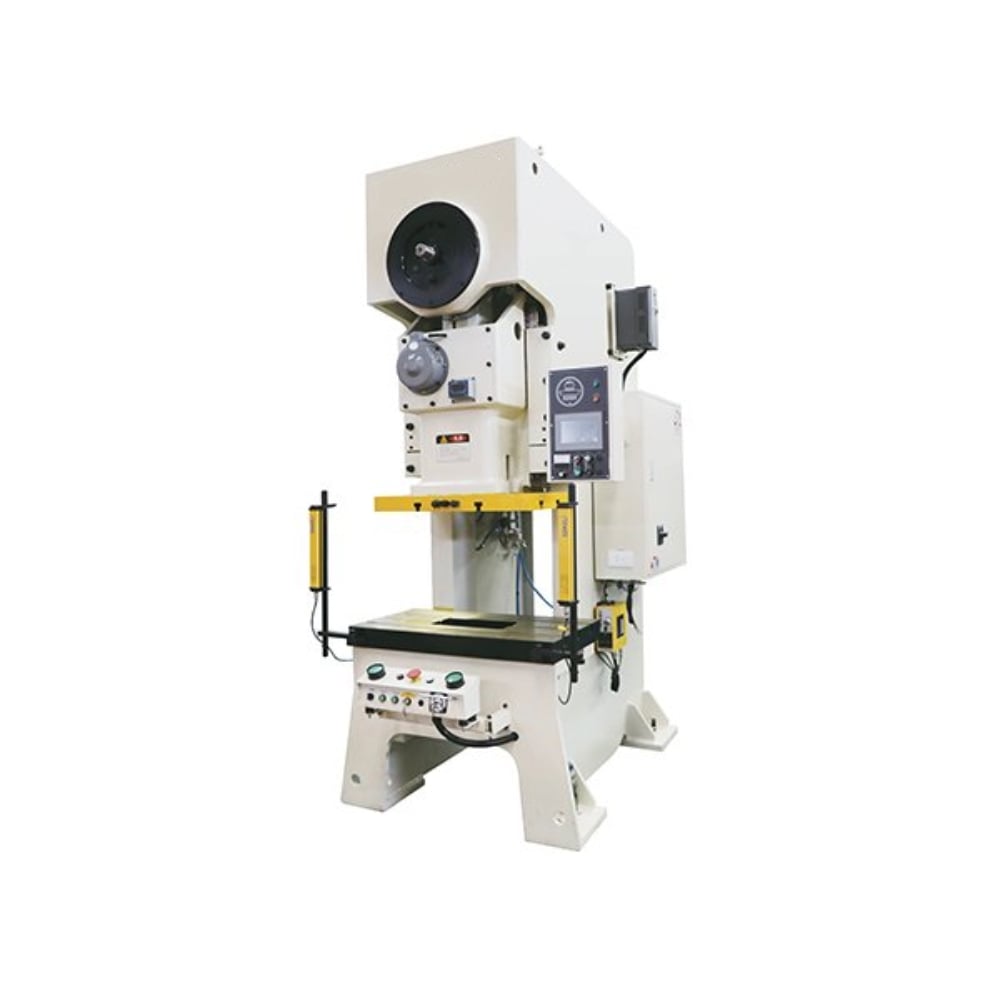
Selection Advice: Choosing Reliable Safety Components
When it comes time to replace safety sensors, the temptation to opt for cheaper, generic alternatives can be high. However, in the context of industrial punching machines, quality is non-negotiable. HARSLE recommends selecting sensors that are specifically rated for high-vibration environments and have an IP67 or higher ingress protection rating.
Look for sensors that feature built-in diagnostic indicators. Modern safety light curtains often include multi-color LEDs that show the status of each beam. This allows operators to quickly identify if a specific segment of the curtain is blocked or if the entire unit is misaligned, significantly reducing the time spent on troubleshooting.
Compatibility with your existing PLC architecture is also vital. Ensure that the safety sensors you select are compatible with the safety-rated inputs of your controller. Using non-safety-rated sensors in a safety-critical application is a violation of international safety standards and poses a severe risk to personnel.
Consider the response time of the sensor. In high-speed punching operations, the safety system must be able to detect an intrusion and stop the machine within milliseconds. Always check the manufacturer’s data sheet for the “Response Time” specification and ensure it meets or exceeds the requirements set by the machine’s original design specifications.
Finally, prioritize brands that offer robust technical support and long-term availability of spare parts. A sensor that is discontinued after two years will force you to redesign your safety system prematurely. Partnering with reputable suppliers ensures that you can source identical replacements, maintaining the machine’s safety certification and operational consistency.
Frequently Asked Questions (FAQ)
Why does my punching machine alarm go off when nothing is in the way?
This is often caused by misalignment of the light curtain or dust accumulation on the lenses. It can also be triggered by electrical noise interference from nearby high-power equipment.
How often should I test the safety sensors?
Safety sensors should be tested daily before the start of each shift. Perform a “functional test” by breaking the light beam to ensure the machine stops immediately.
Can I bypass the safety sensor to finish a job?
Absolutely not. Bypassing safety sensors is a violation of safety regulations and puts operators at extreme risk of injury. Always troubleshoot and resolve the underlying issue.
What should I do if the alarm persists after cleaning the sensors?
If cleaning does not work, check the cable connections for damage, verify the alignment of the transmitter and receiver, and inspect the safety relay module for faults.
Are all safety sensors interchangeable?
No. Safety sensors are designed for specific safety integrity levels (SIL). Always replace sensors with parts that meet or exceed the original manufacturer’s specifications.
Conclusion
Mastering Punching Machine Safety Sensor Problems: Troubleshooting Alarm Failures is essential for maintaining a safe and efficient metal fabrication shop. By understanding the interplay between mechanical alignment, electrical integrity, and sensor maintenance, you can prevent the majority of alarm-related downtime. Remember that safety systems are the final line of defense for your operators; they deserve the highest level of care and attention.
HARSLE remains committed to providing the industry with robust, reliable punching machinery. By following the troubleshooting steps outlined in this guide, you ensure that your equipment continues to perform at its peak. When in doubt, always refer to your machine’s specific technical manual or contact a certified HARSLE technician to assist with complex electrical diagnostics. Prioritizing safety is not just about compliance—it is about building a sustainable and productive future for your manufacturing business.












