
Laser Cutting Machine Material Not Supported Properly: Causes and Adjustments


Introduction
In the high-precision world of metal fabrication, the stability and support of the workpiece are paramount. When operators encounter the issue of a Laser Cutting Machine Material Not Supported Properly: Causes Adjustments, it often leads to vibration, inconsistent cut quality, and potential damage to the laser head. At HARSLE, we emphasize that a laser cutting machine is only as effective as its material handling system. If the workpiece is not adequately supported, the focal point of the laser beam shifts, resulting in dross, burrs, or incomplete cuts.
Understanding the mechanical and environmental factors that lead to improper material support is essential for any workshop manager. Whether you are processing thin-gauge stainless steel or heavy-duty carbon steel plates, the interaction between the machine bed, the slats, and the material itself must be perfectly calibrated. This guide explores the technical nuances of material support, providing actionable insights to ensure your HARSLE equipment operates at peak efficiency.
Improper support is not merely a nuisance; it is a significant bottleneck in industrial production. When material sags or vibrates during the cutting process, the machine’s sensors may struggle to maintain the correct standoff distance. This leads to frequent head collisions, increased scrap rates, and unnecessary downtime. By addressing these support issues early, you can extend the lifespan of your consumables and improve the overall throughput of your fabrication facility.
This article serves as a comprehensive resource for identifying why your material might not be supported properly and how to implement the necessary adjustments. From checking the levelness of the cutting table to optimizing the slat configuration for different material thicknesses, we cover the critical aspects of maintaining a stable cutting environment for your industrial laser cutting machine.
Key Considerations for Material Support
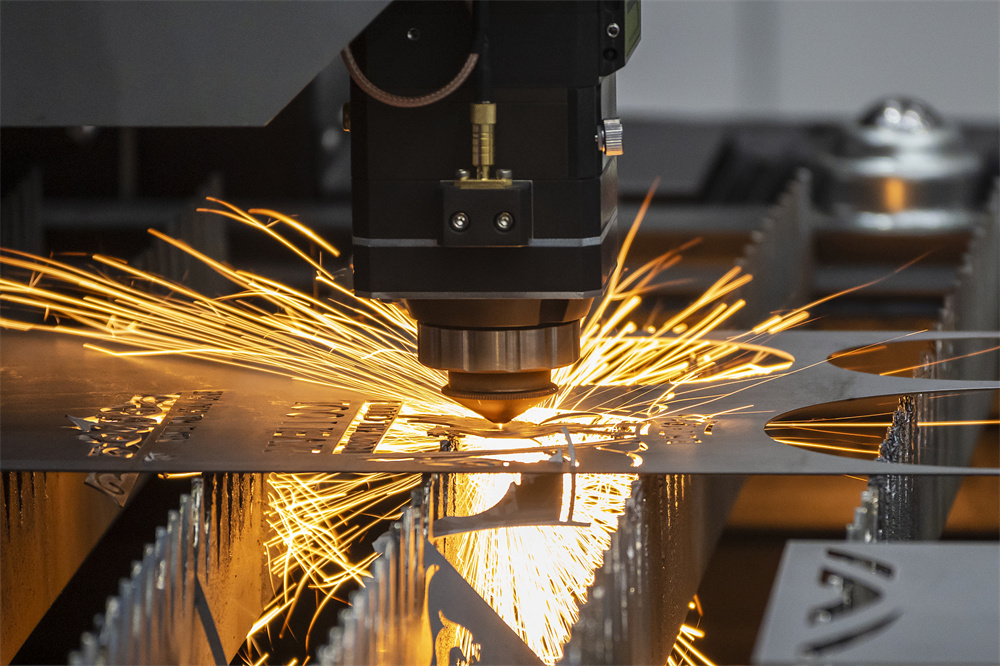
The first step in resolving support issues is evaluating the condition of the machine bed. Over time, the slats (or honeycomb grid) that support the material can become warped, clogged with slag, or unevenly worn. If the slats are not perfectly level, the material will inevitably sag in certain areas, causing the laser head to lose its focus. Regular inspection of the table surface is a fundamental maintenance task that should be performed weekly in high-volume environments.
Another critical consideration is the weight distribution of the material. Large, heavy plates require a different support strategy than small, intricate parts. If a heavy plate is placed on a worn-out slat bed, the localized pressure can cause the slats to buckle. HARSLE recommends using reinforced support structures for heavy-duty applications to ensure that the material remains flat throughout the entire cutting cycle. Always ensure that the material is centered according to the machine’s coordinate system to prevent uneven stress on the gantry.
Environmental factors also play a role. Thermal expansion can cause thin metal sheets to warp during the cutting process, especially if the heat is not dissipated effectively. If the material is not clamped or supported correctly, this warping can lift the sheet into the path of the laser nozzle. Implementing a proper support grid that allows for heat dissipation is vital. Furthermore, ensuring that the machine is installed on a vibration-dampened foundation prevents external tremors from affecting the stability of the material during the cutting process.
Finally, consider the material type and its inherent rigidity. Aluminum, for instance, has different thermal properties compared to mild steel. When cutting reflective or highly conductive materials, the support structure must be clean and free of debris to prevent back-reflections or uneven heat absorption. By maintaining a clean and level support surface, you mitigate the risk of material movement, ensuring that the laser beam consistently hits the target with the required precision.
Technical Details: Causes and Adjustments
When investigating why a Laser Cutting Machine Material Not Supported Properly: Causes Adjustments occurs, the primary culprit is often the slat condition. Slats that are damaged or have excessive slag buildup create an uneven surface. The adjustment here is straightforward: replace damaged slats and perform regular slag removal. Using a slag scraper or a dedicated cleaning tool can restore the flatness of the table, allowing the material to sit flush against the support points.
The second technical cause involves the laser head’s height sensing system. If the capacitive sensor is not calibrated correctly, it may misinterpret the distance between the nozzle and the material. If the material is sagging, the sensor might trigger a collision alarm or, conversely, fail to adjust the focal height, leading to poor cut quality. Adjusting the sensitivity of the height control system and ensuring the nozzle is clean are essential steps. If the material is consistently sagging, you may need to adjust the machine’s Z-axis parameters to compensate for the slight variations in height.
Thirdly, the vacuum or exhaust system can influence material stability. In some laser cutting machines, a powerful downdraft system is used to hold the material down. If the exhaust fans are not functioning at full capacity, or if the ductwork is clogged, the suction force is reduced, allowing the material to lift or vibrate. Check the exhaust system for blockages and ensure that the airflow is consistent across the entire cutting bed. This is particularly important when cutting thin sheets that are prone to fluttering.
Lastly, consider the software-side adjustments. Modern HARSLE laser systems allow for advanced nesting and path planning. If your nesting software places parts too close to the edges of the sheet or in areas where the support slats are sparse, the material may lack sufficient backing. Adjusting your nesting parameters to ensure that parts are supported by at least two or three slats can significantly improve stability. Additionally, using micro-tabs to keep parts connected to the skeleton prevents small pieces from tipping or falling through the slats during the cutting process.
Selection Advice for Optimal Support
Choosing the right support system for your HARSLE laser cutting machine depends largely on your specific production needs. For shops that primarily process thick carbon steel, a heavy-duty, high-density slat bed is recommended. These slats are thicker and more resistant to the intense heat and slag accumulation associated with thick plate cutting. Investing in high-quality, replaceable slats will save you money in the long run by reducing the frequency of table maintenance.
If your facility focuses on thin-gauge stainless steel or aluminum, consider a honeycomb table or a specialized fine-mesh support grid. These systems provide more contact points, which is crucial for preventing the material from sagging between the supports. While these grids require more frequent cleaning, they offer superior stability for delicate or thin materials, ensuring that your high-precision cuts remain accurate across the entire sheet.
When selecting a machine, look for features like automatic table exchange systems. These systems allow for the loading of new material while the machine is still cutting, which not only increases productivity but also ensures that the material is loaded onto a clean, pre-checked support bed. HARSLE machines are designed with modular support systems that allow for easy customization based on the material thickness and type you process most frequently.
Finally, always consult with your HARSLE representative regarding the specific support requirements for your application. We provide detailed guides on slat spacing and material handling techniques tailored to your specific model. By aligning your support strategy with your production goals, you can minimize the occurrence of material support issues and maximize the return on your investment in industrial metal fabrication equipment.
FAQ: Troubleshooting Material Support
- Q: How often should I clean the slats on my laser cutting machine?
A: In high-volume environments, we recommend a light cleaning daily and a thorough inspection/slag removal weekly to ensure the material remains level. - Q: Can a sagging sheet damage my laser head?
A: Yes. If the material lifts into the path of the nozzle, it can cause a collision, potentially damaging the nozzle, ceramic ring, or the laser lens. - Q: Why does my material vibrate during cutting?
A: Vibration is often caused by insufficient support points or an uneven table surface. Ensure the material is properly clamped or that the slats are in good condition. - Q: Does the exhaust system affect material stability?
A: Yes, a strong downdraft helps hold thin sheets flat. If your suction is weak, thin materials may flutter, leading to inconsistent cut quality. - Q: What are micro-tabs and why should I use them?
A: Micro-tabs are small bridges of metal that keep cut parts attached to the sheet skeleton. They prevent parts from tipping or falling, which keeps the cutting area stable.
Conclusion
Addressing the issue of a Laser Cutting Machine Material Not Supported Properly: Causes Adjustments is a vital aspect of maintaining a high-performance metal fabrication shop. By understanding the mechanical causes—such as slat wear, improper weight distribution, and sensor calibration—you can implement effective adjustments that keep your HARSLE laser cutting machine running smoothly. Remember that consistent maintenance, combined with the right support hardware, is the key to achieving the precision and reliability your customers demand.
At HARSLE, we are committed to providing not only the best industrial machinery but also the knowledge required to operate it at its full potential. Whether you are troubleshooting a specific cutting issue or looking to upgrade your material handling capabilities, our team is here to support your success. By prioritizing the stability of your material, you ensure the longevity of your equipment and the quality of your finished products, solidifying your reputation as a leader in the metal fabrication industry.












