
Laser Cutting Machine Maintenance Guide to Reduce Downtime and Improve Precision


Technical Overview: The Anatomy of Precision
In the modern metal fabrication landscape, the laser cutting machine stands as the cornerstone of productivity. For manufacturers relying on HARSLE technology, understanding the technical intricacies of these systems is the first step toward operational excellence. A fiber laser cutting machine operates by focusing a high-power laser beam onto the surface of a material, causing it to melt, burn, or vaporize. The precision of this process is dictated by the synergy between the laser source, the optical delivery system, and the CNC control unit.
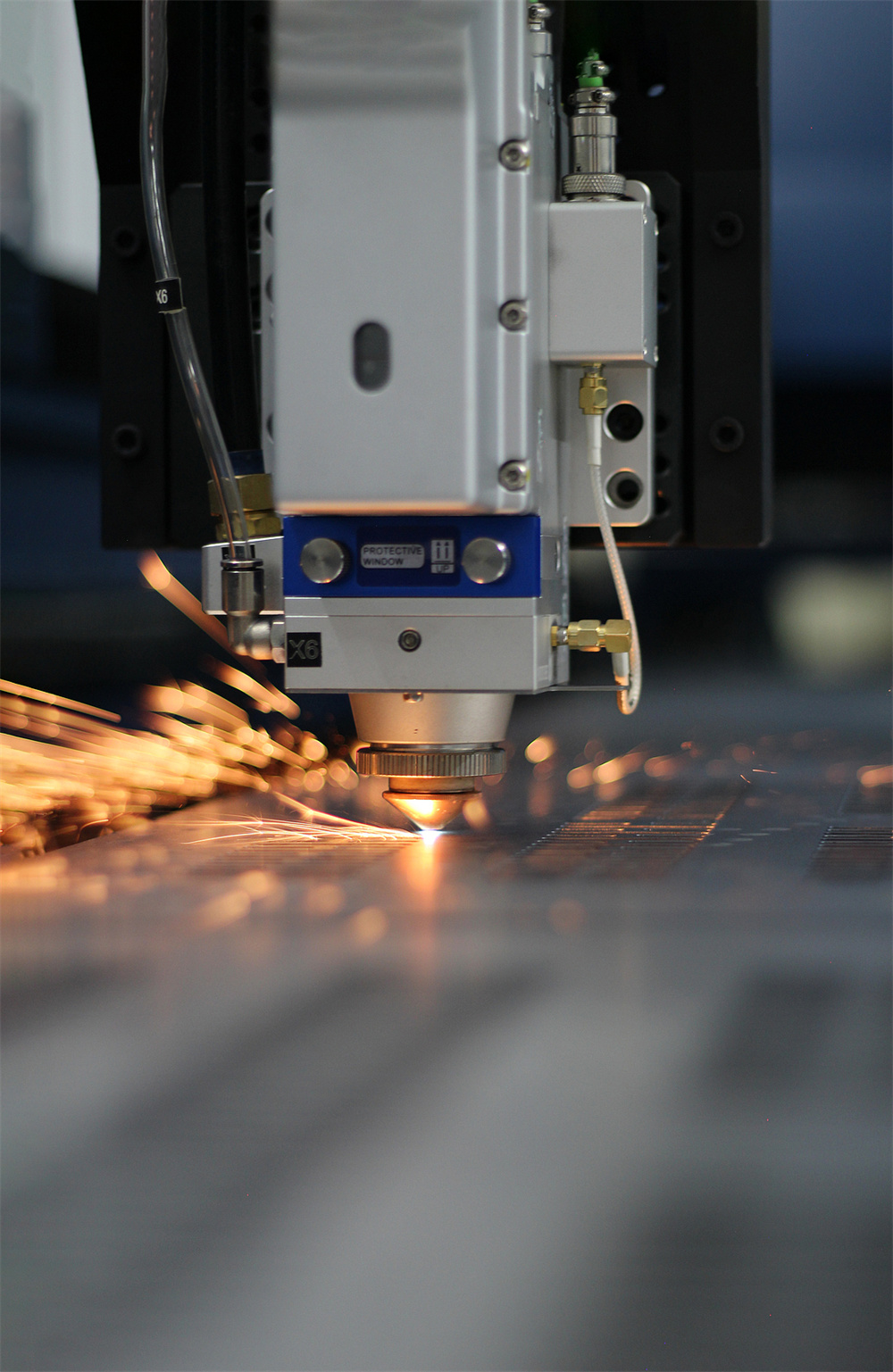
To effectively laser cutting machine maintenance reduce downtime and improve precision, one must view the machine as a holistic ecosystem. The laser resonator generates the beam, which is then transported via fiber optic cables to the cutting head. Within the head, a series of lenses and mirrors focus the beam to a microscopic point. Any deviation in the alignment of these components, or any contamination on the protective glass, can lead to significant drops in cut quality and potential damage to the internal optics.
Thermal management is another critical technical aspect. High-power lasers generate immense heat, necessitating a robust water-cooling system. If the chiller fails to maintain the optimal temperature range, the laser source can experience thermal drift, leading to inconsistent power output. This instability is a primary culprit for edge burrs and dimensional inaccuracies in finished parts. Regular monitoring of the chiller’s coolant quality and flow rate is non-negotiable for long-term reliability.
Furthermore, the motion system—comprising servo motors, rack and pinion drives, and linear guides—must be calibrated to micron-level accuracy. As these mechanical components wear over time, backlash can occur, manifesting as jagged edges or corner rounding. By integrating proactive maintenance schedules, operators can identify these mechanical degradations before they result in costly unplanned downtime or scrap material.
Core Parameters for Optimal Performance
Achieving peak performance requires a deep understanding of the core parameters that govern the cutting process. The most significant of these is the focal position. The focal point must be precisely adjusted relative to the material thickness and type. If the focus is too high or too low, the energy density at the point of impact decreases, resulting in poor penetration and excessive slag formation.
Gas pressure and nozzle selection are equally vital. Assist gases, such as oxygen, nitrogen, or compressed air, serve two purposes: blowing away molten metal and facilitating the chemical reaction (in the case of oxygen). The nozzle diameter must be matched to the material thickness; a nozzle that is too large will waste gas and reduce the pressure at the cut site, while one that is too small may cause the beam to clip the nozzle, damaging the hardware.
Cutting speed and power settings form the final pillar of the parameter triad. These must be balanced to ensure the material is fully penetrated without overheating the surrounding area. Excessive speed leads to incomplete cuts, while insufficient speed causes heat-affected zones (HAZ) that can compromise the structural integrity of the metal. HARSLE machines provide advanced CNC interfaces that allow operators to store and recall these parameter sets for specific materials.
Finally, the beam quality (BPP – Beam Parameter Product) is a fundamental characteristic of the laser source itself. While this is largely determined by the manufacturer, maintaining the cleanliness of the delivery optics ensures that the beam quality remains consistent from the resonator to the workpiece. Regular inspection of the protective cover glass is the most effective way to preserve the integrity of the beam path.
Calculation Method for Maintenance Intervals
To effectively reduce downtime, maintenance must be data-driven rather than reactive. A reliable calculation method for maintenance intervals involves tracking the ‘Total Laser On-Time’ (TLOT) and the ‘Total Motion Time’ (TMT). By logging these hours, maintenance teams can schedule interventions based on actual usage rather than arbitrary calendar dates.
The formula for determining the interval for optical inspection is: Interval = (Total Duty Cycle / Environmental Factor). The environmental factor is a multiplier based on the shop floor conditions; a clean, climate-controlled room has a factor of 1.0, while a dusty or high-humidity environment may have a factor of 0.5 or lower, necessitating more frequent cleaning.
For mechanical components like linear guides and rack-and-pinion systems, the calculation is based on travel distance. Most manufacturers recommend lubrication every 500 to 1,000 kilometers of travel. By utilizing the machine’s internal diagnostic software, operators can pull reports on the total distance traveled by each axis, allowing for precise lubrication scheduling that prevents premature wear.
Lastly, the coolant replacement cycle should be calculated based on the conductivity of the water. As the coolant circulates, it picks up ions and impurities. When the conductivity exceeds a specific threshold (usually 10-20 μS/cm), the cooling efficiency drops, and the risk of corrosion within the laser source increases. Regular testing with a digital conductivity meter is the standard method for determining when a full system flush is required.
Parameter Table: Recommended Maintenance Schedule
| Component | Action | Frequency | Impact on Precision |
|---|---|---|---|
| Protective Lens | Inspect/Clean | Daily | High |
| Nozzle | Inspect/Replace | Daily | High |
| Coolant Level | Check | Weekly | Medium |
| Linear Guides | Lubricate | Monthly | High |
| Rack & Pinion | Clean/Grease | Monthly | High |
| Chiller Filter | Clean | Monthly | Medium |
| Optical Path | Alignment Check | Quarterly | Critical |
Common Engineering Mistakes in Laser Maintenance
One of the most frequent mistakes in laser cutting machine maintenance is the improper cleaning of optical components. Using non-optical grade solvents or abrasive cloths can leave microscopic scratches on the lens coating. These scratches absorb laser energy, leading to thermal runaway and catastrophic lens failure. Always use high-purity isopropyl alcohol and specialized lens tissue, following the manufacturer’s specific cleaning protocol.
Another common error is neglecting the assist gas quality. Many shops use shop air without adequate filtration. If the air contains oil or moisture, it will contaminate the optics and cause oxidation on the cut edge of the metal. Investing in a high-quality refrigerated dryer and multi-stage filtration system is essential for maintaining the purity of the assist gas and protecting the internal components.
Over-lubrication of the motion system is a surprisingly common issue. Applying too much grease to the linear guides can attract dust and metal particles, creating an abrasive paste that accelerates wear rather than preventing it. Always follow the manufacturer’s specifications regarding the type and quantity of lubricant, and ensure that excess grease is wiped away after application.
Finally, ignoring software updates and diagnostic alerts is a recipe for disaster. Modern HARSLE machines are equipped with sophisticated sensors that monitor everything from laser power stability to motor torque. When an alarm triggers, it is often a warning of an impending failure. Operators who clear these alarms without investigating the root cause are essentially ignoring the machine’s attempt to prevent a major breakdown.

Selection Checklist for Laser Cutting Equipment
When selecting a new laser cutting machine, the maintenance profile should be as important as the cutting speed. Start by evaluating the accessibility of the optical components. Can the protective lens be changed in under five minutes without specialized tools? If the answer is no, your downtime during routine maintenance will be significantly higher.
Consider the robustness of the machine frame. A stress-relieved, heavy-duty steel frame is less prone to thermal expansion and vibration, which directly impacts the long-term precision of the machine. Ask the manufacturer about the vibration damping characteristics of the gantry and the quality of the servo drives used in the motion system.
Evaluate the availability of spare parts and technical support. A machine is only as good as the support behind it. Ensure that the manufacturer has a local presence or a reliable distribution network that can provide critical components like laser diodes, cutting heads, and control boards within 24-48 hours. HARSLE’s commitment to global service ensures that your production remains uninterrupted.
Finally, look for integrated diagnostic features. A machine that can perform self-calibration and provide real-time feedback on the health of the laser source will save hundreds of hours in troubleshooting. The ability to remotely monitor the machine via an IoT interface is also a significant advantage for modern, high-volume fabrication shops.
FAQ: Laser Cutting Machine Maintenance
How often should I replace the protective lens?
The protective lens should be inspected daily. If you notice any pitting, burn marks, or permanent discoloration, it must be replaced immediately. In a clean environment, a lens might last several months, but in high-production environments, weekly replacement may be necessary.
Why is my laser cutting machine producing burrs?
Burrs are typically caused by incorrect focal position, insufficient gas pressure, or worn-out nozzles. Check your parameter library to ensure the settings match the material thickness, and inspect the nozzle for any signs of damage or clogging.
Can I use standard shop air for my laser?
Only if it is properly treated. You must have a high-quality refrigerated dryer and a multi-stage filtration system (oil/water separator and particulate filter) to ensure the air is clean and dry. Failure to do so will lead to rapid degradation of the optics.
How do I know if my laser beam is misaligned?
Signs of misalignment include inconsistent cut quality across the table, the beam hitting the side of the nozzle, or a noticeable drop in cutting speed. If you suspect misalignment, perform a ‘paper test’ or use a beam alignment tool to verify the beam path.
What is the most important maintenance task?
While all maintenance is important, keeping the optics clean and the coolant system in good condition are the two most critical tasks. These two areas directly impact the laser source’s longevity and the machine’s cutting precision.
How does HARSLE support long-term maintenance?
HARSLE provides comprehensive training, detailed maintenance manuals, and remote diagnostic support. We design our machines with modular components to ensure that maintenance is straightforward and that downtime is kept to an absolute minimum for our global partners.












