Case Study: Punching Machine Optimization for Small and Medium Metal Shops


Introduction
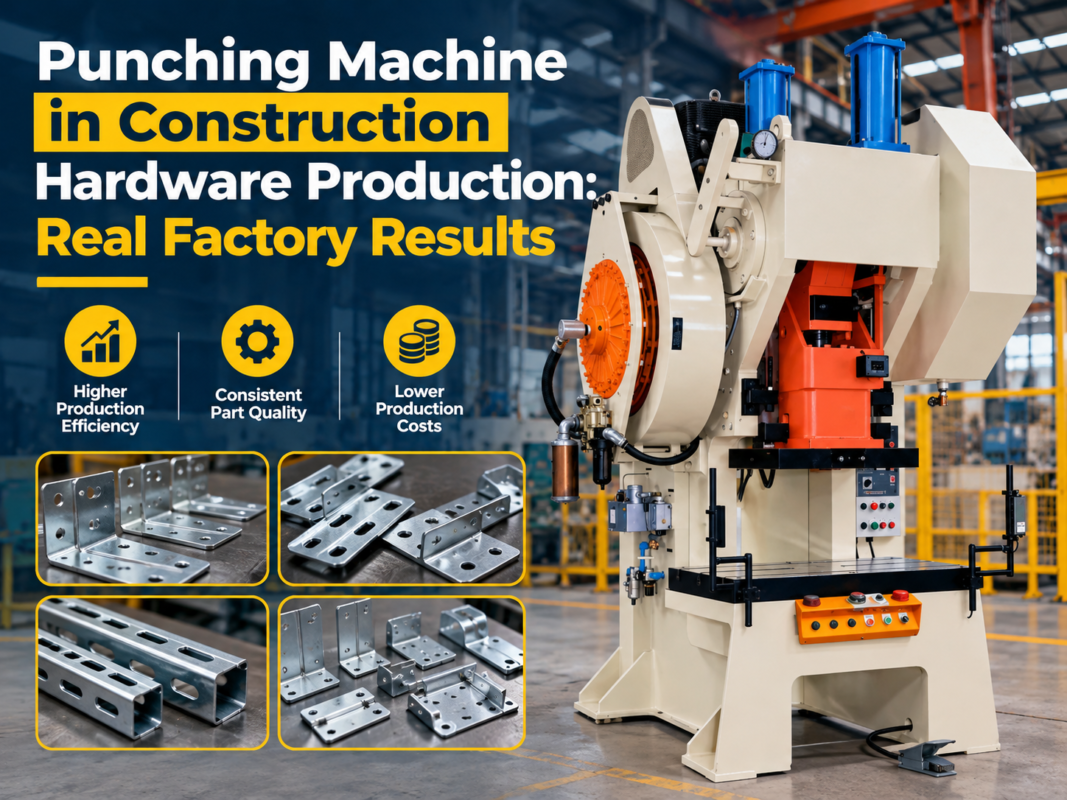
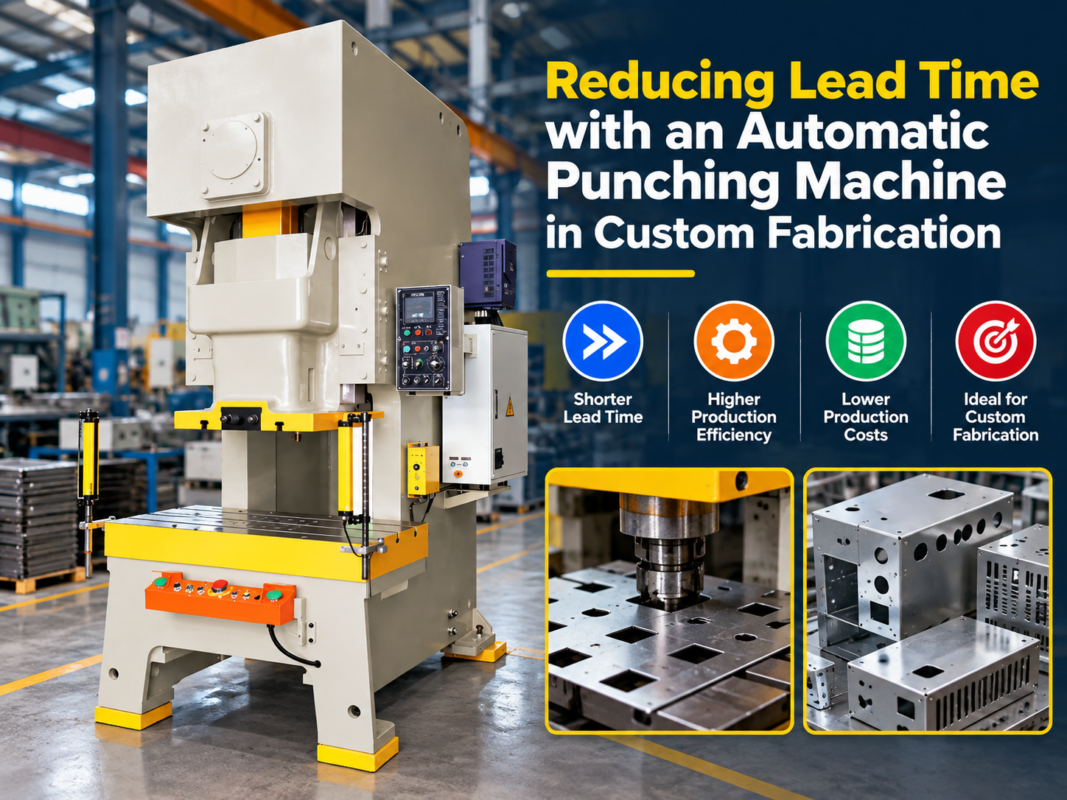
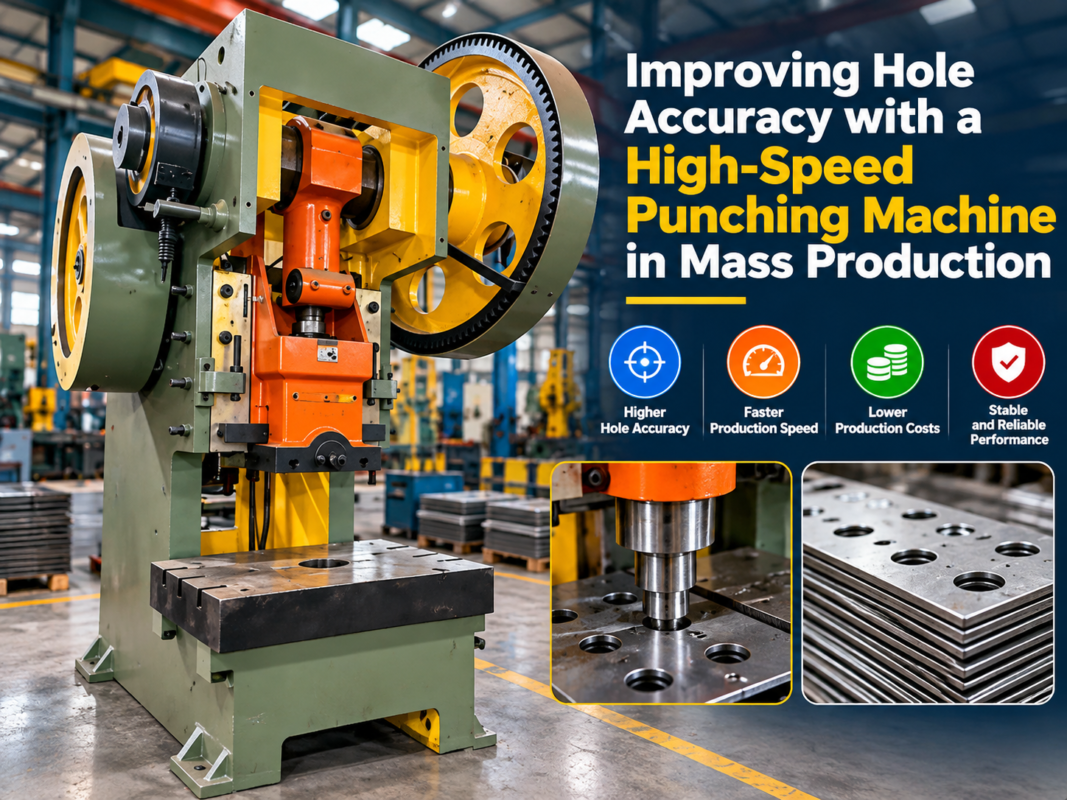
In the competitive landscape of modern manufacturing, small and medium-sized enterprises (SMEs) face the constant challenge of balancing high-quality output with cost-effective production. For many metal fabrication shops, the punching machine serves as the backbone of their operations. However, without proper optimization, these machines often become bottlenecks rather than drivers of productivity. This article explores a comprehensive Case Study: Punching Machine Optimization Small Medium Metal Shops, illustrating how strategic upgrades and process refinements can transform a shop’s bottom line.
HARSLE has worked with numerous fabrication facilities that struggled with inconsistent hole quality, excessive tool wear, and inefficient material handling. By analyzing these real-world scenarios, we have identified a roadmap for shops looking to scale their capabilities. Optimization is not merely about buying the newest equipment; it is about integrating technology, maintenance protocols, and workflow logic into a cohesive system that maximizes the return on investment for every square foot of the shop floor.
The following sections delve into the technical nuances of punching machine performance. We will examine how SMEs can transition from reactive maintenance to proactive optimization, ensuring that their machinery remains a competitive advantage. Whether you are operating a manual turret punch or a high-speed CNC system, the principles of optimization remain consistent: precision, speed, and reliability.
Key Considerations for Punching Machine Optimization
The first step in any optimization strategy is a thorough audit of current production workflows. Many small shops suffer from ‘micro-stoppages’—small, frequent delays that aggregate into significant downtime. These can range from improper tool storage to inefficient sheet metal loading sequences. By mapping out the entire lifecycle of a part, from raw material intake to finished component, managers can identify where the punching machine is being underutilized.
Tooling management is another critical pillar of optimization. In many SMEs, operators spend excessive time searching for the correct punch and die sets or dealing with dull tools that require higher tonnage and cause burrs. Implementing a standardized tooling library and a rigorous sharpening schedule can drastically reduce setup times. A well-organized tool carousel or cabinet is not just a convenience; it is a fundamental requirement for high-throughput fabrication.
Material handling efficiency is often overlooked in smaller shops. If an operator has to manually reposition heavy sheets or clear scrap material by hand, the machine’s cycle time is effectively wasted. Investing in automated loading/unloading systems or even simple pneumatic sheet lifters can keep the machine running at its rated strokes per minute. Optimization is about keeping the ram moving; every second the machine is idle is a second of lost profit.
Finally, software integration plays a vital role. Modern punching machines are driven by CAD/CAM software that can optimize nesting patterns to minimize scrap and reduce the number of tool changes required. By utilizing advanced nesting algorithms, shops can reduce material waste by 10-15%, which, over the course of a year, represents a massive saving in raw material costs. This digital optimization is the bridge between a traditional shop and a smart factory.
Technical Details: The Mechanics of Efficiency
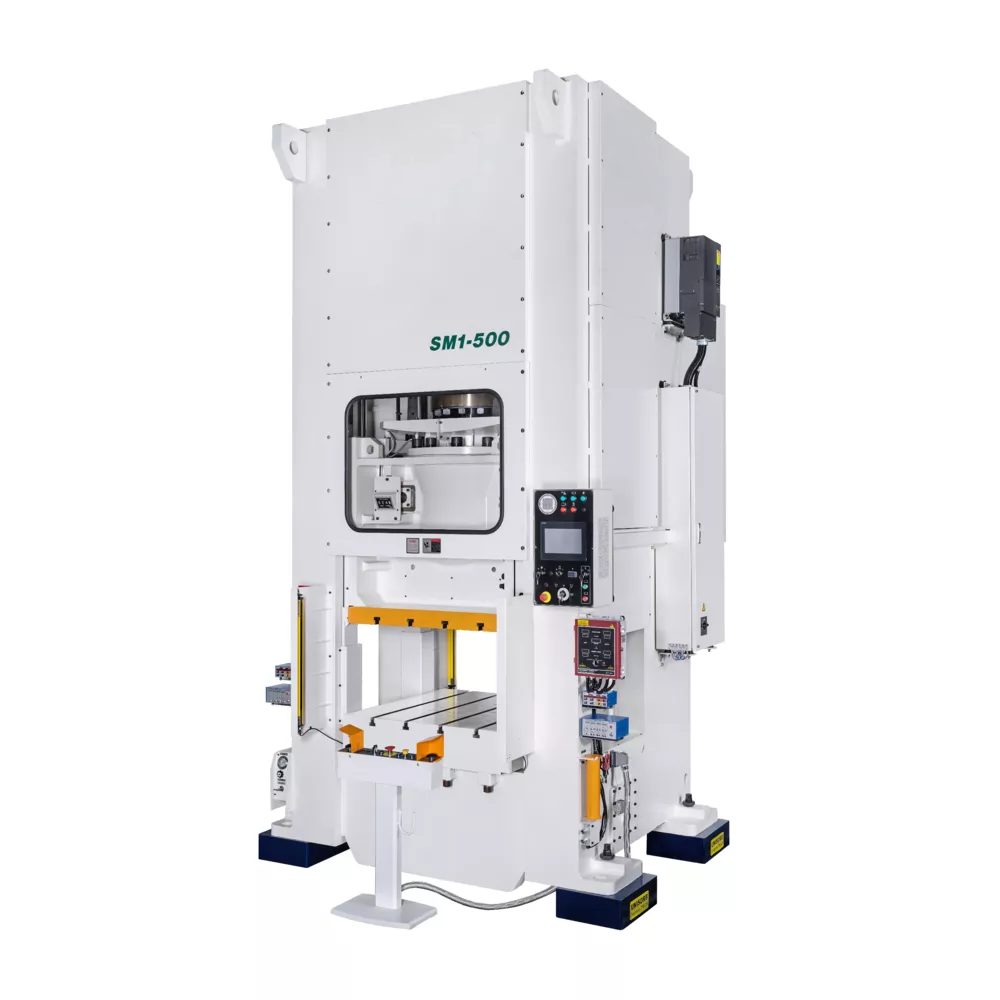
To truly understand Case Study: Punching Machine Optimization Small Medium Metal Shops, one must look at the technical specifications that define performance. The tonnage capacity, stroke length, and hit rate are the primary variables. For SMEs, the goal is to match the machine’s capabilities to the specific gauge and material type of the products they manufacture most frequently. Over-specifying a machine leads to unnecessary energy costs, while under-specifying leads to premature mechanical failure.
The hydraulic system is the heart of the punching machine. Regular monitoring of hydraulic pressure and oil temperature is essential. Fluctuations in pressure can lead to inconsistent punching force, resulting in parts that do not meet tolerance specifications. HARSLE recommends installing high-quality filtration systems to keep hydraulic fluid clean, as contaminants are the leading cause of valve failure and sluggish ram movement in older machines.
Tooling clearance is another technical aspect that dictates machine longevity and part quality. The clearance between the punch and the die must be precisely calculated based on the material thickness and type. If the clearance is too tight, the machine experiences excessive stress; if it is too loose, the edges of the punched hole will be deformed. Optimizing this clearance reduces the force required for the punch, thereby extending the life of both the machine and the tooling.
Vibration control is often ignored in small shops. High-speed punching creates significant kinetic energy that must be dissipated. Ensuring that the machine is properly leveled and anchored to a high-density concrete foundation is non-negotiable. Excessive vibration not only degrades the accuracy of the punch but also causes wear on electronic components and sensors. A stable machine is a precise machine, and precision is the hallmark of a high-quality fabrication shop.
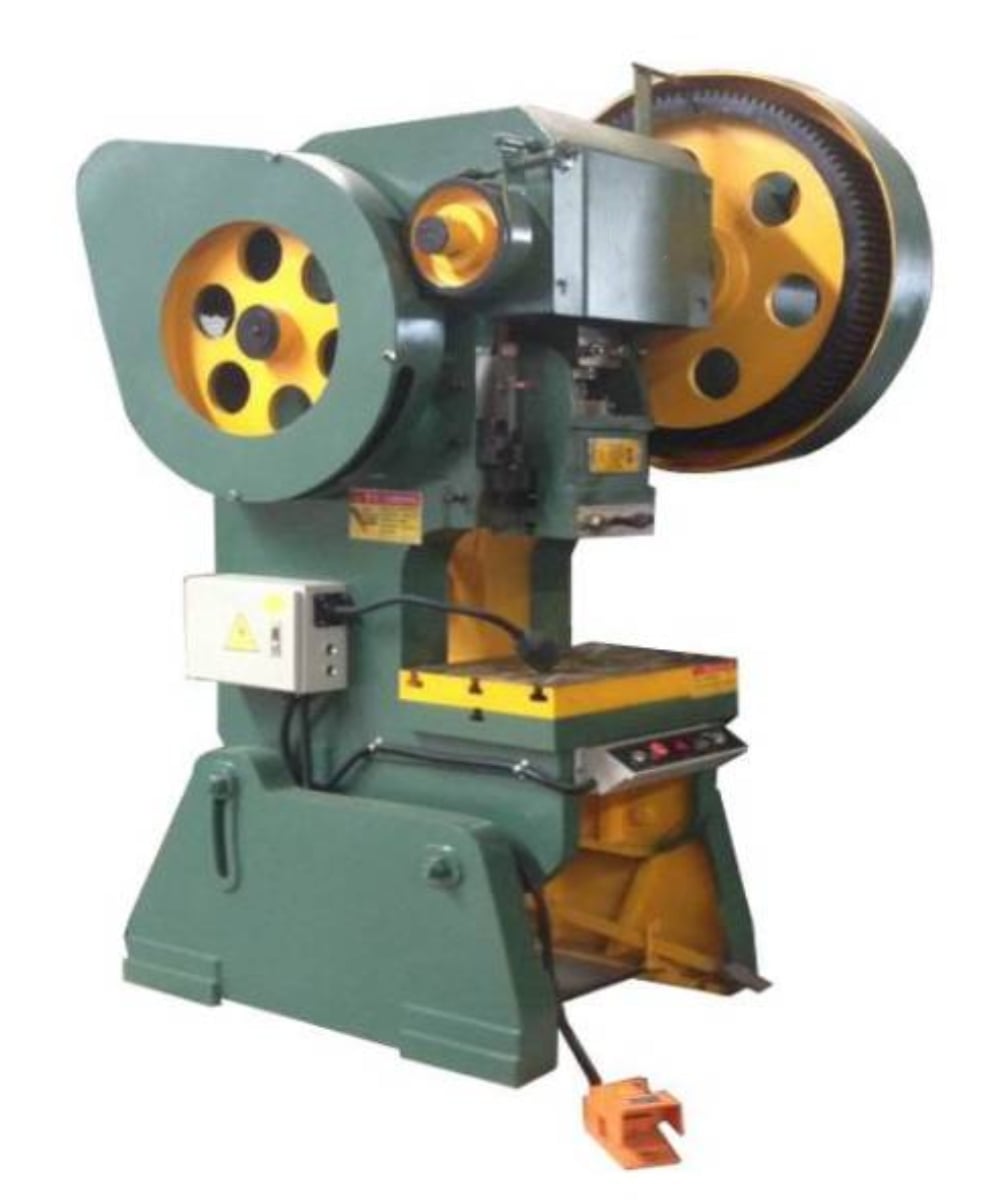
Selection Advice for Growing Shops
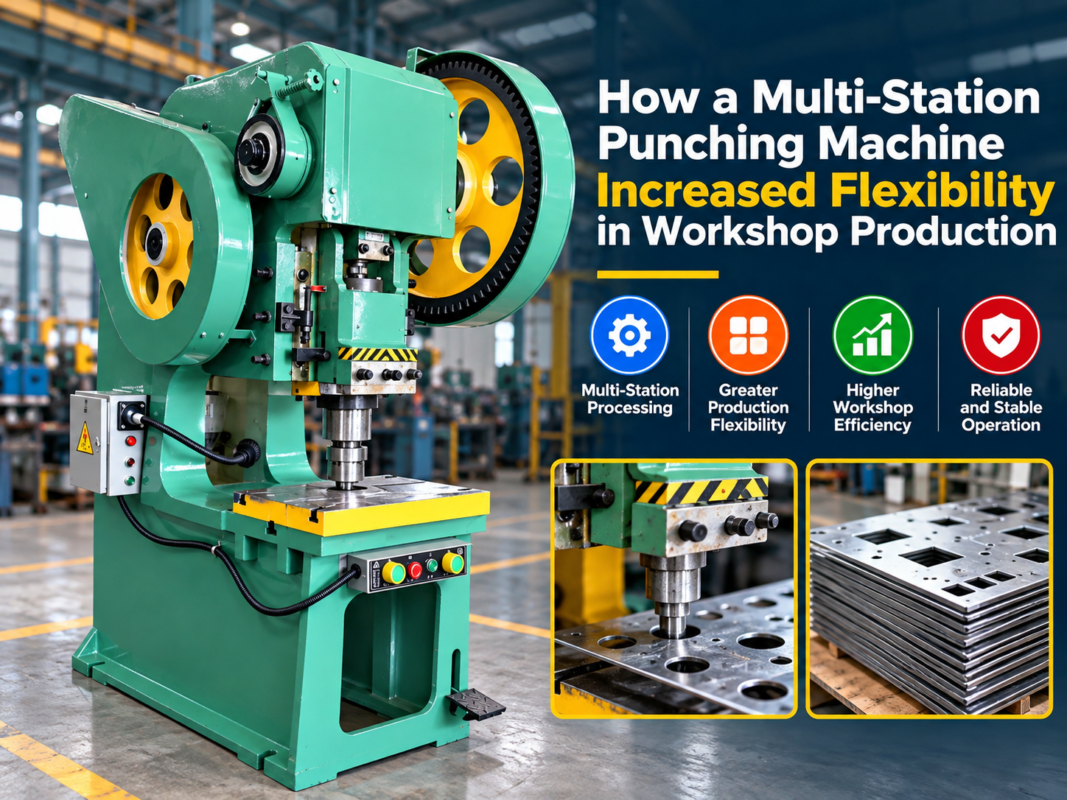
When selecting a new punching machine, SMEs should prioritize versatility. A machine that can handle a wide variety of materials—from thin aluminum to thick stainless steel—is more valuable than a specialized unit that sits idle for half the week. Look for machines with multi-tool stations that allow for a greater number of tools to be loaded at once, reducing the need for manual tool changes during a production run.
Consider the future-proofing of the machine. Can the CNC controller be updated? Is the machine compatible with future automation modules like robotic arms or automatic sheet loaders? A machine that can grow with your business is a better investment than the cheapest option available today. HARSLE emphasizes the importance of choosing a partner who provides robust after-sales support, as downtime in a small shop can be catastrophic.
Energy efficiency is an increasingly important selection criterion. Modern servo-driven punching machines offer significant energy savings compared to traditional hydraulic systems. They only consume power when the ram is in motion, and they provide much higher precision in stroke control. While the initial capital expenditure may be higher, the long-term operational savings and improved part quality often justify the investment within a few years.
Finally, evaluate the ease of programming. If your operators require weeks of training to program a simple part, your productivity will suffer. Look for user-friendly interfaces that support common file formats like DXF or DWG. The ability to import designs directly from CAD software into the machine controller is a massive time-saver and reduces the risk of human error in the programming phase.
FAQ: Common Questions on Punching Machine Optimization
How often should I perform maintenance on my punching machine?
Daily checks should include oil levels, tool sharpness, and debris removal. Monthly maintenance should involve checking hydraulic filters, tightening electrical connections, and lubricating moving parts. Annual professional servicing is recommended to ensure long-term reliability.
Can I optimize an older punching machine?
Yes. Many older machines can be retrofitted with modern CNC controllers, improved hydraulic valves, or better tooling systems. However, perform a cost-benefit analysis to ensure the upgrade cost doesn’t exceed the value of a new machine.
What is the biggest cause of tool wear?
Improper clearance and lack of lubrication are the primary culprits. Using the wrong tool material for the sheet metal being punched will also accelerate wear significantly.
How does nesting software improve efficiency?
Nesting software arranges parts on a sheet to minimize scrap. By reducing the amount of material wasted, you lower your raw material costs and reduce the number of hits required, which saves time and tool life.
Conclusion
Optimizing a punching machine is a multifaceted process that requires attention to detail, a commitment to maintenance, and a willingness to embrace modern technology. For small and medium metal shops, the path to increased profitability lies in the efficient use of existing assets and the strategic selection of new equipment. By focusing on the principles outlined in this Case Study: Punching Machine Optimization Small Medium Metal Shops, fabricators can achieve higher throughput, better part quality, and a stronger competitive position in the market.
HARSLE remains dedicated to supporting the growth of SMEs through reliable machinery and expert guidance. Remember that optimization is not a one-time event but a continuous cycle of improvement. As your shop evolves, so too should your processes. By staying informed about the latest advancements in metal fabrication equipment and maintaining a rigorous standard for your operations, you ensure that your shop remains a leader in the industry for years to come.